You've probably seen them. Those tall, architectural leaves with striking patterns, standing stiff and proud in a corner of a coffee shop or on a sunny office windowsill. Serpent plants, often called snake plants or mother-in-law's tongue, are everywhere. And there's a good reason for that. They're survivors. But calling them "indestructible" does them a disservice. It sets you up for failure. I've killed my share by following that bad advice. The truth is, they have specific preferences, and understanding them is the difference between a plant that merely exists and one that truly thrives.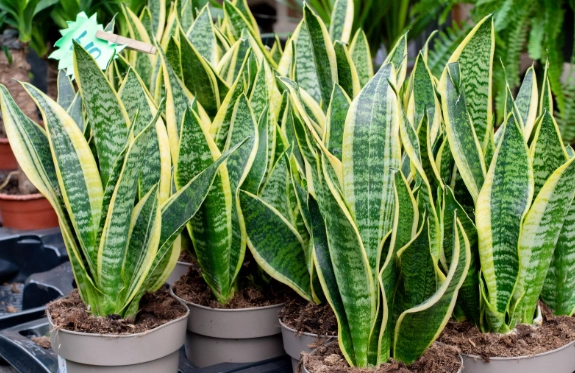
What's Inside This Guide?
What Exactly Are Serpent Plants?
Let's clear something up first. "Serpent plant" isn't one single species. It's a common name that covers a whole group of plants from the Dracaena genus (yes, they were reclassified from Sansevieria). They're succulents, storing water in their thick, fleshy leaves. That's the key to their drought tolerance.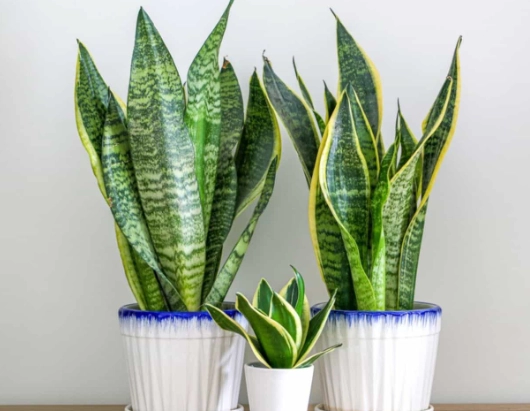
The most popular member is Dracaena trifasciata. You know the one: dark green leaves with lighter green horizontal bands. But the family is diverse.
You might find the cylindrical snake plant (Dracaena angolensis), with its smooth, round spikes that look like fat green pencils. Or the bird's nest types (Dracaena hahnii), which stay short and form a rosette. There are varieties with yellow edges ('Laurentii'), silvery-blue hues ('Moonshine'), and even compact, twisted leaves ('Twisted Sister').
They all share that tough, upright growth habit that gives them their serpentine nickname.
How to Care for Serpent Plants: A Step-by-Step Guide
Here's where the "easy" label leads people astray. They assume no care means any care. Not true. Think of them as low-maintenance, not no-maintenance.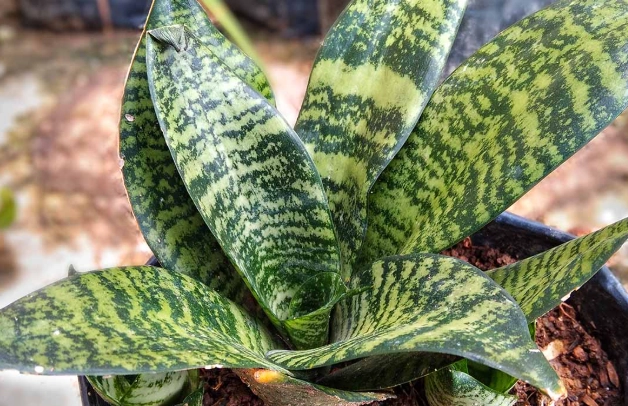
Light: They're More Flexible Than You Think
The biggest myth? "They love dark corners." No plant loves the dark. Serpent plants tolerate low light. There's a massive difference.
In a dim corner, they'll survive but grow painfully slow and may lose their vibrant variegation. For strong growth and good color, give them bright, indirect light. A few hours of gentle morning sun is fantastic. I have mine about two feet back from a south-east facing window, and it puts out new leaves constantly.
Just avoid harsh, direct afternoon sun in hot climates, which can scorch the leaves.
Watering: The Silent Killer
This is the number one reason serpent plants die. Overwatering. Their succulent roots rot quickly in soggy soil.
My rule? When in doubt, don't. Wait until the soil is completely dry all the way through the pot. Stick your finger in the drainage hole if you can. For a standard-sized plant in moderate light, this might mean watering every 3-6 weeks in winter and every 2-4 weeks in summer.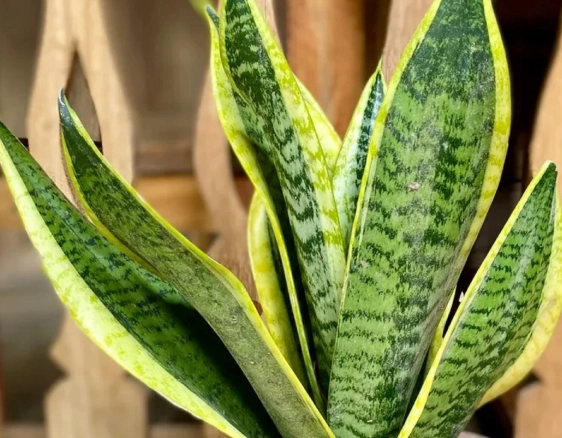
Water thoroughly until it runs out the bottom, then let all excess drain away. Never let it sit in a saucer of water.
Soil and Potting: Drainage is Everything
Regular potting soil holds too much moisture. You need a fast-draining mix. A good cactus or succulent potting mix is perfect. I often make my own by mixing two parts regular potting soil with one part perlite and one part coarse sand.
The pot must have a drainage hole. Non-negotiable. Terracotta pots are excellent because they wick away extra moisture.
They actually like being slightly root-bound. Don't repot too often—every 2-3 years is usually plenty.
Pro Tip from a (Past) Overwaterer: If you're nervous, get a wooden chopstick. Push it into the soil deep down, leave it for a minute, then pull it out. If it comes out clean and dry, it's time to water. If it has damp soil sticking to it, wait.
Temperature and Humidity: Easy Mode
Normal room temperatures (60-80°F or 15-27°C) are ideal. They dislike the cold. Keep them away from drafty windows in winter. Average household humidity is fine—they don't need the misting that fussier tropical plants crave.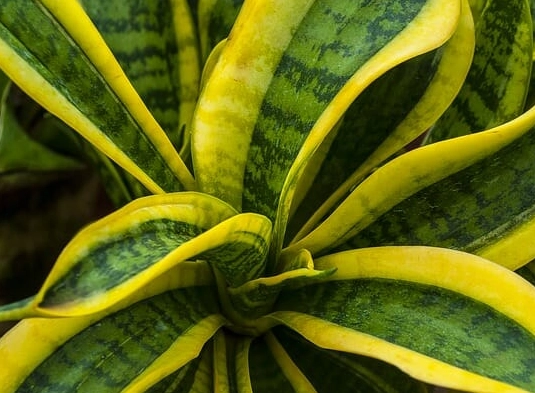
| Care Aspect | What They Like | What to Avoid |
|---|---|---|
| Light | Bright, indirect light. Tolerates low light. | Harsh, hot afternoon sun. |
| Water | Soak & dry method. Let soil dry completely. | Frequent watering, soggy soil. |
| Soil | Fast-draining cactus/succulent mix. | Heavy, moisture-retentive soil. |
| Pot | Pot with drainage hole (terracotta is great). | Pots without drainage holes. |
| Feeding | Half-strength balanced fertilizer in spring/summer. | Heavy feeding in fall/winter. |
The Top Benefits of Keeping Serpent Plants
Beyond just looking cool, these plants pull their weight.
Air Purification: This is the famous one. A landmark NASA Clean Air Study (you can look it up) found that snake plants can remove certain volatile organic compounds (VOCs) like benzene, formaldehyde, and trichloroethylene from the air. They do this through a process called phytoremediation. It's not a magic bullet—you'd need a jungle to fully clean your air—but every bit helps, especially in rooms with new furniture or carpets.
Oxygen at Night: Unlike most plants, serpent plants perform a type of photosynthesis called Crassulacean Acid Metabolism (CAM). They open their stomata at night to take in carbon dioxide and release oxygen. This makes them a popular choice for bedrooms, with the idea of slightly improving air quality while you sleep.
Mental Well-being: This is less scientific but just as real. The simple act of caring for a living thing, watching it grow a new leaf, adds a touch of calm and accomplishment to your day. A tough plant that doesn't die on you is a major confidence booster for new plant owners.
Architectural Decor: Their strong vertical lines work in modern, minimalist, or bohemian spaces. They add structure without clutter.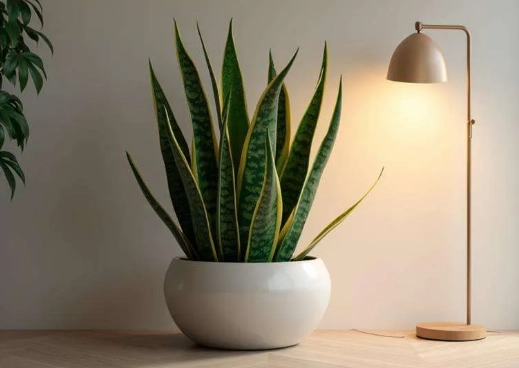
Common Serpent Plant Problems and Solutions
Even the tough ones have issues. Here's how to read the signs.
Soft, Mushy, Yellowing Leaves: Classic overwatering and root rot. Stop watering. Check the roots. Cut away anything brown and slimy. Repot in dry, fresh mix.
Brown, Crispy Leaf Tips: Usually low humidity or inconsistent watering (long droughts followed by a flood). Could also be a build-up of salts and minerals from tap water. Try using filtered or distilled water occasionally.
Leaves Falling Over or Bending: Often a light issue. The plant is stretching towards a light source (etiolation). Move it to a brighter spot. Can also be caused by overwatering weakening the leaf structure.
No New Growth: Could be low light, or it's dormant (winter). Could also be severely root-bound. Check if roots are circling the pot tightly.
Pests: They're relatively pest-resistant, but mealybugs or spider mites can appear, especially if the plant is stressed from overwatering. Wipe leaves with a cloth dipped in soapy water or use insecticidal soap.
Your Serpent Plant Questions Answered
So, are serpent plants the perfect beginner plant? Pretty close. Their tolerance for neglect is legendary, but their potential is unlocked with a little knowledge. Forget the "indestructible" hype. Treat them like the resilient, low-key succulents they are—give them bright light, forget to water them on purpose, and pot them in something that drains like a sieve. Do that, and you'll have a striking, architectural companion that might just outlive your interest in houseplants altogether. Mine has seen me through three apartments and countless other plant casualties. It just keeps going.

Comments