Let's be honest. Repotting any plant can feel a bit daunting. You're uprooting it, messing with its roots, and hoping it forgives you. With a Zygocactus (you might know it better as Christmas Cactus or Schlumbergera), that anxiety doubles. These aren't your average, tough-as-nails succulents. They're epiphytes from the Brazilian rainforests, which means they're used to clinging to trees, not sitting in soggy soil. Get the repotting wrong, and you might not see those spectacular holiday blooms for a while.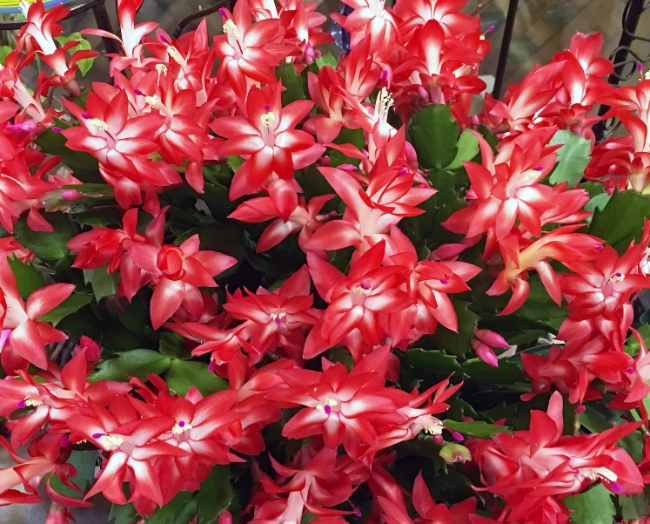
But here's the truth I've learned after years of growing (and sometimes struggling with) these plants: repotting is not the enemy. Neglecting to repot is. A root-bound Zygocactus in old, compacted soil is a stressed plant. It won't absorb water properly, nutrients become scarce, and growth stagnates. Doing it right, however, is like hitting the refresh button. It gives your plant room to breathe, access to fresh nutrients, and sets the stage for years of healthy growth.
The key isn't just following steps—it's understanding the why behind each one. Timing, soil, and aftercare matter more than the physical act of moving it to a new pot.
What's Inside This Guide
When is the Best Time to Repot Zygocactus?
This is the first place people go wrong. Repotting a Zygocactus while it's budding or in full bloom is a surefire way to trigger bud drop. The plant is putting all its energy into reproduction, not root repair.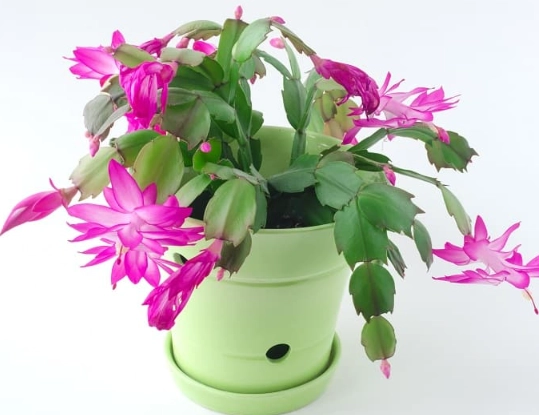
The absolute golden window is in the spring, after it has completely finished flowering. Think late March through May. The days are getting longer, growth is naturally resuming, and the plant has the entire growing season ahead to establish itself in its new pot.
Fall is a distant second option, but only if you must. Never repot in winter when it's resting, or in summer when heat stress is a factor.
How often? Every 2-3 years is usually sufficient. They don't mind being slightly root-bound, but don't let it go for five years. You'll know it's time if:
- Water runs straight through the pot without being absorbed (hydrophobic soil).
- Roots are visibly growing out of the drainage holes.
- The plant has become top-heavy and unstable.
- Growth has noticeably slowed despite proper care.
Pro Tip: I wait for a forecast of cloudy, mild days. Repotting on a scorching, sunny day adds unnecessary transplant shock. A gentle, overcast day is perfect.
Gathering Your Repotting Toolkit
Having everything ready before you start is half the battle. You don't want your plant's roots drying out while you search for the potting mix.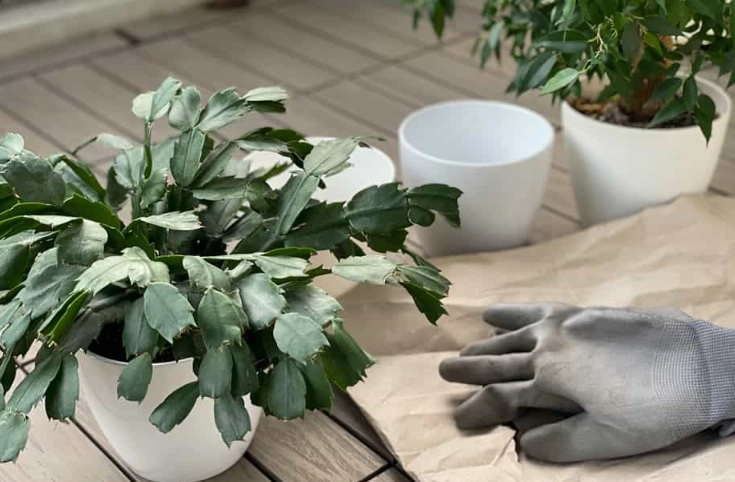
The Non-Negotiables
The New Pot: This is critical. Only go up one pot size. If your plant is in a 6-inch pot, move to an 8-inch. A pot that's too large holds excess moisture, which is the #1 killer of Zygocactus (root rot). Terracotta is fantastic because it's porous and helps wick away moisture. Plastic is fine if you're careful with watering. Ensure it has a drainage hole. No exceptions.
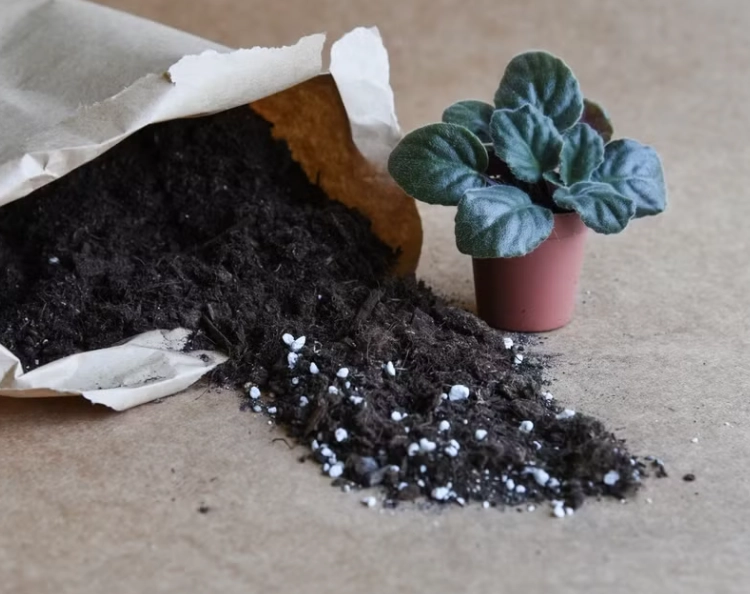
The Soil Mix: Do not use regular potting soil or cactus mix straight from the bag. They are often too dense. You need a sharply draining, airy, slightly acidic mix. Here's my go-to recipe, which I've tweaked over the years: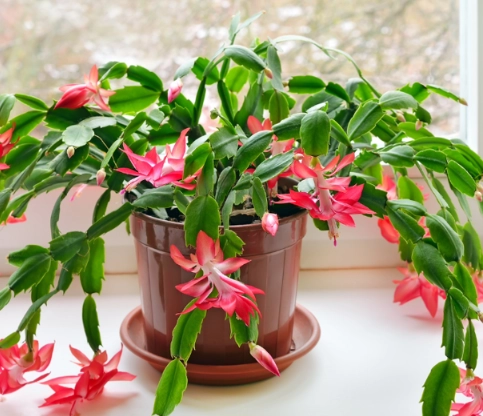
| Ingredient | Purpose | Approximate Ratio |
|---|---|---|
| Orchid Bark (Fine Grade) | Creates air pockets, mimics tree bark habitat. | 40% |
| Potting Mix (Peat-based) | Holds some moisture and nutrients. | 40% |
| Perlite or Pumice | Improves drainage, prevents compaction. | 20% |
| (Optional) A handful of Worm Castings | Provides gentle, organic nutrients. | A small scoop |
Other Tools: Newspaper or a tarp (for the mess), clean, sharp scissors or pruners (sterilized with rubbing alcohol), a trowel or scoop, and gloves if you're sensitive.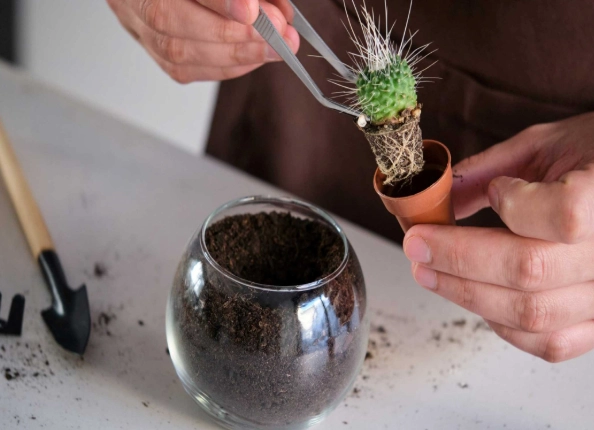
The Gentle Step-by-Step Repotting Process
Okay, you've picked a cloudy day, your supplies are laid out. Let's do this.
Step 1: The Dry Start
Water your Zygocactus 2-3 days before you plan to repot. Repotting with bone-dry roots can cause them to snap. Repotting with sopping wet soil is a muddy, messy disaster that can damage roots. Slightly moist is the goal.
Step 2: The Great Escape
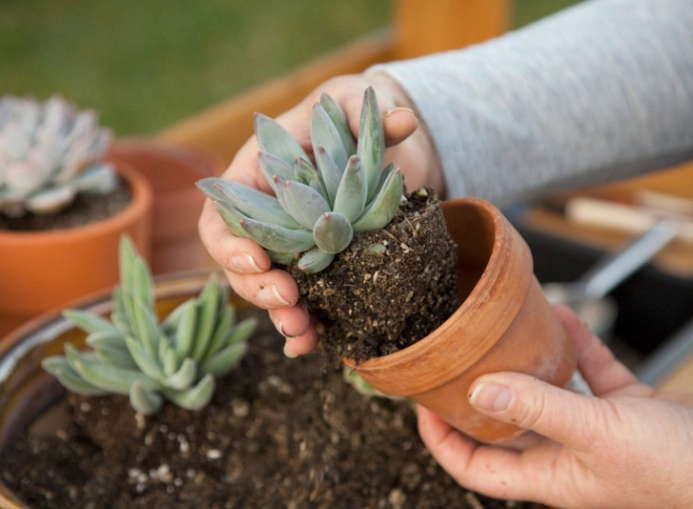
Lay the pot on its side. Gently squeeze the sides of a plastic pot or tap the rim of a clay pot against a table. The goal is to slide the entire root ball out in one piece. Don't yank the plant by its stems. If it's really stuck, you can run a knife around the inside edge.
Step 3: Root Inspection & Pruning (The Most Overlooked Step)
This is where you play plant doctor. Gently loosen the outer roots with your fingers. Shake off about a third of the old soil. Now, inspect.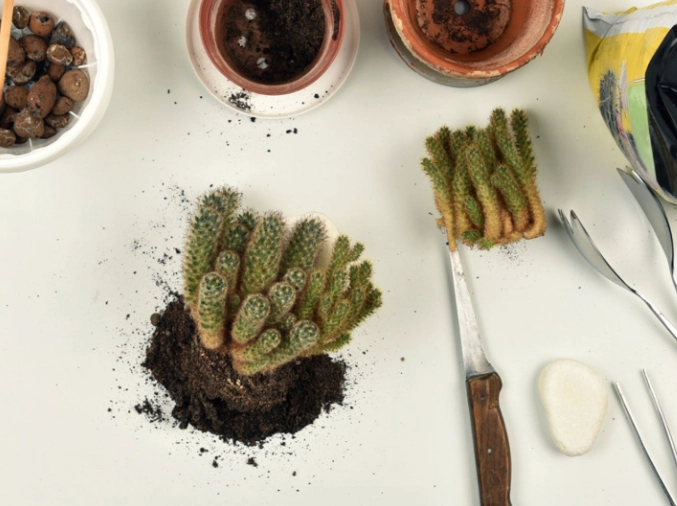
Look for roots that are dark brown/black, mushy, or smell bad—these are rotten and must be cut away with your sterilized scissors. Healthy roots are firm and light brown or whitish. Don't be afraid to prune up to one-third of the root mass if it's a tangled mess. It encourages new growth.
Common Mistake: Many guides say "tease the roots apart." Be incredibly gentle. These roots are more brittle than those of a Monstera or Fiddle Leaf Fig. Aggressive teasing does more harm than good.
Step 4: The New Home
Place a piece of broken pottery or a mesh screen over the drainage hole. Add a layer of your fresh potting mix to the bottom of the new pot. The depth should allow the top of the root ball to sit about an inch below the pot's rim.
Center your plant in the pot. It should sit at the same soil level it was before—never deeper. Holding it steady, start filling in around the sides with your mix. Gently tap the pot on the table to settle the soil. Don't pack it down hard; you want it airy.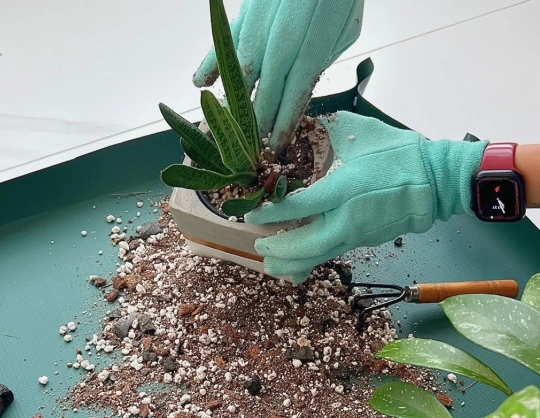
Step 5: The First (Non-)Watering
Here's my non-consensus advice: Do not water it immediately. I know, it's in every other guide. But those freshly cut roots are open wounds. Putting them in wet soil increases rot risk. Leave it dry, in bright indirect light, for 5-7 days. This gives the roots time to callous over. Then, give it a thorough, deep watering until it runs out the bottom.
Critical Post-Repotting Care (The Recovery Phase)
The job isn't done once the pot is filled. The next 4-6 weeks are a recovery period.
Light: Keep it in bright, indirect light. No direct sun for at least two weeks. Think of a spot near an east-facing window.
Watering: After that initial delayed watering, let the top third of the soil dry out before watering again. The plant's focus is on roots, not top growth, so it will use less water. Overwatering now is lethal.
Fertilizer: Hold off for at least 6-8 weeks. The fresh mix has nutrients, and fertilizer can burn new roots. When you start, use a balanced, diluted fertilizer.
Don't Panic at Leaf Drop: It's normal for a segment or two to yellow and drop after repotting. The plant is shedding a bit to focus energy below. If it's widespread, you likely have a watering or light issue.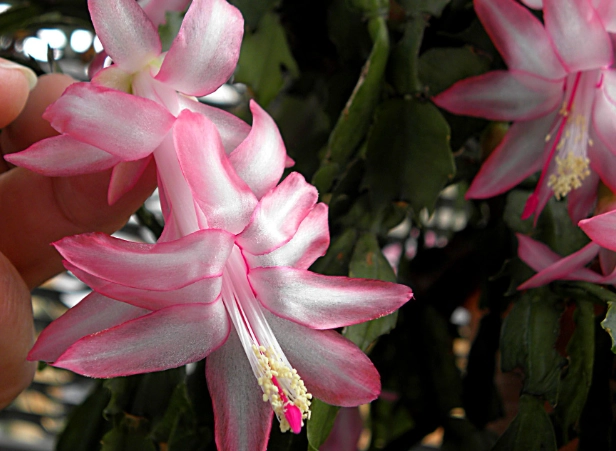
Troubleshooting: Your Repotting Questions Answered
My zygocactus hasn't bloomed since I repotted it. What did I do wrong?
This is often a timing or stress issue. If you repotted too late in the season (summer), it may have disrupted the bud set cycle. Also, if the plant spent too much energy recovering from root damage, it might skip a season. Ensure it gets the proper dark, cool period (around 12-14 hours of darkness and 50-55°F/10-13°C nights) for 6-8 weeks in the fall to trigger blooms. Next time, repot only in early spring.
The segments are getting soft and wrinkled after repotting. Is it thirsty or rotting?
This is a classic confusion point. Wrinkling can mean thirst, but if you've just repotted and watered, it's almost certainly the early stages of root rot. The damaged roots can't take up water, so the plant shows thirst signs while sitting in wet soil. Stop watering immediately. Unpot the plant, check for rot, cut it away, and repot in fresh, dry mix. Wait a full week before even thinking about water.
Can I divide a large, overgrown zygocactus when repotting?
Absolutely, and it's a great way to propagate. When you have the root ball out, look for natural divisions—clusters of stems that are loosely connected. You can gently pull them apart or use a clean knife to separate them, ensuring each division has a good chunk of healthy roots attached. Pot each division separately using the same process. They may take longer to bounce back than a simple repot, so be extra patient with watering and light.
I used a standard cactus/succulent mix. Why is my plant struggling?
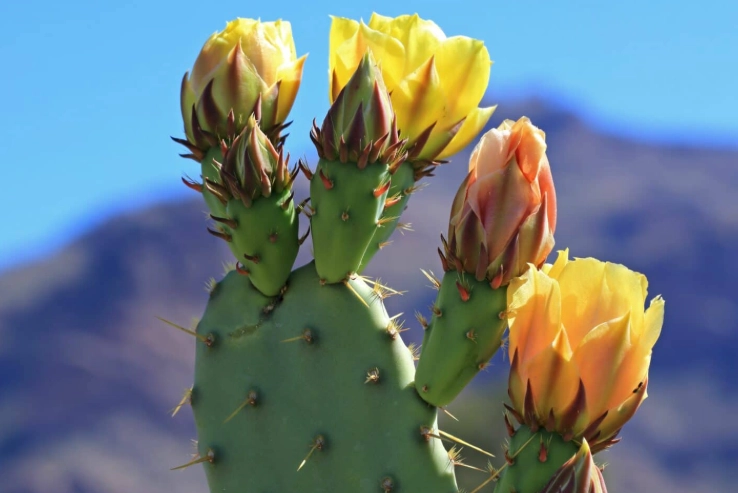
Most commercial cactus mixes are designed for desert cacti (like Opuntia) and contain a lot of sand and fine particles. They can compact over time and lack the chunky, airy structure epiphytic cacti like Zygocactus crave. The Missouri Botanical Garden, a leading horticultural authority, notes the importance of well-drained, organic matter-rich soil for Schlumbergera. Your mix might be holding too much moisture or suffocating the roots. Next time, amend it heavily with orchid bark and perlite.
How long until I should see new growth after repotting?
Give it a month. If you repotted in the ideal spring window and provided stable conditions, you should see plump, new segments (called phylloclades) forming at the ends of the stems by 4-6 weeks. This is the surest sign your plant has settled in and is happy.
Repotting your Zygocactus doesn't need to be a scary event. It's an act of care. By respecting its natural habits—giving it airy soil, a snug pot, and a gentle touch—you're not just changing its container. You're renewing its foundation for the next few years of growth and, hopefully, many more seasons of stunning, cascading blooms.
Comments