You brought home a kalanchoe, that cheerful pot of succulent leaves topped with clusters of bright flowers. It was perfect. For a while. Then maybe the blooms faded, the stems got long and spindly, and now it just sits there, green but stubborn. I've been there. I've killed my share of kalanchoes by treating them like a regular houseplant. The truth is, they're succulents with a specific personality, and once you crack their code, they're among the easiest, most rewarding flowering plants to keep indoors.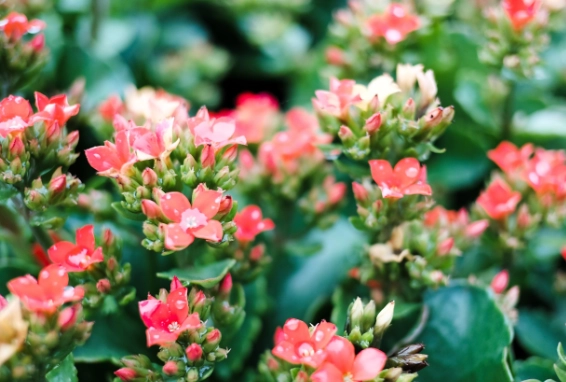
This isn't just another list of basic tips. We're going deep into the why behind the how, covering the mistakes I made so you don't have to, and answering the questions you're actually typing into Google.
What You'll Learn in This Guide
The Non-Negotiable Core Needs of Kalanchoe
Think of kalanchoe care as a three-legged stool: light, soil, and pot. If one leg is short, the whole thing topples.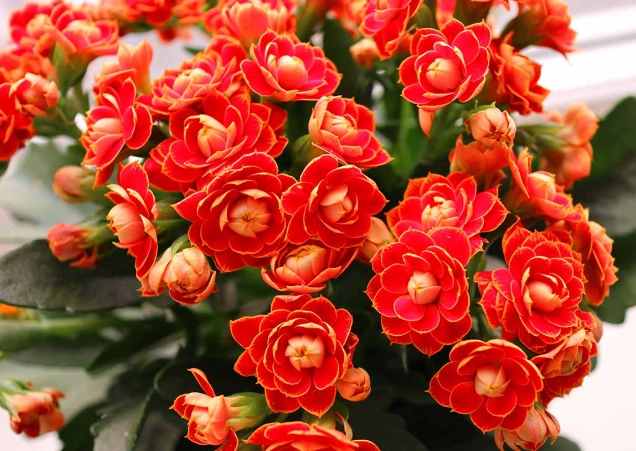
Light: It's All About Intensity, Not Just Duration
Here's a subtle error most guides miss. They say "bright, indirect light." For a kalanchoe, that's often not enough. These plants crave several hours of direct sunlight daily. A south or west-facing window is ideal. East can work, but north will almost always lead to stretching.
I had one in an east window that got "bright light" all morning. It survived, but it never thrived or re-bloomed. It was just... existing. Moving it to a spot with 4 hours of direct afternoon sun transformed it. The leaves became tighter, colors more intense.
Soil & Pot: The Foundation of Health
This is critical. Never use standard potting soil or moisture-retentive mixes. Kalanchoe roots need to dry out quickly. You need a fast-draining succulent or cactus mix. I make my own with 2 parts potting soil, 1 part perlite, and 1 part coarse sand. The goal is a mix that feels gritty.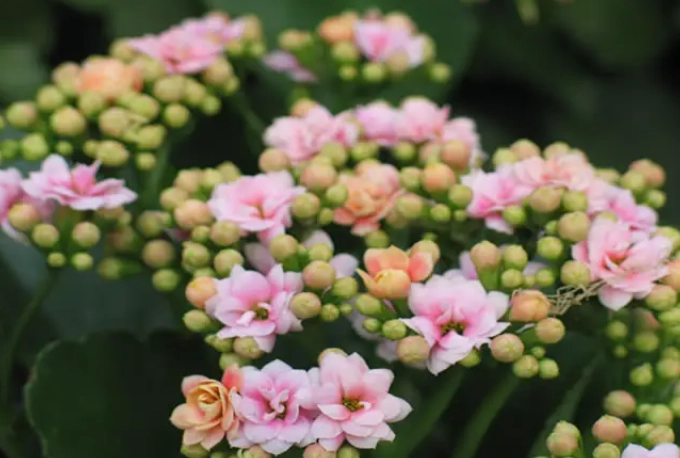
The pot matters just as much. Always use a pot with a drainage hole. Terracotta pots are fantastic because they're porous and wick away extra moisture. Size is key too—only repot into a container about 1-2 inches wider than the root ball. A pot that's too large holds wet soil for too long, inviting root rot.
How to Water Correctly (The Biggest Pitfall)
Overwatering is the #1 killer. It's not about a schedule ("every Tuesday"), it's about reading the plant and soil.
The Soak-and-Dry Method:
- Wait until the top 1-2 inches of soil are completely dry. Stick your finger in.
- When it's dry, take the plant to the sink and water thoroughly until water runs freely out the drainage hole. This ensures the entire root ball gets moisture.
- Let it drain completely. Never let it sit in a saucer of water.
- Now, wait again. In summer with more light, this might be every 7-10 days. In winter, it could be every 3-4 weeks.
The plant will tell you if it's thirsty. Leaves may become slightly softer or less rigid, but they shouldn't shrivel. Shriveling is a sign of severe thirst. Soggy, translucent, or blackening leaves and stems? That's overwatering and likely root rot.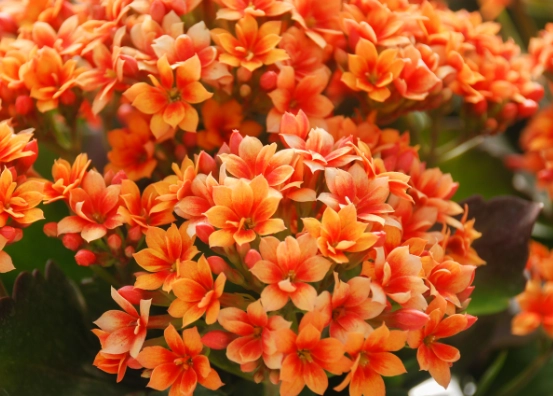
The Secret to Making Your Kalanchoe Bloom Again
This is the question everyone asks. Kalanchoes are "short-day plants," meaning they initiate flower buds when they experience long nights (over 12 hours of darkness). In our homes with evening lights, they never get the signal.
Here's the step-by-step trick to force reblooming:
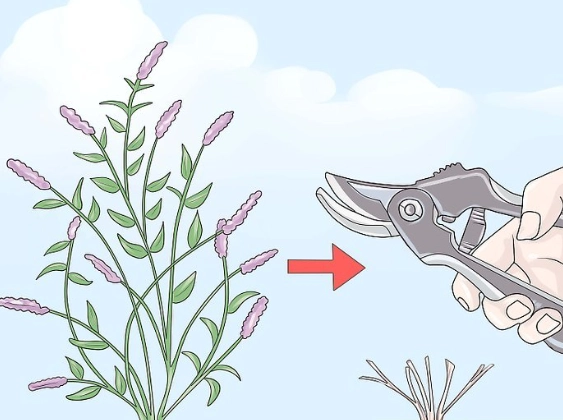
- 1. Prune First: After the last flowers fade, give the plant a light trim to remove spent flower stalks and encourage bushier growth.
- 2. The Darkness Treatment: For 6-8 weeks, provide 14 hours of uninterrupted darkness and 10 hours of bright light daily. This mimics their natural winter. A closet or a box placed over the plant from 6 PM to 8 AM works perfectly. No peeking with lights!
- 3. Resume Normal Care: Once you see tiny flower buds forming, you can stop the darkness treatment and return it to its normal sunny spot. Blooms should follow in a few weeks.
Without this darkness period, your plant may live happily as a foliage succulent, but it won't flower. It's not you, it's the photoperiod.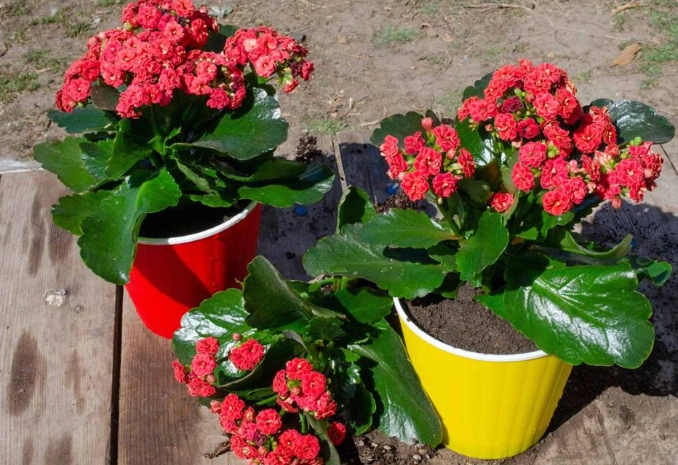
Fixing Common Kalanchoe Problems
Brown, Crispy Leaf EdgesUnderwatering, low humidity, or salt/fertilizer burn.Check watering frequency. Flush soil with water to remove salt buildup. Avoid misting.| Problem | Likely Cause | How to Fix It |
|---|---|---|
| Leggy, Stretched Stems | Insufficient light. | Move to a much brighter location. You can prune the leggy stems back by half to encourage bushier growth from the base. |
| Yellow, Mushy Leaves | Overwatering / Root Rot. | Stop watering immediately. Check roots. If brown/mushy, cut away rot, let plant callous, and repot in fresh, dry succulent mix. |
| No Flowers | Insufficient light or lack of darkness period. | Ensure bright direct light and follow the 6-8 week darkness treatment outlined above. |
| Mealybugs (White cottony spots) | Common pest on succulents. | Dab with a cotton swab dipped in rubbing alcohol. Isolate plant and repeat weekly. |
Beyond the Basic: Top Kalanchoe Varieties to Know
Kalanchoe blossfeldiana is the classic florist kalanchoe, but the genus is huge. Here are a few favorites with different care appeals:
- Kalanchoe blossfeldiana (Flaming Katy): The standard. Compact, comes in red, pink, yellow, orange, white. Perfect for the re-blooming project.
- Kalanchoe luciae (Flapjack/Paddle Plant): Large, flat, round leaves that blush brilliant red at the edges with enough sun. A stunning architectural plant that rarely flowers indoors.
- Kalanchoe tomentosa (Panda Plant): Fuzzy, silvery leaves with brown spots on the edges. Adorable and very drought-tolerant. Grows slowly.
- Kalanchoe daigremontiana (Mother of Thousands): Notorious for the tiny plantlets that grow on its leaf edges. They drop and propagate everywhere. Fascinating but can be weedy. Handle with care.
Your Kalanchoe Questions, Answered
The key to kalanchoe care is respecting its succulent nature. Give it brutal amounts of light, be stingy with water, and don't take its non-flowering personally—it just needs a long night's sleep. Follow these principles, and you'll move from keeping it alive to helping it truly thrive.

Comments