Let's cut to the chase. You want more aloe vera plants. Maybe you love the look, need the gel, or just want to give them as gifts. The good news? Propagating aloe is one of the easiest and most rewarding projects in houseplant care. Forget buying new ones. Your existing plant is a ready-made factory for creating clones.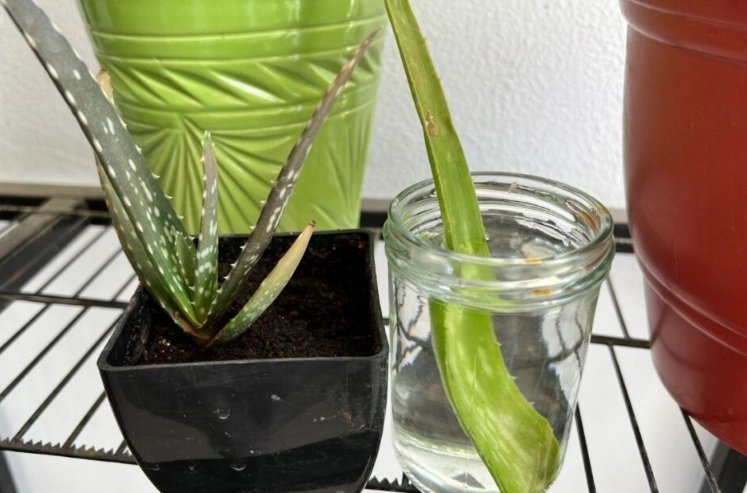
I've been doing this for over a decade, and I've seen every mistake in the book. The most common one? Rushing the process. Aloe propagation isn't hard, but it demands a specific kind of patience. Get it right, and you'll have a steady supply of new plants. This guide will walk you through the three main methods, but I'll be honest upfront: one is vastly superior for beginners. We'll also tackle the tricky stuff nobody talks about, like why your leaf cuttings keep turning to mush.
What You'll Learn in This Guide
Which Propagation Method is Right for You?
Not all methods are created equal. Your choice depends on your plant's condition and your patience level.
- Division (Separating Pups/Offsets): This is the champion. It's fast, reliable, and has a near 100% success rate. You need a mature aloe that has produced baby plants, called "pups."
- Leaf Cuttings: This is the tricky one. It's possible, but the failure rate is high for beginners. It's often a last resort if your main plant is damaged or leggy and hasn't produced pups.
- Seed: The slow-motion option. It's for hobbyists and hybridizers. It takes years to get a sizable plant. We'll mention it, but it's not practical for most people.
My advice? If your aloe has pups, always start with division. It mimics how aloe vera multiplies in nature, according to the University of Florida's gardening solutions. The plant has already done most of the work for you.
How to Propagate Aloe by Division (The Foolproof Method)
This is where most people succeed. Your mature aloe vera sends out lateral shoots that grow into miniature versions of itself. These are your golden tickets.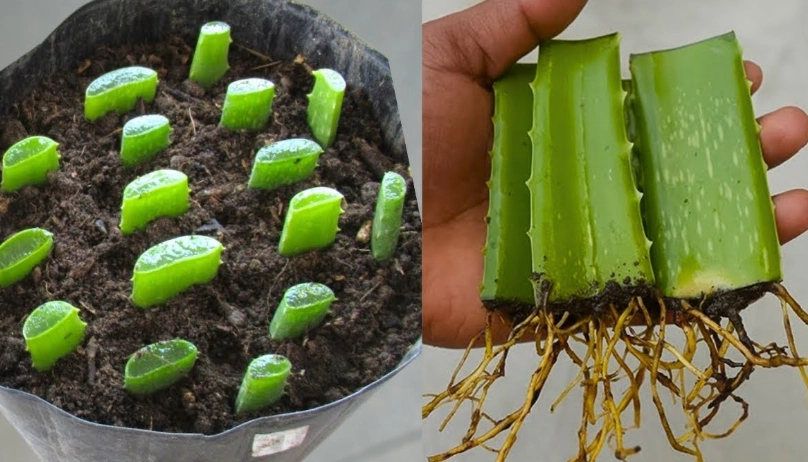
Step 1: Prepare Your Tools and Workspace
You don't need much. A clean, sharp knife or pair of pruning shears. Rubbing alcohol to sterilize the blade. Fresh potting mix for cacti and succulents. A few small pots with drainage holes. That's it. Sterilizing is non-negotiable—it prevents infection at the cut site.
Step 2: Identify and Separate the Pup
Look for pups that are at least one-fifth the size of the mother plant, with several sets of their own leaves. A tiny pup with just two leaves will struggle. Gently remove the entire plant from its pot and brush away the soil from the root ball. You'll see where the pup connects to the mother. Sometimes it's by a thick stem (stolon), sometimes roots are already intertwined.
Here's the expert tip most guides miss: If the connection is thin and the pup has its own roots, you can often twist it off gently with your hands. If it's a thick, woody connection, use your sterilized knife to make a clean cut. Try to preserve as many roots on the pup as possible. If it has none, don't panic. It can still grow them.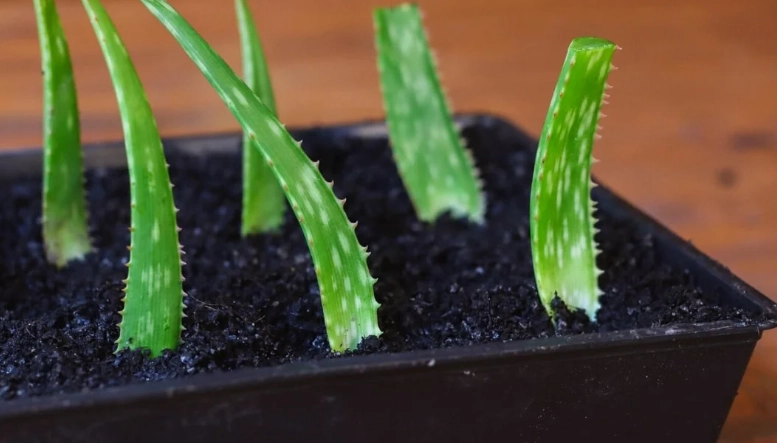
Step 3: The Crucial Drying Period
This is the step impatient gardeners skip, and it's why their pups rot. After separation, you must let the wound callous over. Place the pup in a warm, dry, shaded spot out of direct sun. Leave it there for 2 to 5 days. The cut end should look dry and sealed, not moist. No soil, no water. Just air.
Step 4: Potting and the Initial Wait
Plant the calloused pup in its small pot with dry succulent mix. Bury it just deep enough to stand upright. Do not water it. I repeat, do not water. Place it in bright, indirect light. Wait another 5-7 days before giving it a light watering. This forces the plant to focus on pushing out new roots in search of moisture. Watering too soon invites rot.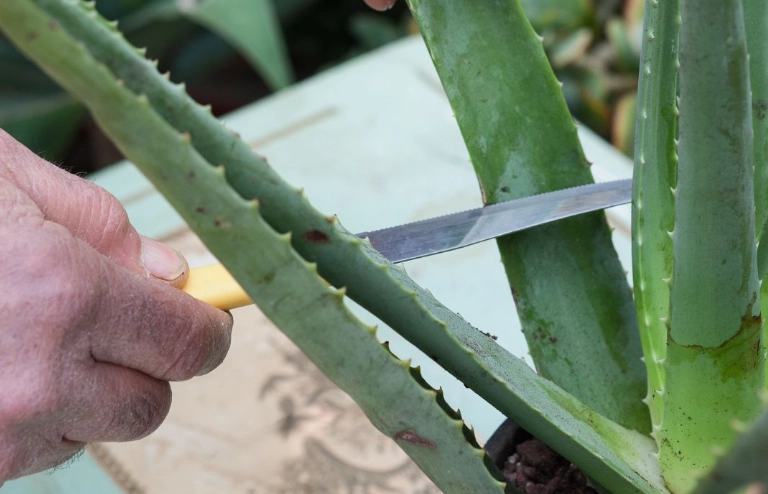
Can You Grow Aloe from a Leaf Cutting?
You can, but it's a gamble. The thick, watery leaves are prone to rotting before they root. It works better with some aloe species than others. For Aloe vera, it's a challenge.
If you want to try, here's how to maximize your odds:
- Choose a healthy, plump leaf from the outer part of the plant. Cut it cleanly at the base.
- Let the cut end dry and callous for at least one to two weeks. Yes, weeks. It needs to form a perfect seal. This is much longer than for a pup.
- Dip the calloused end in rooting hormone powder (this helps).
- Stick it about an inch deep into a pot of dry succulent mix. Use a stick to make the hole first so you don't rub off the hormone.
- Do not water. Wait. In 3-4 weeks, give the soil a very slight sprinkle. The goal is to keep the base of the leaf from sitting in moisture. Roots may take months to appear, and a new plantlet (a pup) will eventually sprout from the base.
I've had maybe a 40% success rate with leaves. It's a fun experiment, but don't bet your only plant on it.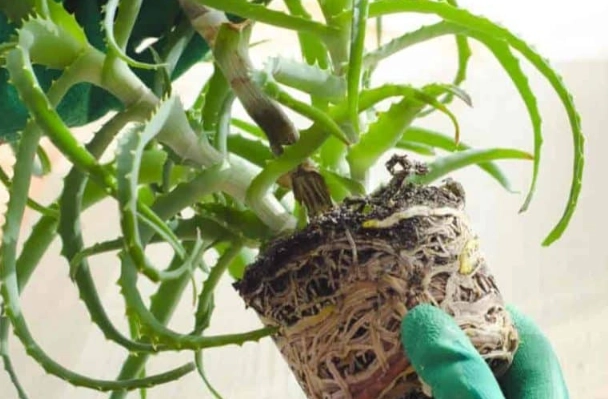
The Rare Path: Growing Aloe from Seed
This is the long game. You need seeds from a mature, flowering aloe (which is rare indoors). Sow them on the surface of a fine, moist seed-starting mix. Cover the tray with plastic to retain humidity and keep it warm (around 75°F or 24°C). Germination can take weeks. The seedlings are tiny and grow painfully slow. It's a project measured in years, not months.
Critical Care After Propagation
Your new aloe isn't out of the woods yet. The first few months are key.
Light: Bright, indirect light is best. No harsh afternoon sun for the first month—it can scorch the tender plant. A north or east-facing window is ideal.
Watering: This is the killer. The "soak and dry" method is gospel. Water thoroughly only when the soil is completely dry, all the way to the bottom of the pot. Then, let all excess water drain away. In winter, this might mean watering only once a month. Stick your finger in the soil. If it's damp, wait.
Soil and Pot: Always use a fast-draining mix. A standard potting soil will hold too much water and cause root rot. A terra cotta pot is better than plastic—it breathes and helps soil dry faster.
One personal observation: propagated aloes seem to go through a "teenage" phase where they look a bit awkward before filling out. Don't fuss over them. Neglect, with the right fundamentals, is often the best care.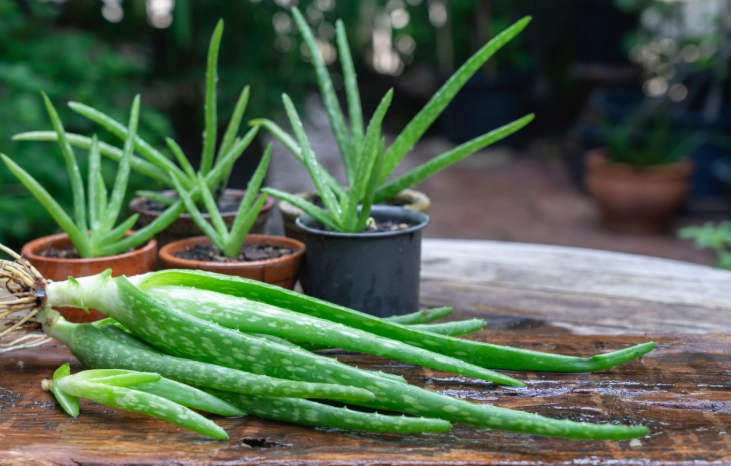
Your Propagation Problems, Solved
Why did my aloe leaf cutting turn brown and mushy instead of rooting?
Rot. It's almost always because the cutting wasn't allowed to callous long enough or was watered too soon. The leaf is full of moisture and has no roots to absorb water from the soil. Any wetness at the base creates a perfect environment for fungi. Next time, extend the drying period to two full weeks in a dry, airy spot. When you pot it, treat it like a cactus—ignore it.
I separated a pup, but the mother plant looks sad and wilted now. What did I do wrong?
You probably disturbed too much of the root system or removed too many pups at once. The mother plant is in shock. Don't water it on a schedule. Check the soil moisture and only water when it's bone dry. Place it in stable, bright light and avoid moving it. It should recover in a few weeks as it re-establishes its roots. Next time, consider repotting the entire clump and gently teasing pups away rather than a brutal extraction.
How long does it take for a separated aloe pup to start growing noticeably?
Patience is key. You might not see any top growth (new leaves) for 4 to 8 weeks. The plant is busy underground establishing a root system. A good sign it's working is if the existing leaves feel firm and plump, not shriveled. If the pup is just sitting there but not dying, you're likely on the right track. Growth accelerates once the roots are settled.
My newly potted aloe pup's leaves are turning brown or reddish. Is it dying?
Not necessarily. This is often a stress response to intense light or a slight change in conditions. Aloes produce pigments like anthocyanins as a sunscreen. Move it to a spot with slightly less direct sun. However, if the browning is soft and spreading from the base, it's rot—likely from overwatering. Assess the texture. Firm and discolored? Light stress. Soft and mushy? Water stress.
Can I propagate an aloe plant that has become long and leggy (etiolated)?
Absolutely. This is a great way to reset an ugly plant. You have two options. First, if it has pups at the base, propagate those as normal and give the mother plant much stronger light. Second, you can behead it. Cut off the top rosette (leave about 6 inches of stem), let it callous for a week, then plant it as a large cutting. The old stump may even produce new pups. The leafless stem piece can sometimes be laid on soil to produce pups as well. It's drastic but effective.
The final word? Start with pups. Be clean, be patient with the callousing, and be stingy with the water. Propagating aloe vera is less about having a green thumb and more about understanding its desert logic. Give it conditions that mimic a dry, bright recovery period after a natural division event, and you'll be passing out aloe plants to friends and family in no time.

Comments