You've noticed your aloe vera getting crowded. Pups are popping up everywhere, the main plant looks cramped, or maybe it's just been years in the same soil. The thought of transplanting it might make you nervous. What if you damage the roots? What if it dies? I've been there. After killing my fair share of succulents by being too gentle (and too hasty), I learned that transplanting aloe vera is more about timing and restraint than complex skill. Let's walk through it together.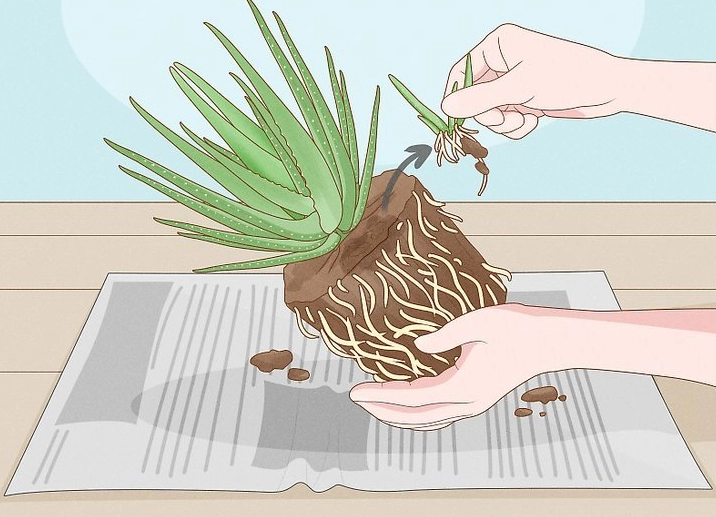
What You'll Find in This Guide
When to Transplant Your Aloe Vera
Timing is everything. Get this wrong, and you're fighting an uphill battle.
Transplant in late spring or early summer. This isn't just a suggestion—it's the rule. Your aloe is entering its prime growing season. Warm temperatures and longer days give it the energy to repair roots and settle into its new home quickly. Transplanting in fall or winter, when growth slows to a crawl, means a minor root injury can sit there for weeks, inviting rot.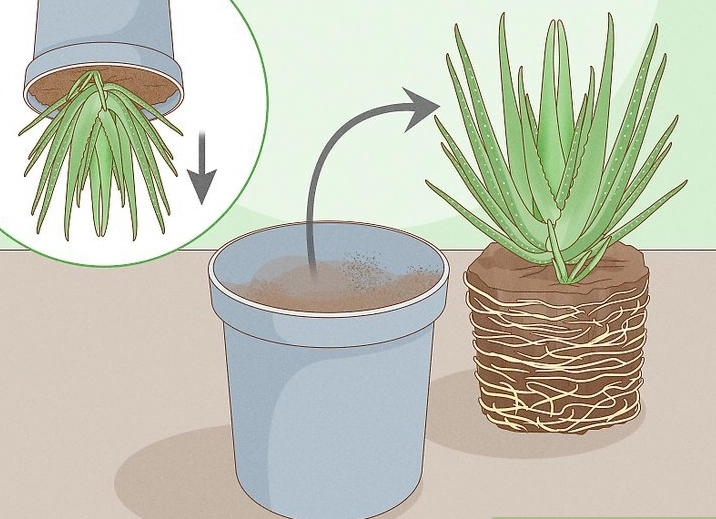
But how do you know it's needed? Look for these signs:
- Pups Galore: The pot is overflowing with baby plants (offsets).
- The Rise and Tip: The main plant is so top-heavy it's starting to lean or even tip the pot over.
- Roots on the Run: You see roots growing out of the drainage holes or creeping over the top of the soil.
- Stalled Growth: Despite good light, it hasn't put out new leaves in over a year. The soil is likely exhausted.
Pro Tip: If your plant is desperately root-bound but it's the middle of winter, hold off. Improve its light situation and wait for spring. A stressed transplant in poor conditions rarely ends well.
Gathering Your Supplies: The Right Pot & Soil
Using the wrong materials here is the most common beginner mistake. Let's get it right.
The Pot: Drainage is Non-Negotiable
Your number one priority is a pot with at least one drainage hole. Terra cotta (clay) pots are fantastic for aloe vera. They're porous, which allows the soil to dry out faster and prevents the roots from sitting in moisture. A glazed ceramic or plastic pot can work too, but you must be extra careful with watering.
Size matters. The biggest error is choosing a pot that's too large. Aloe vera likes to be slightly root-bound. Move up only 1-2 inches in diameter from the current pot. A giant pot holds too much wet soil for the small root system to use, creating a soggy environment perfect for rot.
The Soil: It's All About the Grit
Regular potting soil is a death sentence. It holds too much water. Aloe vera needs a fast-draining, gritty mix.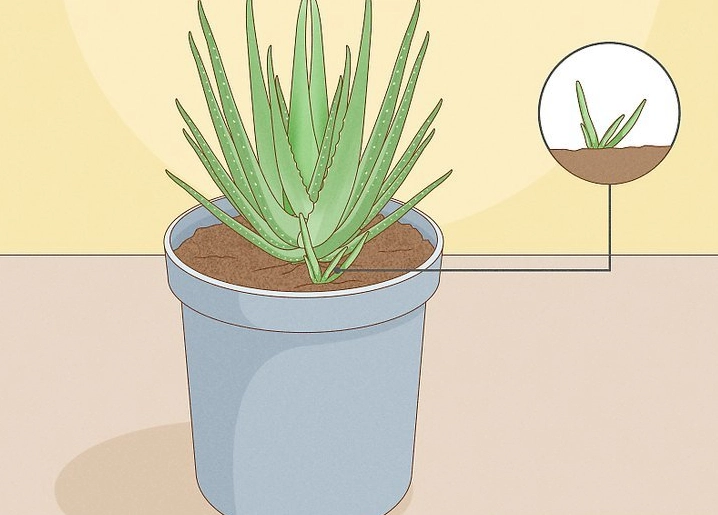
You have two great options:
- Pre-Mixed Cactus & Succulent Soil: This is the easy button. Brands like Miracle-Gro or Espoma make decent ones. For even better drainage, I mix 2 parts of this store-bought mix with 1 part perlite or coarse sand.
- The DIY Gritty Mix (My Preference): For ultimate control, mix equal parts:
- Potting soil (a basic, peat-based one)
- Coarse sand (horticultural or builder's sand, not fine play sand)
- Perlite or pumice
The Step-by-Step Transplant Process
Here's the moment. Set aside 30 minutes and work on a surface you can get dirty.
Step 1: The Dry Out
Do not water your aloe before transplanting. You want the soil bone dry. This makes the root ball firmer and easier to handle, and dry roots are less brittle and prone to tearing.
Step 2: Gentle Extraction
Lay the pot on its side. Gently squeeze and flex a plastic pot to loosen the soil. For a rigid pot, you may need to run a butter knife around the inside edge. Tilt and coax the plant out. Never pull hard on the leaves. If it's truly stuck, you might need to break a cheap plastic pot.
Step 3: Root Inspection & Pup Separation
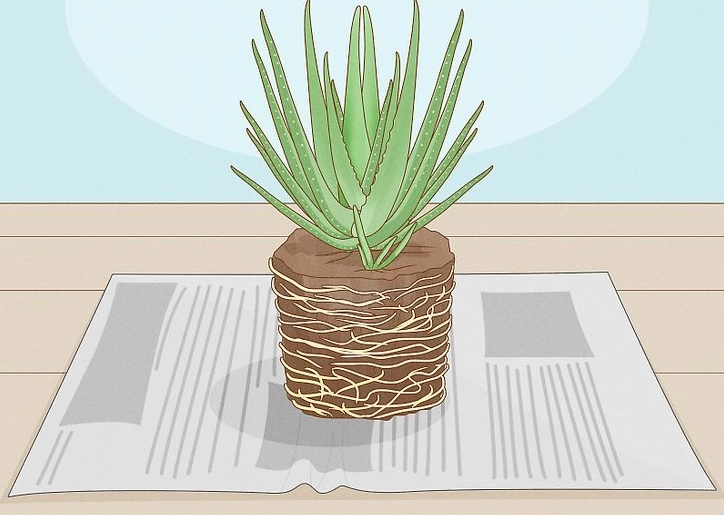
Now, gently brush away the old soil from the root ball. This is your chance to check for health. Healthy roots are firm and light-colored. Mushy, dark brown or black roots are rotten—snip them off with clean scissors.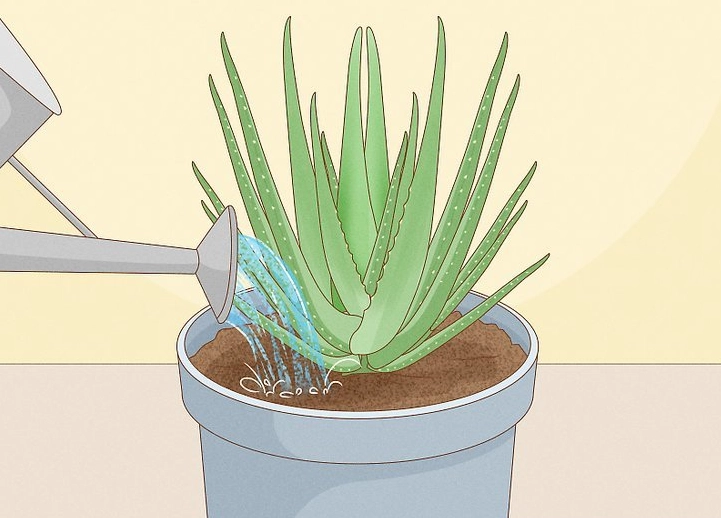
Separating Pups: Look for the baby plants connected to the mother by a stem or runner. If they're a good size (about 3-4 inches tall), you can separate them. Sometimes you can twist them off gently. If they're stubborn, use a clean, sharp knife to make a clean cut, ensuring the pup takes some roots with it. Let any cut surfaces air dry for a day before potting them separately. This callusing prevents rot.
Common Pitfall: People are too timid here and leave most of the old, compacted soil around the roots. You need to remove a significant amount (up to half) to allow the roots to spread into the fresh, airy new mix. Be gentle but thorough.
Step 4: Potting Up
Place a piece of broken pottery or a coffee filter over the drainage hole to keep soil in. Add a layer of your fresh potting mix to the bottom. Hold the aloe vera in the center of the new pot at the height you want it to sit. The base of the leaves should be just below the pot's rim. Now, backfill with soil around the roots.
Here's the key: don't pack the soil down. Tap the pot on the table to settle the mix, and add more as needed. You want it loose and airy.
Step 5: The Most Important Step – Do Nothing
This is where almost everyone messes up. Do not water your newly transplanted aloe vera. I repeat, do not water it.
Place it in a spot with bright, indirect light (no direct, harsh sun yet). Leave it completely dry for 5 to 7 days. This gives any tiny root injuries time to callus over. Watering immediately pushes wet soil against open wounds, inviting fungal rot. Patience here saves plants.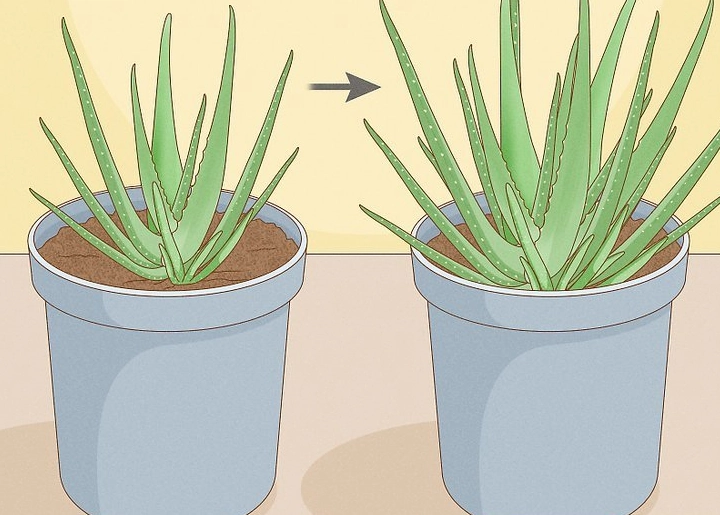
Post-Transplant Care: The Critical First Weeks
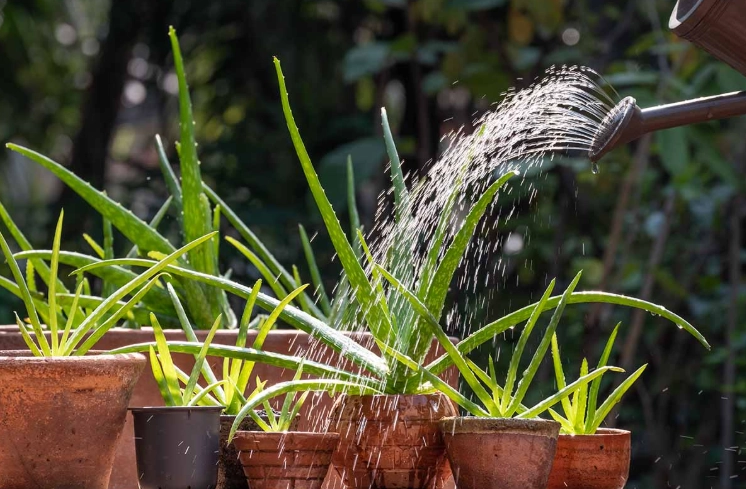
After the waiting period, give it a thorough watering until water runs freely from the drainage hole. Then, let it dry out completely again before the next watering. This might take 2-3 weeks in the new, well-draining soil.
Hold off on fertilizer for at least two months. The fresh soil has nutrients, and the plant is focused on root growth, not top growth.
Resume its normal bright light conditions gradually. If it was in direct sun before, acclimate it over a week to prevent sunburn on the stressed plant.
Troubleshooting Common Transplant Problems
- Leaves Turning Brown or Mushy: Almost always overwatering, especially if you watered too soon. Stop watering immediately. Check the roots for rot. You may need to unpot, cut away rot, and start over with drier soil.
- Leaves Turning Red or Brown and Thin: This is often sunburn or transplant shock. Move to bright, indirect light and ensure you're not underwatering excessively.
- Plant is Wobbly: The roots haven't anchored yet. This is normal for the first few weeks. You can use a few small rocks on the soil surface for support, but avoid staking unless absolutely necessary.
Your Transplant Questions Answered
 Transplanting your aloe vera isn't about having a green thumb—it's about understanding what the plant needs to avoid stress. Get the timing right, use gritty soil, choose a pot with a hole, and have the discipline to not water immediately. Do those things, and you'll not only save a crowded plant, you'll multiply your aloe collection. Those pups make fantastic, thoughtful gifts. Now go give your spiky friend some new room to grow.

Comments