Succulents have this reputation for being unkillable. You see them everywhere—cute little shops, trendy offices, Instagram feeds. They look so plump and content. Then you bring one home, and within months it's either a mushy mess or a stretched-out, pale imitation of its former self. What gives?
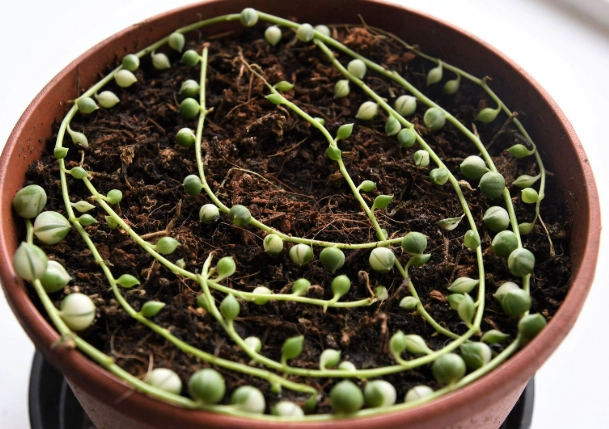
The truth is, succulent care is simple, but it's not intuitive. They don't play by the same rules as your peace lily or pothos. Their needs are specific, and getting just one thing wrong—usually watering—can start a chain reaction. I've killed my share. A beautiful Echeveria 'Perle von Nurnberg' turned to soup because I loved it too much (with water). A String of Pearls that just gave up. But over a decade, those failures taught me more than any generic guide ever could.
This isn't about following a strict schedule. It's about understanding how these plants live and adapting your habits to match. Let's get into it.
What's Inside?
The #1 Killer: Watering Mistakes & How to Fix Them
If you remember one thing, let it be this: overwatering is a faster death sentence than underwatering. A thirsty succulent can bounce back. A rotten one rarely can.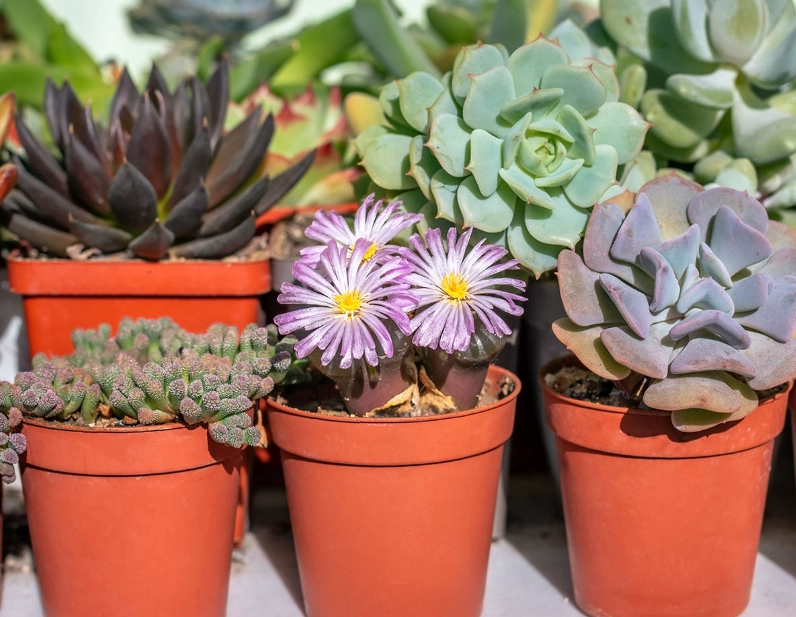
The biggest mistake is watering on a schedule. Every Tuesday? Nope. The plant doesn't know what day it is. Soil dries at different rates based on humidity, temperature, light, and pot material.
Forget the calendar. Your watering cue should come from the plant and the soil, not your phone reminder.
How to Water Correctly: The Soak & Dry Method
When you do water, do it properly. Dribbling a little water on the surface encourages weak, shallow roots. You want to encourage deep, robust roots.
- Check for Thirst: Stick your finger an inch into the soil. Is it bone dry? Is the pot feeling light when you lift it? For fat-leaved types like Jade Plants, give a lower leaf a gentle squeeze. If it's firm, wait. If it has a little give, it's time.
- Soak Thoroughly: Take the pot to the sink. Water slowly and evenly until water flows freely out of the drainage hole. I mean it—keep pouring for a few seconds after you see it run out. This ensures the entire root ball is saturated.
- Drain Completely: This is non-negotiable. Let the pot sit in the sink or on a draining rack until no more water drips out. Never let your succulent sit in a saucer of water.
- Wait for Drought: Now, walk away. Don't water again until the soil is completely dry again. This cycle of drought between waterings is what keeps the roots healthy.
In winter, when growth slows and light is lower, this drought period might stretch to 4-6 weeks or more. In a hot, bright summer, it might be every 10-14 days.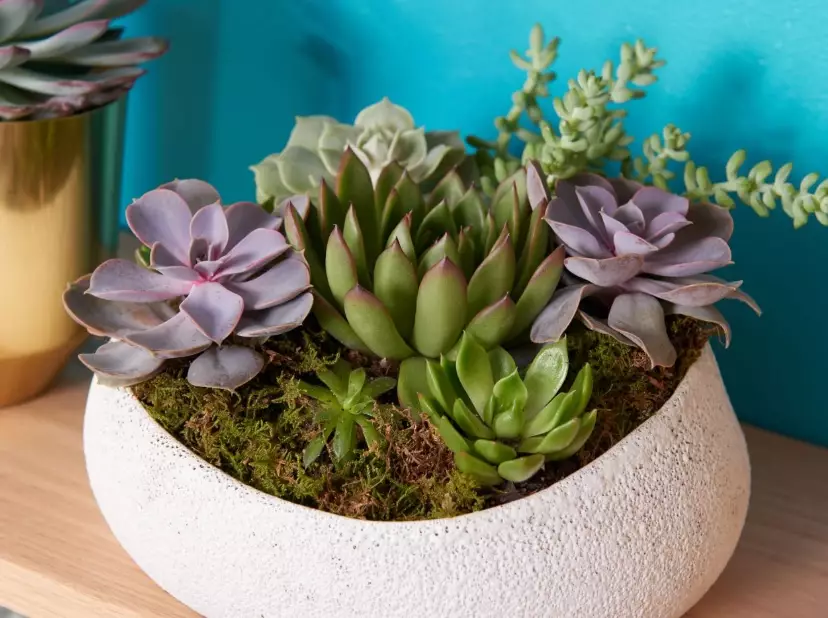
Finding the Light Sweet Spot
Light is their food. Without enough, they get "leggy" or etiolated—stretching out with pale leaves and large gaps between them. It's a survival move, but it looks sad and weakens the plant.
Most succulents crave bright, direct light for at least 4-6 hours a day. A south or west-facing window is ideal in the Northern Hemisphere. But here's the nuance many miss: through a window is not the same as outdoors. Glass filters some intensity. A plant that can handle full sun outside might still get scorched by intense afternoon rays magnified through a hot windowpane.
| Succulent Type | Ideal Indoor Light | Signs of Too Little Light | Signs of Too Much Light |
|---|---|---|---|
| Echeveria, Sedum, Graptopetalum | Brightest spot you have (South/West window) | Stretching, flattening of rosette, pale color | Bleached, white, or brown crispy patches |
| Haworthia, Gasteria, Sansevieria | Bright, indirect light (East window or shaded South) | Slow growth, loss of vibrant patterns | Reddish/brown stress colors, dry leaf tips |
| Cacti (most desert types) | Maximum direct light (South window) | Thinning top growth, leaning toward light | Yellowing or scorching on the sun-facing side |
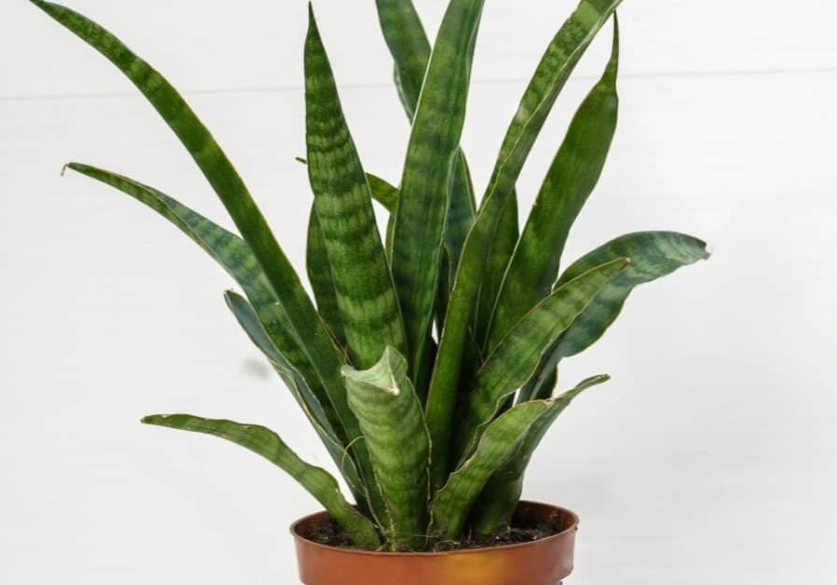
If you only have lower light, choose your plants wisely. A Snake Plant or a ZZ Plant will be far happier than an Echeveria. Consider supplementing with a grow light. A simple, inexpensive LED panel a few inches above the plants for 12-14 hours a day can work wonders.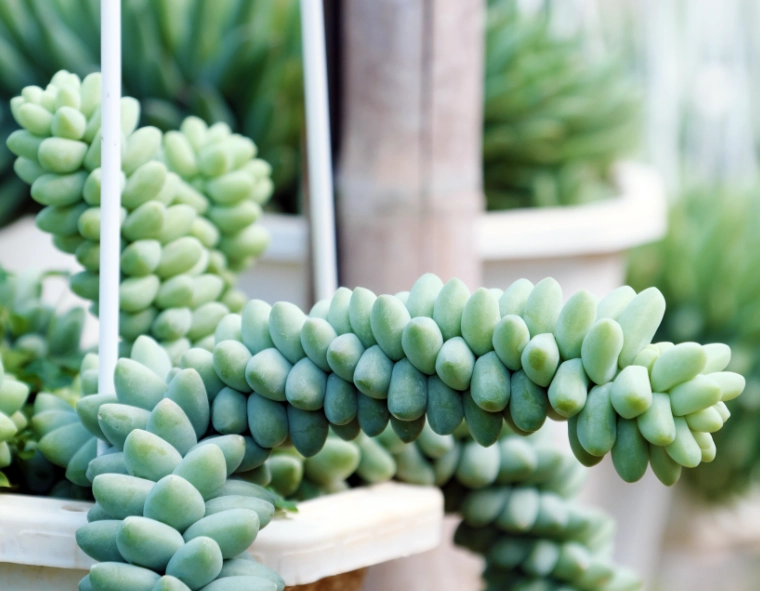
It's All About the Foundation: Soil & Container
That dense, moisture-retentive potting soil your other plants love? It's a death trap for succulents. Their roots need oxygen and hate being wet for long.
You need a gritty, fast-draining mix. You can buy a bag labeled "cactus & succulent mix," but honestly, most commercial brands still hold too much water. I always amend them.
My Go-To DIY Mix: 1 part regular potting soil + 1 part perlite or pumice + 1 part coarse sand (horticultural grit, not beach sand). This creates air pockets and lets water flash through. For plants like Lithops or in very humid climates, I'll do 2 parts inorganic (perlite/pumice) to 1 part soil.
The pot matters just as much. Drainage holes are mandatory. Terracotta pots are the classic choice for a reason—they're porous, which helps soil dry out faster and gives you a bigger margin for error. Glazed ceramic or plastic pots retain moisture longer, so you must be even more careful with watering.
Size is key too. A tiny plant in a huge pot means a huge volume of wet soil around a small root system. It can't drink it fast enough, so the soil stays soggy. Repot into a container that's just 1-2 inches wider than the root ball.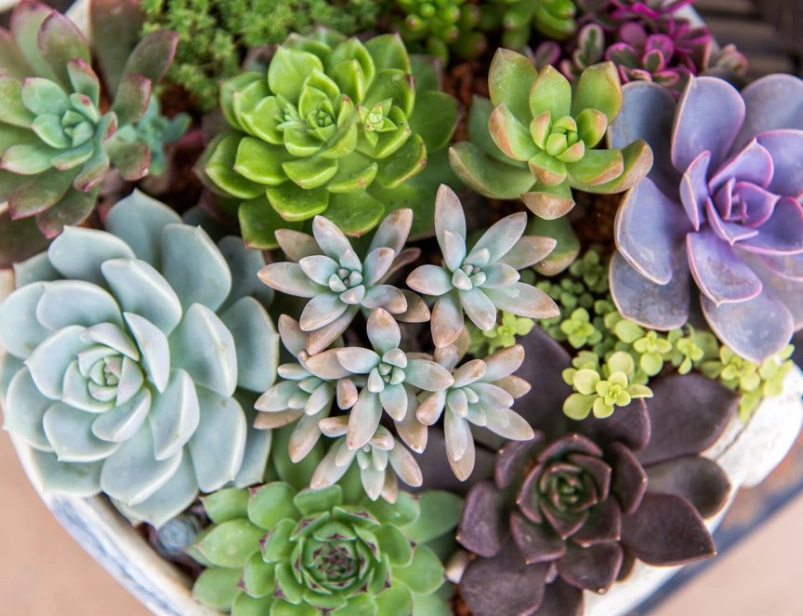
Beyond Basics: Repotting, Propagation & Problem-Solving
When and How to Repot
Repot every 2-3 years, or when you see roots growing out of the drainage hole. Spring or early summer is the best time. Gently remove the old soil, check the roots (snip off any black or mushy ones), and plant in your fresh, dry mix. Wait a week before watering to let any disturbed roots heal.
The Joy of Propagation
This is the fun part. Many succulents can grow from a single leaf.
- Leaf Propagation: Gently twist a healthy leaf from the stem. Let it sit out for 2-3 days until the broken end callouses over. Then, just lay it on top of dry soil. Mist the soil lightly every few days. In a few weeks, tiny roots and a baby plant will appear. Don't bury it.
- Stem Cuttings: For leggy plants, cut the top off with a clean knife. Let it callous for a few days, then stick the stem into soil. Water normally once you feel resistance when you give it a gentle tug (meaning roots have formed).
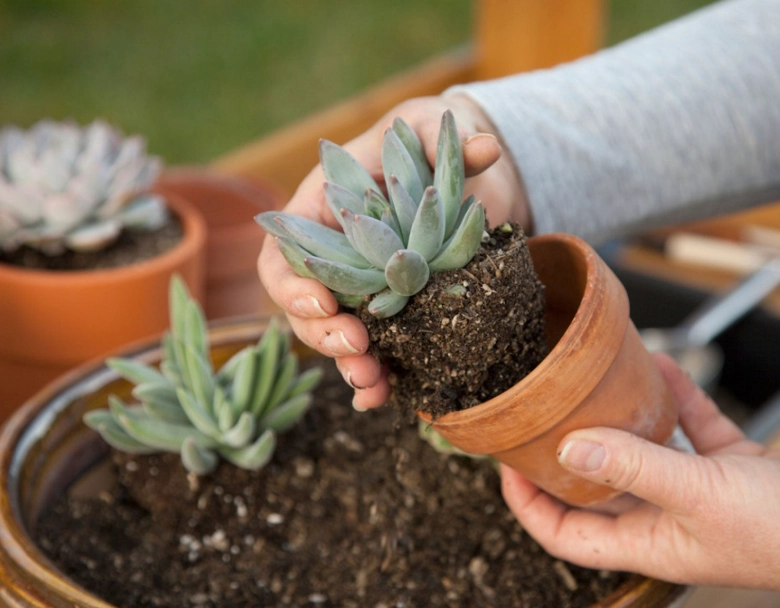
Reading the Leaves: Common Problems
Your plant talks to you through its leaves.
Soft, Translucent, Yellowing Leaves Falling Off: Classic overwatering/root rot. Stop watering immediately. Check the stem. If it's black and mushy, you might need to behead the plant above the rot and propagate the top.
Dry, Shriveled, Crispy Leaves: Underwatering. The plant is consuming its own stored water. Give it a good soak.
Brown, Scabby Patches: Sunburn. Move to a spot with gentler light.
White, Cottony Fluff: Mealybugs. Isolate the plant. Dab the bugs with a cotton swab dipped in rubbing alcohol. Check crevices and under leaves.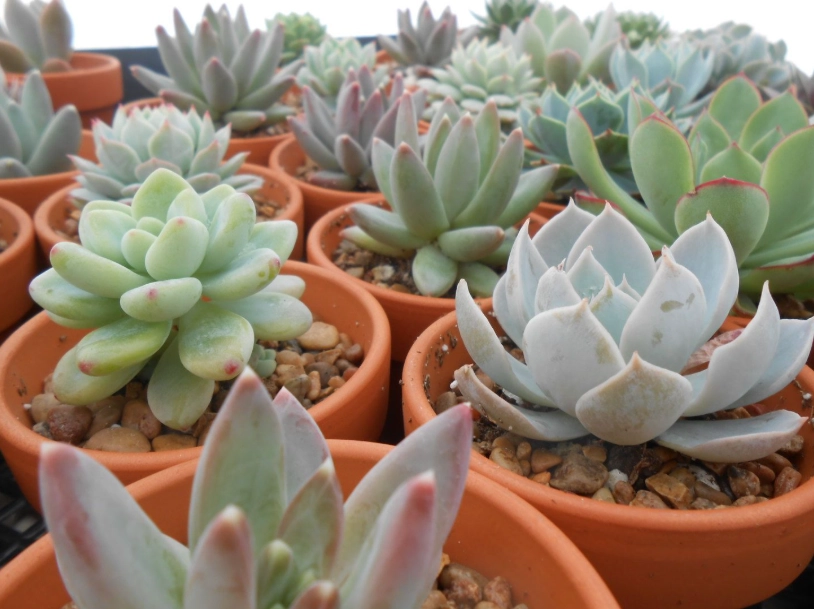
Your Quick Succulent FAQs
The key to succulent care is patience and observation. They are slow-living plants. Don't fuss over them daily. Set them up with good light and soil, water deeply but infrequently, and then mostly just enjoy them. When you stop treating them like a needy pet and start treating them like the resilient, drought-adapted wonders they are, that's when you both start to thrive.

Comments