If you're asking yourself "how do I propagate aloe vera," you've come to the right place. I've been growing succulents for over a decade, and aloe vera is one of the easiest plants to multiply. In this guide, I'll walk you through the best methods, share personal mishaps, and give you tips that most blogs skip. Let's get started.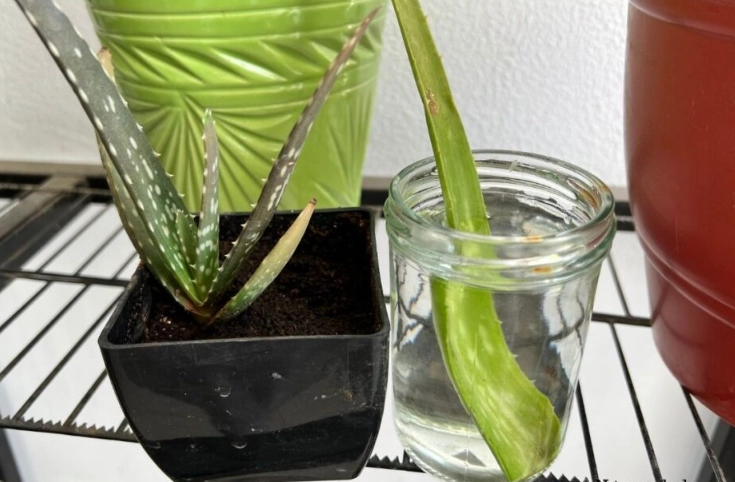
Quick Navigation
Why Should You Propagate Your Aloe Vera?
Propagating aloe vera isn't just about getting free plants—though that's a nice bonus. It helps keep the parent plant healthy by reducing crowding. I've seen mature aloes struggle when pups are left attached, sucking up nutrients and space. Plus, sharing propagated aloes with friends is rewarding. Think of it as plant parenting on a budget.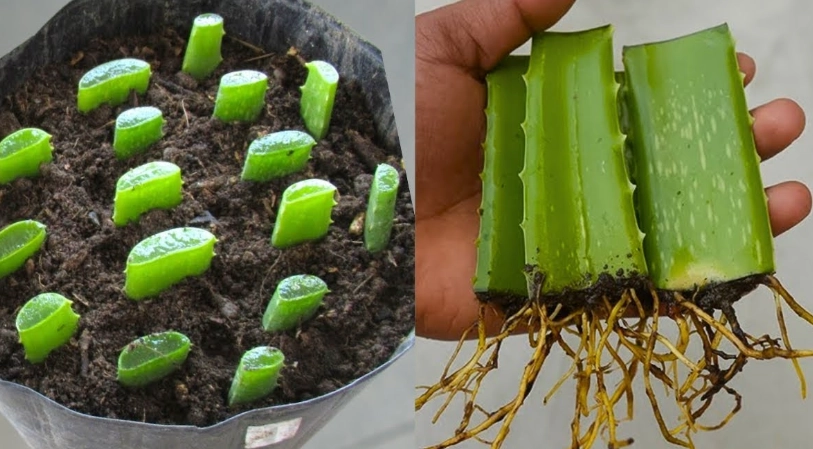
Another reason: aloe vera is resilient, but over time, older plants can become leggy or develop issues. Propagation gives you a fresh start. From my experience, new pups often grow more vigorously than the parent, especially if you've learned from past care mistakes.
Methods for Propagating Aloe Vera
There are two main ways to propagate aloe vera, but one is far more reliable. Let's break them down.
Using Aloe Vera Pups (The Foolproof Method)
Pups, also called offsets, are baby plants that grow from the base of the mother aloe. This is the go-to method because it mimics how aloe spreads naturally. I've propagated dozens of aloes this way, with a success rate near 100% when done correctly. Pups already have roots or are ready to develop them, making the transition smooth.
Trying Leaf Cuttings (The Risky Approach)
Some guides suggest propagating from leaf cuttings, but I'll be honest—it rarely works for aloe vera. Unlike other succulents, aloe leaves contain a gel that often leads to rot before roots form. I've tried it multiple times, and most cuttings just turned to mush. Save yourself the frustration and stick with pups.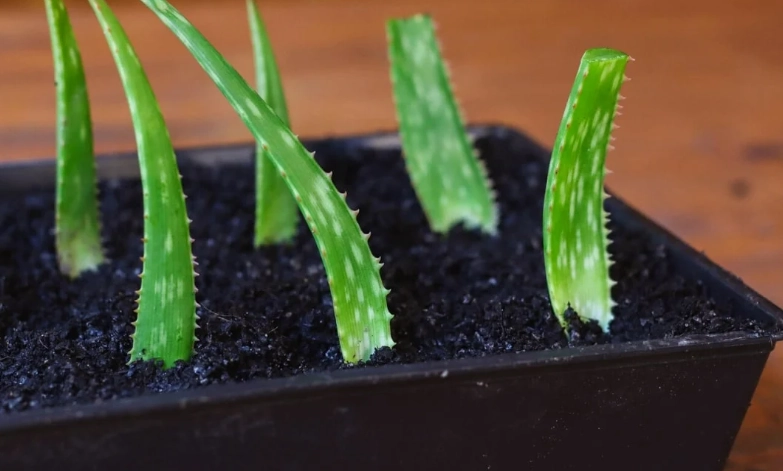
| Method | Success Rate | Time to Root | Best For |
|---|---|---|---|
| Pups/Offsets | High (90-95%) | 2-4 weeks | Beginners, reliable results |
| Leaf Cuttings | Low (10-20%) | 4-6 weeks (if at all) | Experimenters, not recommended |
Step-by-Step Guide to Propagating Aloe Vera from Pups
Here's a detailed walkthrough based on my own routine. Gather these tools: a sharp, clean knife or scissors, a small pot with drainage holes, well-draining succulent soil (I mix potting soil with perlite), and gloves if you're sensitive to aloe sap.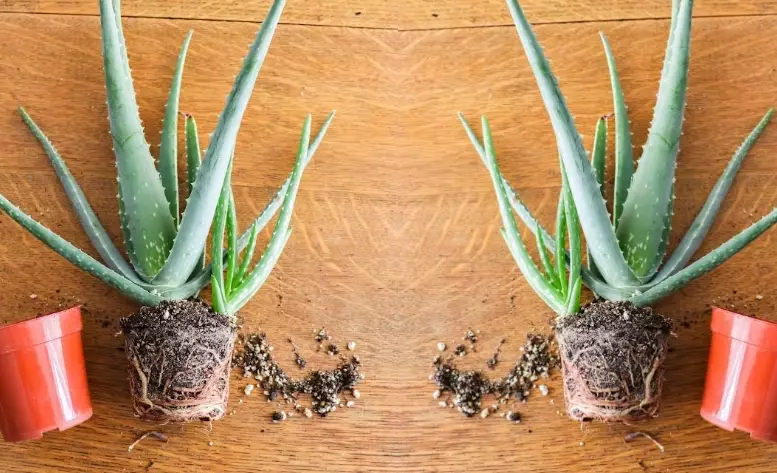
Step 1: Identify Healthy Pups
Look for pups that are at least 3-4 inches tall. They should have a few leaves and ideally some roots visible. If the pup is too small, it might not survive separation. I once separated a tiny pup in a hurry, and it withered within days—patience is key.
Step 2: Separate the Pup
Gently remove the soil around the base to expose the connection to the mother plant. Use your knife to cut the pup away, ensuring you get some roots if possible. If there are no roots, don't worry; the pup can still root later. Make a clean cut to avoid crushing the tissues.
Step 3: Let the Cut Callous
This is crucial and often overlooked. Place the pup in a dry, shaded spot for 1-3 days until the cut end forms a hard callous. This prevents rot when planting. I've skipped this step before, and the pup developed fungal issues—learn from my mistake.
Step 4: Plant the Pup
Fill your pot with soil, make a small hole, and place the pup inside. Bury it just deep enough to stand upright. Don't water immediately! Wait about a week to let the roots settle. Watering too soon is a common error that leads to root rot.
Step 5: Initial Care
Keep the pot in indirect light for the first few weeks. After a week, give it a light watering. Within 2-4 weeks, you should see new growth, indicating successful rooting. I like to gently tug on the plant after a month; if it resists, roots have formed.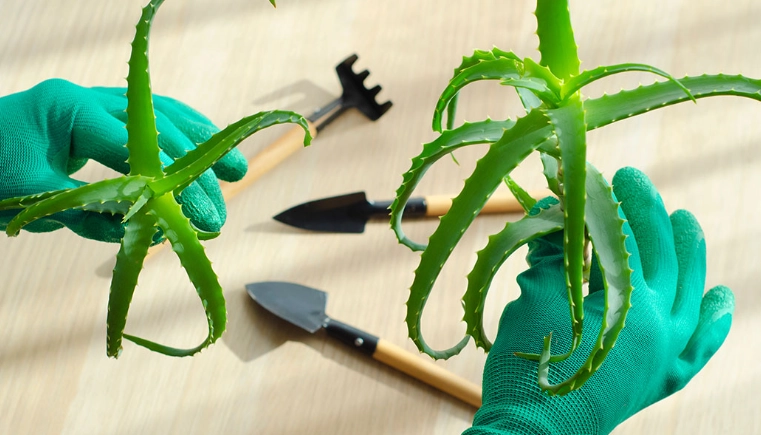
Common Mistakes and How to Avoid Them
Propagation seems straightforward, but small errors can ruin your efforts. Here are pitfalls I've encountered or seen others struggle with.
Overwatering New Pups
Aloe vera is a succulent, meaning it stores water in its leaves. Newly propagated plants are especially vulnerable to rot. I water mine only when the soil is completely dry—sometimes that's every two weeks, depending on humidity. A moisture meter can help, but your finger works fine; stick it an inch into the soil.
Using the Wrong Soil
Regular potting soil retains too much moisture. Opt for a cactus or succulent mix. I add extra perlite or sand for drainage. If the soil stays soggy, the roots will suffocate and rot.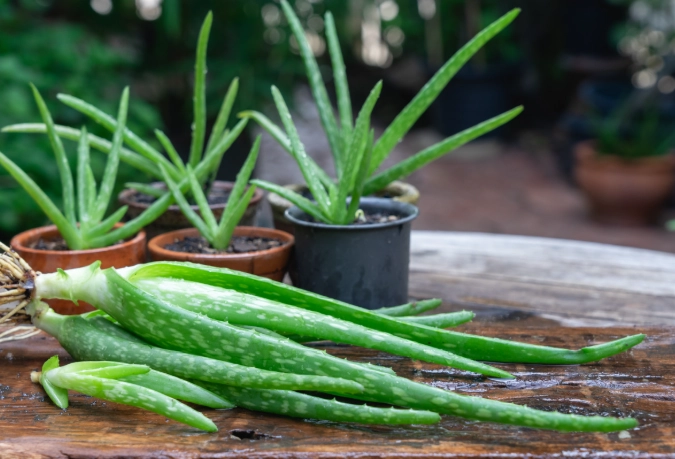
Insufficient Light
While new pups need indirect light initially, they require bright, indirect sunlight to thrive. I've placed propagated aloes in low-light corners, and they became stretched and pale. Move them gradually to a sunny spot after a month.
Separating Pups Too Early
As mentioned, wait until pups are at least 3-4 inches tall. Smaller ones might not have enough energy to root independently. It's tempting to propagate everything at once, but timing matters.
Caring for Newly Propagated Aloe Vera Plants
Once your propagated aloe is established, care is similar to mature plants, but with a few tweaks.
Watering Schedule
Water deeply but infrequently. In my home, I water every 3-4 weeks during winter and every 2 weeks in summer. The goal is to mimic their natural arid environment. Overwatering is the number one killer of succulents, according to resources like the Royal Horticultural Society.
Light Requirements
Aloe vera loves bright, indirect light. A south- or west-facing window is ideal. If leaves start turning brown, it might be getting too much direct sun—move it back slightly. I use a sheer curtain to filter intense afternoon light.
Fertilizing
Hold off on fertilizer for the first 6 months. After that, use a diluted, balanced fertilizer once in spring and once in summer. I've found that over-fertilizing leads to weak growth; less is more here.
Repotting
As the plant grows, repot every 2-3 years into a slightly larger pot. Ensure it has drainage holes. I prefer terracotta pots because they allow soil to dry out faster.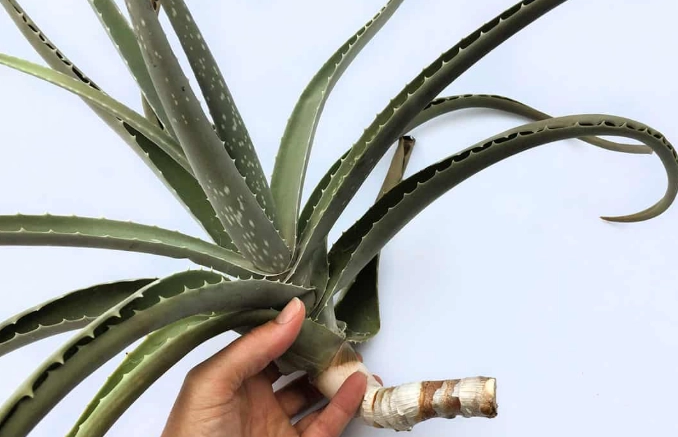
Frequently Asked Questions About Aloe Vera Propagation
Propagating aloe vera is a rewarding skill that anyone can master. Start with pups, be patient with the process, and learn from each attempt. If you run into issues, revisit this guide or share your experiences in gardening communities. Happy propagating!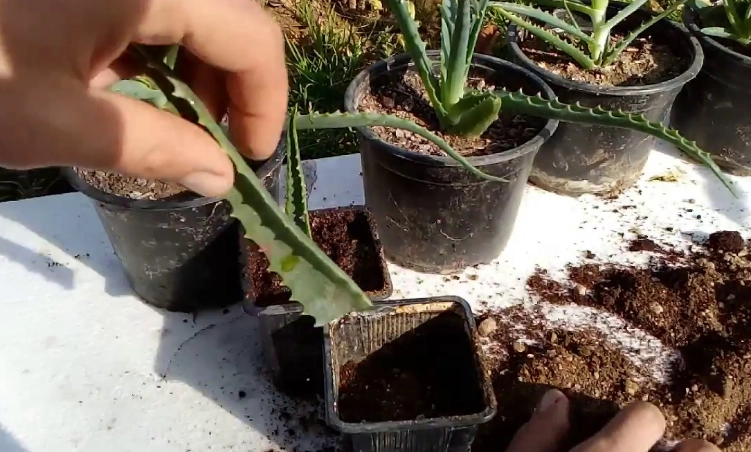
Comments