Here's the truth most plant care guides won't tell you: the "set it and forget it" reputation of the snake plant is a double-edged sword. It's not that they're impossible to kill—it's that the one guaranteed way to kill them is by being too attentive with your watering can. I learned this the hard way years ago, watching a beautiful Laurentii slowly turn to mush because I treated it like my thirsty ferns. This guide isn't about repeating the old "water every two weeks" mantra. It's about teaching you to read your plant and your environment, so you never have to diagnose a case of root rot again.
What You'll Learn in This Guide
The Core Principle: Underwatering is a Strategy, Overwatering is a Death Sentence
Snake plants (Sansevieria, now reclassified as Dracaena) are succulent. Their thick, rhizomatous roots and fleshy leaves are built for drought. In their native West African habitats, they endure dry spells, storing water for lean times. Your living room is a paradise compared to that. The single biggest mistake, bar none, is keeping their soil constantly moist.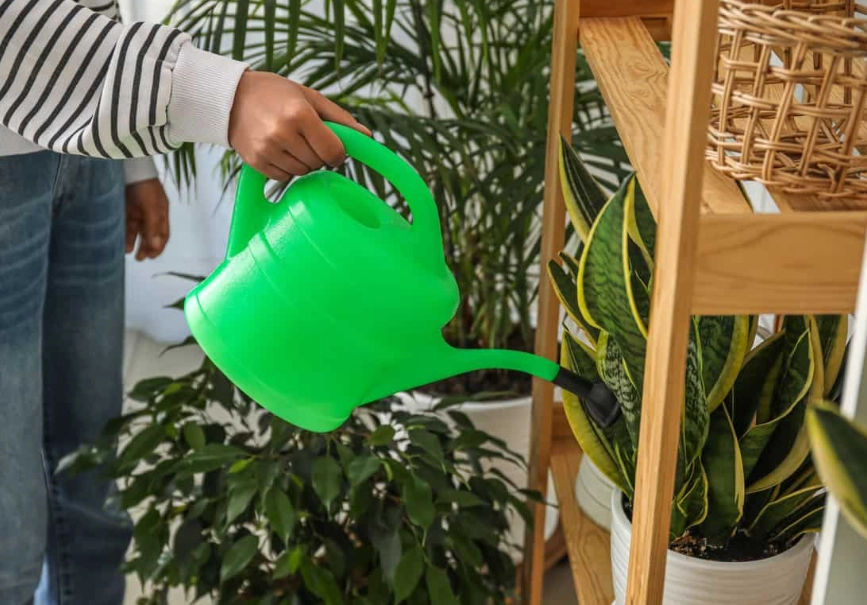
A Non-Consensus View: The advice to "let the top inch of soil dry out" is often insufficient for snake plants, especially in dense, moisture-retentive potting mixes. For a plant this drought-adapted, the top inch drying is just the starting bell. You need to wait much longer.
Think of their pot like a reservoir. Watering refills it. The plant drinks slowly. Your job is to let that reservoir get almost completely empty before refilling it. Constantly topping it off drowns the roots, cutting off oxygen and inviting rot-causing fungi to move in. Once root rot starts inside those thick rhizomes, it's often too late by the time you see yellowing leaves.
When to Water Your Snake Plant: Ditch the Calendar
Forget "every 10 days" or "every other week." A schedule is the enemy. The right time to water depends on a cocktail of factors that change daily. Here’s what actually matters:
1. The Soil Moisture Test (The Only Test That Matters)
This is non-negotiable. Get your fingers dirty.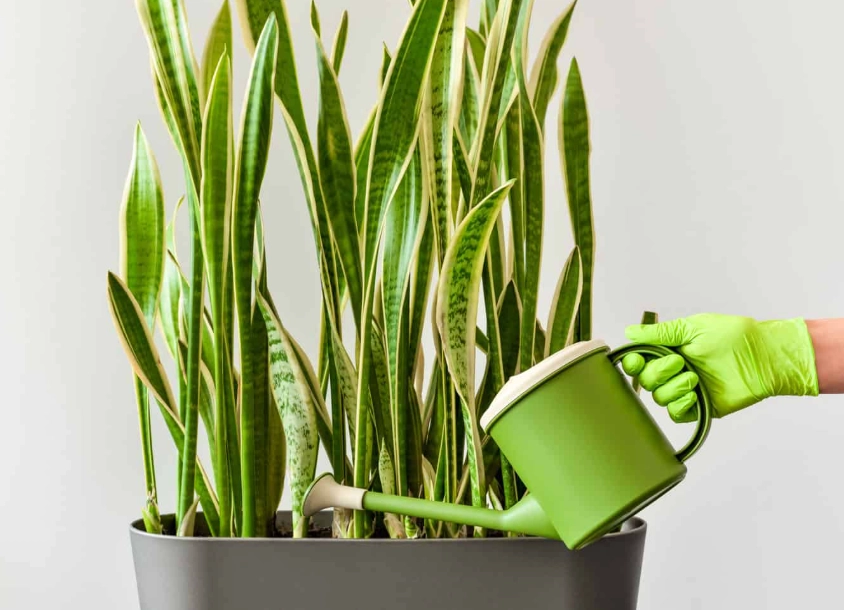
- The Finger Test: Stick your index finger at least two inches down into the soil, near the edge of the pot. If you feel any coolness or dampness, stop. Do not water. Walk away. Check again in 3-4 days.
- The Chopstick/Skewer Test: For deeper pots or if you dislike dirt under your nails, insert a wooden chopstick or skewer deep into the soil. Leave it for a minute, pull it out. If it comes out with damp soil sticking to it or looks darker, the soil is still wet. If it comes out clean and dry, it's time.
For most indoor environments, this will mean watering every 3 to 6 weeks, not weeks. Yes, you read that right. In winter, it might be 8 weeks or more.
2. The Pot Weight Method
This is a pro trick. Lift your pot right after you water. Feel how heavy it is. Lift it again every few days. As the soil dries, the pot becomes significantly lighter. When it feels surprisingly light, like it's just full of dry dirt, it's a good cue to do the finger test. This method is brilliant for large floor plants in big pots where the finger test is harder.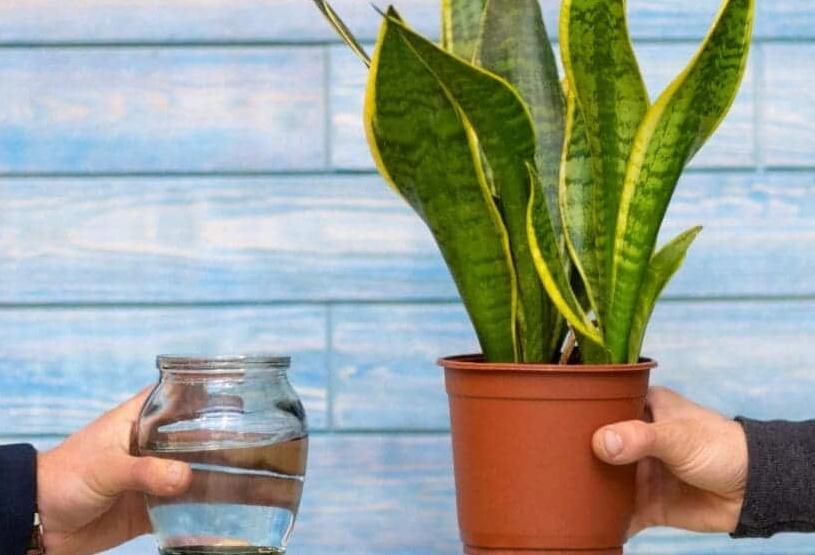
3. Environmental Factors That Speed Up or Slow Down Drying
Your neighbor's watering schedule is useless to you. Why? Look at this table.
| Factor | Effect on Drying Time | Practical Implication |
|---|---|---|
| Light | High light = faster drying. Low light = very slow drying. | A snake plant in a bright south window may need water 2x as often as one in a dim north corner, even if the "schedule" says the same. |
| Temperature & Season | Warm temps (spring/summer) = faster growth & drying. Cool temps (fall/winter) = dormancy & slow drying. | This is the biggest seasonal shift. Winter watering is minimal. Summer watering is more frequent but still infrequent. |
| Pot Type & Size | Terracotta/clay pots "breathe," pulling moisture from soil = faster drying. Plastic/glazed ceramic pots retain moisture. | A plant in plastic might go 6 weeks between waterings; the same plant in terracotta might need it in 4. Small pots dry faster than large ones. |
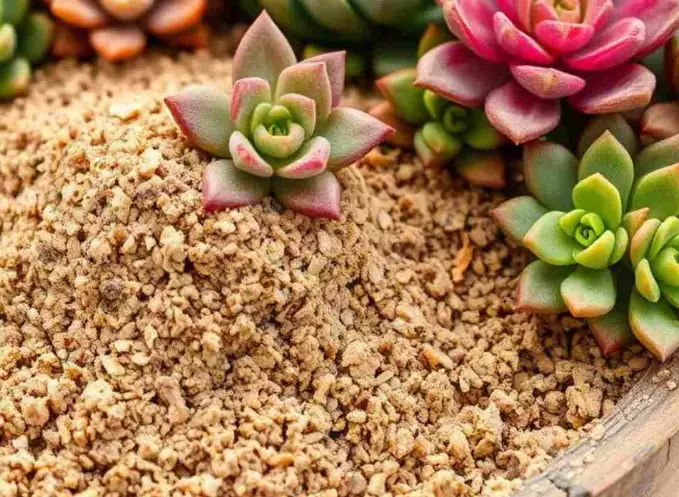
| Soil Mix | Dense, peaty soil holds water forever. Chunky, well-draining soil (with perlite, pumice, sand) dries quickly. | If you're scared of overwatering, repot into a gritty cactus/succulent mix. It's a game-changer. |
| Humidity | High humidity slows evaporation from soil. Low, dry air speeds it up. | Your plant in a humid bathroom will need water less often than one by a heating vent. |
How to Water Properly: The Soak-and-Dry Method
Okay, the soil is bone dry. Now what? Don't just give it a polite sip. You need to mimic a rare, heavy downpour in its native habitat.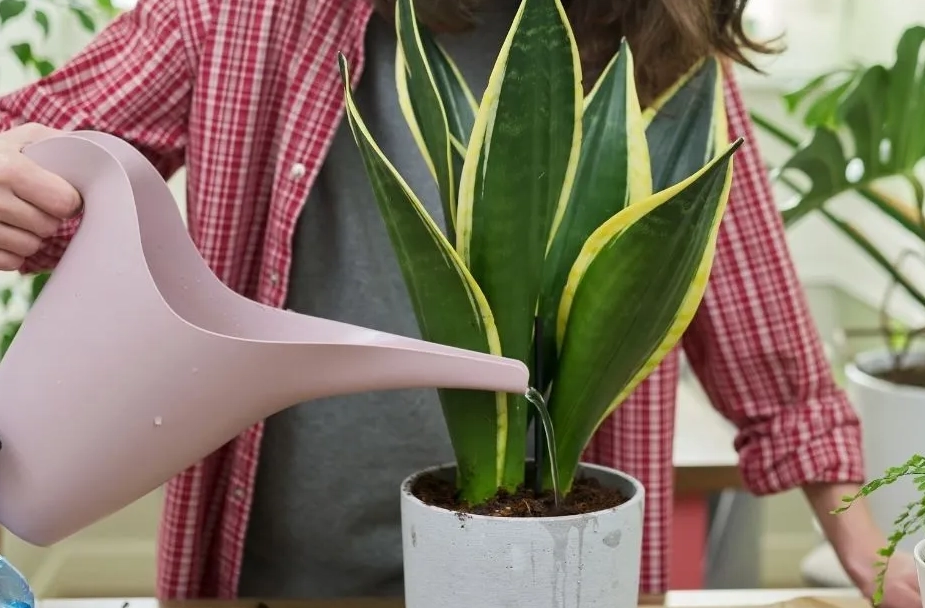
Step 1: Take it to the sink or bathtub. This is crucial. You want to water thoroughly and let excess drain freely, which you can't do if it's sitting in a decorative pot or on a saucer.
Step 2: Water slowly and evenly around the entire surface of the soil. Keep pouring until you see water running freely out of the drainage holes at the bottom. Not a trickle—a good, steady stream. This ensures the entire root ball gets saturated.
Step 3: Let it drain completely. Leave it in the sink for at least 30 minutes, even an hour. Let every last bit of excess water drip out. No plant should ever sit in a puddle.
Step 4: Return it to its spot. Only put it back in its decorative cache pot or on its saucer once draining has fully stopped.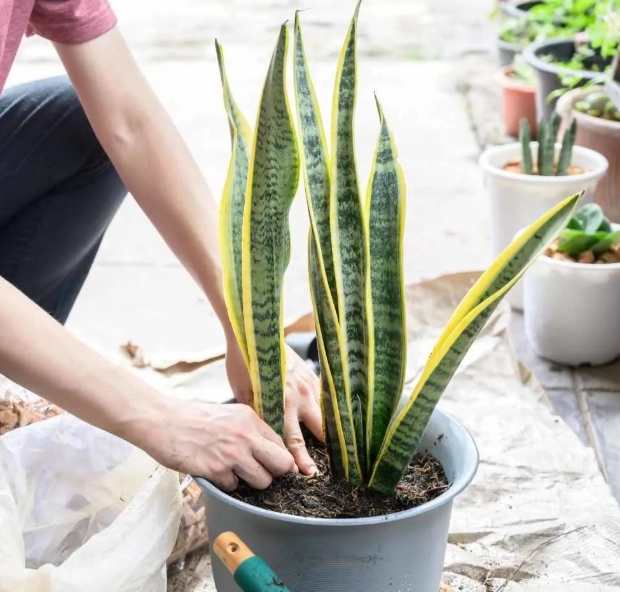
Water Quality Tip: Snake plants aren't super fussy, but they prefer room-temperature water. If your tap water is very hard or heavily fluoridated, using filtered or distilled water can prevent unsightly brown leaf tip burn over the long term.
A Realistic Seasonal Watering Framework
Since I told you to ditch the calendar, here’s a framework based on plant behavior, not dates. Use this as a starting point for your finger tests.
- Spring & Summer (Growth Season): The plant is active. Check moisture every 2-3 weeks. You'll probably water every 3-4 weeks on average. In a very hot, bright spot, maybe every 2.5 weeks.
- Fall: Growth slows. Light levels drop. Start stretching the time between checks. Move to checking every 4-5 weeks. Watering frequency drops.
- Winter (Dormancy): The plant is basically sleeping. It's using very little water. This is the most dangerous season for overwatering. Check moisture only every 5-6 weeks. You may only water once between November and February. Let the soil stay dry for extended periods.
I have a large snake plant in a low-light bedroom, in a plastic pot. Last winter, I watered it once in early December and didn't need to again until mid-February. It was perfectly happy.
Reading the Signs: Is Your Plant Thirsty or Drowning?
Leaves talk. You just need to know the language. The classic mistake is misinterpreting the signals.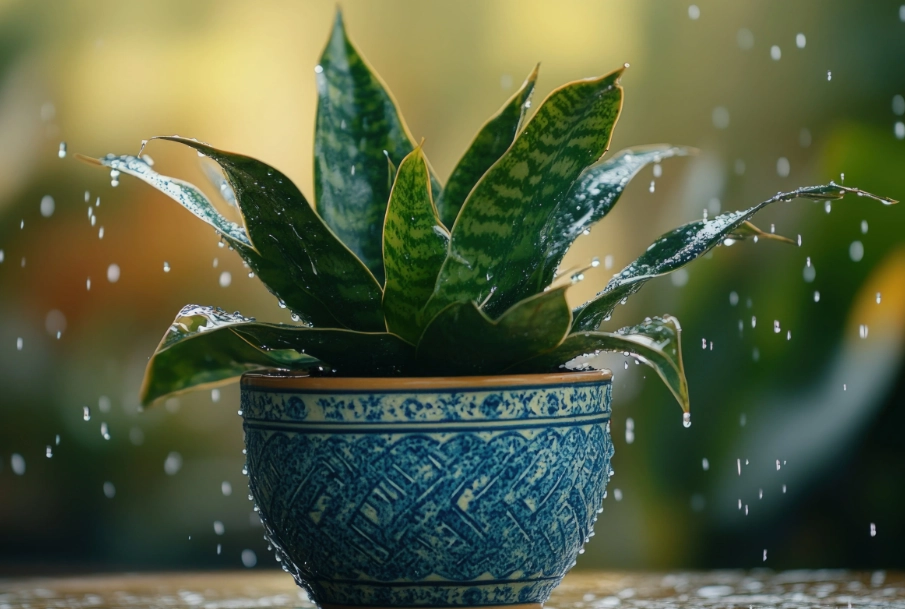
The Critical Confusion: Wrinkled, curling, or slightly puckered leaves can signal both extreme thirst and the early stages of root rot. How? Rot kills roots, so the plant can't take up water, making it look thirsty. Watering a rotting plant makes it worse. Always check the soil first!
Signs of Underwatering (True Thirst):
The soil is dust-dry for a very long time. Leaves may become less rigid, slightly wrinkled, or thin. They might start to curl inwards lengthwise. Growth is non-existent. The fix is simple: a thorough soak. The plant will plump back up in a day or two.
Signs of Overwatering (Root Rot):
This is the silent killer. The soil is often still damp when you see these.
Yellowing leaves, especially starting at the base and moving up. Soft, mushy leaves—they may feel soggy or like a overcooked vegetable. Leaves collapsing at the base. A foul, musty smell from the soil. If you suspect this, you must unpot the plant immediately, wash the roots, and cut away any brown, mushy parts with sterile tools. Repot in fresh, dry, well-draining soil and don't water for at least a week.
Your Top Snake Plant Watering Questions, Answered
The bottom line with snake plant watering is counterintuitive: the less you do, the better you're doing. Your patience is the best fertilizer. Ignore the calendar, master the finger test, and water deeply but infrequently. Your resilient, architectural snake plant will reward you with years of trouble-free growth, asking for nothing more than your occasional, well-timed neglect.

Comments