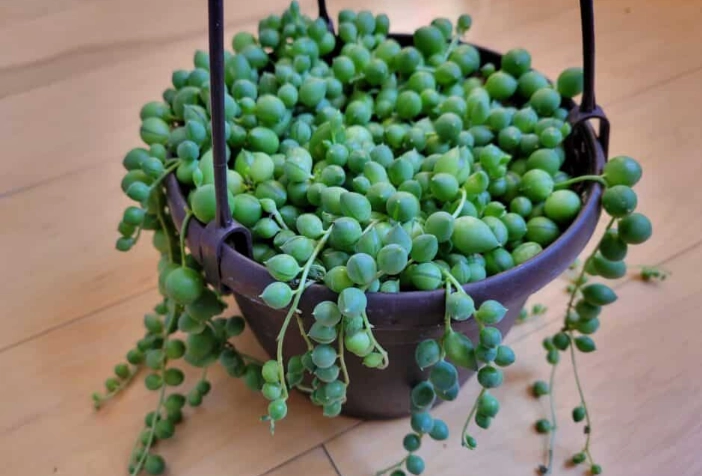
That first time you see a String of Pearls (Senecio rowleyanus), it's hard not to be captivated. It looks like a living necklace, a cascade of perfect green beads tumbling over the edge of a pot. You bring one home, full of hope. Then, a few weeks later, you notice a few pearls looking shriveled. Then a whole strand turns mushy and translucent. Panic sets in. What went wrong? The internet says it's easy. It lied.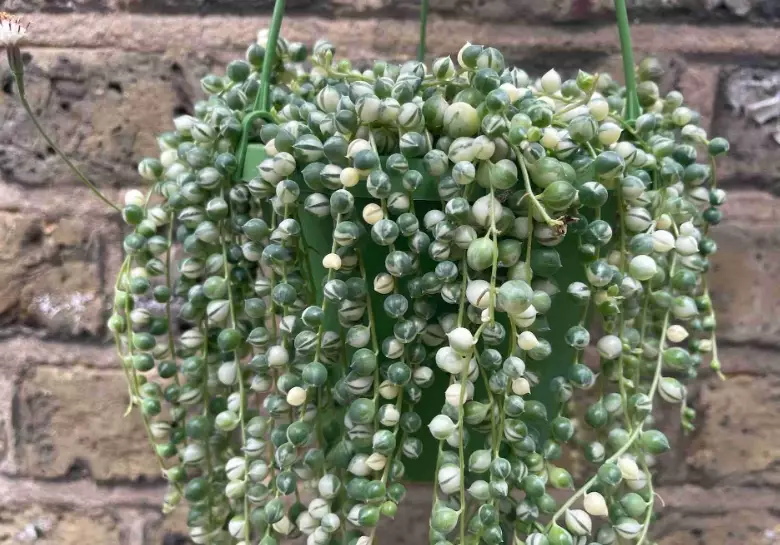
Here's the truth most generic care sheets won't tell you: the String of Pearls isn't difficult, but it demands a specific kind of neglect. It fails not from inattention, but from misguided kindness—usually in the form of overwatering. I've killed my share before I learned its language. This guide is what I wish I'd known a decade ago, pulling from hard-won experience and conversations with other long-term growers.
Your Quick Navigation Guide
String of Pearls Plant Care: The Non-Negotiable Basics
Think of your String of Pearls as a sun-loving, drought-tolerant guest from the arid regions of Southwest Africa. Its entire physiology is built to store water in those plump pearls and to minimize water loss. Your job is to replicate those conditions, not coddle it like a tropical fern.
Light: The Growth Engine
Bright, indirect light is the mantra, but let's get specific. A south or west-facing window is ideal in the Northern Hemisphere. East can work. North? Forget it—you'll get etiolated, sparse growth (long gaps between pearls).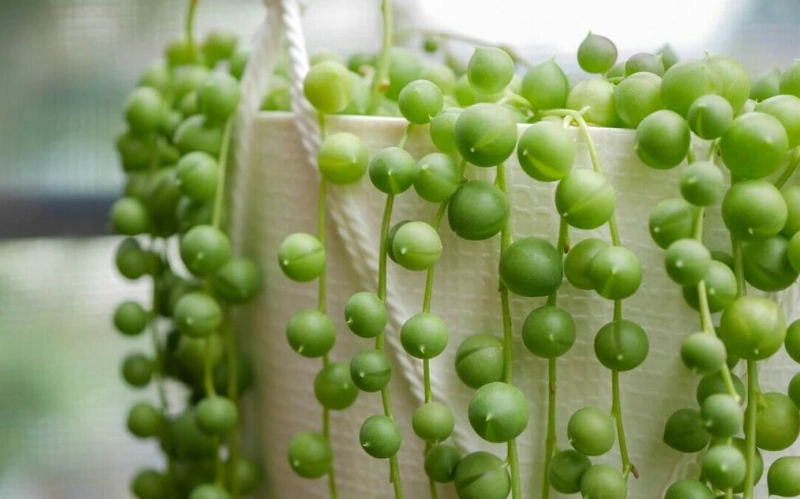
A crucial nuance: Many people see "indirect light" and think "low light." For this succulent, indirect means no harsh, scorching midday sun beating directly on it for hours, which can burn the pearls. But it still wants several hours of very bright light. Morning sun is often perfect. If you're using grow lights, keep them on for 12-14 hours.
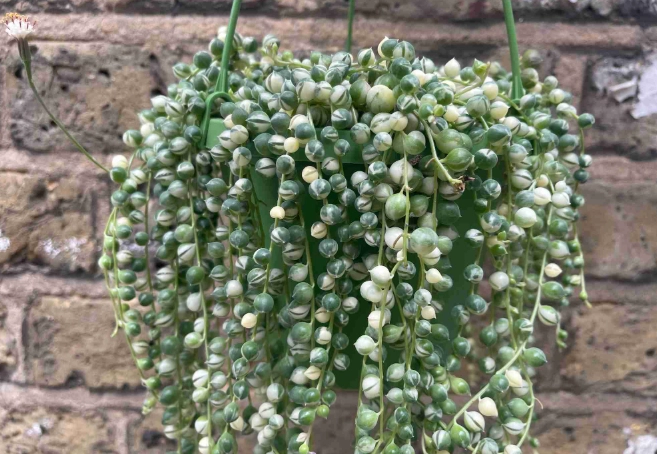
Light Check: A healthy String of Pearls in good light will have firm, tightly-packed pearls and will actively put out new growth, especially in spring and summer. If the pearls are spaced out like a string of sad green peas, it's begging for more sun.
Soil and Pot: The Foundation for Success
This is where many failures begin. Standard potting soil is a death sentence—it retains moisture for far too long. You need a gritty, fast-draining mix.
- My go-to mix: 50% succulent & cactus potting mix, 25% perlite, 25% coarse sand or pumice. This seems extreme, but it works.
- The pot matters just as much. Always use a pot with a drainage hole. Terracotta pots are excellent for beginners because they wick moisture away from the soil. The pot should be relatively shallow; their root systems aren't deep.
How to Water String of Pearls: The #1 Killer
Overwatering. It's the reason 90% of these plants die. The pearls store water, so they can handle drought far better than flood.
Forget the schedule. Don't water every Sunday or every 10 days. Your plant doesn't care what day it is. It cares about soil moisture.
The reliable method: Use the "taco test" or the "weight test." Gently pinch a pearl near the soil. If it feels firm and resists your pinch, it's full of water—don't water. If it gives slightly and feels less plump, it's time to check the soil. Stick your finger an inch into the soil, or lift the pot. If it's completely dry and feels light, it's time to water.
How to water properly: When you do water, do it thoroughly. Take it to the sink and soak the soil until water runs freely out of the drainage hole. Let it drain completely before putting it back in its decorative cover or saucer. Never let it sit in water.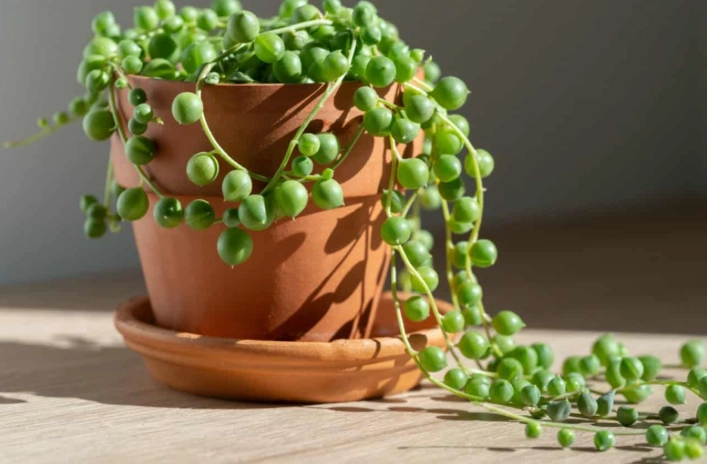
The hidden trap: Humidity and temperature affect drying time. A plant in a cool, humid bathroom in winter might need water once a month. The same plant in a hot, dry summer windowsill might need it every 10 days. Always check, never assume.
How to Propagate String of Pearls: Two Foolproof Methods
Propagation is incredibly easy and the best way to save a leggy plant or share with friends. You have two main choices.
Method 1: The Soil Layering Method (My Preferred)
This mimics how it spreads in nature. Take a healthy strand and gently coil it on top of the soil in a new pot, using hairpins or bent paperclips to pin the stems down so the nodes (where pearls meet) touch the soil. Keep the soil slightly moist (not wet) and in bright light. Roots will form at the nodes. This creates a fuller plant faster.
Method 2: The Stem Cutting Method
Cut a strand 4-5 inches long. Remove a few pearls from the bottom inch of the stem to expose the node. Let the cut end callous over for a day (this prevents rot). Then, place the bare stem into damp succulent soil. Water very lightly only when the soil is dry. Roots should appear in 2-3 weeks.
You can also propagate in water, but the transition to soil can be tricky and often leads to rot. Soil propagation sets the plant up for success in its permanent medium.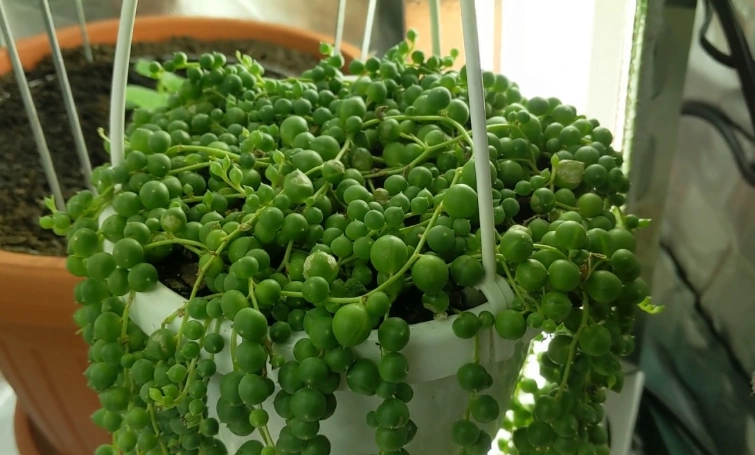
Troubleshooting: Reading Your Plant's Signals
Your plant talks to you. You just need to learn its language.
| Symptom | Likely Cause | Immediate Action |
|---|---|---|
| Pearls are shriveled and dry | Underwatering or roots have died from previous overwatering (so they can't take up water). | Check soil. If bone dry, water thoroughly. If moist, you may have root rot—check roots. |
| Pearls are mushy, translucent, bursting | Overwatering / Root Rot. Classic sign. | Stop watering immediately. Remove mushy strands. Unpot to check roots. Cut away any black/mushy roots, repot in dry, fresh mix. |
| Long gaps between pearls (leggy growth) | Insufficient light. The plant is stretching to find the sun. | Move to a significantly brighter location. You can prune the leggy strands to propagate. |
| Pearls are flat or not perfectly round | Usually a sign of thirst. The plant is using its internal water reserves. | Time for a good soak. They should plump up within a day or two. |
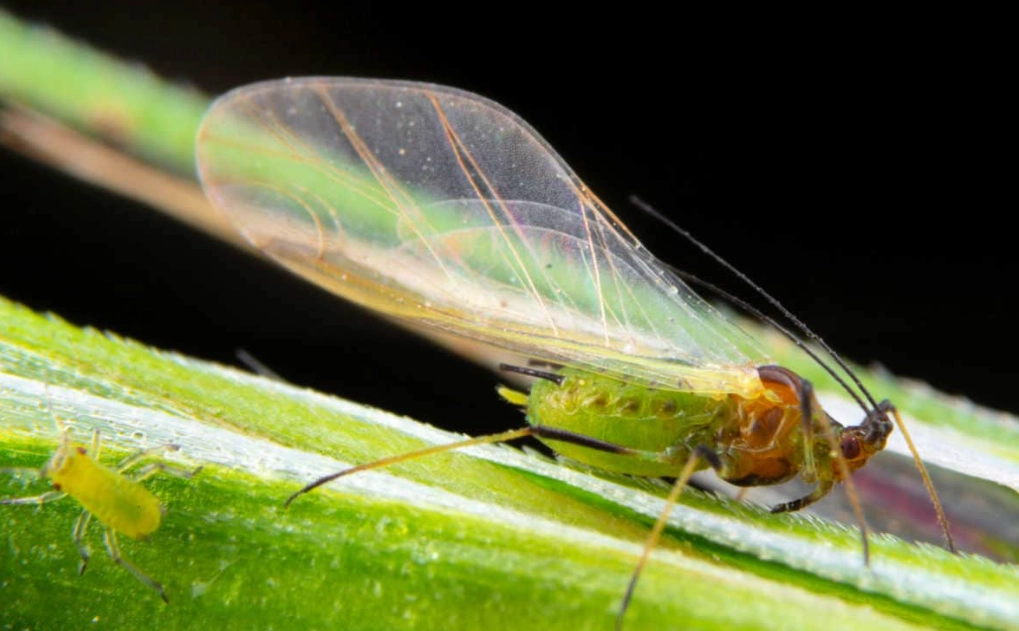
On pests: Mealybugs are the main concern. They look like tiny bits of white cotton in the crevices between pearls. Isolate the plant immediately. Dab them with a cotton swab dipped in 70% isopropyl alcohol. Repeat weekly until gone. Good air circulation helps prevent them.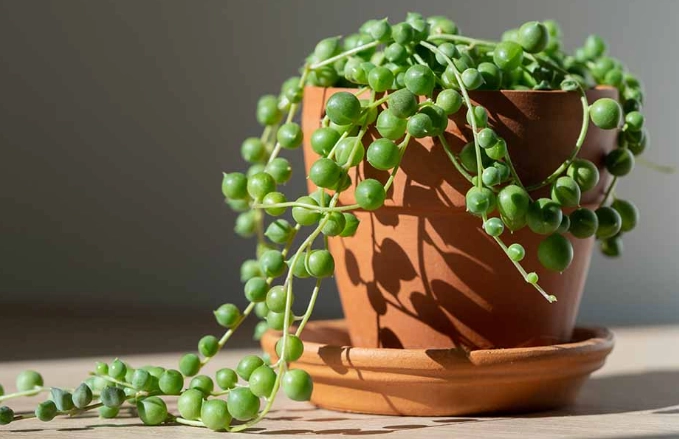
Your String of Pearls Questions Answered
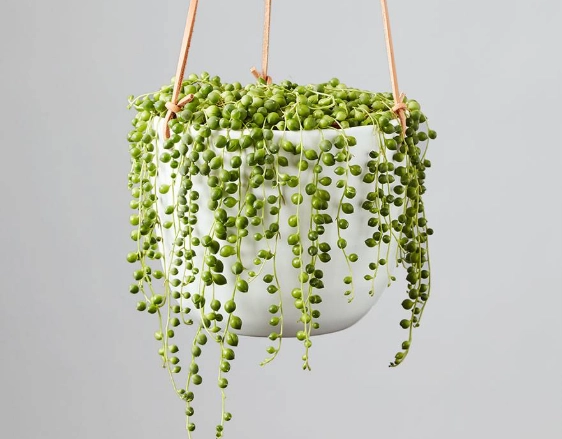
Let's be honest. The String of Pearls has a reputation for being finicky, but that's often because we treat it with the wrong kind of love. It doesn't want constant attention. It wants a sunny spot, a forgetful waterer, and well-draining soil. Get those three things right, and you'll be rewarded with a stunning, low-maintenance cascade that turns heads for years. It's not about having a green thumb—it's about understanding that sometimes, the best care is knowing when to step back.
Comments