Your Philodendron Brazil Care Roadmap
- Getting the Basics Right: Philodendron Brazil Care 101
- Beyond the Basics: Leveling Up Your Philodendron Brazil Game
- Troubleshooting: What's Wrong With My Philodendron Brazil?
- Propagation: Making More Philodendron Brazil Babies
- Common Questions (Things You Were Too Afraid to Ask)
- Styling and Long-Term Care: Keeping it Beautiful
Let's talk about the Philodendron Brazil. You've probably seen it everywhere—cascading from a bookshelf, brightening up a dim corner, or starring in someone's Instagram post. It's that plant with the heart-shaped leaves splashed with lime green and yellow, sometimes looking like a little painter had a field day on it.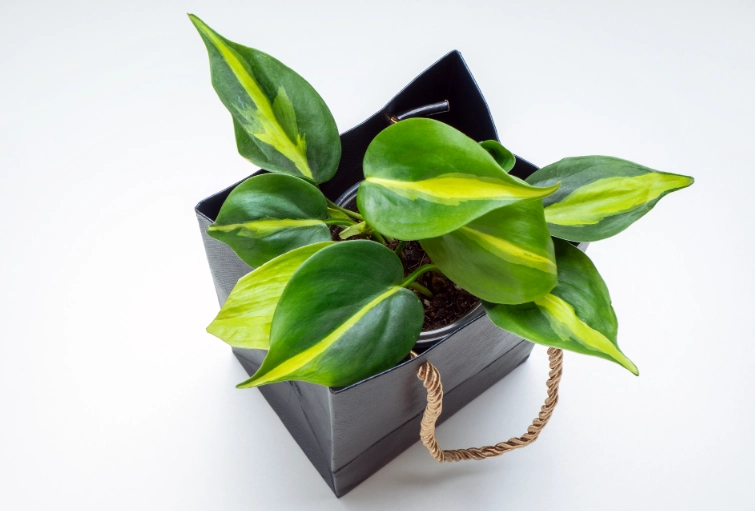
I got my first one a few years ago, a small pot from a local nursery that looked a bit sad and leggy. Honestly, I wasn't sure it would make it. But fast forward to today, and it's a sprawling, vibrant beast that's given me more cuttings than I know what to do with. It's one of those plants that just... works. It's forgiving, it's beautiful, and it grows like a weed if you give it half a chance.
But here's the thing. Even though the Philodendron Brazil is considered easy-going, I've seen plenty of people struggle with them. Leaves turning yellow, growth getting all spindly, or that gorgeous variegation just fading away. It's frustrating. So I wanted to put together everything I've learned—the good, the bad, and the messy—into one place. This isn't just a list of care instructions. It's a deep dive into what makes this particular plant tick.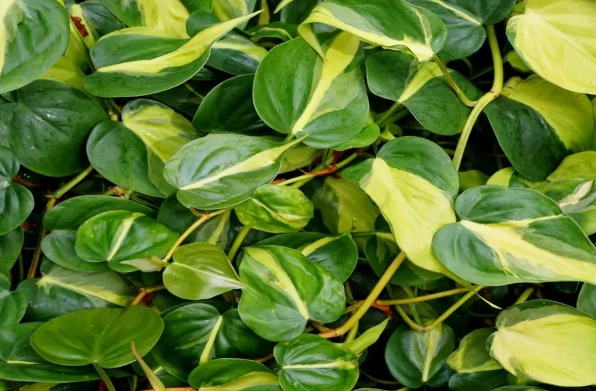
What exactly is a Philodendron Brazil? It's a cultivar (a cultivated variety) of the classic Heartleaf Philodendron (Philodendron hederaceum). The "Brazil" part refers to its stunning variegation pattern—streaks and patches of chartreuse, lime green, and sometimes even a buttery yellow running through the center of its dark green, heart-shaped leaves. No two leaves are exactly alike, which is a big part of its charm.
Getting the Basics Right: Philodendron Brazil Care 101
You can't just stick it anywhere and hope for the best. Well, you can, and it might survive, but we want it to thrive, right? Let's break down the non-negotiables.
Light: The Secret to That Stunning Variegation
This is probably the most important factor for a happy Philodendron Brazil. That beautiful color isn't just for show. The lighter parts of the leaf have less chlorophyll, which is the pigment plants use to turn light into food.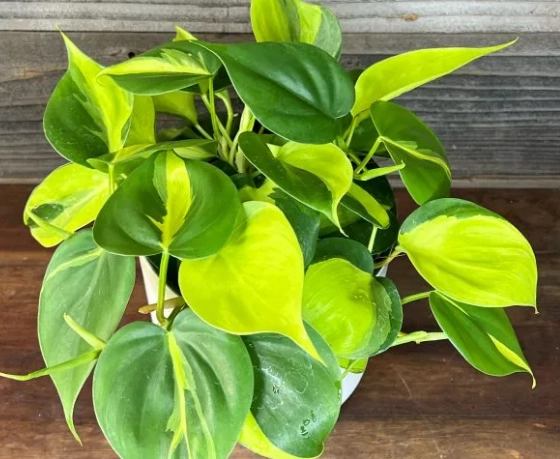
Think of it this way: your plant is working with a smaller solar panel in those variegated sections. So it needs more overall light to produce the same amount of energy as a solid green plant.
Bright, indirect light is the sweet spot. A spot near an east or north-facing window is usually perfect. A few feet back from a south or west window (behind a sheer curtain) works great too.
Pro Tip: If your Philodendron Brazil starts putting out leaves that are mostly green with just tiny slivers of yellow, it's telling you it needs more light. It's reverting to a more efficient, all-green form to survive in lower light. Conversely, if the leaves look pale, washed out, or get crispy brown patches, it might be getting too much direct sun.
I made the mistake of putting one in a pretty dark bathroom for "aesthetic reasons." Big mistake. Within months, the vines grew incredibly long, but the spaces between leaves (the internodes) stretched out, and the new leaves were small and almost entirely green. It looked sad and desperate, not lush and tropical. Lesson learned.
Watering: Don't Drown the Poor Thing
Overwatering is the #1 killer of houseplants, and the Philodendron Brazil is no exception. Its roots need to breathe.
The classic advice is to water when the top inch or two of soil feels dry. I find that's pretty reliable. Stick your finger in the soil. Does it feel damp? Wait. Does it feel dry? Go ahead and give it a thorough drink until water runs out the drainage holes (which your pot MUST have, by the way).
Here's a table to help you visualize the watering schedule, but remember, this is a guideline, not a law. Your home's humidity, temperature, and light levels change everything.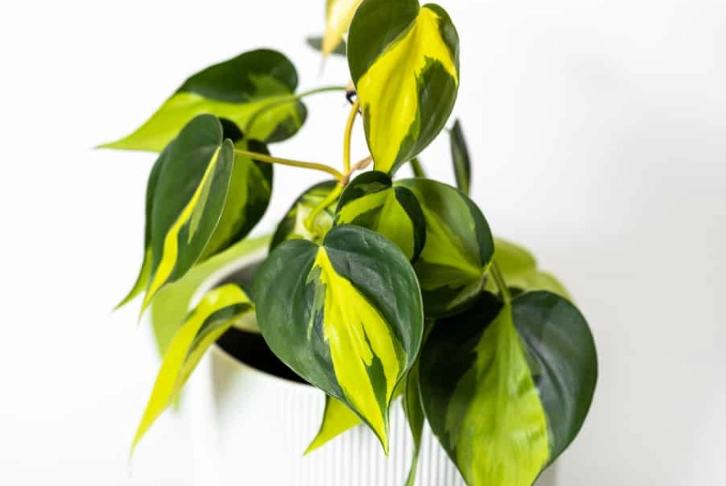
| Season | Light Level | Watering Frequency (Approx.) | What to Watch For |
|---|---|---|---|
| Spring & Summer (Growing Season) | Bright, Indirect | Every 7-10 days | Soil dries faster. Plant is actively drinking. |
| Spring & Summer | Medium to Low | Every 10-14 days | Be cautious. Check soil moisture carefully. |
| Fall & Winter (Dormant Season) | Any | Every 2-3 weeks, or less | Growth slows. Water much less. Yellow leaves often signal overwatering now. |
See that last row? In winter, I've gone a month without watering mine, and it was perfectly fine. It's better to err on the side of underwatering with these guys.
Soil and Potting: Giving the Roots a Comfy Home
You wouldn't want to sleep in a waterbed that never drains, right? Your plant's roots feel the same. They need a mix that holds a bit of moisture but lets excess water escape quickly to prevent rot.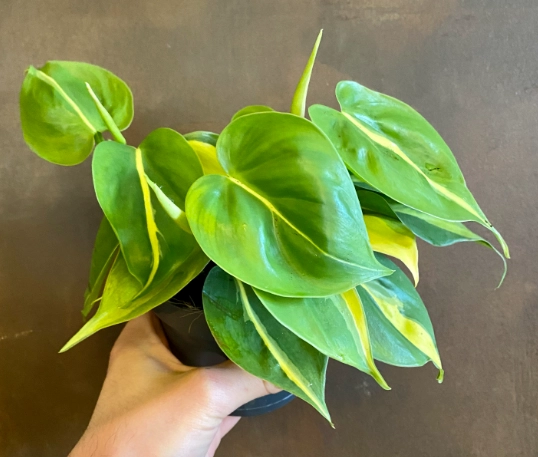
A good, airy aroid mix is ideal. You can buy a pre-made aroid mix, or make your own. Here's a simple recipe I use:
- 2 parts regular potting mix
- 1 part perlite (for aeration)
- 1 part orchid bark or coconut coir (for chunkiness and drainage)
This creates a fluffy, well-draining environment that the roots of your Philodendron Brazil will love. When repotting, which you only need to do every 2-3 years or when roots are circling the bottom of the pot, only go up one pot size (about 1-2 inches wider in diameter). Too big a pot holds too much wet soil for too long.
Beyond the Basics: Leveling Up Your Philodendron Brazil Game
Okay, so you've got the light, water, and soil down. Your plant is alive. Now, how do you make it spectacular?
Fertilizing: The Plant Food Debate
To feed or not to feed? I'm in the "feed lightly" camp. During the active growing season (spring and summer), a little fertilizer can encourage fuller growth and more vibrant leaves.
I use a balanced, water-soluble fertilizer (like a 10-10-10 or 20-20-20) but I dilute it to half the strength recommended on the bottle. I apply it about once a month when I water. In fall and winter, I stop completely. The plant isn't growing much, and unused fertilizer can build up in the soil and harm the roots.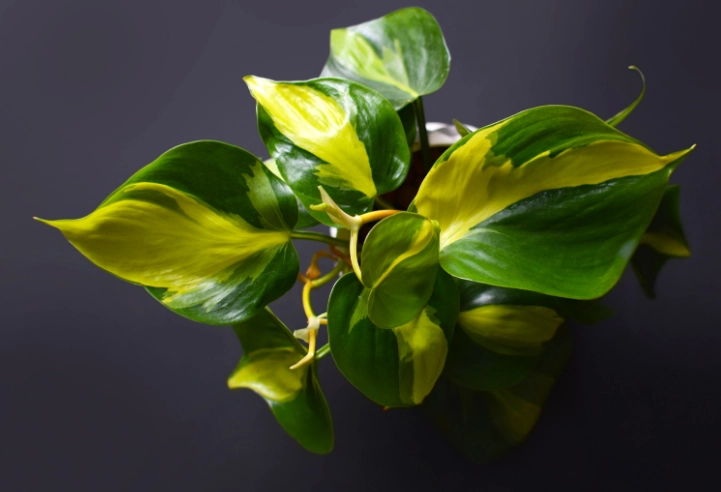
I tried one of those fancy "foliage booster" fertilizers once, promising darker greens and more variegation. Honestly? I didn't see a dramatic difference compared to my regular half-strength feed. Save your money. Consistency with the basics matters more.
Humidity: Is It Really Necessary?
Philodendron Brazil is native to tropical regions, so it appreciates humidity. But is it a deal-breaker? Not really. It adapts remarkably well to average household humidity (around 30-50%).
However, if you want those leaves to be extra large, glossy, and unfurl without getting stuck, boosting humidity helps. You'll notice the difference. Brown, crispy leaf tips are a classic sign of air that's too dry.
Easy ways to increase humidity:
- Group it with other plants. They create their own little humid microclimate.
- Use a pebble tray. Fill a shallow tray with pebbles and water, and set the pot on top (not in the water).
- Run a humidifier. This is the most effective method, and your skin will thank you too.
Misting? I'm not a huge fan. It only raises humidity for a few minutes and can promote fungal issues if water sits on the leaves too often. I skip it.
Troubleshooting: What's Wrong With My Philodendron Brazil?
This is where most care guides stop, but it's where the real questions begin. Let's play plant detective.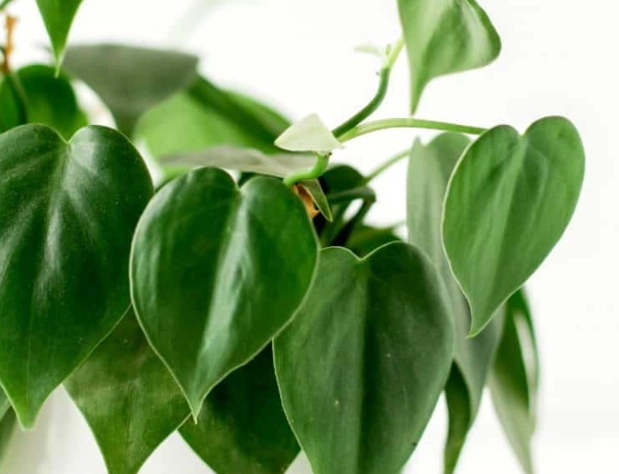
Yellow Leaves: The universal sign of plant distress. For Philodendron Brazil, the most common cause is overwatering. Check the soil. Is it soggy? Let it dry out completely. Could it be underwatering? Possibly, but less likely. Older leaves turning yellow and falling off naturally is normal as the plant grows.
Leggy Growth (Long vines with few leaves): This is almost always a light issue. The plant is stretching towards any light source it can find. Move it to a brighter location. Don't be afraid to give it some gentle direct morning sun.
Loss of Variegation (Leaves turning mostly green): As mentioned, this is the plant's survival response to low light. It's producing more chlorophyll to make the most of the limited light. More light = more of those gorgeous yellow streaks.
Brown, Crispy Leaf Edges or Tips: Usually a sign of low humidity or, sometimes, a buildup of salts and minerals from tap water or fertilizer (called "fertilizer burn"). Try using distilled, rainwater, or filtered water, and flush the soil with plain water every few months to rinse out salts.
Propagation: Making More Philodendron Brazil Babies
This is the fun part! Propagating a Philodendron Brazil is incredibly easy and rewarding. It's basically free plants. You can give them to friends or create a fuller pot for yourself.
The best method is stem cuttings in water. It's foolproof.
- Find a healthy vine and look for a section with at least one or two nodes (those little brown bumps on the stem where leaves and roots grow from).
- Using clean scissors, cut about an inch below a node.
- Remove any leaves that would be submerged in water.
- Place the cutting in a jar of water, ensuring the node is underwater.
- Put it in a spot with bright, indirect light.
- Change the water every week to keep it fresh.
- In 2-6 weeks, you should see white roots sprouting from the node. Once they're an inch or two long, you can pot it up in soil.
I have a dedicated "propagation station"—a mason jar on my kitchen windowsill that always has a Philodendron Brazil cutting or two rooting. It's like a little science experiment I get to watch. The roots are fascinating to see grow.
You can also propagate directly in moist sphagnum moss or even straight into soil, but water propagation lets you monitor root growth, which is great for beginners.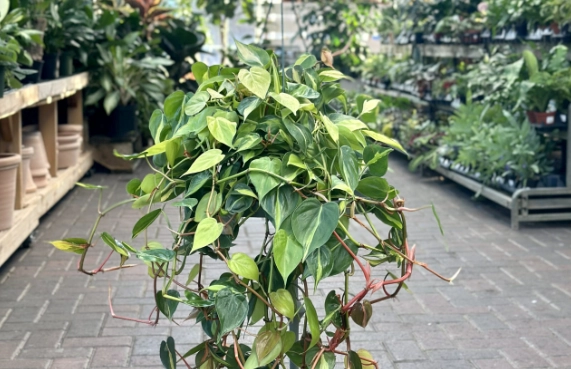
Common Questions (Things You Were Too Afraid to Ask)
Is Philodendron Brazil toxic to pets?
Yes. Like all philodendrons, it contains calcium oxalate crystals, which are insoluble and can cause irritation of the mouth, tongue, and lips, along with drooling, vomiting, and difficulty swallowing if ingested by cats or dogs. It's considered mildly to moderately toxic. The ASPCA lists it as toxic. Keep it out of reach of curious pets.
How fast does Philodendron Brazil grow?
In ideal conditions (good light, warm temperatures, growing season), it can be a surprisingly fast grower. You might see several inches of new vine growth per month, with new leaves unfurling every week or two. In lower light, growth will be much slower.
Can I grow Philodendron Brazil in just water forever?
You can keep a cutting growing in water for a long, long time (years, even). It's called hydroculture. However, the growth will generally be slower and the plant may not reach its full potential size compared to being in soil. You'll need to use a hydroponic fertilizer to provide nutrients since plain water has none. The University of Florida's IFAS Extension has great general info on philodendron care that reinforces the need for proper nutrition.
What's the difference between Philodendron Brazil and Philodendron 'Rio' or 'Silver Stripe'?
Great question! These are all variegated cultivars of Philodendron hederaceum. The 'Brazil' has chaotic, central streaks of lime/yellow on dark green. 'Rio' typically has a more defined, silvery-gray stripe down the center of the leaf with darker edges. 'Silver Stripe' has, you guessed it, more silvery variegation. They're cousins, with slightly different patterns. Care is identical.
Styling and Long-Term Care: Keeping it Beautiful
As your Philodendron Brazil matures, you'll have decisions to make. Do you let it trail long and cascading? Do you train it up a moss pole or trellis?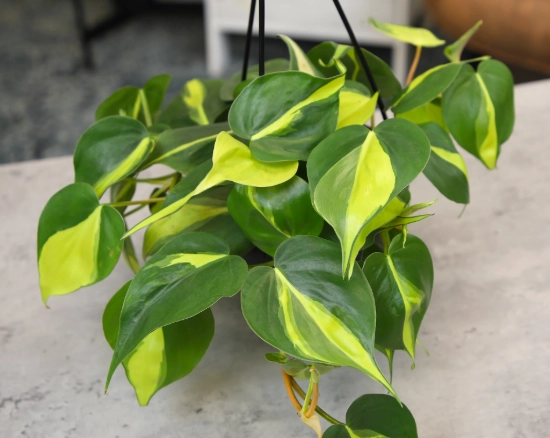
Trailing is the natural habit and looks fantastic on a high shelf or in a hanging basket. The vines can eventually get many feet long.
Training it upwards on a support (like a moss pole) encourages the leaves to get larger. As the plant climbs, it matures, and the leaves can become significantly bigger and more dramatic. It's a different look altogether—more like a tropical wall of greenery.
Pruning is your friend. Don't be scared to chop those vines! If it gets too long or leggy, simply cut it back. This encourages bushier growth from the base. And those cuttings? Propagate them and add them back into the top of the pot to create an instantly fuller, more lush plant.
That's the real secret to a stunning Philodendron Brazil: don't just let it grow; guide it.
So, there you have it. More than just "water it sometimes." The Philodendron Brazil is a dynamic, responsive plant that rewards a little attention with incredible, vibrant growth. It's not fussy, but it has preferences. Listen to it—watch how it reacts to its spot in your home, adjust your watering based on the season, and don't be afraid to prune and propagate. Before you know it, you'll have a thriving, variegated jungle of your own.
It's a plant that grows with you. And honestly, that's the best kind.
Comments