Let's talk about Guzmania bromeliads. You've probably seen them – those architectural plants with a stunning, neon-bright flower spike (called an inflorescence) that seems to glow from within. They scream "tropical vacation" but live happily on your coffee table. I've grown them for years, and while they have a reputation for being tricky, that's usually because of one simple misunderstanding about how they drink water. Get that right, and you're golden.
This isn't just another plant care sheet. We're going deep into what makes a Guzmania tick, how to avoid the common pitfalls that kill them (hint: it's almost always root-related), and what to do after the big show is over. Because yes, the mother plant flowers once and then slowly dies. But don't toss it! That's when the real magic begins.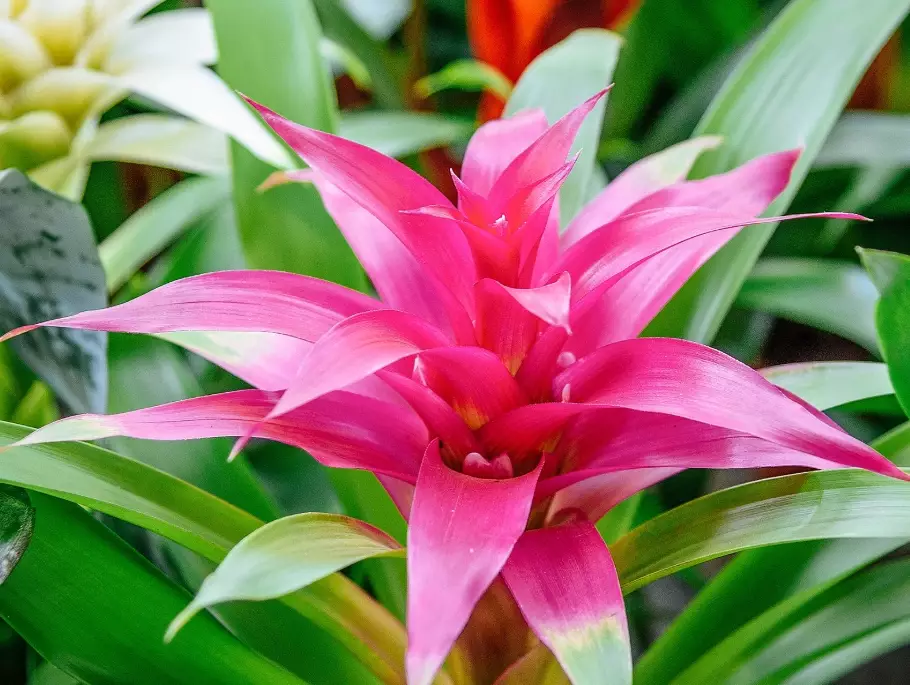
What You'll Learn in This Guide
What Exactly Is a Guzmania Bromeliad?
Guzmania is a genus within the huge Bromeliaceae family. They're epiphytes in the wild, meaning they grow on trees in rainforests, clinging to bark and gathering water and nutrients through their leaves and central cup. They're not parasites – they just use the tree as an apartment building. This is the key to understanding their care: their roots are primarily for anchorage, not for heavy drinking.
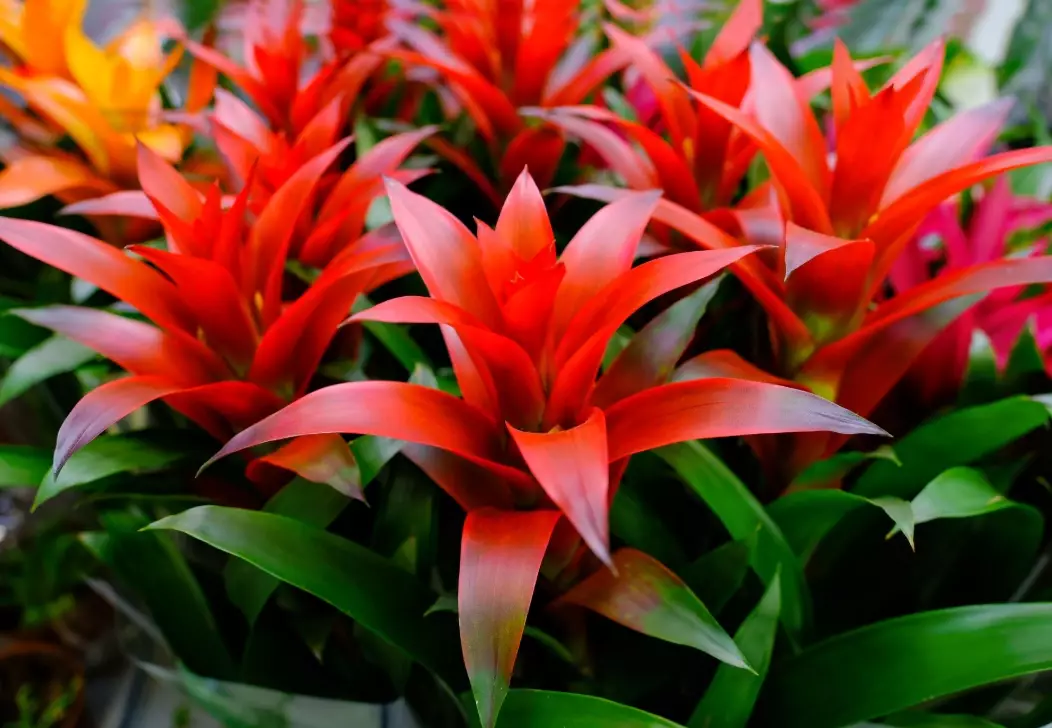
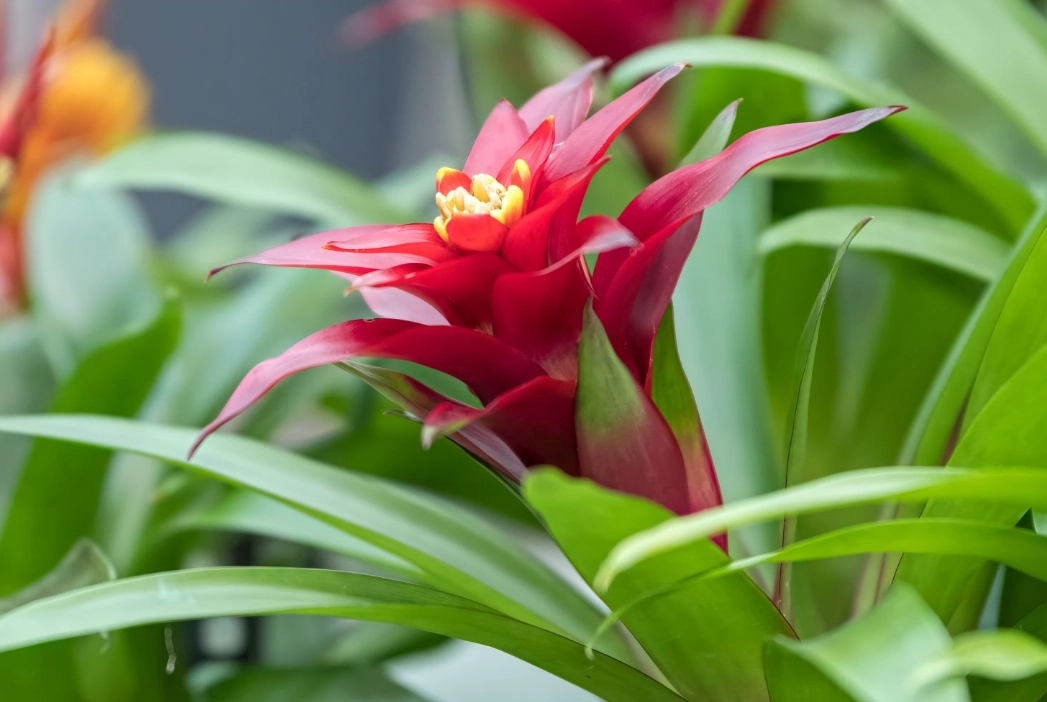
The "flower" you buy is actually a long-lasting bract – a modified leaf – with tiny, often insignificant true flowers tucked inside. That scarlet, orange, or pink display can last for 3 to 6 months, which is why they're such popular gifts. My first one was a gift, and I promptly almost killed it by treating it like a peace lily.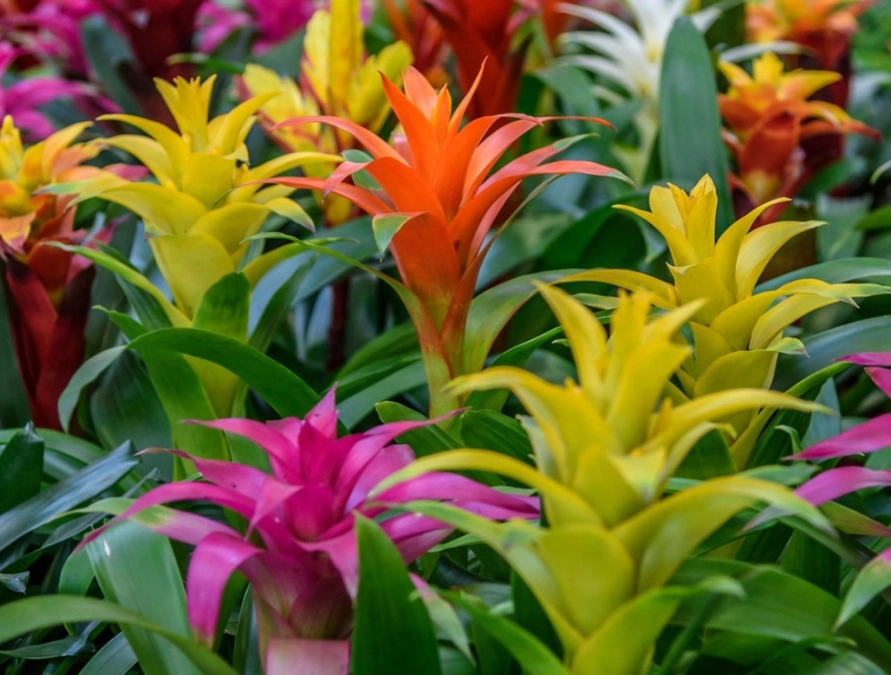
The Complete Guzmania Care Breakdown
Forget complex schedules. Think about recreating a dappled, humid forest floor.
Light: The Brightness Sweet Spot
This is where most people go wrong. Too much direct sun bleaches and scorches those beautiful leaves. Too little, and the plant becomes leggy, the colors fade, and it may never bloom (if you bought it without a spike).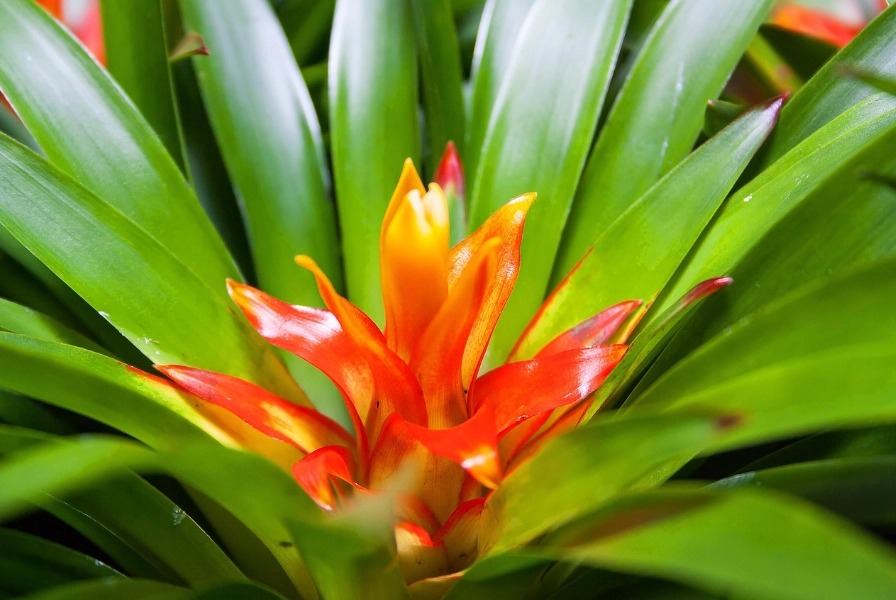
I keep mine about 3-5 feet back from a north or east-facing window. A south or west window is fine, but you must filter the light with a sheer curtain. If your light is low, consider a Guzmania 'Omar' or other darker green varieties – they're slightly more tolerant.
| Light Condition | Effect on Guzmania | Best Placement |
|---|---|---|
| Bright, Indirect Light | Ideal. Promotes strong growth and vibrant color. | East window, or behind a sheer curtain in South/West window. |
| Medium Light | Acceptable. Growth may be slower, color less intense. | North window, or further back in a bright room. |
| Low Light | Poor. Leads to etiolation (stretching), fading, and potential decline. | Not recommended. Supplement with a grow light. |
| Direct Sun | Harmful. Causes brown, crispy scorch marks on leaves. | Avoid entirely. |
Watering: The One Critical Mistake Everyone Makes
Here's the non-consensus, expert tip you won't see everywhere: Stop focusing on the soil. Seriously. Pouring water into the potting mix is the fastest way to cause root rot. The primary water reservoir for a Guzmania is its central cup – the vase-like formation where the leaves meet at the base.
My routine? Every 1-2 weeks, I fill the central cup about one-quarter to one-half full with water. I use distilled, rainwater, or filtered water because they're sensitive to the minerals and chlorine in tap water, which can leave deposits and cause tip burn. Then, maybe once a month, I'll lightly moisten the potting medium, just so the anchoring roots don't completely desiccate. Let the top inch or two of soil dry out between these light soil waterings.
Crucial: Every 4-6 weeks, tip the plant over and empty the old water from the cup. Refill with fresh water. Stagnant water becomes a mosquito nursery and can rot the core. I learned this the hard way after a bout of fungus gnats.
Temperature, Humidity & The Rest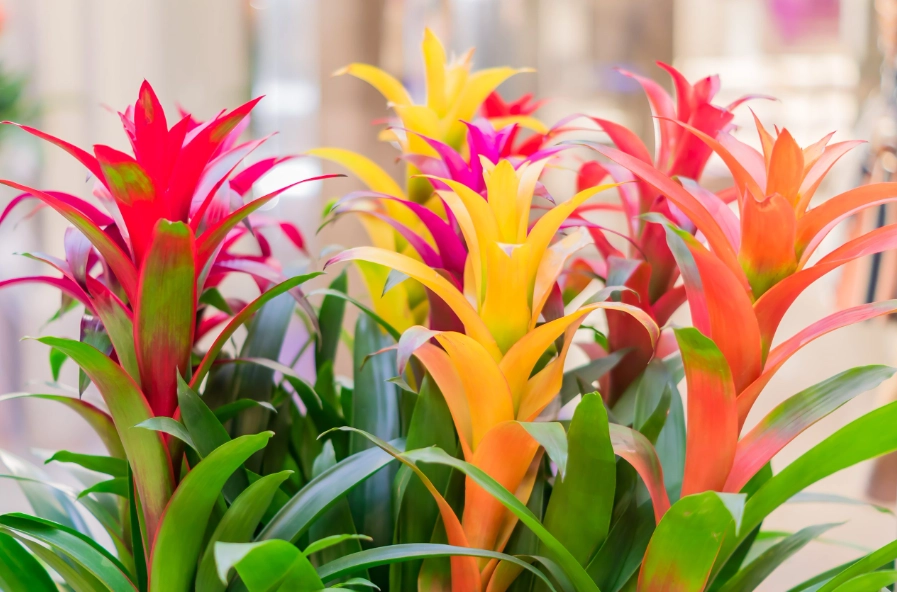
They like it warm – between 65°F and 80°F (18°C - 27°C). Avoid drafts from air conditioners or heaters. Humidity is their best friend. Aim for 50-60%. If your air is dry (especially in winter), group it with other plants, place it on a pebble tray, or use a small humidifier. Misting does almost nothing for humidity; it's a temporary fix at best.
Fertilizing: Go very light. During the growing season (spring/summer), you can add a quarter-strength liquid fertilizer to the water in the central cup once a month. Use an orchid or bromeliad fertilizer if you can. Do not fertilize in fall/winter. Over-fertilizing burns the leaves and pollutes the central cup.
Potting Mix & Repotting: They need incredible drainage. A commercial orchid mix (bark-based) is perfect. You can also make your own with equal parts orchid bark, perlite, and a tiny bit of peat or coco coir. Repotting is rarely needed unless the plant is top-heavy or you're separating pups. The pot should be small – they have tiny root systems. A 4-6 inch pot is usually the final size.
What Happens After the Bloom? (The Pup Stage)
The flower spike finally fades after several glorious months. Don't panic. This is the natural cycle. The mother plant will start to look a bit sad as it redirects energy to producing baby plants, called "pups," at its base.
Do not cut the flower spike off immediately. Let it brown naturally. Keep caring for the mother plant as usual – water in the cup, provide light. Her job now is to nurture the pups until they are about one-third to one-half her size. This takes 3-6 months.
When the pups are big enough, you can carefully remove them with a clean, sharp knife, ensuring each has some roots attached. Pot them individually in small pots with your airy mix. They might take 1-3 years to mature and bloom themselves. Patience is key. You've just propagated your Guzmania for free.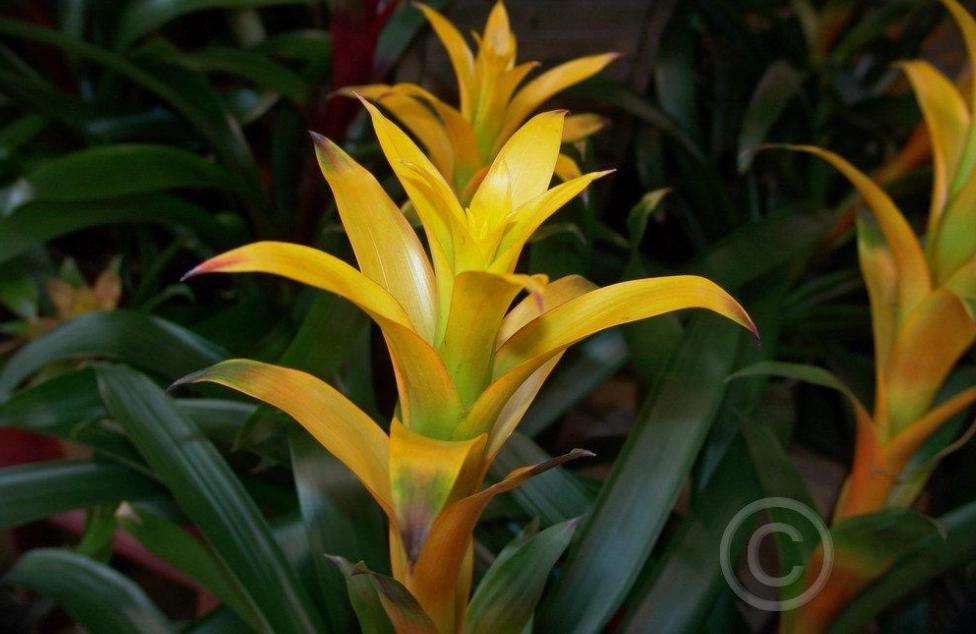
Troubleshooting Common Guzmania Problems
Leaves talking to you. Here’s what they’re saying.
- Brown Leaf Tips: Usually low humidity or minerals in your water. Switch to distilled/rainwater and boost humidity.
- Soft, Mushy Base or Brown Leaves at Bottom: Classic root rot from overwatering the soil. You might be able to save it if the core is firm. Stop watering the soil completely, only use the cup. Improve air circulation.
- Pale, Streaked, or Bleached Leaves: Too much direct sun. Move it to a shadier spot.
- Green, Floppy Growth (No Color): Not enough light. Move it brighter.
- No Pups After Flowering: The plant might need a bit more light or a very dilute feed to have energy for reproduction. But sometimes it just takes time.
Your Guzmania Questions, Answered
Can I save a Guzmania after it blooms?
You can't save the original mother plant from its natural death cycle, but you can save its legacy. The goal post-bloom isn't to revive the old plant, but to nurture the pups it produces. Focus your care on helping those pups grow strong.
Why is the central cup of my Guzmania smelling bad?
That's stagnant water rotting. You've forgotten to flush it. Immediately tip out all the old water. Rinse the cup gently with fresh water to dislodge any debris. Going forward, set a monthly reminder to flush and refill the cup. This is non-negotiable for plant health.
 My Guzmania hasn't bloomed in years. How do I force it to flower?
Mature pups often need a trigger. The old gardener's trick is with ethylene gas. Place the plant in a clear plastic bag with a ripe apple for 5-7 days (keep it out of direct sun). The ethylene the apple gives off can induce flowering. Ensure the plant is mature enough (1-3 years old, full-sized) and has had good light leading up to this.
Are Guzmania plants toxic to cats or dogs?
According to the ASPCA, plants in the Bromeliaceae family are generally considered non-toxic to cats and dogs. However, the fibrous leaves can cause mild stomach upset if ingested in large quantities. It's always best to keep plants out of reach of curious pets.
What's the difference between a Guzmania and other bromeliads like Aechmea or Tillandsia?
Guzmania typically have softer, greener leaf bands and their spectacular color comes from large, showy bracts. Aechmea (like the popular Aechmea fasciata) often have silvery, banded, spikier leaves and a pink flower spike. Tillandsia are mostly air plants that don't need potting soil. Guzmania are generally considered the most "low-light tolerant" of the common tank-type bromeliads you find in stores.
So there you have it. Guzmania care boils down to mimicking a tree branch in a humid forest: bright filtered light, water in the central cup (not the soil), and warmth. Nail those, and you'll not only keep that stunning bloom vibrant for months, but you'll also be rewarded with a new generation of plants. It's a fascinating lifecycle to witness on your own windowsill.
Comments