Let's be honest. You've probably killed a plant or two. Maybe you forgot to water it for a month. Maybe you gave it too much love (and water). I've been there. That's exactly why I fell in love with snake plants, or Sansevieria if you want to get scientific. They're the plants that laugh in the face of neglect. I've had one in a dim corner of my bathroom for three years, and it's not just alive—it's sprouted new pups. If you want greenery in your life without the constant anxiety, you're in the right place.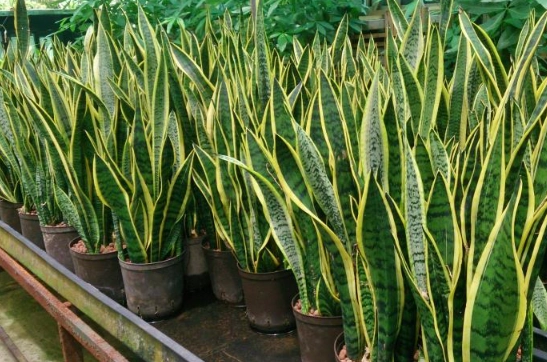
What You'll Learn in This Guide
Why Snake Plants Are the Perfect Starter Plant (And More)
It's not just hype. NASA's famous Clean Air Study put snake plants on the map for their ability to remove toxins like benzene, formaldehyde, and xylene from indoor air. They're one of the few plants that convert CO2 to oxygen at night, making them a popular, though debated, choice for bedrooms. But beyond the science, their real superpower is resilience.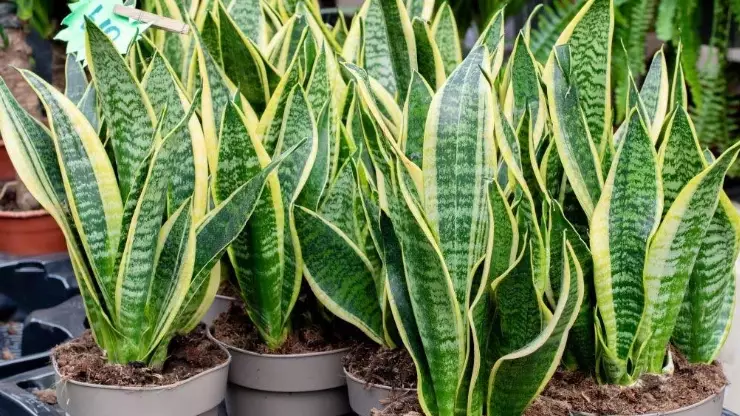
Here's the thing most blogs don't tell you: The common advice to "thrive on neglect" can be misleading. They tolerate neglect better than most, but to truly see them grow and produce those satisfying new shoots, they need a bit more than just existence. The goal is to move from keeping it alive to helping it thrive.
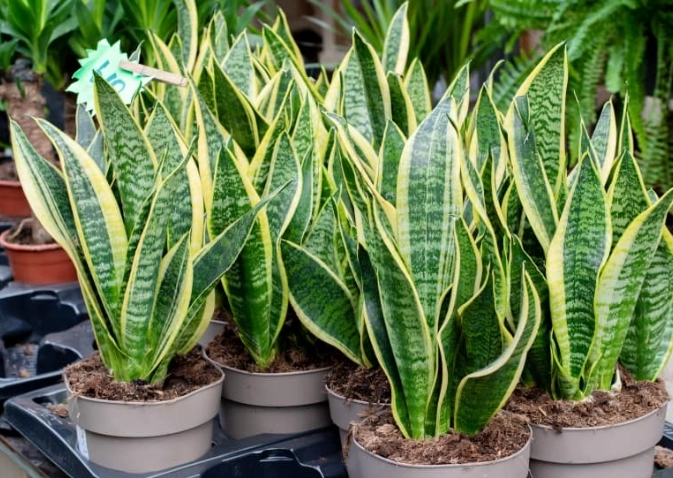
Their architectural, upright leaves add a modern touch to any space. They're slow growers, which is actually a benefit—you won't need to repot them every year. And with varieties ranging from classic green-and-yellow to cylindrical spears and compact rosettes, there's a snake plant for every aesthetic.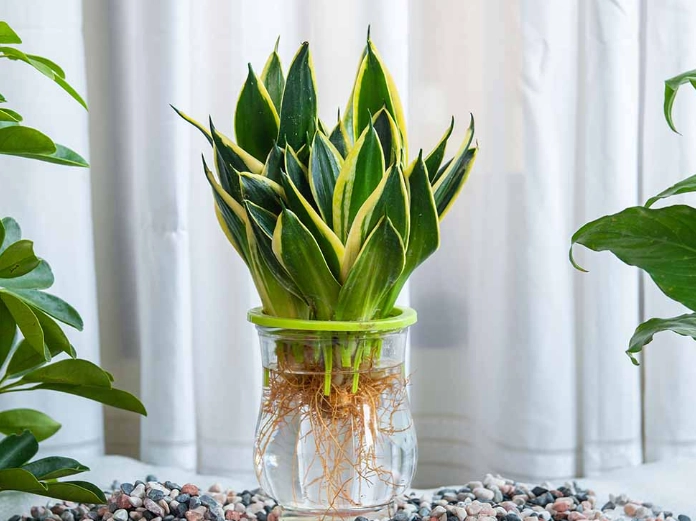
The Complete Snake Plant Care Guide
Forget complicated schedules. Caring for a snake plant is about understanding its language. Yellow leaves? It's talking. Mushy base? It's shouting.
Light: They're Flexible, Not Nocturnal
Yes, they tolerate low light. But "tolerate" means survival, not growth. In a very dark room, growth will stall completely. For best results, provide bright, indirect light. A few feet from a north or east-facing window is ideal. They can handle some direct morning sun, but harsh afternoon rays can scorch the leaves, leaving bleached, crispy patches. If the only spot you have is dim, go for it—it won't die. Just don't expect a jungle.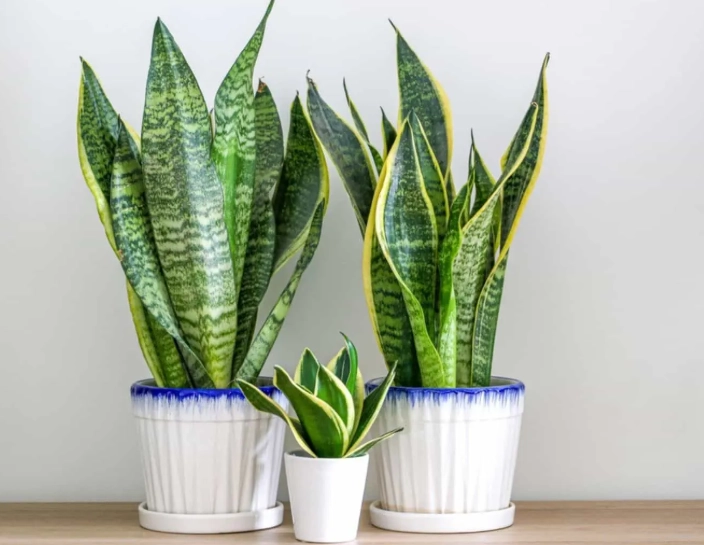
Watering: The Number One Killer
This is where almost everyone goes wrong. Snake plants are succulents. Their rhizomes (thick underground stems) and leaves store water. Overwatering leads to root rot, a silent killer.
The Expert Rule: Water only when the soil is completely dry all the way to the bottom of the pot. In winter, this could mean watering only once a month or even less. Stick your finger deep into the soil. If it feels damp, wait. When you do water, drench the soil thoroughly until water runs out the drainage holes, then let all excess drain away. Never let the pot sit in a saucer of water.
Less is more.
Soil and Potting: Drainage is Everything
Use a well-draining, sandy potting mix. A standard cactus/succulent mix works perfectly. You can make your own with two parts regular potting soil, one part perlite, and one part coarse sand. The pot must have drainage holes. Terracotta pots are excellent because they wick away extra moisture. Repot only when the plant is severely root-bound—you see roots circling the bottom or even cracking the pot. This might be every 3-5 years.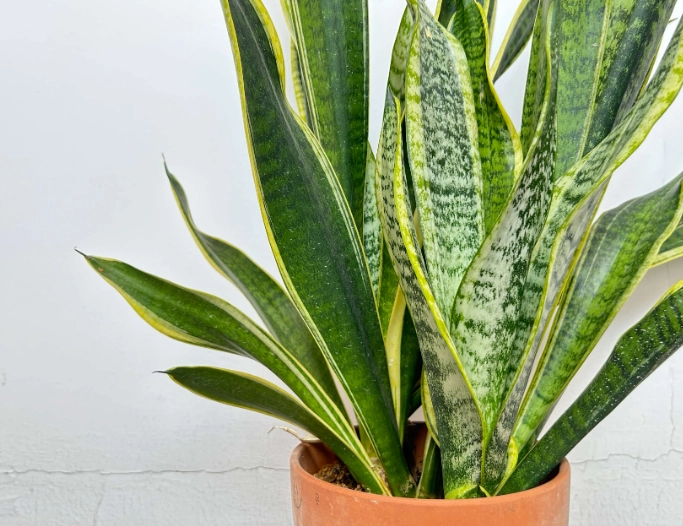
Temperature and Humidity
Easy. Average household temperatures (60-80°F or 15-27°C) are perfect. Avoid drafts from cold windows or heating vents. They handle standard home humidity just fine; you don't need to mist them. In fact, misting can encourage fungal issues on the leaves.
Fertilizing: A Light Touch
Snake plants aren't heavy feeders. Fertilize sparingly during the growing season (spring and summer) with a balanced, diluted houseplant fertilizer (half-strength is plenty). Do it once, maybe twice during that period. Stop fertilizing completely in fall and winter. Over-fertilizing can cause weak, floppy growth and burn the roots.
How to Choose the Right Snake Plant Variety
Not all snake plants are the same tall, green swords. Here's a quick guide to some popular types to help you pick.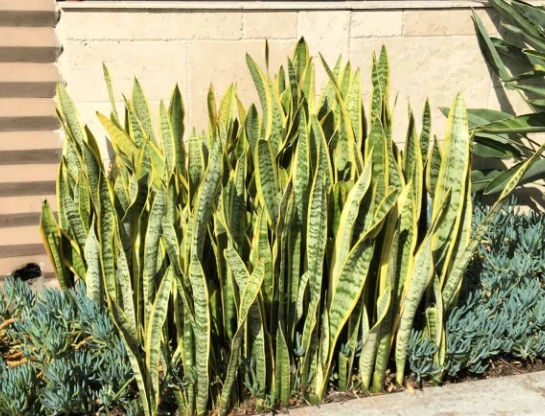
| Variety Name | Key Features | Best For | Growth Speed |
|---|---|---|---|
| Sansevieria trifasciata 'Laurentii' | The classic. Tall, stiff leaves with bright yellow vertical margins. | Floor corners, statement piece. | Moderate |
| Sansevieria cylindrica (Cylindrical Snake Plant) | Round, spear-like leaves that grow straight up. Often braided. | Modern, sculptural looks. Desk plant. | Slow |
| Sansevieria trifasciata 'Hahnii' (Bird's Nest) | Short, rosette-forming. Only grows 6-8 inches tall. | Small spaces, shelves, tabletops. | Slow |
| Sansevieria moonshine | Wide, silvery-green, almost mint-colored leaves. | Lightening up dark corners. Unique color. | Moderate |
| Sansevieria trifasciata 'Black Coral' | Dark green, almost black horizontal bands on deep green leaves. | Dramatic, moody aesthetics. | Moderate |
The Easiest Method to Propagate Your Snake Plant
Want free plants? Propagation is surprisingly simple. The most foolproof method is division. When you repot a mature plant that has produced "pups" (baby plants), you can gently separate them from the mother plant, ensuring each has some roots attached. Pot them up individually. It's instant gratification.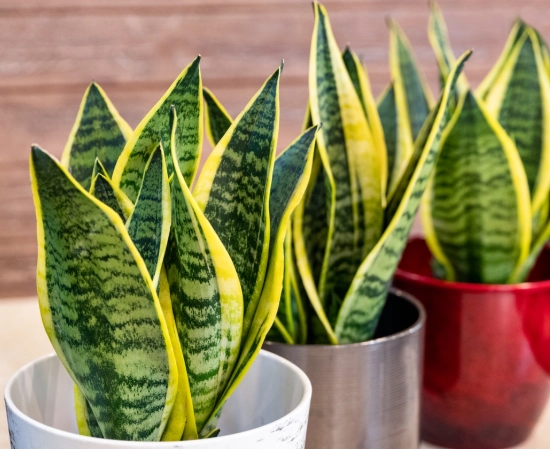
You can also propagate from leaf cuttings in water or soil, but here's a catch with variegated types like 'Laurentii': propagating a leaf cutting in soil will often result in a plain green plant, losing the yellow edges. The variegation is tied to the original plant's rhizome. Division preserves it.
Expert Answers to Your Tricky Snake Plant Questions
Why are the tips of my snake plant turning brown and crispy?
This is almost always a sign of inconsistent watering or low humidity. You might be letting the soil get too dry for too long, then flooding it. The roots get stressed. Fluoride or salts in tap water can also cause tip burn. Try using filtered or distilled water, and aim for a more consistent watering rhythm (still only when dry, but don't let it sit bone-dry for weeks on end). Snip the brown tips off at an angle to follow the leaf's natural shape if they bother you.
My snake plant leaves are getting soft and mushy at the base. Can I save it?
Mushiness means root rot from overwatering. Stop watering immediately. You need to perform surgery. Take the plant out of its pot, wash off the soil, and cut away any black, mushy roots and soft leaves with a sterile knife. Let the plant and its remaining healthy roots air dry for a day or two. Repot in fresh, dry succulent mix and a clean pot with drainage. Do not water for at least a week. This gives the cuts time to callous. It's a 50/50 chance, but worth a shot.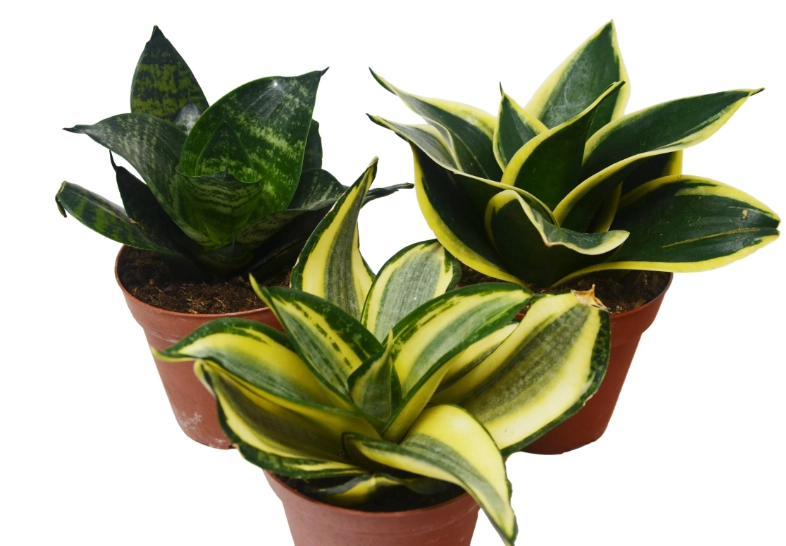
Is it true snake plants are toxic to cats and dogs?
Yes. According to the ASPCA (American Society for the Prevention of Cruelty to Animals), snake plants contain saponins, which can cause nausea, vomiting, and diarrhea if ingested by pets. The plant is considered mildly toxic. It's not typically fatal, but it will cause discomfort. If you have a curious pet that likes to chew leaves, place the plant well out of reach—a high shelf or in a room they can't access. The tall, stiff leaves of many varieties are less tempting than dangling vines, which helps.
How fast do snake plants actually grow?
Slowly. Don't expect dramatic changes week-to-week. In ideal conditions (good light, warm temps, occasional fertilizer), you might get 2-4 new leaves per growing season. In low light, growth may be virtually zero. This isn't a failure—it's their nature. Appreciate them as slow, steady architectural elements rather than rapid growers.
Can I put a snake plant in a windowless bathroom?
You can, but manage your expectations. It will survive for a long time due to the humidity, but it will not grow. It's in a state of suspended animation. If you want a plant that merely exists as green decor there, it'll work. If you want a plant that thrives and produces new leaves, it needs some source of light, even if it's just a bright LED bulb left on for 8-10 hours a day.
So there you have it. The snake plant isn't just a trendy piece of decor; it's a testament to adaptable life. It asks for little and gives back clean air and quiet confidence. Start with one. You might just find yourself, like I did, with a collection of these sculptural survivors, each with its own story of resilience.

Comments