So you've got a cactus. Maybe it's a prickly pear, a saguaro, or one of those trendy little guys from the grocery store. You water it when you remember, give it some sun, and hope for the best. But let's be real – most of us end up with a sad, shriveled plant or worse, a mushy mess. I've been there. In my early days of cactus parenting, I killed more plants than I'd like to admit. Overwatering was my downfall. That's when I decided to dig deeper into cactaceae care, and now I'm sharing the hard-earned lessons.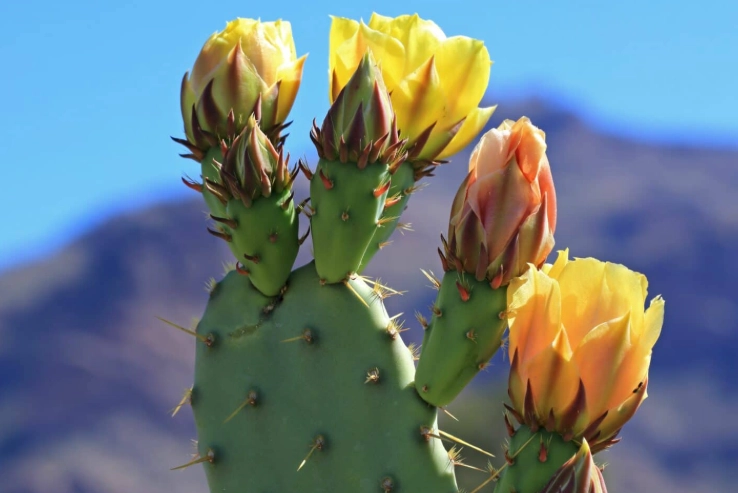
What You'll Learn Today
How to Water Cacti Without Killing Them
Watering is the number one killer of cacti. It's not neglect – it's overwatering. Most guides say "water sparingly," but what does that even mean? Here's the deal: cacti are desert plants. They store water in their stems. Too much water leads to root rot. Too little, and they shrivel. The key is to mimic their natural environment.
Use the soak and dry method. Water thoroughly until it drains out the bottom, then wait until the soil is completely dry before watering again. Stick your finger in the soil – if it's dry an inch down, it's time. In summer, this might be every 2-4 weeks. In winter, maybe once a month or less. It depends on your home's humidity and temperature.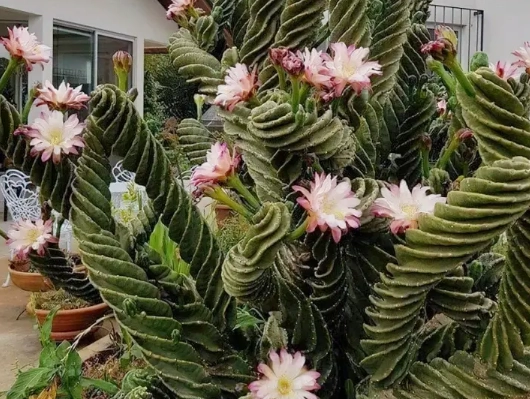
Signs of overwatering: yellowing, soft stems, black spots. Signs of underwatering: shriveled, wrinkled skin. If you see mushiness, you've gone too far. Let it dry out completely. Sometimes, you can save it by cutting off the rot and letting it callous.
Light Requirements for Optimal Growth
Cacti love light. Think about their natural habitat – deserts with intense sun. They need at least 6 hours of direct sunlight daily. A south-facing window is ideal. If you're in a darker space, consider grow lights. I use LED ones, and my cacti have never been happier.
But too much direct sun can cause sunburn. Yes, cacti can get sunburned. If you see discoloration or scorch marks, move it to a slightly shadier spot. Gradually introduce it to more light.
Rotate your cactus every few weeks to ensure even growth. They'll lean toward the light, and rotating prevents them from getting lopsided.
Soil and Potting: The Foundation of Health
The right soil mix is non-negotiable. Cacti need well-draining soil to prevent root rot. Most commercial cactus mixes work, but you can make your own. Aim for 50% potting soil, 25% perlite, and 25% coarse sand. Avoid organic matter that retains moisture.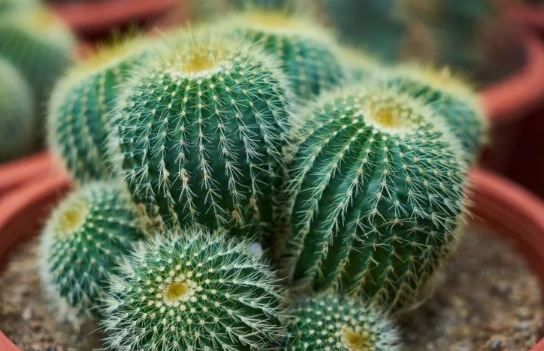
Terracotta pots are best because they're porous and allow soil to dry evenly. Plastic pots retain moisture, which can be risky. Ensure your pot has drainage holes. If it doesn't, drill some. It's that important.
When repotting, choose a pot only slightly larger than the root ball. Too much space holds excess moisture. Gently remove the cactus, shake off old soil, and place it in the new pot with fresh mix. Wait a week before watering to let the roots settle.
Common Cacti Care Mistakes (From an Expert Who Made Them All)
I've made every mistake in the book. Here's what to avoid:
- Overwatering: This is the biggest killer. When in doubt, wait it out.
- Using the wrong soil: Regular potting soil holds too much moisture. Always use a cactus mix.
- Poor drainage: If water sits at the bottom, roots rot. Ensure your pot has holes.
- Too much fertilizer: Cacti are light feeders. Use a diluted, balanced fertilizer during growing season.
- Ignoring pests: Mealybugs and spider mites happen. Check regularly and treat with insecticidal soap.
One time, I watered my cactus every week because I thought it looked thirsty. It turned to mush. Lesson learned: when in doubt, don't water. Wait until the soil is bone dry.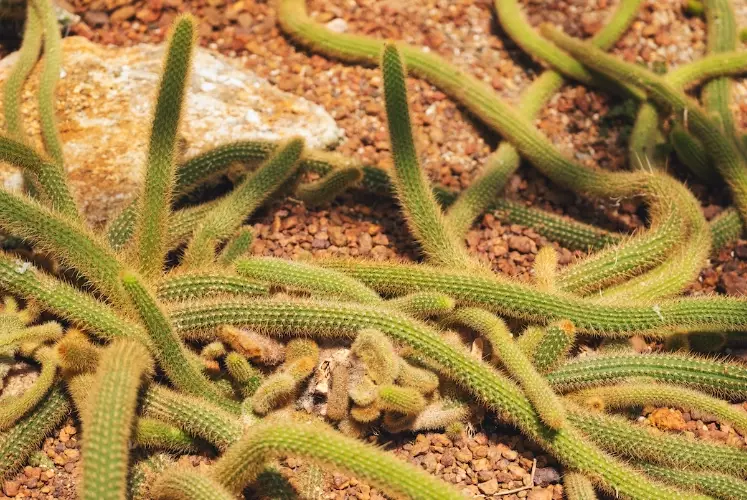
Frequently Asked Questions
Caring for cactaceae plants doesn't have to be a mystery. With the right approach to watering, light, and soil, you can enjoy these resilient plants for years. Remember, when in doubt, don't water. Your cactus will thank you.
Comments