Quick Care Guide
- Where to Put Your Birkin: The Light Dilemma
- Watering: The Art of Not Drowning It
- Soil and Potting: Giving the Roots a Good Home
- Humidity & Temperature: Creating a Cozy Atmosphere
- Feeding Your Plant: A Light Diet
- Common Philodendron Birkin Problems & Solutions
- Pruning and Propagation
- Putting It All Together: A Birkin Care Checklist
So you brought home a Philodendron Birkin. Good choice. That white pinstriping on deep green leaves is seriously eye-catching, isn't it? It sits there looking all sophisticated and elegant, and then you start wondering... how do I not kill this thing? I've been there. My first Birkin had a rough patch (mostly my fault), but we figured it out together. Turns out, philodendron birkin care isn't rocket science, but there are a few key things it really appreciates. Let's walk through everything, from the perfect spot by your window to what to do when a leaf decides to turn brown on you.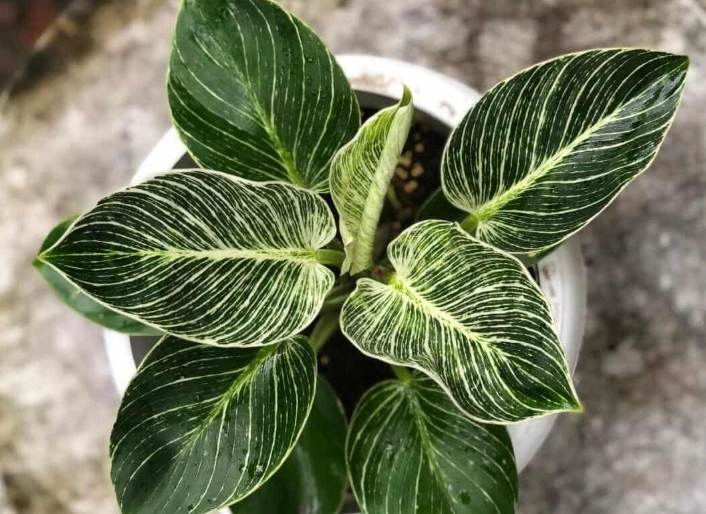
First off, what even is a Birkin? It's a bit of a mystery plant, a spontaneous mutation often thought to come from the Philodendron 'Congo' or 'Rojo Congo'. It's not one you'll find crawling around the jungle floor. This one's a cultivated show-off, and those stunning white or cream stripes (variegation, in plant nerd terms) are unstable. That's part of the fun – sometimes it might throw out a mostly white leaf, or even revert back to a solid green or reddish one. Don't panic if that happens.
Where to Put Your Birkin: The Light Dilemma
This is the single most important part of philodendron birkin care. Get the light wrong, and everything else becomes an uphill battle. Those beautiful stripes? They depend on light.
Think bright, but not direct. A sunbeam hitting its leaves directly through a south-facing window at noon in summer will likely scorch it, leaving ugly brown or yellow patches. I learned this the hard way with a crispy leaf tip souvenir. On the flip side, stick it in a dark corner, and you'll get a sad, leggy plant stretching for light, with smaller leaves and those famous stripes fading away or not appearing at all. The plant might even start reverting to solid green.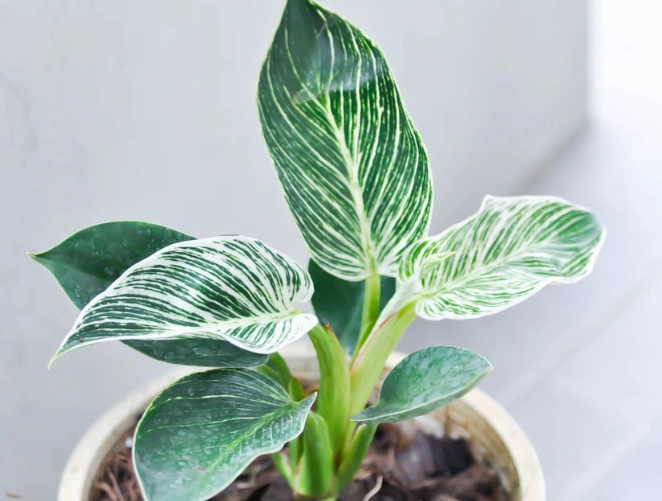
The sweet spot is bright, indirect light. An east-facing window is pure gold for philodendron birkin care. It gets that gentle morning sun. A north-facing window can work if it's really big and bright. A south or west window? Perfect, but set the plant back a few feet from the glass or use a sheer curtain as a filter. If you only have lower light, consider a grow light. It's a game-changer, especially in winter.
Here’s a quick cheat sheet for light:
| Light Situation | What Happens to Your Birkin | Is It Okay? |
|---|---|---|
| Bright, Indirect Light (East window, filtered South/West) | Thrives! Compact growth, large leaves, strong white variegation. | Ideal |
| Medium Indirect Light (North window, room interior) | Will grow, but slower. Variegation may be less pronounced. | Acceptable |
| Low Light (Far from any window) | Leggy growth, small leaves, loss of variegation, higher risk of overwatering. | Not Recommended |
| Direct Sun (Hot midday sun) | Leaf scorch (brown, crispy patches). | Avoid |
Watering: The Art of Not Drowning It
Overwatering is the #1 killer of houseplants, and Birkins are no exception. They like to dry out a bit between drinks. I stick my finger in the soil – the top inch or two should feel dry before I even think about the watering can. For my plant in a ceramic pot, that's about once a week in summer and maybe every 10-14 days in winter, but your schedule will depend on your light, humidity, and pot type.
When you do water, do it thoroughly. Take it to the sink and water until you see it running freely out of the drainage holes. Let it drain completely before putting it back in its decorative cover pot. No plant likes wet feet. Sitting in a saucer of water is a fast track to root rot, which smells awful and is a real headache to fix.
Signs you're overwatering: yellowing leaves (especially lower ones), consistently wet soil, a mushy stem base. Signs you're underwatering: drooping leaves, soil pulling away from the pot edges, crispy brown leaf edges (though this can also be low humidity).
Soil and Potting: Giving the Roots a Good Home
You want a mix that holds some moisture but drains excellently. A standard peat-based potting mix straight from the bag often holds too much water. I like to jazz mine up. A simple recipe is two parts of a good quality all-purpose potting mix, one part perlite, and one part orchid bark (or coco chips). The perlite and bark create air pockets, letting oxygen reach the roots and preventing compaction.
Speaking of roots, your Birkin will be happiest when slightly root-bound. Don't rush to repot it into a huge mansion. Only size up when you see roots circling the bottom of the pot or growing out of the drainage holes. A pot 1-2 inches larger in diameter is plenty. And please, make sure it has drainage holes. Non-negotiable.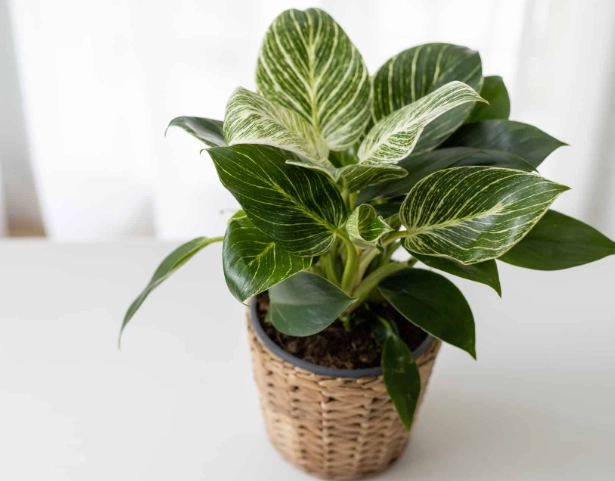
When and How to Repot
Spring or early summer is the best time. Gently tip the plant out. Tease the roots apart a little if they're a tight mass. Place it in the new pot with some fresh mix at the bottom, fill in the sides, and water it well to help it settle. It might sulk for a week or two after repotting – that's normal. Just keep it in its usual spot with good light.
Humidity & Temperature: Creating a Cozy Atmosphere
Philodendron Birkin care gets easier if you can bump up the humidity. They're tropical plants, after all. They can tolerate average home humidity (around 40-50%), but they truly shine at 60% or higher. Low humidity is often the culprit behind those annoying brown, crispy leaf tips.
How to increase humidity? You've got options:
- Pebble Tray: Simple and effective. Fill a tray with pebbles and water, set the pot on top (not *in* the water).
- Grouping Plants: Plants create their own little humid microclimate.
- Humidifier: The best solution, especially in dry climates or heated rooms in winter. My plants visibly perk up when I run mine.
As for temperature, keep it in the comfortable human range: 65-80°F (18-27°C). Avoid cold drafts from windows or doors in winter, and keep it away from hot air vents and radiators that will dry it out.
Feeding Your Plant: A Light Diet
Birkins aren't heavy feeders. During the growing season (spring and summer), a balanced liquid fertilizer diluted to half the recommended strength once a month is perfect. I use a regular 10-10-10 or a 3-1-2 ratio formula. In fall and winter, when growth slows, stop fertilizing. Feeding a dormant plant can lead to salt buildup in the soil and burn the roots.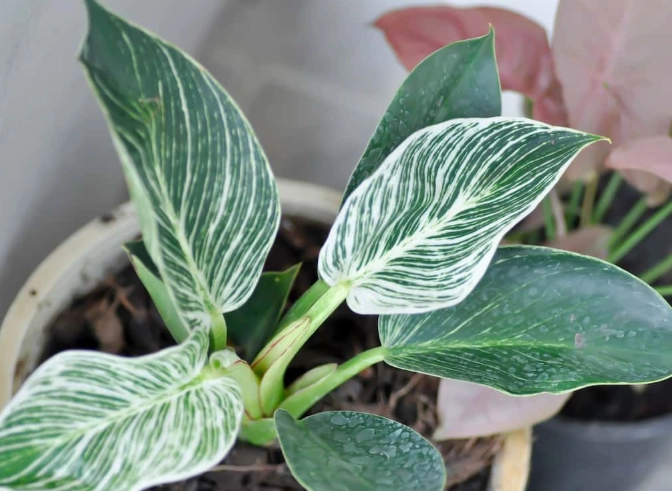
An occasional treat is to use a fertilizer with a bit of calcium and magnesium, or to add some worm castings to your soil mix when repotting for a gentle, organic boost.
Common Philodendron Birkin Problems & Solutions
Let's be real, things sometimes go wrong. Here’s a troubleshooting guide for the most common philodendron birkin problems.
Yellow Leaves
The classic cry for help. Older leaves turning yellow and dropping is usually normal senescence – the plant shedding old growth. No big deal. If multiple leaves or new growth is turning yellow, it's likely overwatering. Check your soil moisture and watering habits first.
Brown Leaf Tips or Edges
This is almost always a humidity issue, or sometimes underwatering or fertilizer burn. Increase ambient humidity first. Also, make sure you're watering thoroughly when you do water, and that you're not over-fertilizing.
Leaves Losing Variegation / Turning Solid Green
Your plant isn't getting enough light. It's reverting to a more energy-efficient, all-green form. Move it to a brighter location (indirect light, remember!). Sometimes you get a solid green leaf or two; you can prune these off if you want to encourage the striped growth.
Drooping Leaves
Usually a sign of thirst (underwatering). Give it a good drink. It can also happen after repotting (transplant shock) or if the roots are damaged from rot.
Pests
Keep an eye out for the usual suspects: spider mites (look for fine webbing, especially in dry conditions), mealybugs (look like tiny white cotton balls), and scale (bumpy brown discs on stems/leaves). Isolate any infected plant immediately. Wipe leaves with a damp cloth regularly as prevention. For treatment, insecticidal soap or neem oil sprays are good first steps. The University of California Statewide Integrated Pest Management Program has excellent, detailed guides on managing these common houseplant pests if you have a serious infestation.
Pruning and Propagation
Pruning is simple. Use clean, sharp scissors or pruners. You can remove any yellow or damaged leaves at the base of their stem. To control size or encourage bushier growth, you can cut just above a leaf node (the little bump on the stem where a leaf attaches).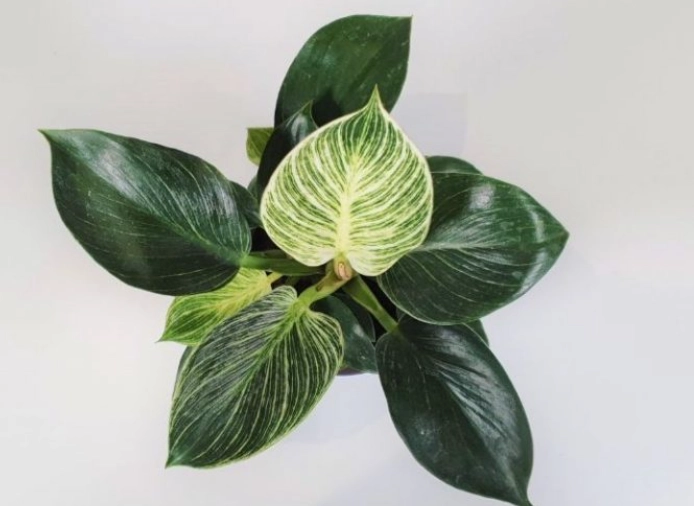
Those cuttings you just took? Don't throw them away! You can propagate your Birkin easily in water or moss. Make sure your cutting has at least one node (that's where the roots will sprout from) and one or two leaves. Pop it in a glass of water, change the water weekly, and wait for roots to grow a couple of inches long before potting it up. Or, place it in damp sphagnum moss in a sealed container for a "mini greenhouse" effect. The Missouri Botanical Garden, a fantastic resource for all things botanical, notes that aroids (the family Philodendrons belong to) generally root quite readily from stem cuttings.
Your Philodendron Birkin Care Questions Answered
Putting It All Together: A Birkin Care Checklist
Feeling overwhelmed? Don't be. Once you get the rhythm, philodendron birkin care is straightforward. Here’s your quick-reference checklist:
- Light: Bright, indirect is king. An east window is perfect.
- Water: Let the top soil dry out. Water thoroughly, then let drain completely.
- Soil: Airy and well-draining. Add perlite and bark to potting mix.
- Humidity: The higher the better (60%+). Use a humidifier or pebble tray to prevent crispy tips.
- Food: Half-strength balanced fertilizer, once a month in spring/summer only.
- Temperature: Keep it cozy, between 65-80°F.
- Repot: Only when root-bound, in spring.
- Propagate: Easy with stem cuttings in water or moss.
At the end of the day, plants want to live. Your Birkin is tougher than it looks. Pay attention to it—notice how the leaves feel, how heavy the pot is when dry versus wet. That connection is the real secret to philodendron birkin care, more than any rigid schedule. Good luck, and enjoy your stunning, striped companion!
Comments