In This Guide
- What Exactly Is a Golden Pothos Plant?
- The Complete Golden Pothos Care Routine (No Fluff)
- Solving Common Golden Pothos Problems (Before They Become Disasters)
- How to Propagate Your Pothos: Make Free Plants!
- Golden Pothos vs. The Rest: A Quick Varieties Comparison
- Your Golden Pothos Questions, Answered
- Final Thoughts: Embracing the Easygoing Friend
Let's be honest. You probably got your first pothos golden plant because someone told you it was impossible to kill. Maybe you needed a bit of green in a dim corner, or you wanted to test your plant-parenting skills without committing to a high-maintenance diva. I get it. My first golden pothos was a rescue from a friend who was moving. It had three sad leaves and looked, well, pathetic.
Fast forward five years, and that same plant has trailed across an entire bookshelf, been chopped and propagated a dozen times, and gifted to friends. It's survived missed waterings, low light, and even a curious cat (more on that later). The golden pothos, or Epipremnum aureum if you want to be fancy, is the gateway drug of the houseplant world. It's forgiving, beautiful, and incredibly versatile.
But here's the thing. "Hard to kill" doesn't mean "impossible to make miserable." I've seen plenty of golden pothos plants just surviving, not thriving—with sparse leaves, lost their golden variegation, or sporting more yellow than green. That's why I'm writing this. Not just to tell you it's easy, but to show you how to make yours spectacular. We're going beyond basic survival.
What Exactly Is a Golden Pothos Plant?
Before we dive into care, let's know our plant. The golden pothos is a tropical vine native to French Polynesia. In the wild, it's a monster, climbing high into the forest canopy with leaves that can grow massive. Indoors, it's a much more manageable, cascading beauty. You'll also hear it called Devil's Ivy, and not just because it's stubbornly resilient. Legend has it the name comes from its ability to stay green even in near darkness. It's a member of the Araceae family, related to peace lilies and monsteras.
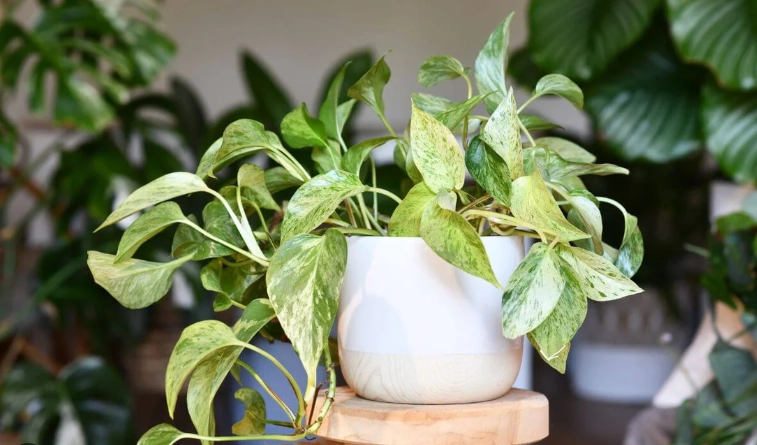
Its most striking feature is, of course, the leaves. They're a vibrant green splashed and marbled with golden-yellow. No two leaves are exactly alike, which is part of the charm. It grows by sending out long vines from a central root system. You can let these vines trail down from a shelf or planter, or train them to climb a moss pole or trellis, which encourages larger leaf growth.
I remember thinking my plant was broken when a new leaf unfurled almost completely pale yellow. Turns out, that's normal, especially for leaves that get a lot of light. They often darken to a more green-gold mix as they mature.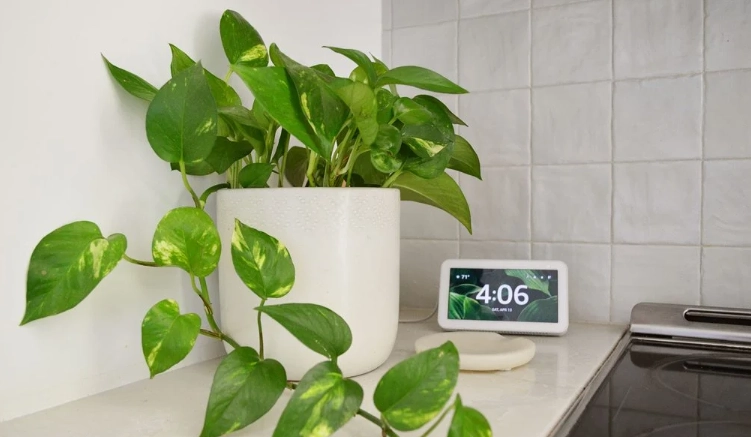
The Complete Golden Pothos Care Routine (No Fluff)
Okay, let's get practical. Here’s exactly what your pothos golden plant needs to go from okay to outstanding.
Light: The Golden Rule for Golden Variegation
This is the most important factor, hands down. The golden pothos is famous for tolerating low light, but "tolerating" and "loving" are two different things. In very low light, it will survive, but its growth will be slow, leggy (long stretches of vine between leaves), and—here's the kicker—it will lose its beautiful golden variegation. The leaves will revert to mostly solid green as the plant tries to maximize chlorophyll production to capture what little light there is.
For the best color and bushy growth, bright, indirect light is the sweet spot. Think near an east or north-facing window, or a few feet back from a south or west window where the sun's rays don't directly hit the leaves. Direct afternoon sun can scorch the leaves, leaving ugly brown patches. I learned this the hard way with a plant on a sunny windowsill. The leaves facing the window got crispy tips.
Watering: The Number One Killer (Usually from Kindness)
Overwatering is the fastest way to send your devil's ivy plant to an early grave. Its roots need to breathe, and sitting in soggy soil leads to root rot—a nasty, often fatal condition. So, how do you water correctly?
Forget a schedule. Watering every Tuesday because it's Tuesday is a recipe for disaster. Instead, check the soil. The best method is the finger test. Stick your finger about an inch or two into the potting mix. If it feels dry, it's time to water. If it still feels damp, wait. It's that simple.
When you do water, do it thoroughly. Take the plant to the sink and water until you see it running freely out of the drainage holes at the bottom of the pot. This ensures the entire root ball gets hydrated. Let it drain completely before putting it back in its decorative pot or saucer. Never let it sit in a saucer of water.
Signs of overwatering? Yellowing leaves, especially older ones, and a general soggy, wilted look even when the soil is wet. Signs of underwatering? The leaves will get limp, droopy, and the soil will pull away from the edges of the pot. The good news is, a thirsty pothos golden plant bounces back incredibly fast after a good drink. An overwatered one... not so much.
Soil and Potting: Giving Roots Room to Breathe
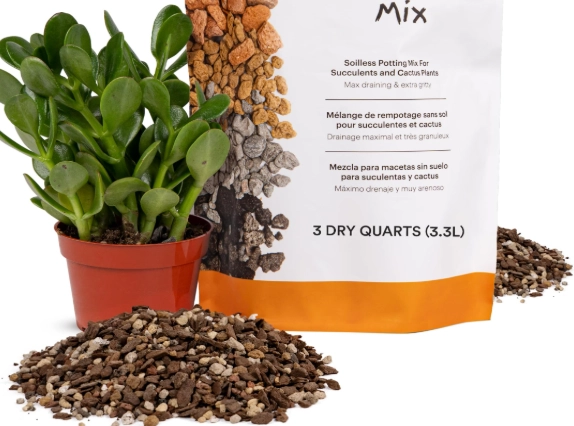
Your pothos isn't picky, but it does need well-draining soil. A standard, good-quality potting mix works fine. If you want to give it a premium home, you can mix in some perlite or orchid bark (about 20-30%) to increase aeration and drainage. This is especially helpful if you tend to be an over-enthusiastic waterer.
Pot choice matters. Always, always use a pot with drainage holes. Terracotta pots are fantastic for pothos because they're porous and help wick away excess moisture from the soil, reducing the risk of overwatering. You'll need to water a bit more often than with a plastic pot, but it's a safer bet for beginners.
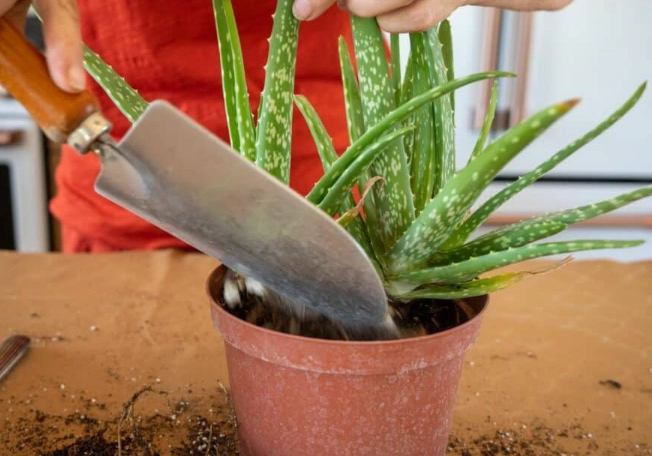
When should you repot? When you see roots poking out of the drainage holes, or when the plant seems to dry out impossibly fast. Typically, every 1-2 years. Only go up one pot size (about 1-2 inches larger in diameter). A pot that's too big holds too much wet soil around the small root ball, inviting rot.
Temperature, Humidity, and Food
Temperature: Your home is probably perfect. They like the same temperatures you do, between 65-85°F (18-29°C). Avoid cold drafts from windows or doors in winter, and don't place them directly next to heating or AC vents.
Humidity: While they appreciate higher humidity (they are tropical, after all), golden pothos plants are very adaptable to average household humidity. If your air is very dry (like in winter with heating on), you might see some brown, crispy leaf tips. A simple humidifier nearby, a pebble tray, or occasional misting can help. But it's rarely a critical issue.
Fertilizer: To encourage vigorous growth, especially during the spring and summer, feed your plant. A balanced, water-soluble houseplant fertilizer (like a 10-10-10 or 20-20-20) diluted to half strength every 4-6 weeks during the growing season is perfect. In fall and winter, you can stop or reduce feeding significantly as growth slows. Don't over-fertilize—it can cause salt buildup in the soil and burn the roots. If in doubt, less is more.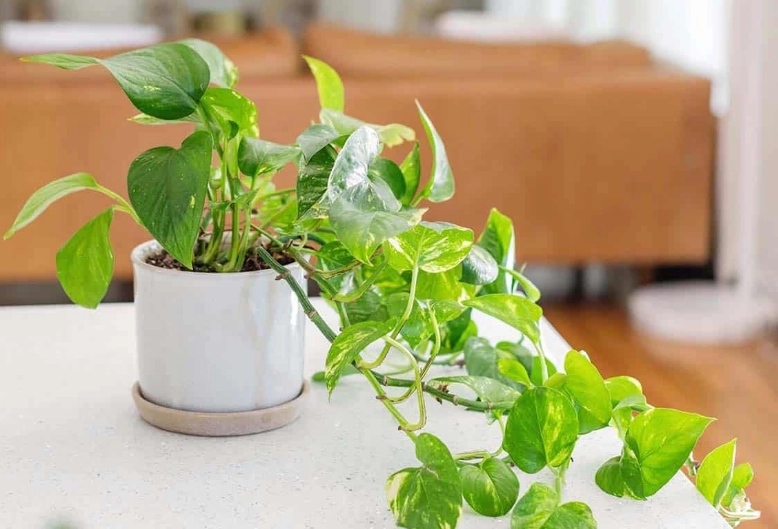
Solving Common Golden Pothos Problems (Before They Become Disasters)
Even the toughest plants have issues. Here's how to diagnose and fix the most common complaints with your pothos golden plant.
| Symptom | Likely Cause | How to Fix It |
|---|---|---|
| Yellow Leaves | Most often overwatering. Could also be natural aging (if it's just one old leaf). | Check soil moisture. Let soil dry out more between waterings. Ensure pot has drainage. |
| Brown, Crispy Leaf Tips/Edges | Low humidity, underwatering, or fertilizer burn. | Increase humidity slightly, check watering frequency, flush soil if over-fertilized. |
| Loss of Variegation (Leaves turn solid green) | Not enough light. | Move plant to a brighter location with indirect light. |
| Leggy Growth (Long vines with few leaves) | Insufficient light. | Provide more bright, indirect light. Prune back to encourage bushier growth. |
| Wilting/Drooping Leaves | Usually underwatering. Can be overwatering if roots are rotten. | Feel the soil. If dry, water thoroughly. If wet, check roots for rot. |
| Pests (Mealybugs, spider mites) | Stress, or introduced from other plants. | Isolate plant. Wipe leaves with soapy water or use insecticidal soap/neem oil. |
Root rot is the scariest problem. If the plant is wilting but the soil is wet, and stems feel mushy at the base, you likely have it. You'll need to act fast: take the plant out of its pot, wash away the soil, and cut off any black, mushy roots with sterilized scissors. Repot in fresh, dry, well-draining soil and a clean pot. Water very sparingly until you see new growth. Honestly, sometimes it's easier to take healthy cuttings and propagate a new plant (more on that next).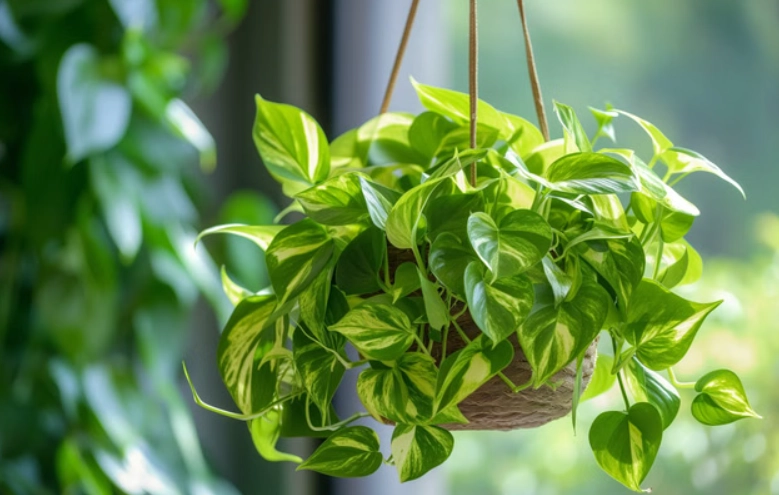
How to Propagate Your Pothos: Make Free Plants!
This is the magic of the golden pothos. It's ridiculously easy to propagate, which is just a fancy word for making new plants from cuttings. It's how you turn one long, leggy vine into several full, bushy plants. Here's my go-to method (water propagation), which is like a fun science experiment you can watch.
- Take a Cutting: Using clean scissors or pruning shears, cut a piece of vine. Make sure your cutting has at least one "node"—that's the little brown bump on the stem where a leaf attaches. The node is where new roots will sprout. You can have one leaf or several.
- Place in Water: Put the cutting in a glass or jar of water, making sure the node is submerged. Remove any leaves that would be under water.
- Wait and Watch: Place it in a spot with bright, indirect light. Change the water every week or so to keep it fresh. In 1-3 weeks, you should see little white roots growing from the node.
- Pot It Up: Once the roots are an inch or two long, you can pot the cutting in soil. Keep the soil slightly more moist than usual for the first week or two as it adjusts from water to soil life.
That's it. You've just cloned your plant. You can also propagate directly in soil, but I love the water method because you get to see the progress. It's incredibly satisfying and a great way to share plants with friends.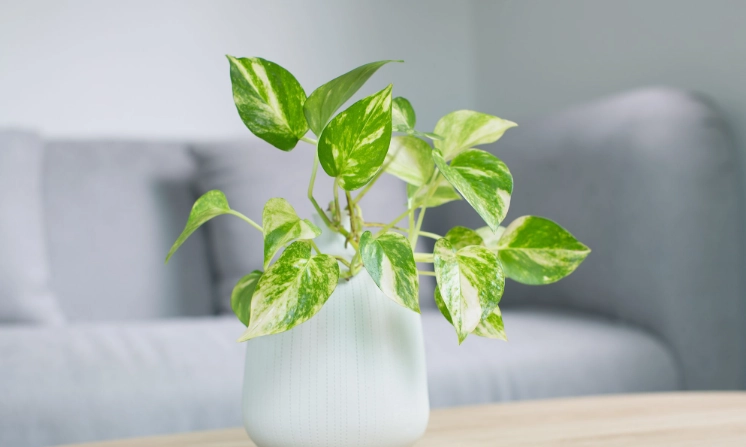
Golden Pothos vs. The Rest: A Quick Varieties Comparison
The classic golden pothos is just the beginning. There's a whole family of pothos varieties, each with its own look. Here’s how the golden pothos plant stacks up against some popular cousins.
| Variety Name | Leaf Color & Pattern | Light Needs & Care Notes |
|---|---|---|
| Golden Pothos | Green with strong yellow-gold marbling. | Bright indirect light for best color. The classic, most forgiving. |
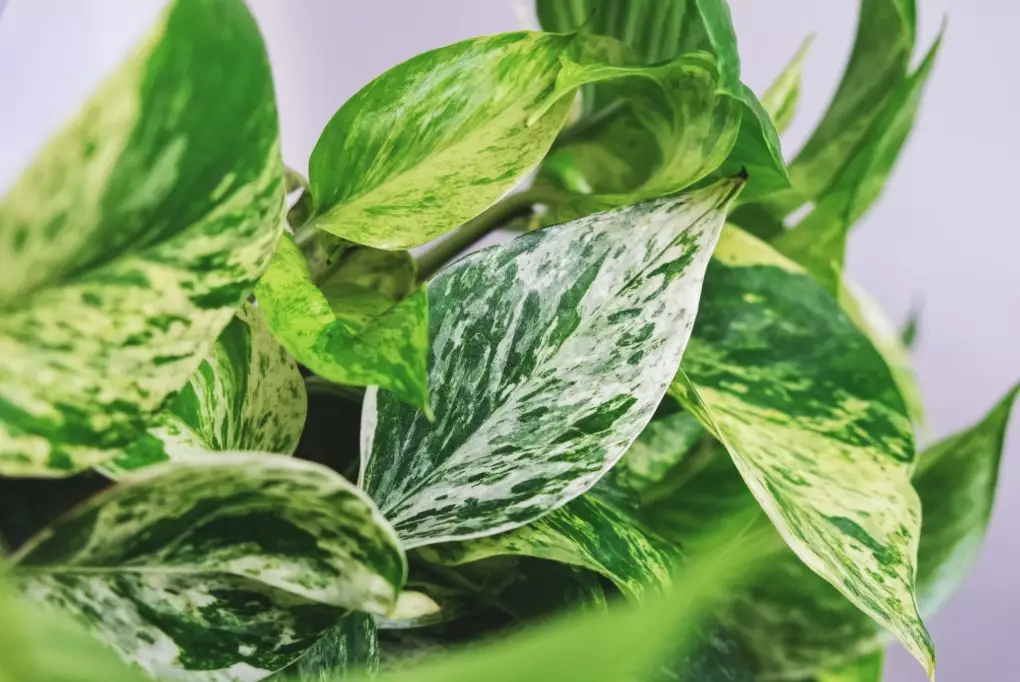
| Marble Queen Pothos | Heavy white and cream variegation on green. | Needs brighter light to maintain white variegation. Slower growing. |
| Neon Pothos | Solid, bright chartreuse-green. | Medium light. The color can wash out in very low or very high light. |
| Jade Pothos | Solid, deep green. | Most tolerant of lower light. No variegation to lose. |
| Pearls and Jade Pothos | Green with white, gray-green, and cream speckles. | Similar to Marble Queen. Bright light keeps the pattern crisp. |
As you can see, the golden pothos is kind of the "Goldilocks" option—not too plain, not too fussy. It offers that beautiful variegation but is less demanding about light than the heavily white-variegated types. According to the Missouri Botanical Garden, Epipremnum aureum is noted for its adaptability, which explains why its golden form has become such a ubiquitous houseplant.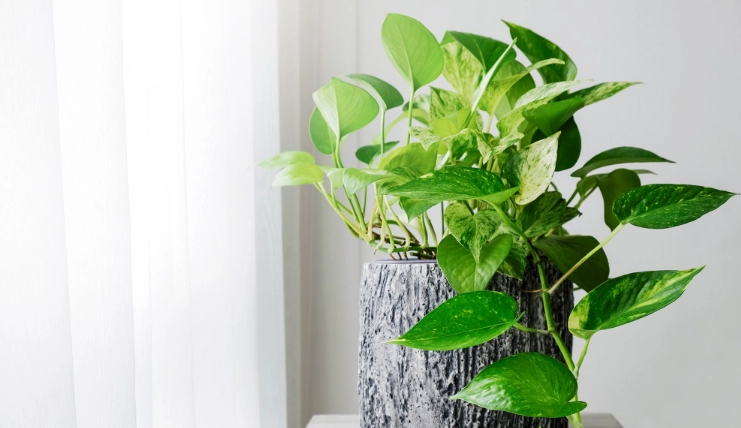
Your Golden Pothos Questions, Answered
Final Thoughts: Embracing the Easygoing Friend
The golden pothos plant is more than just a starter plant. It's a constant, forgiving companion in your home. It teaches you the basics of plant care—reading light, understanding water, observing growth—without punishing every small mistake. Its rapid growth and easy propagation give you quick rewards and a sense of accomplishment.
My advice? Don't just stick it in a dark corner and forget it. Give it the bright indirect light it deserves, water it when it's dry, and watch it transform. That golden variegation will glow, the vines will cascade or climb with vigor, and you'll have a living piece of art. And when it gets too big, share the love. Cut a piece, root it in water, and give it to a friend. You're not just giving them a plant; you're passing on a little bit of resilient, golden joy.
Now go check on your pothos. Does it need a drink? A little more light? Maybe just a word of encouragement? It's probably doing just fine, waiting patiently for you to notice its next new leaf.

Comments