Let's talk about camellia fertilizer. You've probably seen the bags at the garden center, maybe even bought one. You followed the instructions, sprinkled it around, and waited for a cascade of perfect blooms. Sometimes it works. Often, it doesn't. The leaves might yellow, the buds might drop, or the plant just sits there, stubbornly green but not thriving.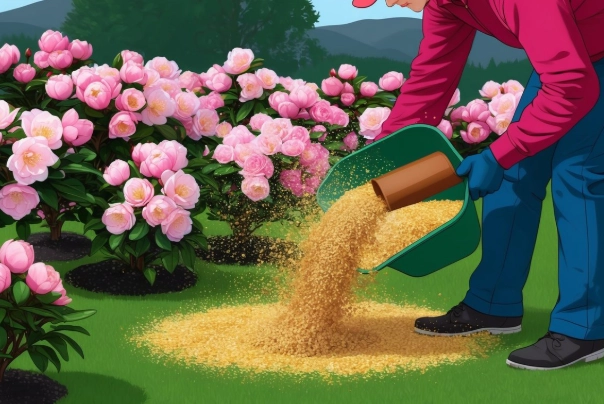
I've been there. I lost a beautiful 'Kramer's Supreme' to what I later realized was fertilizer burn from applying a fast-release chemical mix in the heat of July. That mistake taught me more than any book. Feeding camellias isn't about dumping plant food. It's about understanding what they are: elegant, acid-loving, slow-growing aristocrats of the shade garden. They have specific, non-negotiable needs.
This guide cuts through the generic advice. We'll get into the why behind the what, so you can make confident decisions and avoid the subtle errors that keep your camellias from being the showstoppers they can be.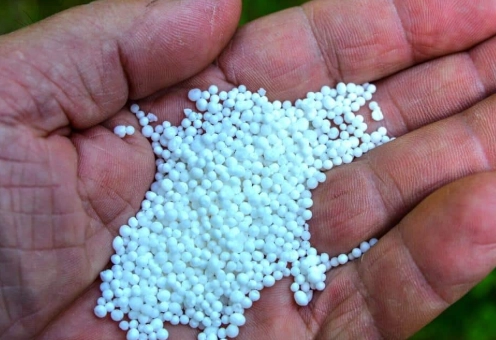
Your Quick Guide to Feeding Camellias
- What Do Camellias REALLY Need from Fertilizer?
- Choosing Your Camellia Fertilizer: A Simple Comparison
- How to Fertilize Camellias: A Step-by-Step Schedule
- The How-To: Application Methods & Costly Mistakes to Avoid
- Troubleshooting: Fixing Common Fertilizer Problems
- Your Camellia Fertilizer Questions, Answered
What Do Camellias REALLY Need from Fertilizer?
Most gardening articles parrot the same line: "Use an acid-loving plant fertilizer." That's true, but it's only the surface. The real secret lies in the nutrient balance and the release mechanism.
Camellias are not heavy feeders like roses or tomatoes. They abhor excess salt in the soil, which is a byproduct of many synthetic fertilizers. Their roots are fine and relatively shallow. A blast of high-nitrogen fertilizer might give you a burst of dark green leaves, but it comes at a cost. You'll get leggy growth, fewer flowers, and a plant more susceptible to cold damage and pests.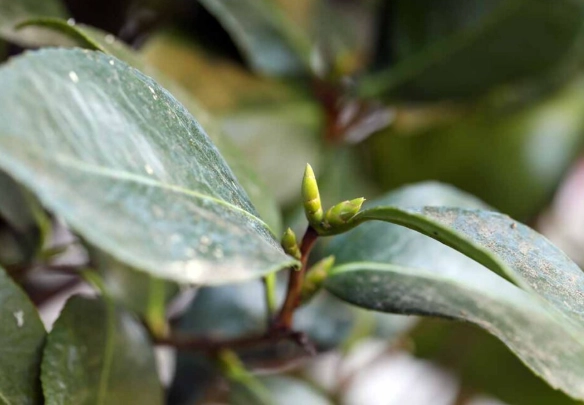
What they crave is a gentle, steady supply of nutrients that mimics the slow decay of a forest floor. The ideal N-P-K ratio is something balanced or slightly low in nitrogen, like a 4-8-8 or a 6-10-10. That higher middle number (Phosphorus) is crucial for strong root development and prolific blooming.
Choosing Your Camellia Fertilizer: A Simple Comparison
Walking down the fertilizer aisle can be overwhelming. Here’s a breakdown of the main types, from the go-to standard to niche organic options.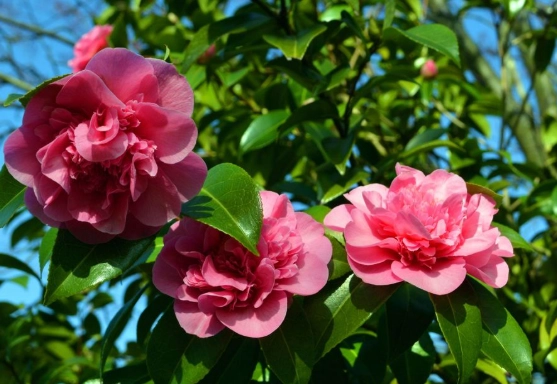
| Fertilizer Type | What It Is | Best For | Watch Out For |
|---|---|---|---|
| Azalea, Camellia, Rhododendron Mix | Granular, acid-specific formula with micronutrients. Often slow-release (3-4 months). | Most gardeners. Reliable, easy to find, specifically formulated. Brands like Espoma Holly-tone or Miracle-Gro Azalea food are staples. | Check if it's truly slow-release. Some cheaper versions are fast-acting and can burn roots. |
| Cottonseed Meal | Organic, slow-release nitrogen source that mildly acidifies soil. | Organic purists, long-term soil building. Excellent as a base dressing in spring. | Very slow to break down. Not a complete food; needs to be combined with other amendments for phosphorus and potassium. |
| Fish & Seaweed Emulsion | Liquid organic feed, fast-acting, packed with micronutrients. | A quick mid-season boost, foliar feeding for immediate green-up, or for container camellias. | The smell. It's potent. Also, it's a supplement, not a complete diet. Use alongside a granular feed. |
| Specialty Camellia Feeds | Formulations like Camellia & Vine Food, often with higher potash for blooms. | Growers focused on maximizing flower size and quantity. Popular in camellia societies. | Can be harder to find and more expensive. Follow application rates carefully. |
| General Purpose 10-10-10 | Balanced synthetic fertilizer. | Honestly? Not much for camellias. It lacks acidity and micronutrients, and the nitrogen is too readily available. | Avoid. It's the wrong tool for the job and will likely cause more problems than it solves. |
My personal workhorse is a granular, organic-based azalea/camellia food with a 4-6-4 ratio. It feeds gently for months. For container plants, I lean more on liquid fish emulsion because nutrients leach out faster in pots.
How to Fertilize Camellias: A Step-by-Step Schedule
Timing is everything. Get this wrong, and you can undo all your good work. Forget feeding on a random Saturday because you remembered. Follow this calendar instead.
Early Spring (As New Growth Emerges)
This is your main feeding. The plant is waking up and needs fuel for the season's growth and to develop flower buds for next winter/spring. Apply your chosen granular, slow-release fertilizer according to label rates. Water it in thoroughly.
Think of this as their big breakfast.
Late Spring / Early Summer (6-8 Weeks Later)
A light follow-up feeding. If you used a 3-month release formula, this might not be necessary. If growth seems sluggish or leaves are pale green, a half-strength dose of liquid fish emulsion can give them a nudge.
Fall (No Fertilizer, But Maybe This...)
Do not fertilize. However, a top dressing of well-rotted compost or leaf mold around the root zone (not touching the stem) is fantastic. It doesn't "feed" the plant directly but improves soil structure, retains moisture, and slowly releases nutrients as it breaks down. It's like giving them a good, warm blanket for the winter.
The How-To: Application Methods & Costly Mistakes to Avoid
How you apply is as important as what you apply.
First, water the plant deeply the day before if the soil is dry. A stressed, thirsty plant should never be fertilized.
For granular fertilizer, scatter it evenly starting a few inches from the main stem and extending out to the "drip line" (where the branches end). This is where the majority of the feeder roots are. Never pile it against the trunk—that's an invitation for rot and pests.
Lightly scratch it into the top inch of soil with a hand cultivator. Then, water deeply again. This activates the granules and washes nutrients down to the root zone, preventing them from sitting on the surface and losing potency or burning surface roots.
A common, silent mistake is applying fertilizer to compacted or waterlogged soil. The roots are suffocating and can't take up nutrients anyway. If your soil is heavy clay, work on improving drainage with organic matter before worrying about fancy fertilizer.
Troubleshooting: Fixing Common Fertilizer Problems
You fed your camellia, and now something looks off. Here's the likely culprit and the fix.
Yellow Leaves with Green Veins (Chlorosis): This is almost always an iron availability issue due to high soil pH. More fertilizer won't help. Test your soil pH first. To fix it quickly, apply a foliar spray of chelated iron (follow product instructions). For a long-term fix, incorporate soil sulfur or an acidifying fertilizer to lower the pH into the 5.5-6.5 range.
Brown Leaf Tips or Margins: Classic fertilizer burn. You've applied too much, too close to the stem, or didn't water it in properly. Leach the soil by running a slow hose at the base for 20-30 minutes to flush out excess salts. Avoid fertilizing again for at least 4-6 months.
Lush Leaves, No Flowers: You're giving it too much nitrogen. Switch to a fertilizer with a lower first number and a higher middle number (phosphorus). Also, ensure it's getting enough light—too deep shade can also inhibit blooming.
Sudden Leaf Drop: Could be a shock from a massive over-fertilization event, especially with liquids. Leach the soil immediately. More often, it's related to drought or root rot, but rule out fertilizer as a cause.
Your Camellia Fertilizer Questions, Answered
Can I use tomato fertilizer or rose food on my camellia?
It's not ideal. While they might share some nutrients, tomato and rose fertilizers are often formulated for different soil pH needs and nutrient ratios favoring fruit or repeat bloom production. Camellias specifically require an acidic soil environment and a more balanced, slow-release formula. Using the wrong fertilizer can lock out iron, leading to chlorosis (yellow leaves with green veins). Stick with a product labeled for acid-loving plants like azaleas, camellias, and rhododendrons for guaranteed results.
My camellia has yellow leaves. Is more fertilizer the fix?
Usually, it's the opposite. Yellow leaves, especially if the veins stay green (interveinal chlorosis), are a classic sign of iron deficiency caused by soil pH being too high (alkaline). Adding more general fertilizer won't help and can worsen salt buildup. First, test your soil pH. If it's above 6.0, you need to acidify the soil. Applying chelated iron directly to the foliage or soil, and using an acidifying fertilizer or soil sulfur, is the correct solution. Over-fertilization itself can also cause leaf burn and yellowing.
What's the single biggest mistake people make with camellia fertilizer?
Applying fertilizer at the wrong time, particularly too late in the season. Feeding after mid-summer encourages tender new growth that won't harden off before the first frost. This new growth is highly susceptible to cold damage, which can kill stems or even the entire plant. The golden rule is to stop all fertilization by late July in most climates. The plant needs to shift its energy from growing to setting buds and hardening existing wood for winter.
Feeding your camellias shouldn't feel like a chemistry exam. Pick a dedicated, slow-release acid-loving plant fertilizer. Apply it in early spring and maybe once more in early summer. Water it in well. Then, put the bag away until next year. Focus on giving them consistent moisture, dappled sunlight, and a blanket of mulch. Do that, and you'll spend less time worrying about fertilizer and more time admiring the flawless, waxy blooms that make all the careful attention worth it.


Comments