You brought home a kalanchoe, probably because it was covered in cheerful little flowers and looked impossible to kill. And for a while, it was great. Then the blooms faded, and now it's just... there. Maybe the leaves are looking a bit sad, or it's stretching out awkwardly. Sound familiar? Don't worry, you haven't killed it. Kalanchoe care is genuinely simple, but there are a few non-negotiable rules most beginners miss. I've killed my share by being too helpful (read: overwatering), but once you get the rhythm, these plants are incredibly forgiving and can live for years, blooming again and again.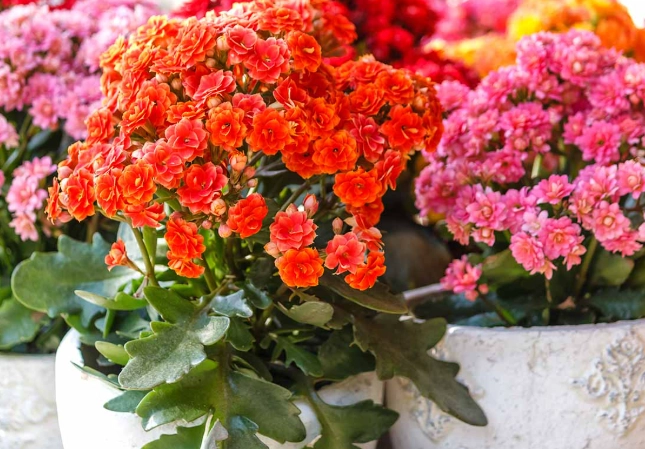
What’s Inside This Guide?
- How Much Light Does a Kalanchoe Really Need?
- The One Watering Mistake That Kills Kalanchoes
- Soil, Pots, and When to Repot
- The Secret Trick to Make It Bloom Again (It's Not Fertilizer)
- Reading the Leaves: Fixing Common Problems
- Free Plants! Easy Propagation from Leaves & Cuttings
- Kalanchoe Care at a Glance
- Your Kalanchoe Questions, Answered
How Much Light Does a Kalanchoe Really Need?
Think of the sun in Madagascar, where many kalanchoes originate. Bright, direct, and plentiful. Your goal is to mimic that as much as possible indoors.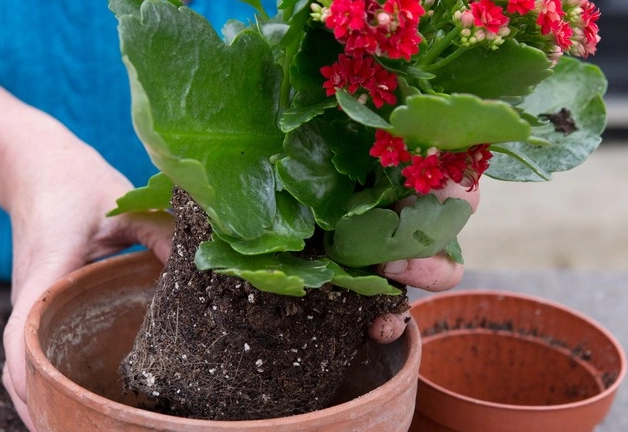
The Goldilocks Zone: A south or west-facing windowsill is perfect. It needs at least 4-6 hours of direct sunlight daily. East-facing can work, but growth might be slower and less compact.
Here's the subtle mistake everyone makes: we call them "bright indirect light" plants, but for robust growth and reblooming, they crave direct sun. Indirect light is the backup plan, not the ideal.
What happens with not enough light? The plant becomes "leggy" or etiolated. The stems elongate, the space between leaves widens, and the whole thing looks sparse and weak. It's a slow, sad reach for the sun.
Can I Use a Grow Light?
Absolutely. If your home is dim, a simple LED grow light positioned 6-12 inches above the plant for 8-10 hours a day is a game-changer. It prevents the winter slump and is essential if you're trying to force blooms.
The One Watering Mistake That Kills Kalanchoes
Overwatering. It's the assassin of 90% of houseplants, and kalanchoes are prime targets. Their thick, succulent leaves store water. They are built for drought.
The Rule: Soak it thoroughly, then walk away until the soil is completely dry. I mean bone-dry. Stick your finger in the soil up to the second knuckle. Feel nothing but dryness? Wait two more days, then water.
In practice, this might mean watering every 10-14 days in summer and every 3-4 weeks in winter when growth slows. Your environment dictates the schedule, not the calendar.
How to Water Properly: Take the plant to the sink. Water slowly and evenly until you see a steady stream run out of the drainage hole. Let it drain completely. Never let it sit in a saucer of water. That's a guaranteed ticket to root rot city.
Signs of overwatering: Soft, mushy, translucent leaves, especially at the base. The plant feels heavy and soggy. Signs of underwatering: Leaves become thin, wrinkled, and crispy at the edges. It's much easier to fix underwatering—just give it a drink.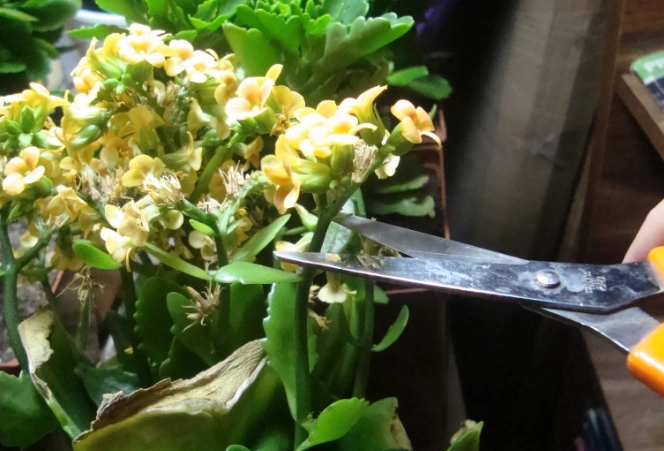
Soil, Pots, and When to Repot
Kalanchoes need fast-draining soil. Standard potting mix holds too much moisture.
The Mix: Use a commercial "cactus and succulent" mix. For extra insurance, I make my own: 2 parts regular potting soil, 1 part perlite, 1 part coarse sand or poultry grit. This creates an airy, gritty environment where roots can breathe and water vanishes quickly.
The Pot: Always, always a pot with a drainage hole. Terracotta is fantastic because it's porous and helps wick away moisture. Plastic is fine if you're careful with watering. Size-wise, kalanchoes like to be slightly root-bound. Only repot when the roots are clearly circling the bottom or poking out the hole.
Repotting Process: Do it in spring or summer. Gently remove the plant, shake off old soil, and place it in a new pot only 1-2 inches larger in diameter. Fill with your fresh mix, water once, and then don't water again for a week to let any disturbed roots heal.
The Secret Trick to Make It Bloom Again (It's Not Fertilizer)
This is the big question. Kalanchoes are "short-day" plants. They initiate flower buds when they experience long nights (at least 14 hours of darkness). Your cozy, always-lit living room tricks them into thinking it's eternal summer—great for leaves, bad for flowers.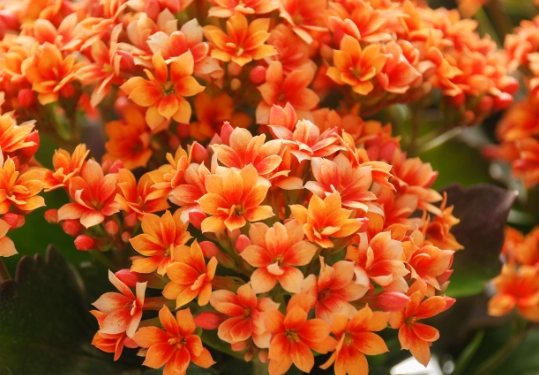
To Force Blooms: 1. In early fall, start the routine. 2. For 6 weeks, give your plant 14-16 hours of complete, uninterrupted darkness every night. A closet, a cupboard, or a cardboard box over it works. 3. During the day, give it 8-10 hours of bright light. 4. Keep it slightly cooler and water less during this period. 5. Once you see tiny flower buds forming, return it to its normal spot. Blooms should appear in a few weeks.
Yes, it's a bit of a hassle. But it's the only reliable way. Fertilizer (a balanced, water-soluble type diluted to half strength in spring/summer) supports the process but doesn't trigger it.
Reading the Leaves: Fixing Common Problems
Your kalanchoe talks to you through its leaves. Here's the translation guide.
| Symptom | Likely Cause | Quick Fix |
|---|---|---|
| Soft, mushy, falling leaves | Overwatering / Root Rot | Stop watering. Check roots, cut rot, repot in dry soil. |
| Tall, leggy stems, wide gaps | Not enough light | Move to a brighter spot. Prune back stems in spring. |
| Brown, crispy leaf edges | Underwatering or low humidity | Check soil moisture. Soak if dry. (Ignore humidity; they adapt). |
| Leaves losing color, turning pale | Too much intense sun (sunburn) | Move to a spot with bright indirect light or morning sun only. |
| No flowers after first bloom | Missing long night cycle | Follow the 6-week darkness routine outlined above. |
| Small white cottony spots | Mealybugs | Dab with rubbing alcohol on a cotton swab. Isolate plant. |
Free Plants! Easy Propagation from Leaves & Cuttings
This is the fun part. Kalanchoes are propagation champions. A leaf that falls off can become a new plant.
Method 1: Leaf Propagation Gently twist a healthy, plump leaf from the stem. Let it sit on a paper towel for 1-2 days until the broken end callouses over. Then, just lay it on top of dry succulent soil. Mist the soil lightly every few days. In a few weeks, tiny pink roots and a baby plant will emerge from the base. Don't bury it.
Method 2: Stem Cutting Propagation Take a 3-4 inch stem cutting with a few leaves. Let it callous for a day or two. Then, stick the calloused end into dry succulent soil. Don't water for a week, then water lightly. Roots will form in 3-4 weeks.
I have a pot that's just a collection of propagated leaves from a single plant I bought years ago. It's incredibly satisfying.
Kalanchoe Care at a Glance
Water: Soak, then let soil dry out completely. "When in doubt, wait it out."
Soil: Fast-draining cactus/succulent mix.
Temperature: 60-85°F (15-29°C). No frost.
Humidity: Average indoor humidity is fine.
Fertilizer: Half-strength balanced fertilizer in spring/summer only.
Toxicity: Toxic to cats and dogs if ingested (according to the ASPCA). Keep out of reach.
Your Kalanchoe Questions, Answered
My kalanchoe hasn't bloomed again. What am I doing wrong?
Kalanchoes are photoperiodic, meaning they need long nights to trigger flowering. They won't rebloom if kept under standard indoor lighting year-round. To force blooms, you need to simulate winter conditions. For about 6 weeks, give it 14-16 hours of complete, uninterrupted darkness each night (a closet or a box works) and only 8-10 hours of bright, indirect light during the day. Keep it a bit cooler and water less during this period. Once you see flower buds forming, return it to its normal spot. It's a bit of work, but that's the secret to annual blooms.
The leaves on my kalanchoe are getting soft and mushy. Is it overwatering?
Almost certainly. Soft, translucent, or mushy leaves are the classic sign of overwatering and the start of root rot. The plant's cells are literally bursting from too much water. Stop watering immediately. Remove the plant from its pot and inspect the roots. Healthy roots are firm and white or light tan. Rotten roots are dark, slimy, and fall apart. Cut away all the rot with a sterile tool. Let the plant and its root ball air dry for a day, then repot in fresh, dry succulent mix. Don't water for at least a week to let the roots callous and recover. Going forward, wait until the soil is completely dry before even thinking about the watering can.
Can I put my kalanchoe plant outside in the summer?
Yes, but you must do it carefully to avoid sunburn. Kalanchoes love bright light, but the intense, direct afternoon sun outdoors can scorch leaves that are used to a windowsill. The key is acclimation. Start by placing it in a spot that gets only morning sun or dappled shade for a week. Gradually increase its exposure to brighter light over 2-3 weeks. Also, remember that outdoor conditions dry the soil much faster, so you'll need to check for dryness more frequently. Always bring it back inside well before the first frost in fall, as they are not frost-tolerant at all.
My kalanchoe is tall and leggy with lots of space between leaves. How do I fix it?
This is called etiolation, and it's the plant's desperate stretch for more light. It's the most common mistake—placing a kalanchoe in a spot that's too dim. The fix is two-part. First, move it to a much brighter location, like a south or west-facing window. Second, you can't shrink the existing stem, but you can make the plant bushier. In spring or early summer, take sharp, clean scissors and prune the leggy stems back by about one-third to one-half. Make your cut just above a leaf node (the little bump where a leaf grows). This encourages new, compact growth from that point. You can even propagate the cuttings you remove to make new plants.
Stick to these fundamentals—brutal sunlight, brutal neglect with watering, and gritty soil—and your kalanchoe will do more than survive. It'll thrive. The best part? Once you've mastered this succulent's care, you'll find most other succulents follow the same playbook. You're not just saving one plant; you're learning a whole, resilient gardening language.


Comments