Let's be honest. You're probably here because you've heard snake plants are impossible to kill. And you might have a sad, neglected one on a shelf somewhere that's proving that theory wrong. I've been there. I've also seen these plants thrive for decades with almost no attention. The difference isn't magic—it's understanding a few simple, often-misunderstood rules. This guide cuts through the generic advice and gives you the specific, actionable steps to keep your Dracaena trifasciata (the proper botanical name) not just alive, but genuinely thriving in your home.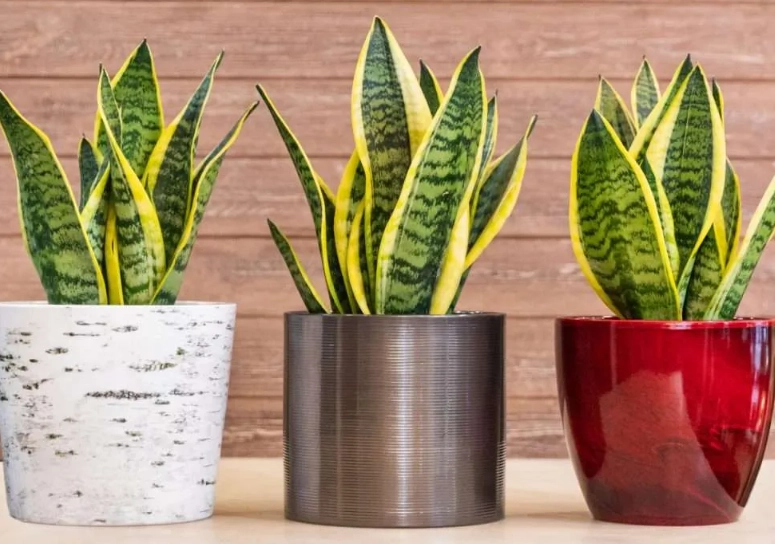
What's in this guide?
Getting the Light Right (It's Not What You Think)
Here's the first non-consensus point: snake plants don't "love" low light. They tolerate it. There's a huge difference. In a dark corner, your plant will survive—it might even put out a little new growth—but it will be slow, stretched, and lose the vibrant color patterns on its leaves. The classic yellow-edged 'Laurentii' will fade to a dull green.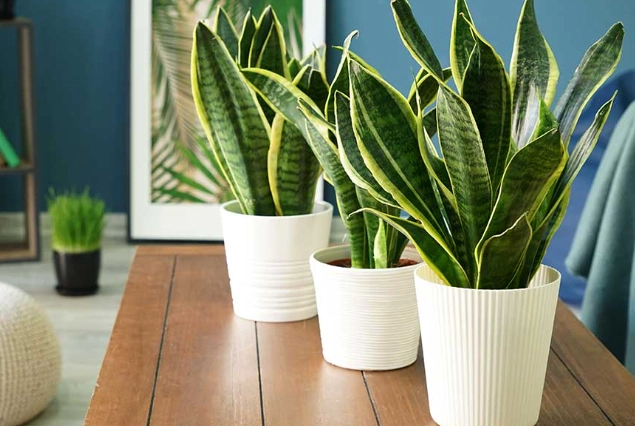
Think of light as their food. More light means more energy for growth and resilience.
Can they handle direct sun? Morning sun from an east window is usually fine. Harsh afternoon sun through a south window can scorch the leaves, leaving bleached, crispy patches. I learned this the hard way with a plant on a hot windowsill.
What about that dark office or hallway? It's okay for a while, but don't expect miracles. Rotate the plant every few months to give all sides a chance. If you're buying a snake plant specifically for a low-light room, choose a solid dark green variety like 'Zeylanica' or 'Bantel's Sensation', as they tend to hold up better than the variegated types.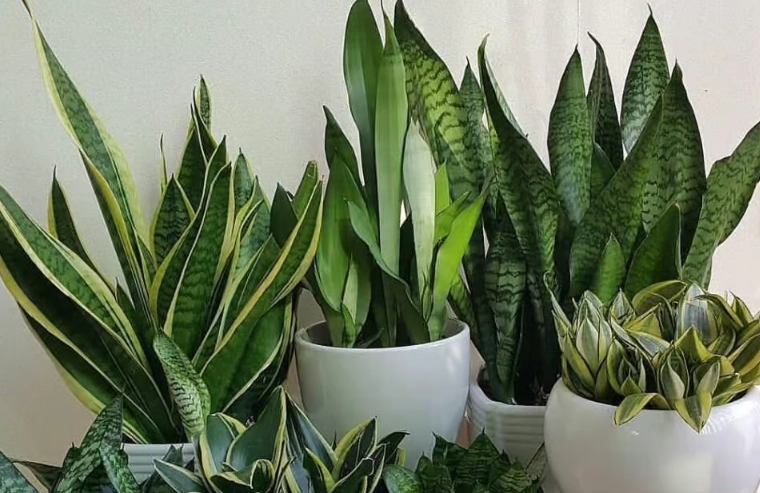
The One Watering Mistake Everyone Makes
Overwatering. It's the killer of 95% of indoor snake plants. The advice "water sparingly" is too vague. Here's the specific, foolproof method I use and teach:
Forget the calendar. Don't water every Sunday or every two weeks. Your plant's thirst depends on light, temperature, pot size, and humidity.
How to Check When to Water
Stick your finger into the soil. I mean, really get in there—up to your second knuckle. If the soil is completely dry all the way down, it's time. If you feel any coolness or moisture at all, walk away. Come back in a few days.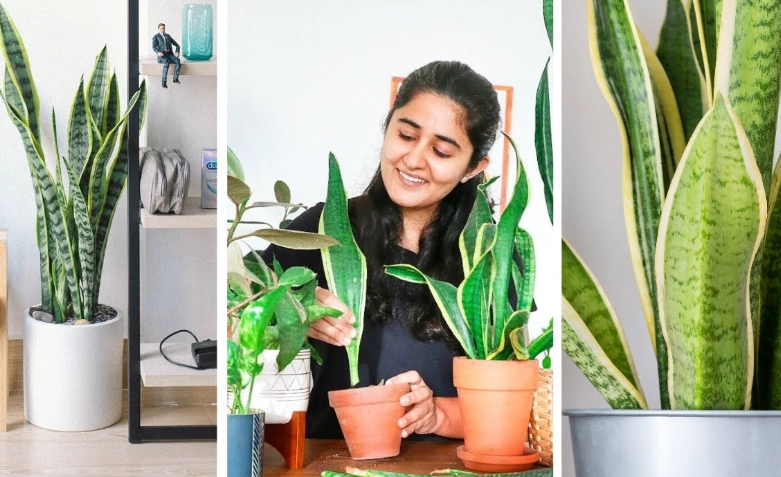
For larger pots, a wooden chopstick or moisture meter is more reliable. Insert it, leave it for a minute, and see if it comes out with damp soil stuck to it.
How to Water Correctly
This is the second subtle mistake. Don't just give it a little splash on top. When you water, do it thoroughly. Take the plant to the sink (if possible) and pour water evenly over the soil until it runs freely out of the drainage holes. This ensures the entire root ball gets hydrated. Let it drain completely before putting it back in its decorative pot. Never let the pot sit in a saucer of water.
Bottom watering is an excellent alternative. Place the pot in a tray of water for about 30 minutes, allowing the soil to soak up moisture from the bottom. Then, remove it and let it drain. This encourages deeper root growth and prevents the crown of the plant from staying wet.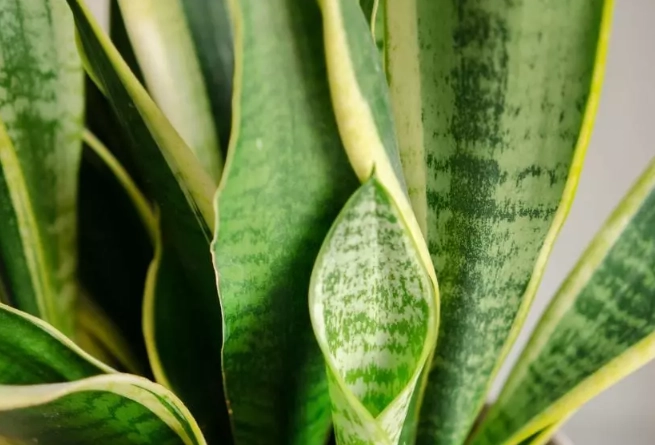
Soil & Potting: The Foundation of Health
The right soil is your insurance policy against overwatering. Snake plants are succulents. Their roots need air as much as they need water. A dense, moisture-retentive potting mix is a death sentence.
Your best bet: Use a cactus and succulent potting mix. These are formulated to drain quickly. You can make your own by mixing two parts regular potting soil with one part perlite and one part coarse sand or pumice. The goal is a gritty, loose mix that doesn't compact.
Choosing and Using the Right Pot
Terracotta pots are the unsung heroes of snake plant care. Their porous nature allows the soil to dry out more evenly from the sides, reducing the risk of root rot. Plastic or ceramic pots are fine, but you must be more vigilant with watering.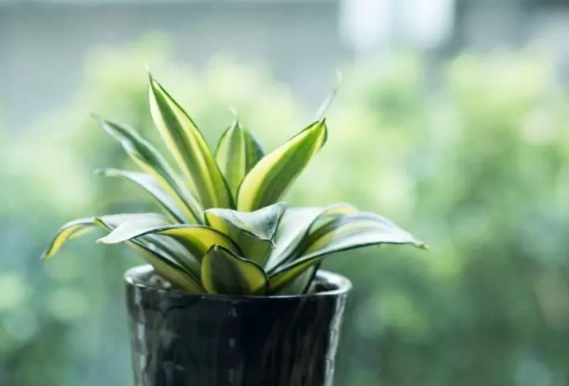
Non-negotiable: Drainage holes. If your beautiful pot doesn't have them, use it as a cache pot. Plant your snake plant in a plain plastic nursery pot with holes, and then slip that inside the decorative pot. Just remember to empty any accumulated water after irrigation.
When should you repot? Snake plants like to be slightly root-bound. Repot only when you see roots circling the bottom of the pot or emerging from the drainage holes, or when the plant is so top-heavy it tips over. This might be every 2-4 years. When you do repot, only go up one pot size (about 1-2 inches wider in diameter).
Feeding, Propagating & Common Problems
Fertilizing is simple but often overdone. These are not heavy feeders. During the active growing season (spring and summer), feed once a month with a balanced, water-soluble fertilizer diluted to half the recommended strength. A 10-10-10 formula works well. Do not fertilize in fall and winter when growth has slowed or stopped. Over-fertilizing can cause weak, floppy growth and burn the roots.
How to Propagate Your Snake Plant
Making new plants is incredibly easy and rewarding. You have two main choices:
- Leaf Cuttings in Water: Cut a healthy leaf into 3-4 inch sections. Let the cut ends callous over for a day or two. Place them upright in a jar of water, ensuring the bottom inch is submerged. Change the water weekly. In a few weeks to months, you'll see roots and then a new pup (baby plant) emerge. Note: If you propagate a variegated leaf (like 'Laurentii') this way, the new plant will likely revert to all green.
- Division: This is the best method for preserving variegation. When you repot a mature, multi-stemmed plant, you can gently pull or cut the root ball apart into separate clumps, each with its own roots and leaves. Pot these divisions up individually.
Diagnosing Common Issues
>| Symptom | Likely Cause | How to Fix It |
|---|---|---|
| Soft, mushy leaves at the base | Root rot from overwatering | Unpot, cut away all soft, brown roots and affected leaves. Repot in fresh, dry soil. Water very sparingly. |
| Brown, crispy leaf tips | Underwatering, low humidity, or fluoride in tap water | Trim the brown tips. Water more thoroughly when dry. Use filtered or distilled water if your tap water is heavily treated. |
| Leaves leaning or falling over | Too little light, or overwatering causing weak growth | Move to a brighter spot. Check for root rot. You can stake leaves temporarily. |
| No new growth | Dormancy (winter), insufficient light, or need for fertilizer | Be patient in winter. In growing season, assess light and feed half-strength monthly. |
Pests are rare but possible. Look out for mealybugs (cottony white masses) or spider mites (fine webbing). Wipe leaves with a damp cloth regularly to prevent dust buildup and check for pests. Treat infestations with insecticidal soap or neem oil.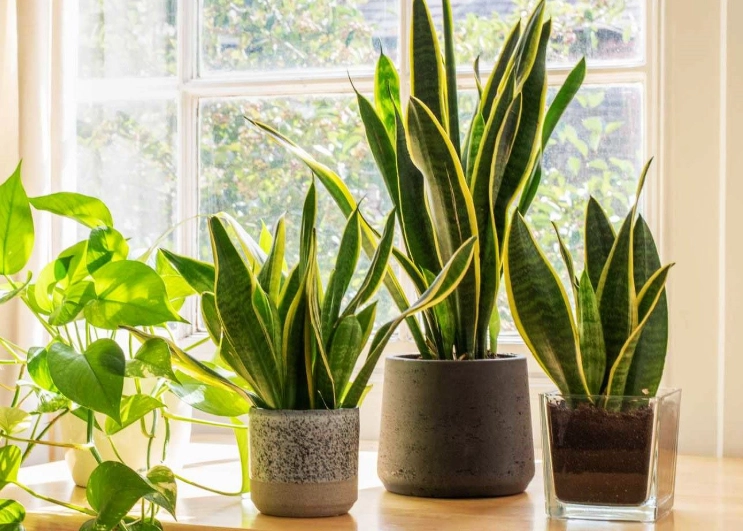
Your Questions, Answered
My snake plant leaves are getting soft and floppy, not mushy at the base. What's happening?
This is a classic sign of inconsistent watering, usually a cycle of severe drought followed by a heavy soak. The plant cells lose their turgor pressure. The leaves might not recover fully. The fix is to establish a more consistent routine—checking soil moisture weekly and watering thoroughly only when it's completely dry. The new growth will come in firm.
Can I put my snake plant in a bathroom with no window?
I wouldn't recommend a windowless room long-term. While the humidity from showers is beneficial, the total lack of light will eventually cause decline. If it's a guest bathroom used occasionally, you could rotate the plant in and out every few weeks. For a main bathroom, if there's any artificial light that's on for several hours a day, it might suffice for a very hardy all-green variety, but growth will be minimal.
Is it true snake plants release oxygen at night? Should I put one in my bedroom?
The NASA Clean Air Study, which is often cited, did find that snake plants can remove certain volatile organic compounds (VOCs) like formaldehyde and benzene from the air. The "oxygen at night" claim comes from their Crassulacean Acid Metabolism (CAM) process, where they open their stomata at night to take in carbon dioxide, potentially releasing some oxygen. However, the effect from a single plant on bedroom air quality is negligible from a scientific standpoint. Put one in your bedroom because it's easy to care for and looks great, not because you expect measurable air purification.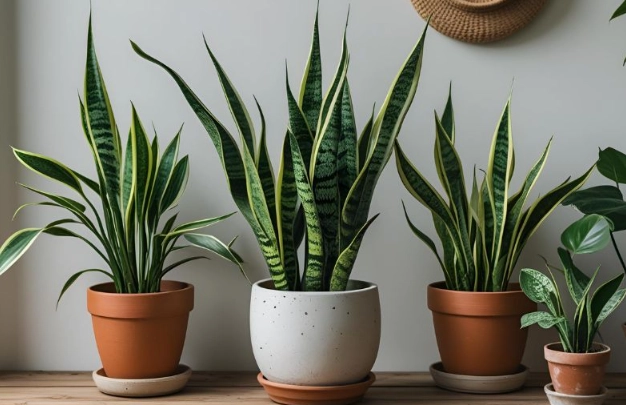
The edges of my snake plant's leaves are turning yellow. Is it too much sun?
Not necessarily. On variegated types, a bright yellow edge is normal. If the yellowing is spreading inward, becoming blotchy, or the leaf feels soft, it's often a watering issue—either prolonged drought or the beginning of overwatering. Check your soil moisture first. Direct sun scorch typically shows as bleached, dry, papery patches, not uniform yellowing.
How do I clean the leaves without harming the plant?
Dust blocks light. Every month or two, wipe the leaves gently with a soft, damp cloth. Support the back of the leaf with your other hand to prevent snapping. For a deeper clean, you can take the plant to the shower and give it a gentle lukewarm rinse. Avoid commercial leaf shine products, as they can clog the pores.
Comments