So you want to bring some green inside. You walk into a garden center or scroll online, and you're hit with a wall of names: Monstera, Pothos, Snake Plant, Fiddle Leaf Fig. It's exciting but also a bit paralyzing. Which one is right for you? More importantly, which one won't die on you in two months?
Let's cut through the noise. This isn't just a list of indoor plants names. It's a practical guide from someone who's killed a fair share of plants (RIP, my first fern) and learned what actually works in real homes, not just Instagram photos. We'll cover the top performers, decode what those care labels really mean, and help you match a plant to your specific conditions.
In This Article
10 Best Indoor Plants to Start With (No Guesswork Needed)
Forget vague rankings. Here’s a breakdown of reliable indoor plants, organized by what they truly need and what they’ll give you in return. I’ve included approximate price ranges (for a medium-sized plant) to set expectations—because “affordable” means different things to everyone.
| Plant Name | Light Needs | Watering | Maintenance | Why It's Great / Price Point |
|---|---|---|---|---|
| Snake Plant (Sansevieria) | Low to Bright Indirect | Very Low (Let soil dry completely) | Extremely Easy | Nearly indestructible, purifies air. Great for bedrooms. ($15 - $40) |
| ZZ Plant (Zamioculcas zamiifolia) | Low to Moderate | Very Low | Extremely Easy | Thrives on neglect. Glossy leaves. Perfect for dark corners. ($20 - $50) |
| Pothos (Epipremnum aureum) | Low to Bright Indirect | Low (Let top inch dry) | Very Easy | Fast-growing, trailing vine. Easy to propagate. ($10 - $25) |
| Spider Plant (Chlorophytum comosum) | Moderate to Bright Indirect | Moderate (Keep lightly moist) | Easy | Produces "babies" (plantlets). Non-toxic to pets. ($8 - $20) |
| Peace Lily (Spathiphyllum) | Low to Moderate | Moderate to High (Likes moisture) | Moderate | Beautiful white flowers. Tells you when it's thirsty (wilts). ($15 - $35) |
| Chinese Money Plant (Pilea peperomioides) | Bright Indirect | Moderate (Let top soil dry) | Moderate | Unique pancake-shaped leaves. Produces offshoots to share. ($20 - $45) |
| Monstera Deliciosa | Moderate to Bright Indirect | Moderate (Let top 1-2" dry) | Moderate | Iconic split leaves. Fast grower, makes a big statement. ($25 - $70+) |
| Philodendron Heartleaf | Low to Bright Indirect | Low (Let top inch dry) | Very Easy | Similar to Pothos but softer leaves. Very forgiving. ($12 - $30) |
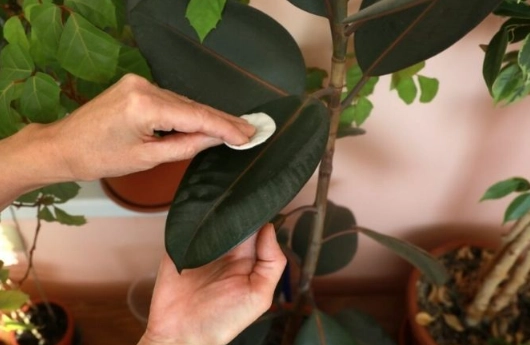
| Rubber Plant (Ficus elastica) | Bright Indirect | Low to Moderate (Let dry out) | Moderate | Bold, dark leaves. Grows upright. Less fussy than its cousin, the Fiddle Leaf Fig. ($25 - $60) |
| Cast Iron Plant (Aspidistra elatior) | Very Low to Low | Low | Extremely Easy | Its name says it all. Survives low light, dust, and irregular care. ($25 - $50) |
See that "Light Needs" column? That's the most critical piece of data. A plant labeled "low light" doesn't mean "no light." It means it can survive in a north-facing window or several feet back from an east/west one. A "bright indirect" plant will sulk in that same spot.
My Personal Workhorse: The Humble Pothos
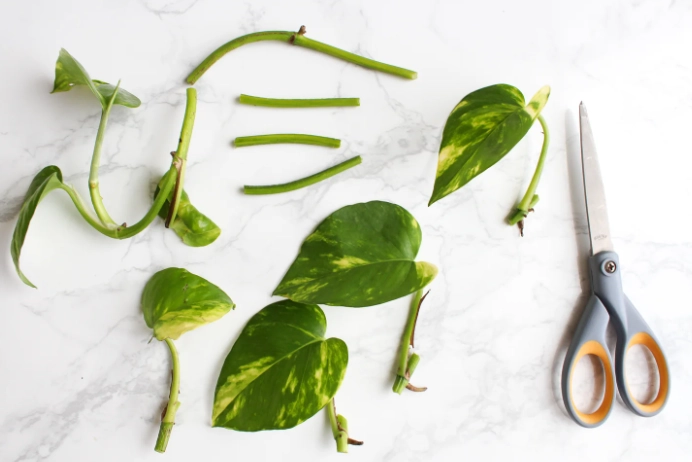
If I had to recommend one plant to everyone, it's the Pothos. I've got one in my bathroom with a tiny window, one trailing from a bookshelf, and I've given away dozens of cuttings. It grows fast enough to feel rewarding but won't throw a fit if you forget it for a week. The common golden Pothos is cheapest, but look for Marble Queen or Neon varieties for a pop of color.
How to Pick Your Perfect Plant Match
Choosing a plant isn't about picking the prettiest picture. It's a compatibility test. Ask yourself these questions before you buy.
What's Your Light Really Like?
This is non-negotiable. Stand where you want the plant at 10 AM on a sunny day. Can you see a clear shadow of your hand on the surface? That's good light. A faint, blurry shadow? That's low light. No shadow at all? You need a Snake Plant, ZZ, or Cast Iron Plant. Don't fight your light conditions—work with them.
How Often Do You Really Want to Water?
Be honest. If you travel often or just know you'll forget, stick to the drought-tolerant crew on the left side of the table. If you enjoy the ritual of tending to plants weekly, a Peace Lily or Fern might suit you. Overwatering is a faster killer than underwatering for most common houseplants.
Do You Have Pets or Kids?
This is a safety filter. Many popular plants like Pothos, Monstera, and Peace Lily are mildly toxic if ingested. The ASPCA website is your best friend here for official toxicity lists. For pet-safe options, Spider Plants, Boston Ferns, and certain Peperomias are fantastic choices.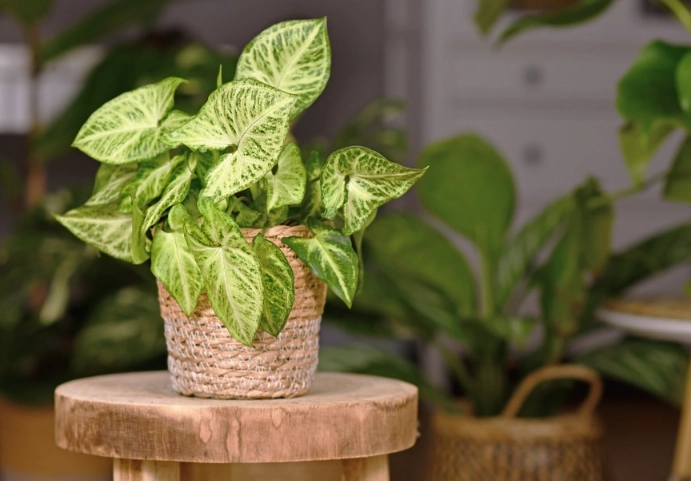
The One Care Mistake Almost Everyone Makes
It's not about water. It's about the pot.
You bring home a beautiful plant from the nursery. It's thriving. You repot it into a gorgeous ceramic pot because the plastic one is ugly. Then, slowly, it starts to decline.
The culprit? That ceramic pot probably only has one small drainage hole, or none at all. Water pools at the bottom, the roots sit in soggy soil, and rot sets in. The nursery pot, ugly as it is, usually has excellent drainage.
Here's my method: Keep the plant in its plastic nursery pot. Then, place that pot inside your decorative cache pot. When you water, take the inner plastic pot out, water it thoroughly in the sink until water runs out the bottom, let it drain completely, and then place it back in the decorative pot. This gives you style and function. No more guessing about soggy bottoms.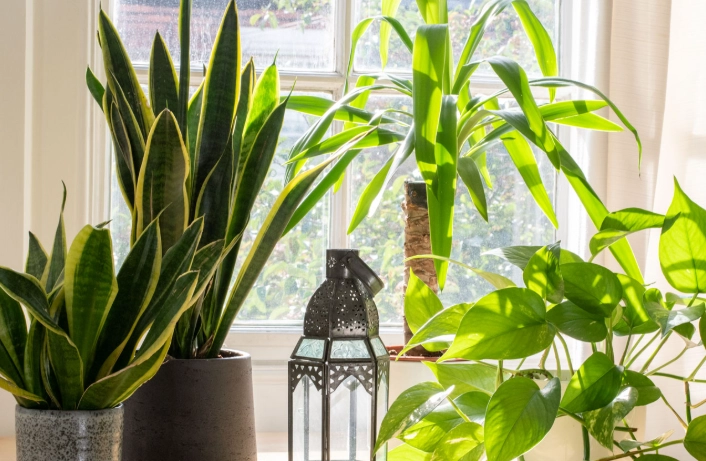
Your Plant Questions, Answered
Starting your indoor plant journey doesn't have to be complicated. Pick one from the list that matches your light, start with the finger-test for watering, and use the nursery-pot-inside-decorative-pot trick. You'll be surprised how much green you can add to your life with just a bit of informed confidence.

Comments