Quick Navigation
- Getting to Know Your Ficus Elastica
- The Non-Negotiables: Light, Water, and Soil
- Beyond the Basics: Humidity, Food, and Cleaning
- Troubleshooting: Reading the Signs
- Pruning and Propagation: Shaping Your Plant and Making Babies
- The Benefits: More Than Just a Pretty Face
- Safety: Pets and Kids
- Final Thoughts: Keeping It Simple
Let's be honest. You probably saw one of those stunning pictures on Instagram—a gorgeous, glossy-leaved rubber plant (Ficus elastica) sitting in a perfectly lit corner, looking like it just stepped out of a design magazine. You brought one home, full of hope. And now... it's maybe dropping a leaf or two. The shine isn't quite there. You're wondering, "What am I doing wrong?"
I've been there. My first rubber plant was a sad affair for months until I stopped treating it like just another generic houseplant. The thing about the rubber plant plant—yes, the name is a bit of a mouthful, a double "plant" that people often search for—is that it has its own personality. It's not fussy, but it has clear preferences. Ignore them, and it will protest. Listen to them, and it will grow into that stunning statement piece you dreamed of.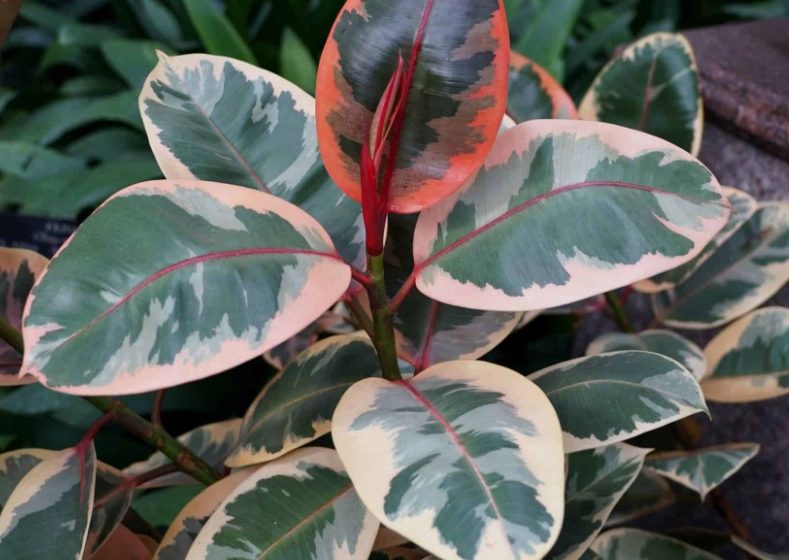
Getting to Know Your Ficus Elastica
First, a quick intro. The rubber plant, or Ficus elastica, is a tropical evergreen tree native to parts of India and Malaysia. Its common name comes from the milky white latex it produces, which was once used to make, you guessed it, rubber. Don't worry, you're not running a plantation. That latex is just a mild irritant—something to keep in mind if you have pets or curious kids, and we'll get to that.
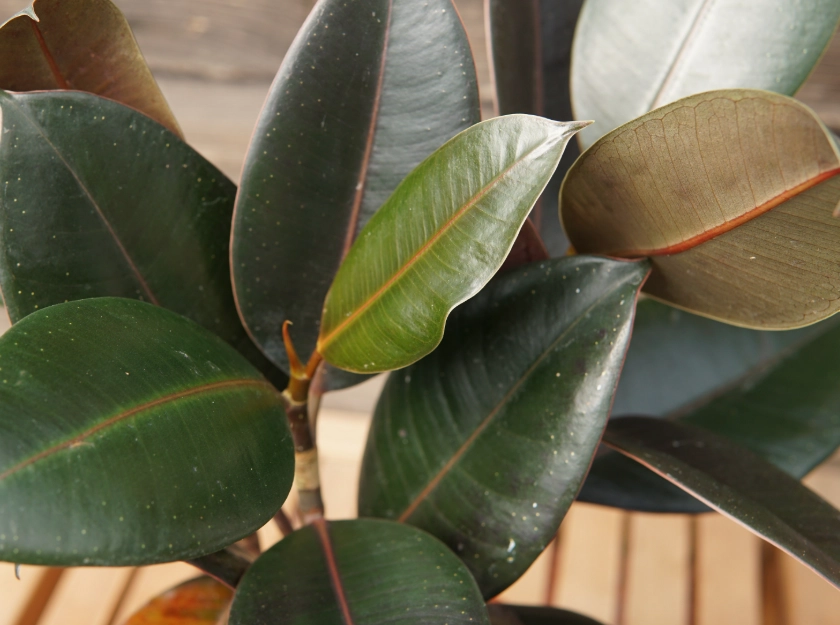
Why has it become a houseplant superstar? Its leaves. They are large, thick, and have an almost plastic-like shine when healthy. They come in deep, dramatic greens (like the classic 'Burgundy' or 'Decora') and stunning variegated patterns of cream and green (like the 'Tineke' or 'Ruby'). It's an architectural plant. It adds structure and a touch of the jungle to any room.
But here's a common misconception: people think because it's a "rubber" plant, it's indestructible. It's tough, sure, but not a cactus. It's a tropical tree at heart.
Popular Varieties You Might Encounter
Not all rubber plants are the same. Picking the right one for your light situation is half the battle.
| Variety Name | Key Features | Light Needs & Difficulty | My Personal Take |
|---|---|---|---|
| Ficus elastica 'Decora' | The classic. Large, broad, dark green leaves with a reddish underside and a prominent central vein. | Medium to bright indirect light. Very easy. | The beginner's champion. Forgiving and fast-growing. My first success story. |
| Ficus elastica 'Burgundy' | Almost blackish-green leaves with a deep burgundy tinge, especially on new growth. | Medium to bright indirect light. Easy. | Dramatic and stunning. The color is richer with more light. Less likely to show dust. |
| Ficus elastica 'Tineke' | Variegated with patches of cream, light green, and dark green. Edges are often pink when young. | Bright indirect light. Medium difficulty. | Absolutely gorgeous but fussier. Low light will make it revert to green. A bit slower growing. |
| Ficus elastica 'Ruby' | Intense variegation with pink, cream, and green. The pink is truly vibrant on new leaves. | Very bright indirect light. Higher difficulty. | A showstopper. Needs consistent light to maintain its color. Not for dark corners. Can be a diva. |
| Ficus elastica 'Doescheri' | Older variegated variety with long, slender leaves marked with grey-green and cream. | Bright indirect light. Medium difficulty. | Elegant and less common. Growth can be a bit more unpredictable. A collector's plant. |
See that? The variegated ones (Tineke, Ruby) are needier. More light = more color. It's a non-negotiable trade-off. If your home is on the darker side, stick with 'Decora' or 'Burgundy'. You'll save yourself a headache.
The Non-Negotiables: Light, Water, and Soil
This is the core. Get these three things mostly right, and your rubber plant will not just survive, it will thrive.
Light: The Energy Source
Rubber plants love bright, indirect light. Think of the light in a room where you can read a book comfortably all day without turning on a lamp. A spot near an east or west-facing window is often perfect. A few feet back from a south-facing window (in the Northern Hemisphere) works too, but watch for direct, scorching afternoon sun which can burn those beautiful leaves.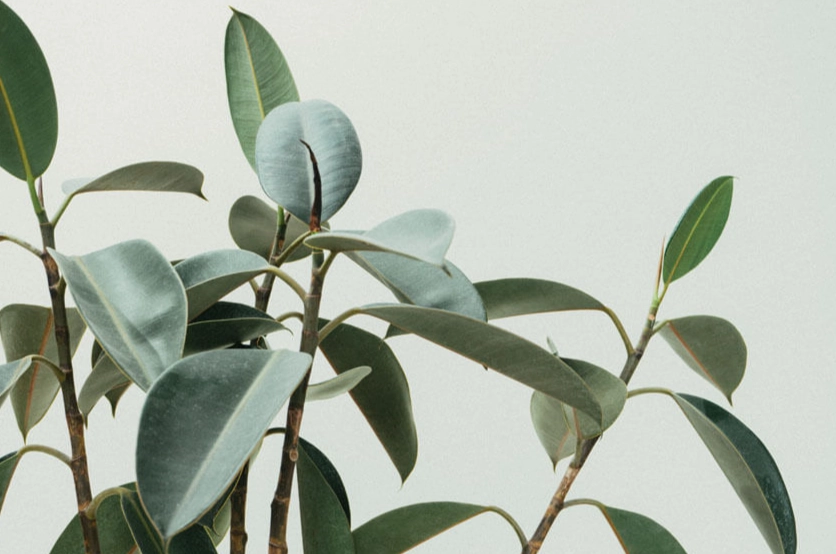
Can a rubber plant tolerate low light? Yes, but "tolerate" is the key word. It will survive, but growth will be extremely slow, almost non-existent. The plant will become "leggy"—stretching out with long spaces between leaves, reaching for any light source. The lower leaves may yellow and drop. It won't die quickly, but it will look sad and sparse. If you're searching for "rubber plant plant low light," know you're asking it to live on a diet of crumbs.
More light = more growth, more leaves, more happiness.
Watering: The Biggest Killer
Overwatering. That's the number one cause of death for almost all houseplants, and rubber plants are no exception. Their thick leaves store water, making them drought-tolerant. They hate soggy feet.
Here's my method, born from killing a few plants with kindness:
- Forget the schedule. Don't water every Tuesday. It's useless.
- Check the soil. Stick your finger into the top 2-3 inches of soil. Is it dry? Completely dry? Wait, check again tomorrow. Is it still dry? Okay, now consider watering.
- Water thoroughly. When you do water, take the plant to the sink (or use a watering can without a rose). Pour water evenly over the soil until it runs freely out of the drainage holes. This ensures the entire root ball gets hydrated.
- Let it drain. This is crucial. Never let the plant sit in a saucer of water. Empty the saucer/cache pot after 15-20 minutes.
In winter, when growth slows and light levels drop, you might only water every 3-4 weeks, maybe even longer. In a hot, bright summer, it could be every 7-10 days. The plant will tell you. Slightly drooping leaves can be a sign of thirst, but it's better to check the soil first.
Soil and Potting: The Foundation
They need a well-draining potting mix. A standard all-purpose houseplant mix is okay, but I like to amend it. I mix in about 30% perlite or orchid bark to increase aeration and drainage. This prevents the soil from compacting and holding too much water around the roots.
Pot choice matters. Always, always use a pot with drainage holes. Terracotta pots are excellent for rubber plants because they are porous, allowing the soil to dry out more evenly and preventing overwatering. Plastic or ceramic pots are fine too, but you'll need to be even more careful with your watering.
Repotting is needed only every 2-3 years, or when you see roots circling the bottom of the pot or growing out of the drainage holes. Spring is the best time. Only go up one pot size (1-2 inches larger in diameter). A pot that's too big holds too much wet soil, which the small root system can't use, leading to—you guessed it—root rot.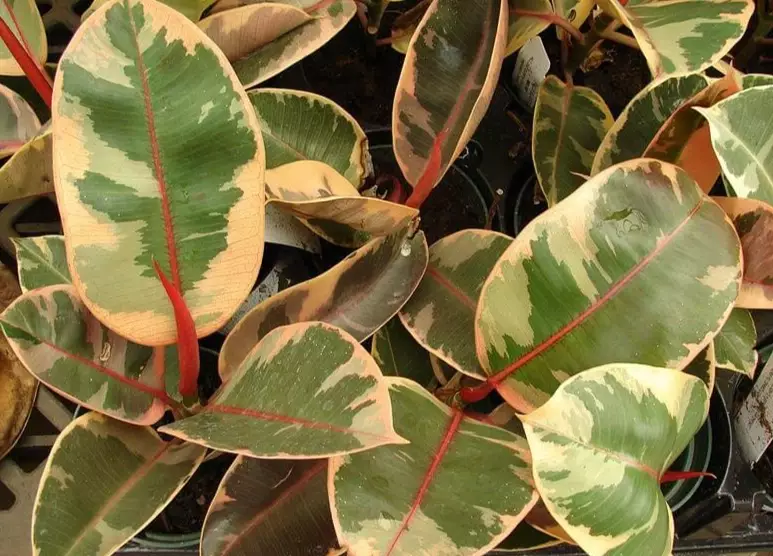
Beyond the Basics: Humidity, Food, and Cleaning
Once you've got light and water down, these factors take your plant from "alive" to "absolutely glorious."
Humidity: Nice, But Not Critical
As tropical plants, they appreciate higher humidity (50-60% is ideal), but they adapt remarkably well to average home humidity (around 30-40%). Don't stress about buying a humidifier just for one rubber plant. However, if your air is extremely dry (like in winter with heating on), you might see some brown, crispy leaf edges.
Solutions? Group it with other plants (they create a microclimate), place it on a pebble tray with water (ensure the pot isn't sitting in the water), or occasionally mist it. But honestly, misting is a temporary fix. I find wiping the leaves does more good.
Fertilizing: The Growth Booster
During the active growing season (spring and summer), feed your plant. It's like giving it vitamins. Use a balanced, water-soluble houseplant fertilizer (look for an NPK ratio like 10-10-10 or 20-20-20) diluted to half the recommended strength. Do this every 4-6 weeks. Stop fertilizing completely in fall and winter when the plant isn't growing much.
Over-fertilizing can cause salt buildup in the soil, which burns roots and shows as brown leaf tips. If you're unsure, it's better to under-fertilize.
Cleaning the Leaves: For Health and Shine
Those big leaves are dust magnets. Dust blocks sunlight, reducing the plant's ability to photosynthesize. Every month or so, give them a gentle wipe with a soft, damp cloth. You'll be amazed at the instant shine. Some people use a bit of diluted mild soap (like castile soap) or neem oil solution, which also helps prevent pests. Avoid leaf-shining products, as they can clog the leaf's pores.
Troubleshooting: Reading the Signs
Your plant is talking to you. Here’s a decoder.
- Yellowing leaves, especially lower ones: Most often overwatering. Check your soil moisture. Could also be a natural process of shedding old leaves if it's just one or two occasionally.
- Brown, crispy leaf edges: Usually low humidity or underwatering. Could also be from fertilizer burn or tap water chemicals (fluoride, chlorine). Letting tap water sit out for 24 hours before using can help.
- Dropping leaves suddenly: A big shock. This could be a drastic change in light, temperature (cold draft from a door/window, or hot air from a vent), or relocation. Rubber plants dislike being moved. Find a good spot and leave it there.
- Leggy growth with large gaps between leaves: Not enough light. Move it closer to a light source.
- No new growth: Could be low light, need for fertilizer, or it's dormant (winter). Assess the season and conditions.
- Sticky residue or webbing on leaves: Pests. Likely scale (little brown bumps) or spider mites (tiny webbing, especially under leaves). Isolate the plant and treat it. Neem oil or insecticidal soap are good first steps.
Remember, a few imperfect leaves are normal. Don't panic at every little spot. Focus on the overall health and new growth.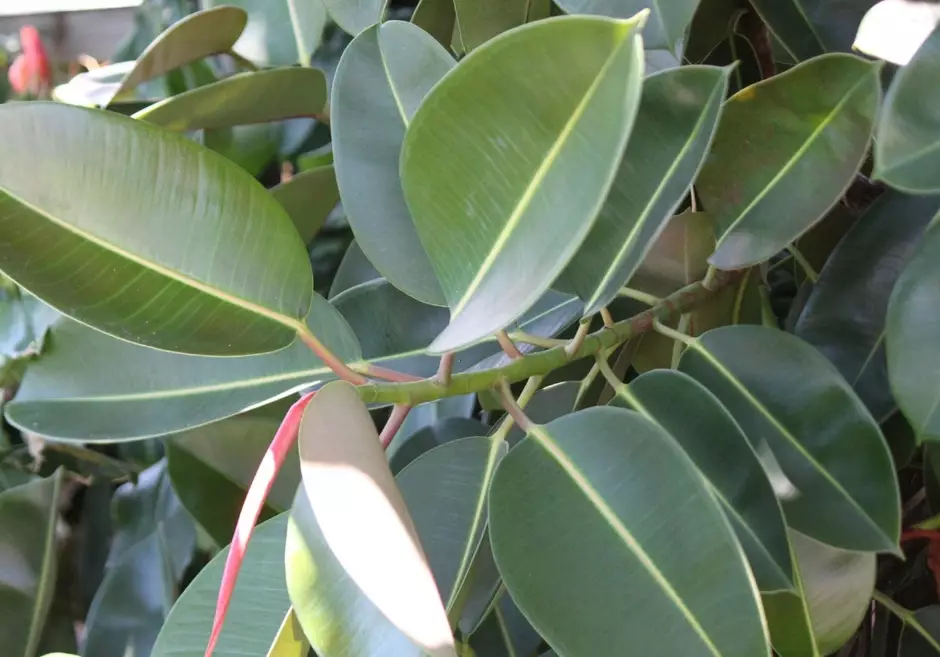
Pruning and Propagation: Shaping Your Plant and Making Babies
Want a bushier plant? Your rubber plant will naturally want to grow tall and single-stemmed. To encourage branching, you need to prune it.
How to prune: In spring or early summer, use clean, sharp shears to cut just above a leaf node (the bump on the stem where a leaf attaches). You can take off the top few inches or even cut a tall plant down significantly. It might seem scary, but it works. The plant will usually produce 1-2 new branches from just below that cut. Wear gloves—the latex sap can be irritating.
Now, don't throw that cutting away! You can propagate it and get a whole new plant for free. It's surprisingly easy.
- Take a cutting with at least 2-3 leaves.
- Let the cut end callous over for an hour or two to stop the sap flow.
- Place the cutting in a glass of water, ensuring no leaves are submerged. Or, plant it directly in a small pot of moist potting mix.
- Place in bright, indirect light.
- For water propagation, change the water weekly. Roots should appear in 3-6 weeks. Once they're a few inches long, pot it up in soil.
The Benefits: More Than Just a Pretty Face
Why go through all this trouble? Well, aside from the sheer joy of nurturing a living thing, rubber plants offer tangible benefits. NASA's Clean Air Study, a classic piece of research often cited, included Ficus elastica as a plant that can help remove common indoor air pollutants like formaldehyde from the air. While you'd need a lot of plants to significantly impact air quality, every little bit helps.
More subjectively, studies and countless anecdotes suggest that caring for plants reduces stress and improves mental well-being. There's a quiet satisfaction in watching a new, tightly furled leaf (called a sheath) emerge, slowly unfurl, and harden into a glossy, mature leaf. It's a slow, living art piece.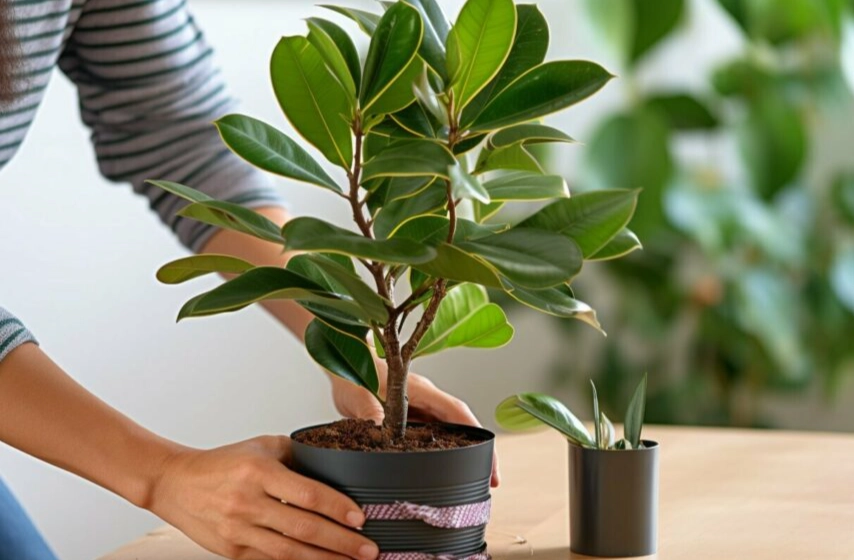
Safety: Pets and Kids
This is important. The ASPCA lists the rubber plant (Ficus elastica) as toxic to cats and dogs. The milky sap contains compounds that can cause oral irritation, drooling, vomiting, and difficulty swallowing if ingested. It's generally considered mildly toxic and not typically life-threatening, but it can cause significant discomfort.
The sap can also cause skin irritation in some people. Wear gloves when pruning or handling cuttings, and wash your hands afterward.
If you have curious pets or small children, place the plant well out of reach. Consider a hanging basket or a high shelf. Safety first.
Common Questions (The Stuff You Actually Google)
Let's tackle those search bar thoughts directly.
Final Thoughts: Keeping It Simple
After all this info, it might seem complicated. It's not. Here's the distilled version for your rubber plant plant care:
Give it bright, indirect light. Water it only when the top few inches of soil are bone dry, then water thoroughly. Put it in a pot with drainage holes and well-draining soil. Wipe its leaves once in a while. Keep it away from drafts and curious pets.
That's really it.
The rest—the fertilizing, the humidity tweaks, the pruning—is fine-tuning. Master the basics first. Observe your plant. It's not a static decoration; it's a living thing that responds to its environment. The joy comes from that interaction, from learning its rhythms and seeing it flourish under your care.
So, go check on your rubber plant. Feel the soil. Maybe move it to a brighter spot. Give those leaves a gentle wipe. You've got this.
Comments