You just harvested a plump leaf from your aloe vera plant. The gel inside is perfect for a sunburn, a DIY face mask, or a smoothie. But you only need a small amount. What do you do with the rest? Tossing it feels wasteful, but leaving it out turns it into a brown, slimy mess within days. Knowing how to store aloe vera properly is the difference between enjoying its benefits for weeks and watching your harvest go down the drain. Let's get straight to the point: proper storage hinges on whether you're keeping the whole leaf, the fresh gel, or planning for long-term use. Below is your complete, step-by-step roadmap.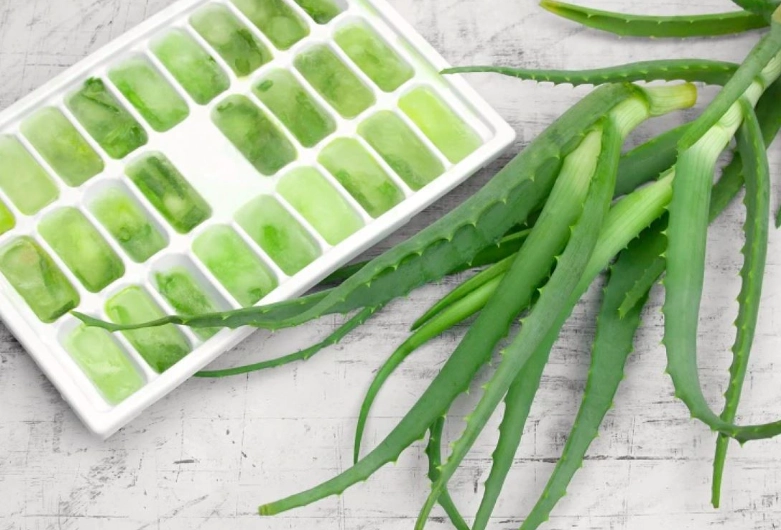
What's Inside This Guide
Step 1: The Right Cut & Prep (This Matters More Than You Think)
Storage starts the moment you cut. A clean, healthy cut prevents early spoilage. Don't just hack at the plant. Use a sharp, clean knife—I prefer a serrated bread knife for the tough outer skin—and cut a mature, outer leaf as close to the base as possible. The inner, younger leaves need more time to grow.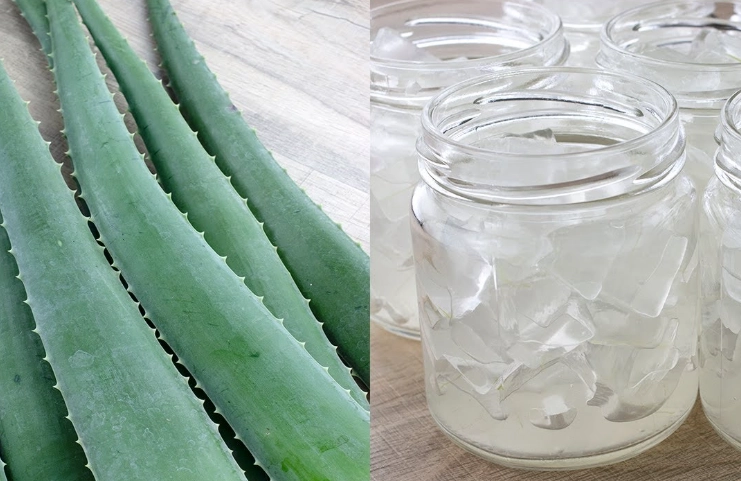
Here's the part most guides gloss over: you must let the leaf "bleed." Aloe vera contains a yellow latex called aloin, right under the green skin. It's a potent laxative and can cause skin irritation for some people. Place the cut leaf upright in a glass or jar for 10-15 minutes. You'll see the yellow sap drain out. Rinse the leaf afterward. Skipping this step means that bitter, irritating sap mixes with your pure gel, affecting taste and potentially causing stomach upset if ingested.
Now, decide your path. Are you storing the whole leaf for later use, or extracting the gel now?
How to Store a Fresh Aloe Vera Leaf
Sometimes you want to use the leaf later in the week. Maybe you're prepping for a spa weekend. Storing the intact leaf is straightforward but has a tight timeline.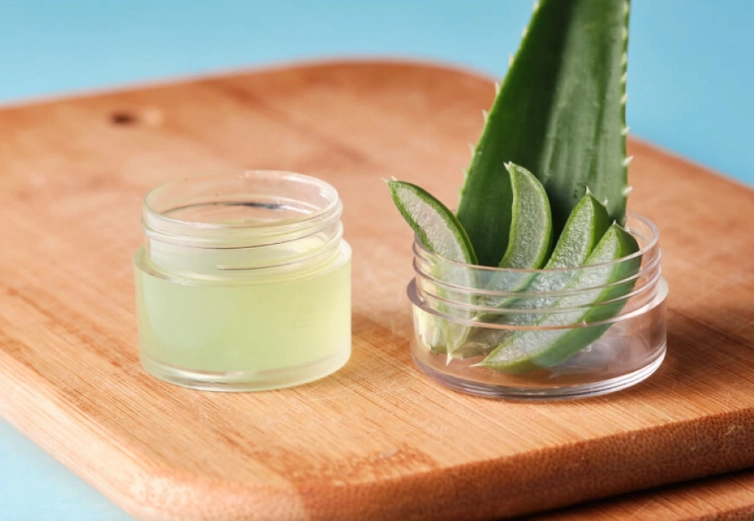
Refrigerator Method (The Go-To)
Wrap the entire, uncut leaf tightly in plastic wrap or aluminum foil. The goal is to lock in moisture and prevent it from absorbing fridge odors (aloe is porous). Place it in the crisper drawer. Stored this way, a fresh aloe leaf will last for about 7 to 10 days. You'll know it's gone bad when it becomes mushy, develops dark spots, or smells off.
Critical mistake alert: Do not wash the leaf before wrapping and refrigerating. The extra moisture on the skin encourages mold. Just wipe off any dirt with a dry cloth.
The Room Temperature Myth
You might read that you can keep a cut leaf on the counter. Technically, yes, for a day, maybe two in a cool, dry place. But the cut end will dry out and seal over, and the inner gel will start to degrade much faster than in the fridge. I don't recommend it unless you're using it within 24 hours. The quality loss is noticeable.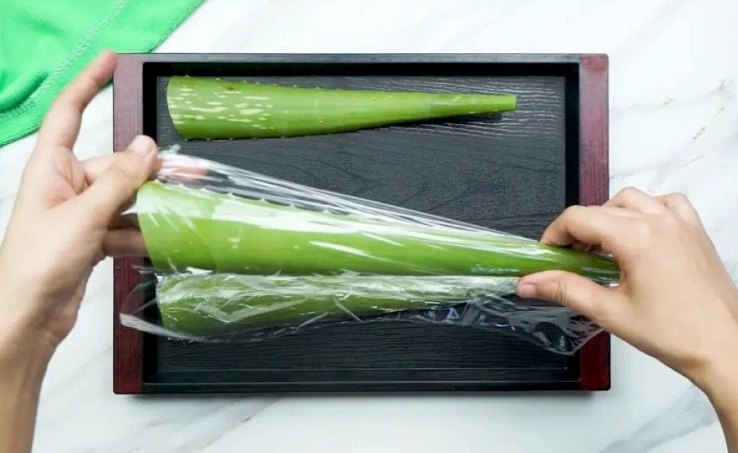
How to Store Extracted Aloe Vera Gel
This is where most people end up. You've filleted the leaf, scooped out the clear gel, and have a bowl of it. Now what?
1. The Airtight Container is Non-Negotiable. Use a glass jar or container with a tight-sealing lid. Plastic can work, but glass is inert and doesn't hold odors. I've had batches in mason jars last significantly longer than in plastic tubs.
2. Refrigeration is Key. Pop that sealed container straight into the fridge. Pure, fresh aloe vera gel will last this way for 5 to 7 days. To extend its life by a few days, add a squeeze of lemon juice or a vitamin C powder capsule. The ascorbic acid acts as a natural preservative and antioxidant, slowing down the browning process.
3. The Visual Check. Fresh gel is clear or slightly cloudy. Spoiled gel turns brownish, pinkish, or develops a yellowish tint. It also becomes watery and slimy, and the fresh, mild smell turns sour or foul. When in doubt, throw it out.
Freezing & Long-Term Storage Methods
Have a bounty from a big plant? Freezing is your best friend for aloe vera gel storage that lasts months.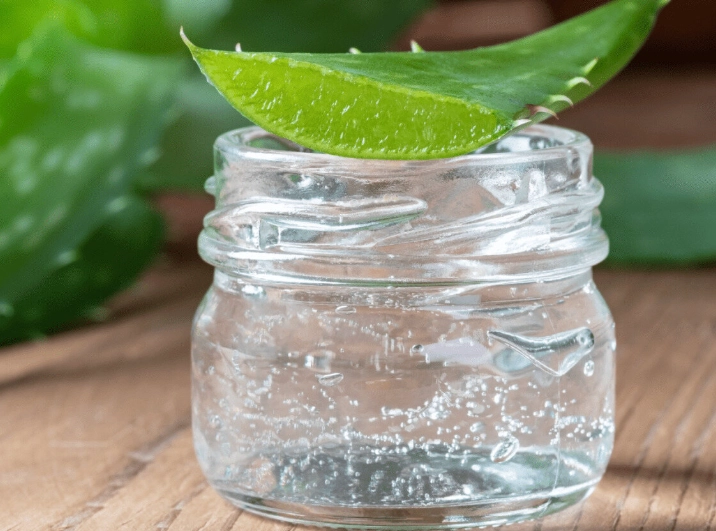
Ice Cube Tray Method (The Game Changer)
This is my absolute favorite method. Pour your fresh gel into ice cube trays and freeze. Once solid, pop the cubes out and store them in a freezer bag. Each cube is a perfect, pre-portioned dose.
- For Skincare: Rub a frozen cube directly on sunburned or irritated skin. The cooling effect is incredible.
- For Smoothies: Toss 1-2 cubes into your blender. No need to thaw.
- Shelf Life: Frozen aloe vera gel retains most of its properties for 6 to 8 months.
Creating Aloe Vera "Pucks"
For larger portions, freeze the gel in a silicone muffin tray or small containers. These "pucks" are great for making a batch of homemade lotion or hair conditioner.
What About the Whole Leaf?
You can freeze a whole leaf, but I find the texture becomes unpleasantly mushy upon thawing. It's only useful if you plan to use the thawed gel exclusively for blended applications like juices or masks where texture doesn't matter. For any direct skin application, frozen gel cubes are superior.
Storage Mistakes You're Probably Making
After helping dozens of plant friends, I see the same errors repeatedly. Avoid these to double your aloe's shelf life.
| Mistake | Why It's a Problem | The Simple Fix |
|---|---|---|
| Storing a wet leaf or gel | Added moisture is a breeding ground for bacteria and mold. | Pat the leaf dry with a towel before wrapping. Let extracted gel sit on a paper towel for a minute to absorb excess surface moisture. |
| Using a dirty knife or container | Introduces contaminants that speed up spoilage. | Wash tools and containers with hot, soapy water before use. It's basic but crucial. |
| Leaving the gel uncovered in the fridge | It absorbs odors (think last night's garlic) and dries out or oxidizes quickly. | Always use an airtight lid. No exceptions. |
| Ignoring the color change | Brown gel has oxidized. While not always toxic, it has lost most of its beneficial vitamins and enzymes. | Use it while it's still clear or lightly cloudy. Discard discolored gel. |
| Refrigerating the whole, uncut plant | This one's extreme, but I've seen it. The cold will damage and likely kill the living plant. | Only store harvested leaves. Keep the potted plant in bright, indirect light. |
Your Aloe Storage Questions Answered
Can I store a whole aloe vera leaf in the fridge without wrapping it?
You can, but you shouldn't. It will dry out, wilt, and pick up refrigerator flavors within two days. The plastic wrap creates a microclimate that maintains humidity. Without it, the quality plummets fast.
My refrigerated gel turned pink after two days. Is it still safe?
Pink or reddish discoloration is a sign of oxidation and a drop in pH. It's likely starting to spoil. The antioxidants like vitamins C and E have degraded. I wouldn't use it on my skin or ingest it. For future batches, adding that squeeze of lemon juice (which is acidic) right after extraction can help delay this color change.
What's the best way to store aloe vera gel for hair use?
The ice cube tray method is perfect. Frozen aloe cubes are excellent for a pre-shampoo scalp treatment (thaw slightly) or can be blended into homemade hair gels. For a ready-to-use liquid, mix fresh gel with a few drops of rosemary or tea tree essential oil (natural preservatives), store in a sealed bottle in the fridge, and use within a week.
How can I tell if my frozen aloe vera has gone bad after months?
Even frozen, quality degrades over time. Look for significant freezer burn (excessive ice crystals, dry, shriveled texture) or an off smell when thawed. If it looks excessively dark or smells rancid, discard it. Properly sealed in a freezer bag, it should be fine for 6-8 months.
I have aloe vera powder. How does storage differ?
Powdered aloe is a different beast. It's shelf-stable. Keep it in its original sealed container in a cool, dark, dry place like your pantry. Moisture is the enemy—don't store it in the bathroom. Once opened, consider transferring it to an airtight jar with a silica gel packet to prevent clumping.
The key takeaway? Treat fresh aloe vera gel like a perishable food item—because it is. With clean prep, airtight sealing, and strategic use of the freezer, you can capture the benefits of your homegrown aloe vera and have a steady, non-wasteful supply for skincare, haircare, and the occasional healthy sip. No more rushing to use a whole leaf before it turns.

Comments