Quick Navigation
Miniature cacti have taken over desks and windowsills everywhere. They're cute, they're trendy, and honestly, they're supposed to be easy. But if you've ever watched one slowly turn mushy or shrivel up, you know it's not always that simple. I've been growing these little guys for over a decade, and I've made every mistake in the book. Let's cut through the noise and get into what really works for keeping your small cactus plants alive and kicking.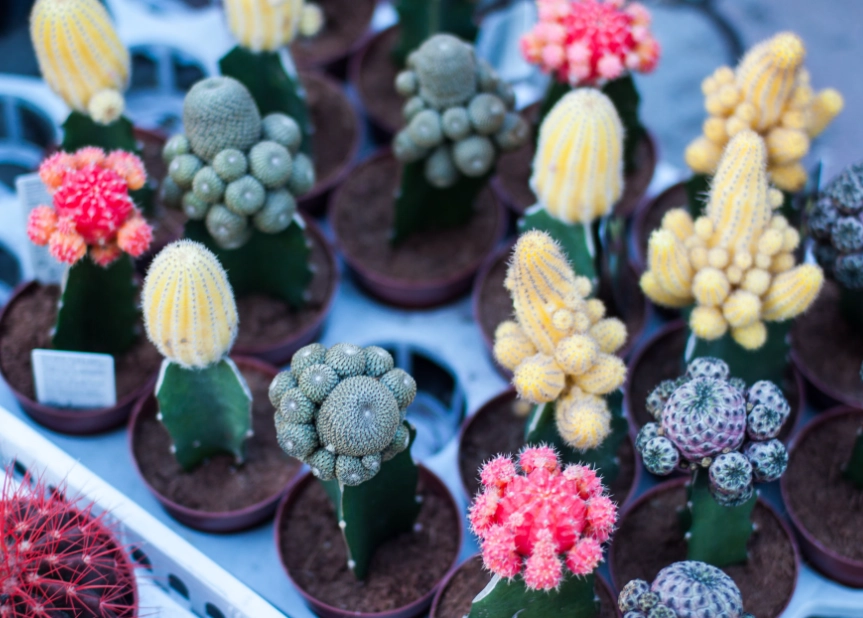
What Are Miniature Cacti and Why Keep Them?
Miniature cacti are small succulent plants from the Cactaceae family, typically under 6 inches in height. They're perfect for tight spaces like offices or apartments. People love them because they're low maintenance—or so they think. The truth is, they have specific needs that, if ignored, lead to disaster. According to the Royal Horticultural Society, cacti are adapted to arid environments, but indoor conditions can trick us into over-caring.
I remember buying my first miniature cactus from a local nursery. It was a tiny Mammillaria, and I thought, "How hard can it be?" Two months later, it was a goner. That's when I realized there's more to it than just occasional watering.
Top 5 Miniature Cactus Varieties for Beginners
Not all small cactus plants are created equal. Some are tougher than others. Here's a table comparing five popular desktop cactus varieties that I've personally grown. This isn't just a list—it's based on survival rates in my own home.
| Variety Name | Key Features | Care Difficulty | Best For |
|---|---|---|---|
| Mammillaria gracilis | Small, clustered spines; produces pink flowers | Easy | Bright indoor light |
| Echinopsis chamaecereus | Fast-growing, peanut-shaped stems; orange blooms | Medium | Beginners who want quick results |
| Rebutia minuscula | Tiny globe shape; vibrant red flowers in spring | Easy | Small pots on windowsills |
| Parodia magnifica | Blue-green body with yellow spines; ball-shaped | Medium | Those who can provide consistent light |
| Gymnocalycium mihanovichii | Often grafted; comes in bright colors like red | Hard | Experienced growers only |
I'd steer clear of grafted varieties like Gymnocalycium if you're starting out. They look cool, but they're finicky and often die because the graft fails. Stick to Mammillaria or Rebutia—they're forgiving.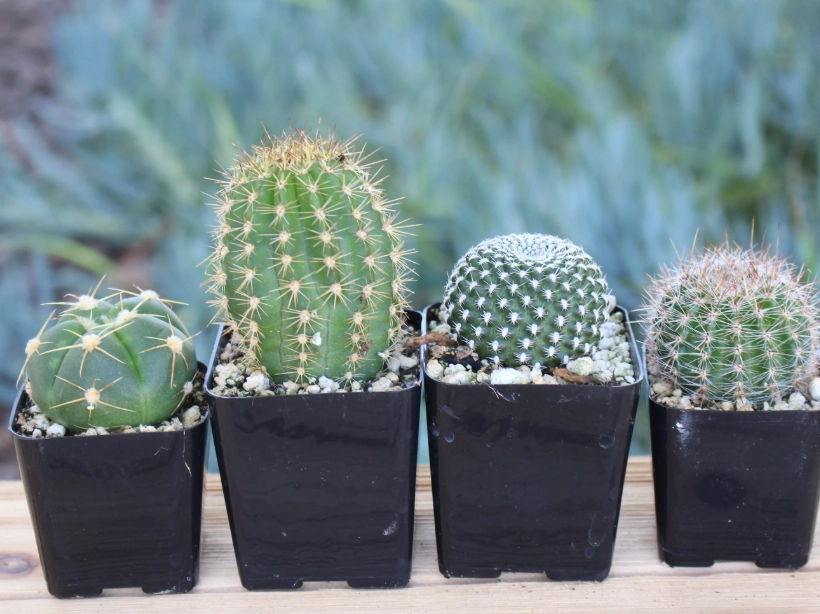
Essential Care Steps for Thriving Miniature Cacti
This is where most guides get it wrong. They give vague advice like "water sparingly." Let's get specific.
Watering: The Most Common Killer
Overwatering is the number one reason miniature cacti die. I learned this the hard way. Here's a rule I developed: water only when the soil is completely dry all the way through. Stick your finger in the soil—if it feels damp, wait. In summer, that might be every 2-3 weeks. In winter, stretch it to 4-6 weeks. Use a pot with drainage holes; without them, you're asking for root rot.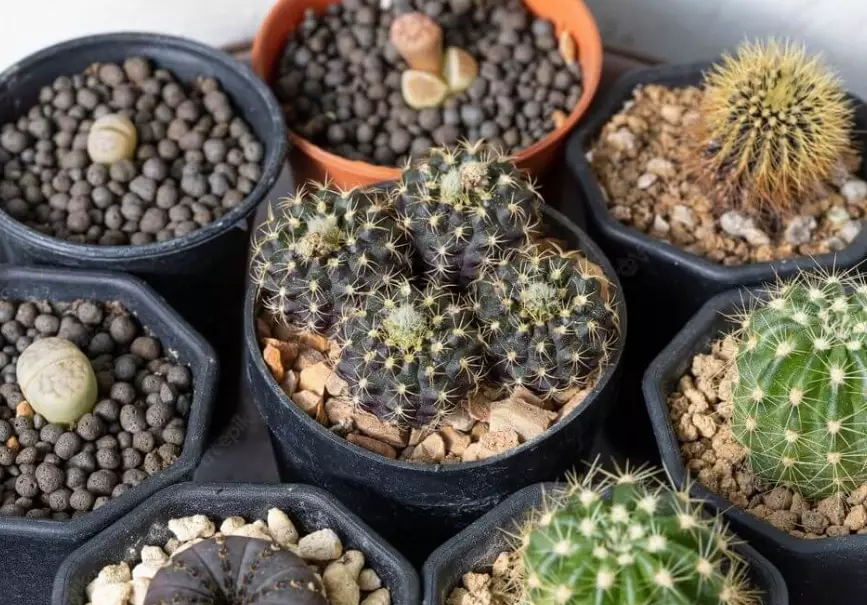
Some experts say to water based on the season, but I've found indoor heating and air conditioning mess with that. Instead, monitor the plant. If it starts to shrivel slightly, it's thirsty. But if it's plump, hold off.
Light: Finding the Sweet Spot
Miniature cacti need bright, indirect light. Direct afternoon sun can scorch them, especially through a window. Place them near an east-facing window where they get morning sun. If you only have a south-facing window, use a sheer curtain to diffuse the light.
I had a Parodia that got sunburned because I left it in direct sun for too long. The tips turned brown and never recovered. Now, I rotate my plants every few weeks to ensure even growth.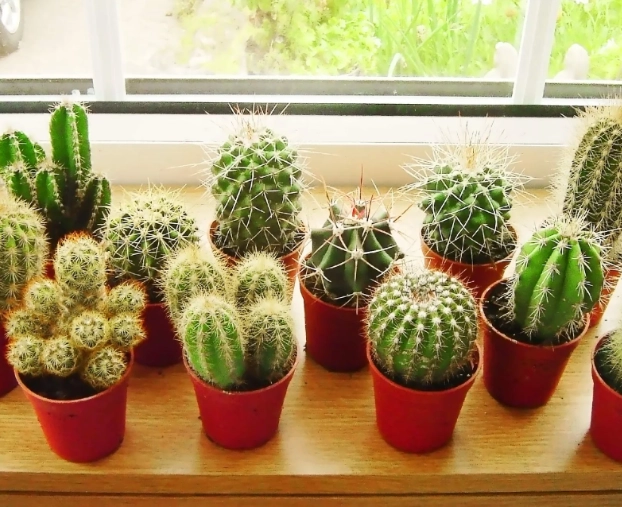
Soil and Potting Mix
Don't use regular potting soil. It holds too much moisture. Go for a cactus-specific mix, or make your own: 2 parts potting soil, 1 part coarse sand, 1 part perlite. This ensures fast drainage. Repot every 2-3 years in spring, but be gentle—their roots are fragile.
When repotting, choose a pot only slightly larger than the root ball. Too big, and the soil stays wet longer, inviting rot.
Common Mistakes and How to Avoid Them
Beyond watering, here are subtle errors I see all the time.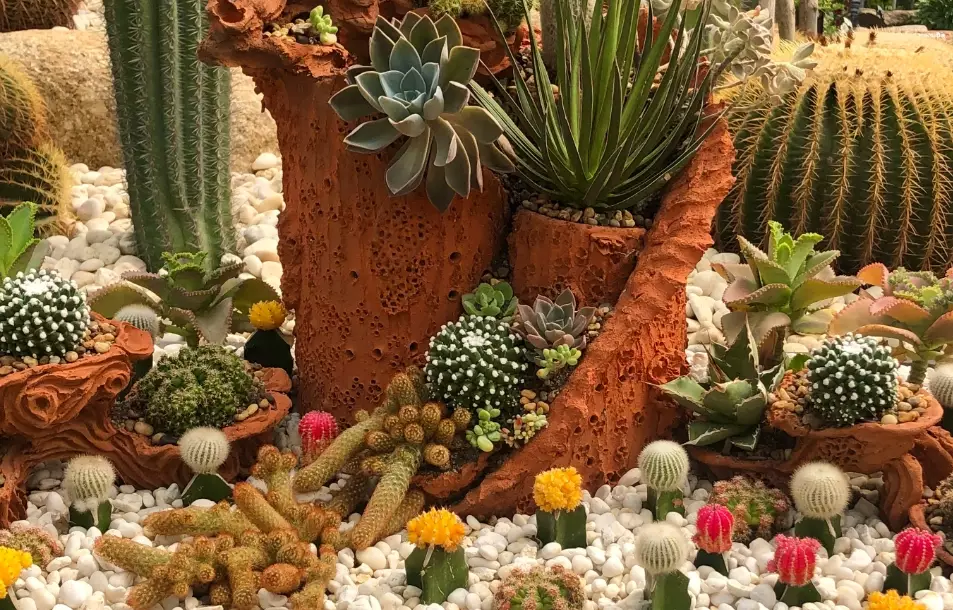
Mistake 1: Using tap water. Tap water contains minerals that build up in the soil. Over time, this can harm the cactus. Use filtered or rainwater if possible. If not, let tap water sit out overnight to evaporate chlorine.
Mistake 2: Ignoring pests. Mealybugs love cacti. Check under the spines regularly. If you spot white, cottony patches, dab them with rubbing alcohol on a cotton swab. I lost a Rebutia to an infestation because I didn't catch it early.
Mistake 3: Fertilizing too much. Contrary to popular belief, miniature cacti do need fertilizer, but only during the growing season (spring to summer). Use a diluted, balanced fertilizer at half strength once a month. In winter, stop completely. Over-fertilizing leads to weak, stretched growth.
FAQ: Your Miniature Cactus Questions Answered
Growing miniature cacti is a rewarding hobby if you get the basics right. Start with a hardy variety, focus on proper watering and light, and don't be afraid to learn from failures. I still kill a plant now and then—it happens. But with these tips, you'll have a better shot at keeping your small cactus plants healthy for years. For more authoritative info, check out resources from the Cactus and Succulent Society of America, which offers detailed care sheets.

Comments