You've probably seen them. Masses of tiny, rose-like flowers packed into a cheerful dome, sitting on a shelf at the grocery store or garden center. The Calandiva Kalanchoe is a staple, and for good reason. It's sold as a disposable holiday plant more often than not, but that's a real shame. With the right approach, this plant isn't a short-term guest; it can be a long-term, repeat-blooming resident in your home. I've grown these for over a decade, and most people get the basics wrong from day one, leading to a one-time show followed by a slow, leafy decline. Let's fix that.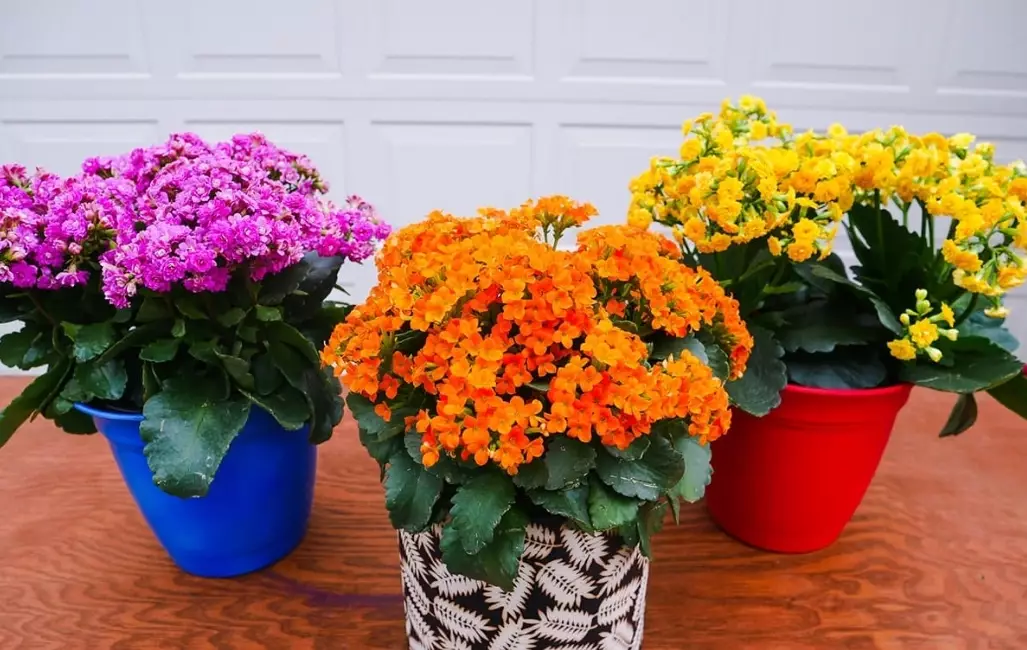
What's Inside This Guide
What Exactly Is a Calandiva Plant?
First, let's clear up the name. Calandiva is a specific cultivar series of the Kalanchoe blossfeldiana plant. Think of Kalanchoe blossfeldiana as the species – the classic one with fewer, larger petals. The Calandiva was selectively bred for its double flowers, which look like mini roses or carnations, giving a much fuller, pom-pom effect. It's a succulent, storing water in its fleshy leaves and stems. This origin is your first care clue: it hates wet feet.
It's often marketed as a symbol of persistence and lasting affection, which is ironic given how many people struggle to keep it alive past its first bloom. The typical store-bought plant has been forced into flower using precise greenhouse conditions. Your job is to help it recover from that shock and build up energy to do it again on its own terms.
Creating the Perfect Environment: Light, Water, and Soil
Getting the fundamentals right is 80% of the battle. Fail here, and the plant won't have the strength to even think about flowering again.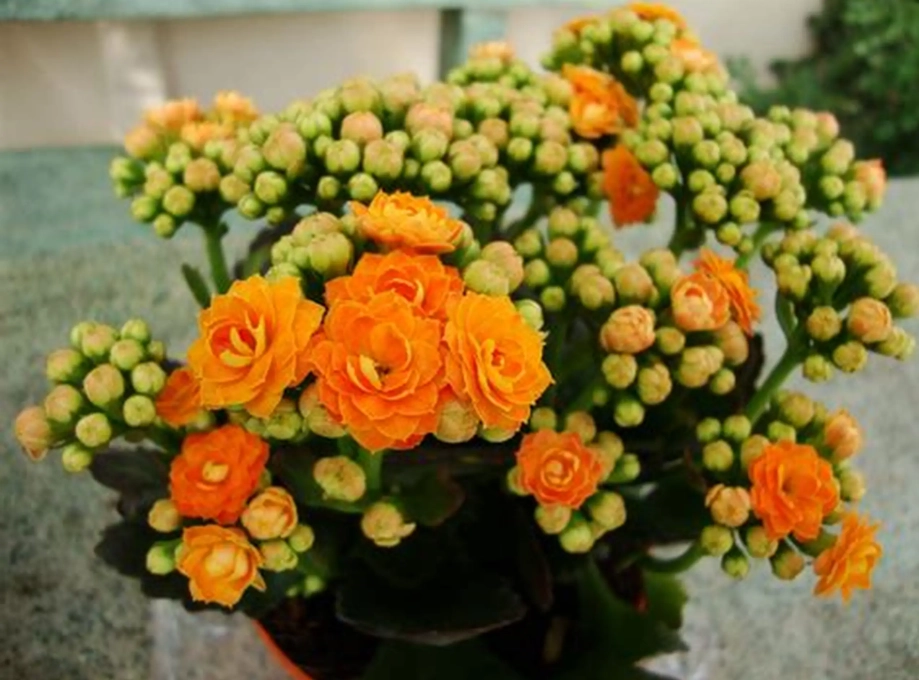
Light: Bright but Not Brutal
This is the most common mistake. "Bright indirect light" is the mantra, but what does that mean for a Calandiva? An east-facing window is ideal. A south or west window is fine, but pull it back a few feet or use a sheer curtain to prevent the leaves from scorching in summer. A north window usually won't cut it for re-blooming. If the stems start stretching and the leaves space out, it's begging for more light. I keep mine about a foot back from a large south-east window year-round.
Watering: The Soak-and-Desert Method
Forget the weekly schedule. Your finger is the best tool. Stick it into the soil up to your first knuckle. If it's dry, water thoroughly. I mean thoroughly – take it to the sink, water until it runs freely out the drainage hole, and let it drain completely. Then, ignore it until the soil is dry again. In winter, this might mean watering only every 3-4 weeks. Yellow, mushy leaves are a sure sign you're being too kind with the watering can.
Soil and Pot: Drainage is Everything
The plastic pot it came in is usually okay if it has holes. If you repot, never go more than an inch or two larger. Use a cactus & succulent mix straight from the bag, or make your own with 2 parts regular potting soil, 1 part perlite, and 1 part coarse sand. Terracotta pots are excellent because they wick away moisture. The goal is to mimic the fast-draining conditions of its native habitat.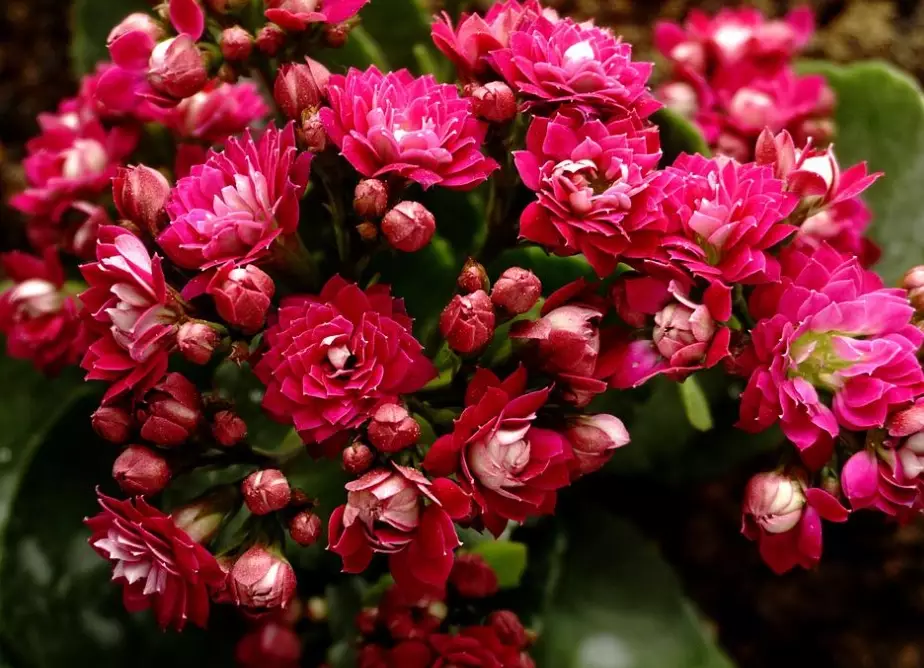
Pro Tip I Learned the Hard Way: After watering, don't let the pot sit in a saucer of water for more than 15 minutes. Empty it. That residual water is the silent killer, promoting root rot that you won't see until the plant collapses from the inside out.
The Non-Negotiable Secret to Re-Blooming
Here's where most guides are too vague. Your Calandiva is a short-day plant. This isn't a preference; it's a biological trigger. To set flower buds, it needs long periods of uninterrupted darkness (about 14 hours) for 6-8 weeks. Your cozy, lamp-lit living room in fall provides zero darkness, so it just grows leaves.
The foolproof method: Around October 1st, start putting it in a totally dark closet from 6 PM to 8 AM every single night. During the day, give it its normal bright light. No cheating – even a brief flash of light can reset the clock. After you see tiny flower buds forming at the tips (usually late November), you can stop the closet routine and enjoy the show. This mimics the natural shortening days of fall. Without this step, you'll have a healthy green plant, but no flowers.
Pruning and Shaping: Avoiding the Leggy Look
After the blooms fade, don't just pick off the dead flowers. You need to deadhead properly. Use clean scissors to cut the entire flower stem back to the first or second pair of large leaves. This encourages branching.
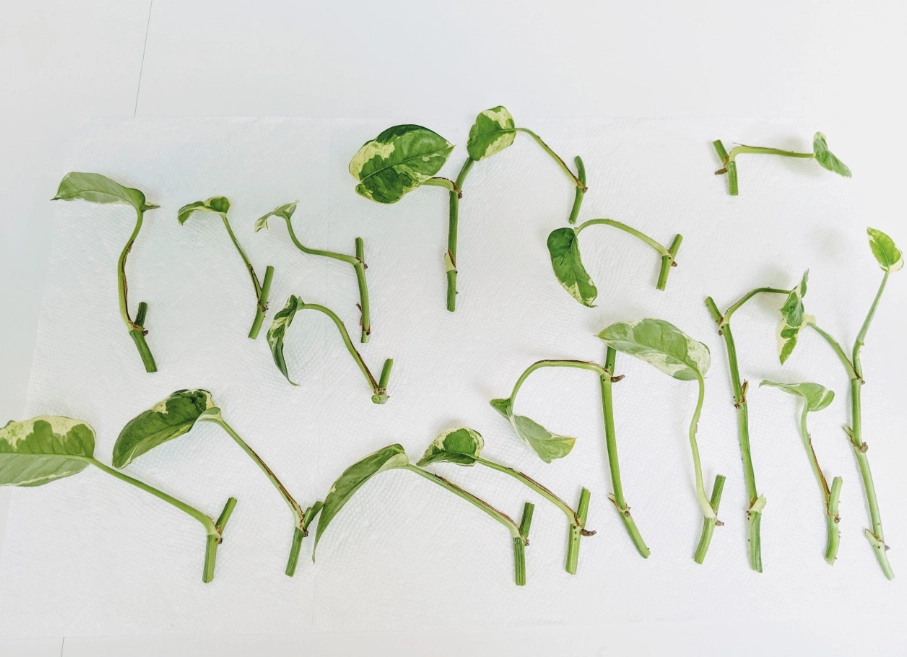
If your plant gets leggy (a common issue), don't be afraid to give it a hard chop in late spring or early summer. Cut the stems back by up to half. It might look brutal, but it forces new, compact growth from the base. Let the cuttings callous over for a day, then stick them in soil to propagate – it's incredibly easy.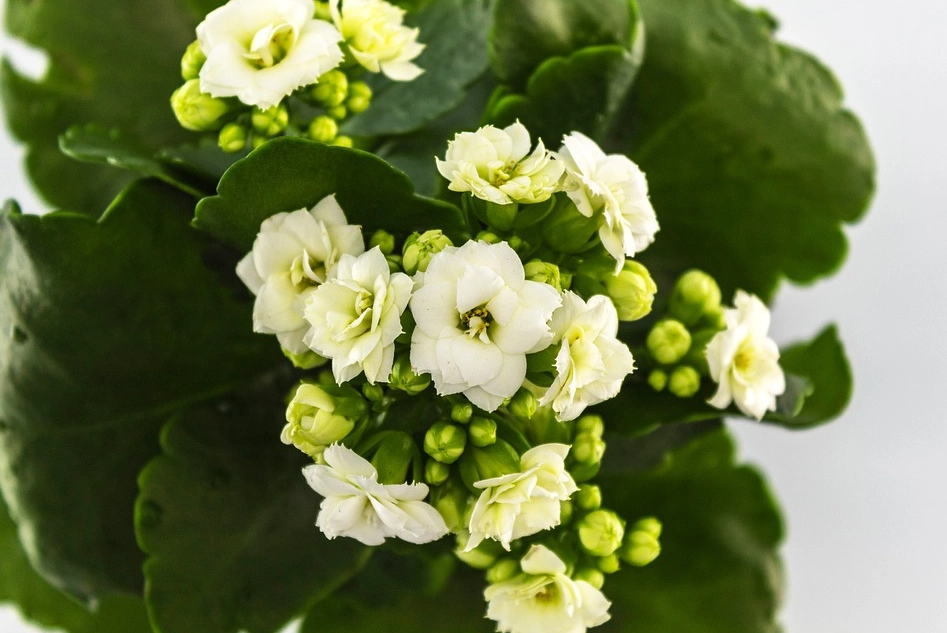
Quick Troubleshooting: What's Wrong With My Calandiva?
Here’s a quick-reference table for the most common problems. I’ve seen every one of these in my own collection.
| Symptom | Likely Cause | Immediate Action |
|---|---|---|
| Soft, mushy, yellowing leaves | Overwatering / Root Rot | Stop watering immediately. Check roots. If brown/mushy, cut away rot, repot in dry succulent mix. |
| Dry, crispy brown leaf edges | Underwatering or low humidity | Give it a thorough soak. If soil is bone dry and hard, consider bottom-watering for 30 mins. |
| Stretched stems, large gaps between leaves | Insufficient Light (Etiolation) | Move to a brighter location. Prune back leggy stems to encourage bushier growth. |
| Plant looks healthy but never flowers again | Lack of proper dark period | Implement the 14-hour darkness routine for 6-8 weeks in fall. |
| White, cottony patches on leaves/stems | Mealybug infestation | Isolate plant. Dab bugs with cotton swab dipped in rubbing alcohol. Repeat weekly. |
Answering Your Tricky Calandiva Questions
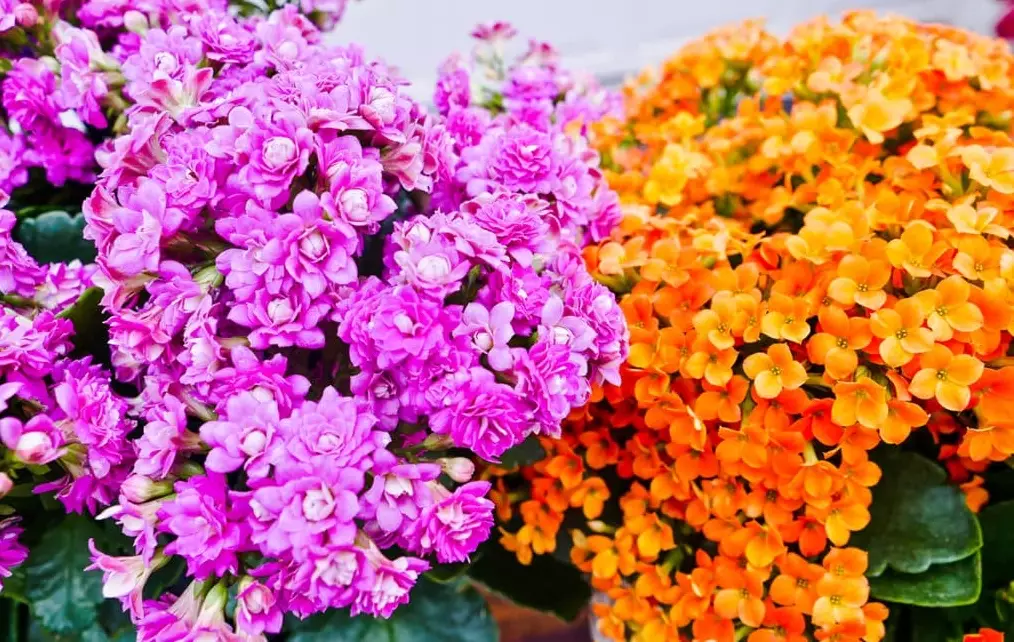
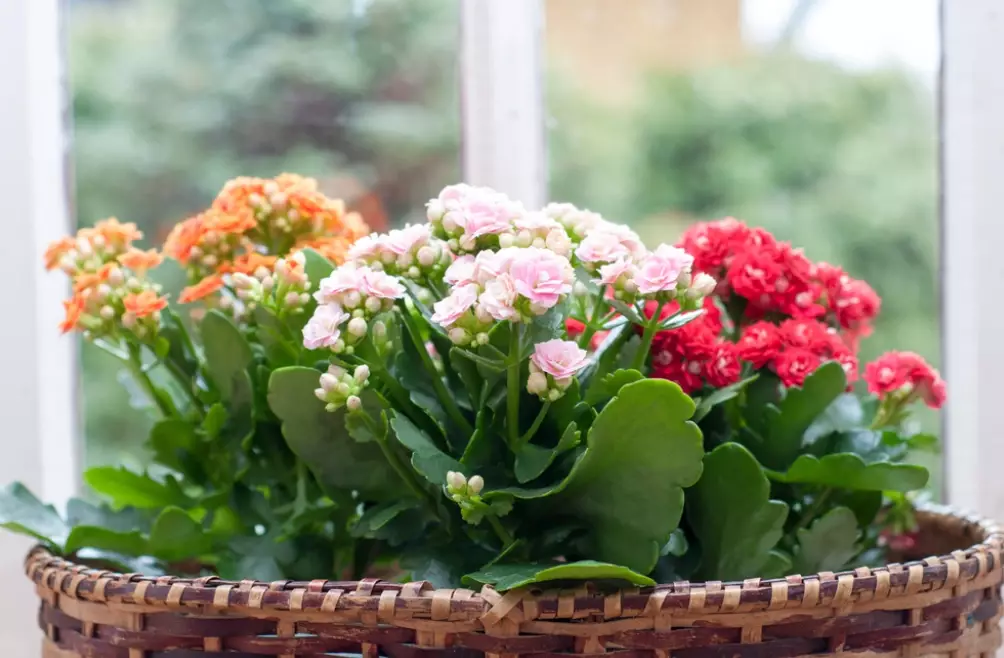 The Calandiva gets a bad rap as a temporary plant, but that's just because its needs are specific. It's not difficult, it's just misunderstood. Give it the drought-and-downpour watering cycle, plenty of bright light, and that critical period of fall darkness, and you'll be rewarded with those cheerful, rose-like blooms season after season. It’s a plant that teaches patience and observation, and the payoff is worth it.

Comments