What You'll Learn
So your aloe vera is outgrowing its pot, or maybe it's looking a bit sad. The leaves are soft, the color's off, and you're pretty sure it's not just thirsty. You've heard about rerooting aloe vera, but the process seems a bit daunting. What if you kill it? I've been there. I've killed my fair share of aloes by being overzealous with the watering can or using the wrong soil. But after years of trial and error (and rescuing many a plant from the brink), I've got a system that works. Let's walk through it together.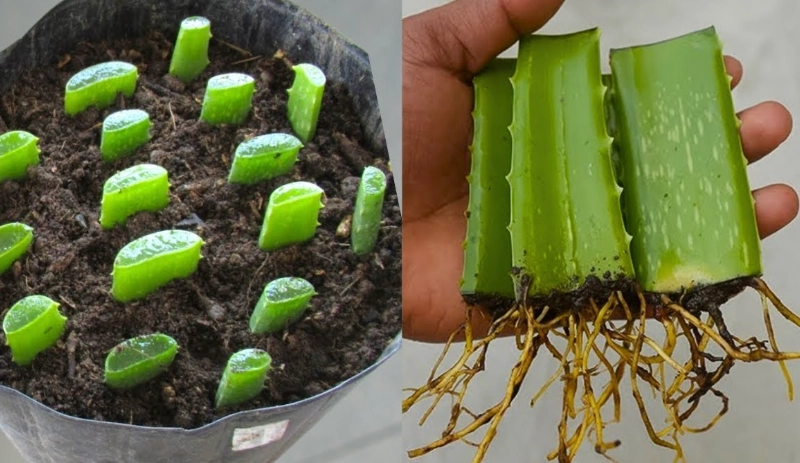
Why You Might Need to Reroot Your Aloe
Rerooting isn't just about making more plants—it's often a rescue mission. Here are the main reasons you'd want to do this:
The Pot is Busting at the Seams. This is the happy reason. A healthy aloe produces offsets, called "pups." When the pot gets crowded with these baby plants, everyone competes for water and nutrients. Separating them gives everyone room to breathe and grow.
Root Rot Has Set In. The silent killer. If you've been a little too generous with water, the roots turn into a mushy, brown mess. The plant can't take up water, so the leaves get soft and discolored. Rerooting here means cutting away all the rot and starting fresh with healthy tissue.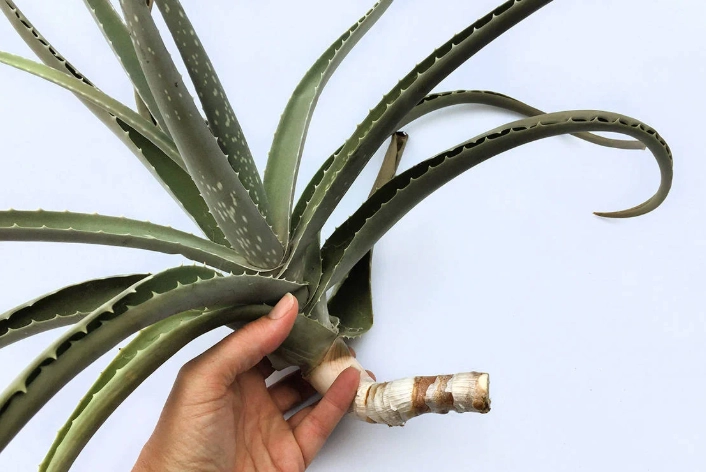
The Soil is Exhausted or Wrong. Old soil loses its structure and nutrients. If your aloe is in dense, moisture-retentive potting mix (like regular garden soil), it's basically sitting in a wet sponge, begging for trouble. Repotting with a proper, gritty mix is a form of rerooting.
The goal is always the same: to establish a new, healthy root system in fresh, appropriate conditions.
Step-by-Step Guide to Rerooting Aloe Vera
Gather your supplies first. You'll need a clean, sharp knife or pruning shears, newspaper or a tray, a new pot with a drainage hole (terra cotta is ideal), and a well-draining cactus & succulent potting mix. You can buy this or make your own.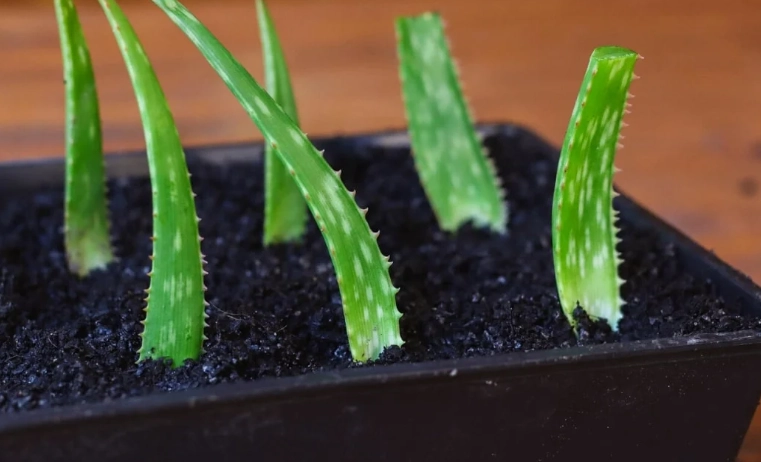
Pro Mix Recipe: Combine 2 parts regular potting soil with 1 part perlite and 1 part coarse sand or poultry grit. This creates the fast-draining environment aloe roots crave. The University of California's integrated pest management program notes the importance of excellent drainage for succulent health.
Preparing Your Workspace and Tools
Clean your cutting tool with rubbing alcohol. This is non-negotiable. You're performing surgery, and you don't want to introduce bacteria to the fresh cuts. Do this even if the tool looks clean.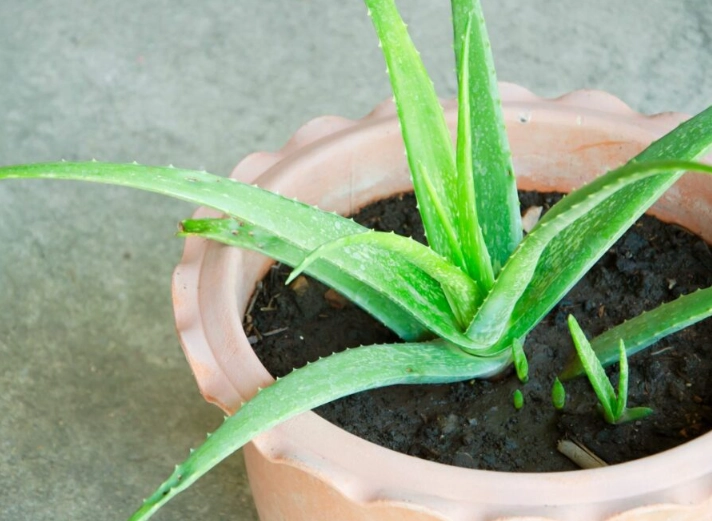
The Division Method: Separating Pups
This is the easiest and most successful way to propagate aloe vera.
- Remove the entire plant from its pot. Gently tip it and squeeze the sides; don't yank it by the leaves.
- Brush away excess soil from the root ball so you can see where the main plant and the pups connect.
- Look for pups that are at least one-fifth the size of the mother plant and have their own set of leaves. Tiny pups often don't have developed roots and struggle.
- Using your fingers, gently wiggle the pup away from the mother. If it's stubbornly attached by a thick stem, use your sterilized knife to make a clean cut, ensuring the pup takes some roots with it. A pup with existing roots is gold—it'll establish much faster.
Set the pups aside on some newspaper in a spot with indirect light. This is the critical callousing period. You must let the cut ends dry and form a seal. This usually takes 2-3 days, maybe longer in humid climates. If you plant a fresh cut directly into soil, it will almost certainly rot.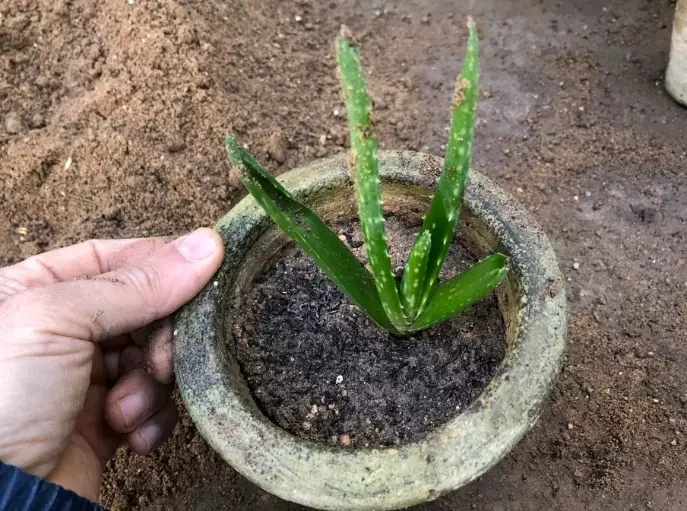
Dealing with a Rotting Aloe Plant
If you suspect root rot, the process is different. After removing the plant, wash all the soil off the roots under lukewarm water. Now inspect.
Healthy roots are firm and light in color (tan or white). Rotten roots are brown/black, mushy, and might smell bad. Using your sterilized tool, cut away every single bit of rot. Be ruthless. If the rot has traveled up the stem, cut the stem back until you see only clean, green, firm tissue with no brown streaks.
Let this cut plant dry and callous for a longer period—5-7 days minimum. The larger the cut surface, the longer it needs. A good trick is to stand the base of the plant on a small, empty jar so air can circulate all around the wound.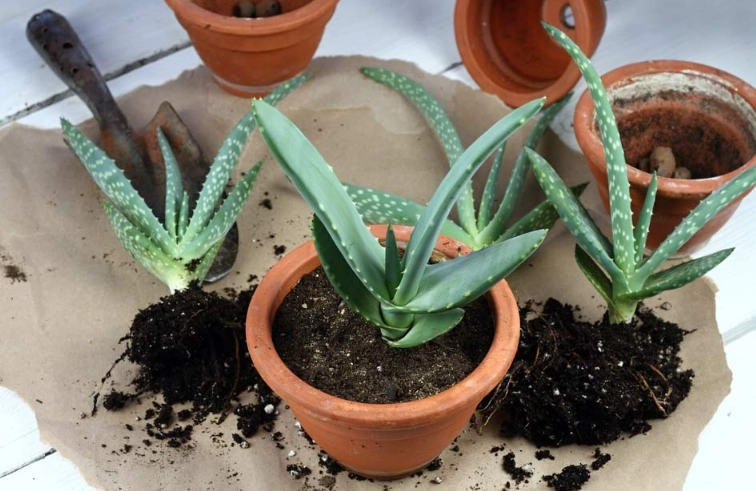
Common Mistakes and How to Avoid Them
Most failures happen here. Let's bypass the heartbreak.
| Mistake | Why It's a Problem | The Fix |
|---|---|---|
| Planting in a pot that's too large | Excess soil holds moisture for too long, creating a soggy environment perfect for root rot to start again. The small root system can't use all that water. | Choose a pot that's only 1-2 inches wider than the root ball. The pot should be just a little snug. |
| Using regular potting soil | It's too dense and retains water like a sponge. Aloe roots are adapted to arid conditions and will suffocate and rot. | Use a dedicated cactus/succulent mix or make your own gritty blend (see recipe above). |
| Skipping the callousing period | An open wound placed directly in moist soil is an invitation for fungal and bacterial infections. This is the #1 reason cuttings fail. | Be patient. Let the cut end dry completely until it's hardened over. No shortcuts. |
| Watering immediately after potting | The plant has no roots to absorb water yet. Water just wets the soil and stem, encouraging rot at the base. | Wait at least one week after potting before giving the first light watering. Then wait for the soil to dry completely before watering again. |
My Personal Pet Peeve: The advice to "water lightly." What does that even mean? For a rerooting aloe, it's better to think "water sparingly" and "infrequently." The first watering should just moisten the top layer of soil around the plant, not soak the entire pot.
Aftercare: The First Crucial Weeks
You've potted your calloused pup or plant in fresh, dry mix. Now what?
Location: Place it in bright, indirect light. No direct, hot sun for the first few weeks. A north or east-facing windowsill is perfect. Direct sun will stress a plant with no established roots.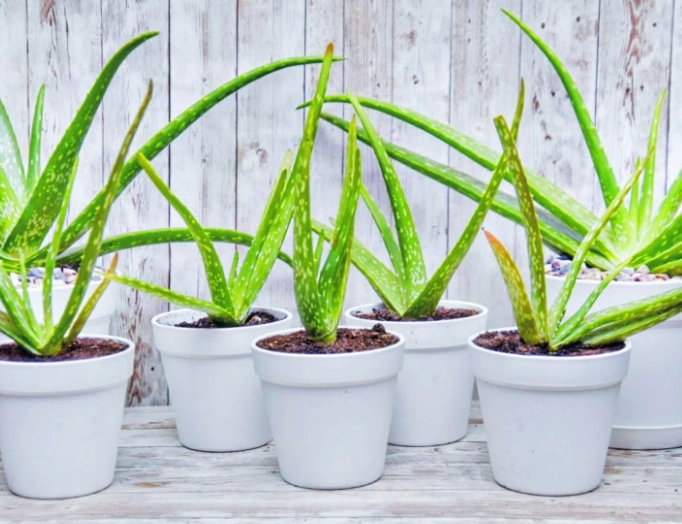
The First Watering: Wait 7-10 days. Then, give it a modest drink, just enough to dampen the soil around the base. The goal is to signal to the plant that moisture is available, encouraging root growth, not to quench a thirst it doesn't yet have.
When to Resume Normal Care: Don't tug on the plant to check for roots—you'll break them. Instead, look for signs of new growth. When you see a new, plump leaf emerging from the center, it's a sure sign the roots are doing their job. This can take 3-6 weeks. Only then can you gradually move it to a sunnier spot and begin a more regular (but still infrequent) watering schedule—soaking the soil only when it's completely dry.
Resist the fertilizer. A rerooting plant doesn't need it and it can burn tender new roots. Wait at least 3-4 months.
Comments