Let's be honest. The Ficus elastica, or rubber tree plant, is sold as this bulletproof, easy-care statement piece for your home. And then you bring it home. Leaves drop. New growth is sparse. That gorgeous burgundy or variegated leaf? It's looking a bit sad. I've been there. I've killed one (too much love, aka water) and I've nursed several back from the brink. This guide isn't just a list of facts you can find anywhere. It's the distilled, sometimes hard-learned lessons on keeping your rubber plant not just alive, but thriving and growing into that Instagram-worthy giant.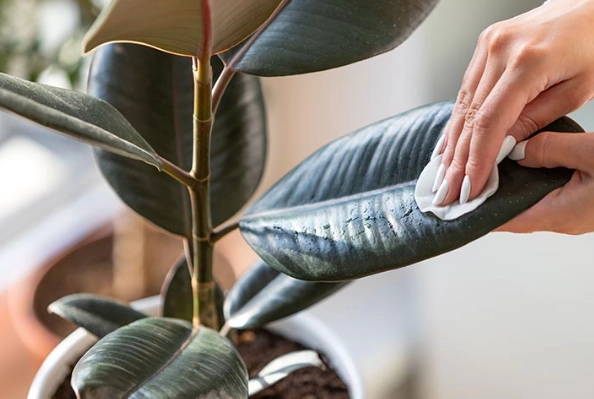
What's Inside This Guide
- Getting the Light Just Right (It's Not What You Think)
- The Art and Science of Watering Your Rubber Plant
- Soil, Potting, and the Root of All Problems
- Temperature, Humidity, and Feeding
- Pruning, Shaping, and Making More Plants
- Diagnosing Common Rubber Plant Problems
- Your Burning Rubber Plant Questions, Answered
Getting the Light Just Right (It's Not What You Think)
Here's the first big misconception: "low light tolerant." Tolerant is not the same as "prefers" or "thrives in." Think of it like this: your plant will survive in lower light, but it will put all its energy into just staying alive, not into pushing out those big, beautiful new leaves.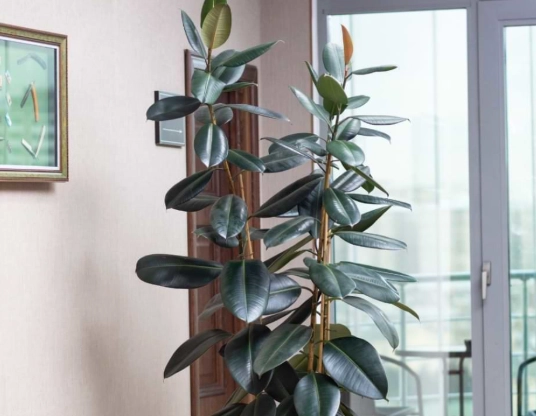
The sweet spot is bright, indirect light. A spot near an east-facing window is perfect. A few feet back from a south or west window (behind a sheer curtain) is also ideal. Direct, hot afternoon sun will scorch the leaves, leaving ugly brown patches.
Can it adapt? Absolutely. Rubber plants are more adaptable than some finicky species. But don't shock it. If you're moving it from a dark corner to a bright spot, do it gradually over a week or two.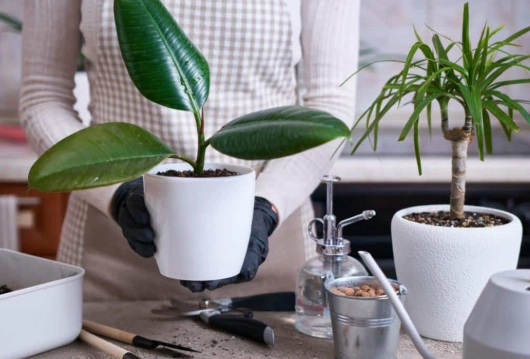
The Art and Science of Watering Your Rubber Plant
This is where most people, myself included, mess up. Overwatering is the #1 killer of houseplants, and rubber plants are no exception. They store water in their thick stems and leaves, making them drought-tolerant.
Forget the schedule. Watering every Tuesday because it's Tuesday is a recipe for root rot. Your plant's thirst depends on light, temperature, pot size, and season.
How to Know When to Water: The Finger Test and Beyond
Stick your finger into the soil, up to your second knuckle (about 2 inches). If the soil feels dry at that depth, it's time to water. If it feels even slightly damp, wait.
But here's a nuance most guides miss: the weight of the pot. Lift it. A dry pot is surprisingly light. A watered pot is heavy. After a few times, you'll know the feel. For larger floor plants you can't lift, a moisture meter is a worthwhile $10 investment, though the finger test is still reliable.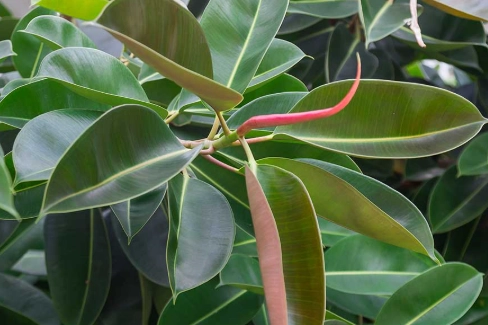
How to Water Properly
- Take the plant to the sink or use a watering can without a rose.
- Water slowly and evenly over the soil surface until you see water running freely out of the drainage holes at the bottom. This is non-negotiable. You must have drainage holes.
- Let it drain completely in the sink for 10-15 minutes before putting it back in its decorative pot or saucer. Never let it sit in a saucer of standing water.
In winter, when growth slows, you might only need to water every 3-4 weeks. In the height of summer, it could be every 7-10 days. Always check the soil first.
Soil, Potting, and the Root of All Problems
Rubber plants need soil that drains exceptionally well but still retains some moisture and nutrients. A standard, dense potting mix holds too much water.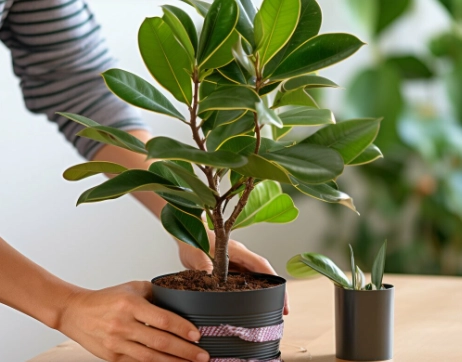
My go-to mix: 2 parts regular all-purpose potting soil, 1 part perlite, and 1 part orchid bark (or coconut coir chips). The perlite and bark create air pockets, preventing compaction and keeping roots healthy. You can find a good basic recipe from resources like the University of Florida's IFAS Extension, which emphasizes aeration for Ficus roots.
When and How to Repot
Repot in spring or early summer, when the plant is actively growing. Signs it needs a new home:
- Roots are growing out of the drainage holes.
- The plant dries out extremely fast (every few days).
- Growth has stalled despite good care.
The biggest mistake? Potting up into a container that's way too big. Excess soil holds excess water, leading to soggy roots. Only go up 1-2 inches in pot diameter at a time. A 6-inch plant goes into an 8-inch pot, max.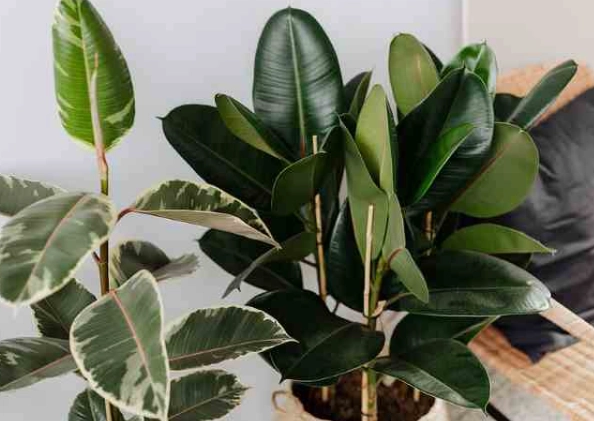
Temperature, Humidity, and Feeding
Rubber plants are tropical but fairly adaptable to average home conditions.
| Factor | Ideal Range | What to Avoid |
|---|---|---|
| Temperature | 60°F - 80°F (15°C - 27°C) | Drafts (hot or cold), sudden temperature drops below 55°F (13°C) |
| Humidity | 40% - 60% | Very dry air (below 30%) can encourage spider mites. |
| Fertilizer | Balanced liquid fertilizer (e.g., 10-10-10) | Over-fertilizing, fertilizing in fall/winter, using full strength. |
Humidity is the one where people get anxious. Yes, they appreciate it, but they don't require a humidifier like some ferns do. If your air is very dry, grouping plants together or using a pebble tray with water can help. Browning leaf tips can be a sign of low humidity, but more often it's related to watering or fluoride in tap water (let water sit out overnight before using).
Feeding: Less is more. Feed monthly in spring and summer with a half-strength diluted liquid fertilizer. Stop feeding entirely in fall and winter. A buildup of salts from fertilizer can burn roots.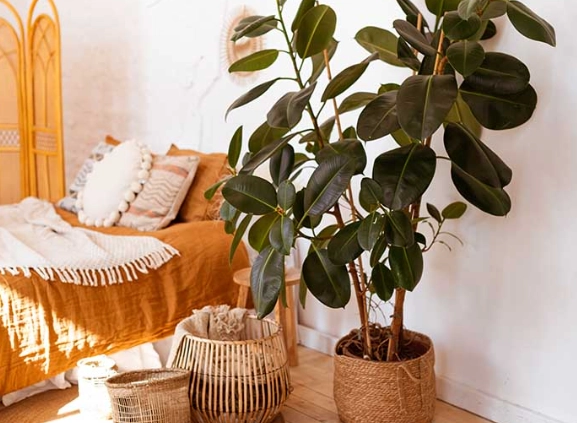
Pruning, Shaping, and Making More Plants
Rubber plants naturally want to grow tall and single-stemmed. If you want a bushier plant, you have to intervene.
How to prune for bushiness: In spring, use clean, sharp pruners to cut off the top of the main stem just above a leaf node (the bump where a leaf attaches). This removes the apical meristem (the growth tip) and signals the plant to push out new side shoots from nodes lower down. Don't be afraid—it will grow back.
Propagation is easy with those cuttings! You have two main choices:
- Water Propagation: Place the cutting (with a few leaves) in a jar of water. Change the water weekly. Roots appear in 4-8 weeks. Pot up when roots are a few inches long.
- Soil Propagation: Dip the cut end in rooting hormone (optional but helpful) and plant it directly in a small pot with moist, well-draining mix. Cover with a plastic bag to create humidity. Roots establish in about the same time.
I prefer water propagation for beginners—you can see the progress, which is rewarding.
Diagnosing Common Rubber Plant Problems
Your plant is talking to you through its leaves. Here’s how to translate.
| Symptom | Likely Cause | Quick Fix |
|---|---|---|
| Yellowing leaves, especially lower ones | Overwatering / Poor drainage | Check soil moisture, ensure pot has holes, repot if soil is soggy. |
| Brown, crispy leaf edges | Underwatering, low humidity, or fluoride/chemicals in water | Check watering habits, use filtered/rain water or let tap water sit out. |
| Drooping, limp leaves | Usually underwatering (soil is bone dry) | Give it a thorough soak. Plant should perk up in a day. |
| Leaf drop (multiple leaves) | Sudden change in environment (light, temp, draft), or severe overwatering | Identify and correct the environmental shock. Be patient. |
| No new growth | Insufficient light, or it's dormant (winter) | Move to a brighter spot. Only worry if it persists through spring/summer. |
| Small webs, stippling on leaves | Spider mites (a common pest) | Wipe leaves with damp cloth, spray with insecticidal soap or neem oil. Increase humidity. |
Your Burning Rubber Plant Questions, Answered
My rubber plant's leaves are dusty. How should I clean them?
Dust blocks light. Every month or so, take a soft, damp cloth and gently wipe each leaf, supporting the underside with your hand. For a bigger plant, a lukewarm shower in the tub works wonders. Just let it drain thoroughly afterward. Avoid leaf shine products—they can clog the leaf's pores.
Why is my variegated rubber plant turning all green?
It's screaming for more light. The green parts of the leaf contain more chlorophyll, which the plant uses to make food. In low light, it prioritizes survival by producing more green tissue. Move it to a brighter spot (no direct sun) and new growth should come in with the proper variegation. You can also prune back the all-green stems to encourage variegated ones.
Can I put my rubber plant outside in the summer?
Yes, but you must acclimate it slowly. Start by placing it in full shade for a week, then dappled shade. Never put it in direct, hot sun—it will burn. A covered patio is ideal. Bring it back inside well before nighttime temperatures dip below 55°F. The boost in light and humidity often triggers a growth spurt.
How fast do rubber plants actually grow?
In ideal conditions (bright light, warm temps, consistent care), they can grow 1-2 feet per season. In average home conditions, expect 6-12 inches. Growth virtually stops in the low-light winter months. Don't panic if it's dormant.
The new leaf on my plant has been stuck in a brown sheath for weeks. Is it dead?
Probably not. New leaves emerge wrapped in a protective red or brown cataphyll. Sometimes they get stuck, especially if the air is too dry. You can very carefully mist the sheath to soften it, or give it a gentle assist with your fingers. Often, it will break free on its own with time. Don't force it, or you might damage the tender leaf inside.
The key to rubber tree plant care is understanding its language. It's a resilient, forgiving plant that asks for consistent but not fussy attention. Get the light and water right, and you'll have a loyal, growing companion for years. It might even become the centerpiece of your room. Mine did.

Comments