I killed my first air plant. It was a beautiful Tillandsia xerographica, and I drowned it with love. The tag said "easy care," so I figured a good soak every few days would keep it happy. A month later, it was a mushy, brown mess at its base. That experience, frustrating as it was, sent me down a rabbit hole. I've spent the last decade growing hundreds of Tillandsias, and I've learned that their biggest threat isn't neglect—it's misinformation. "Air plants don't need water" is just as wrong as "soak them every week." Let's cut through the noise.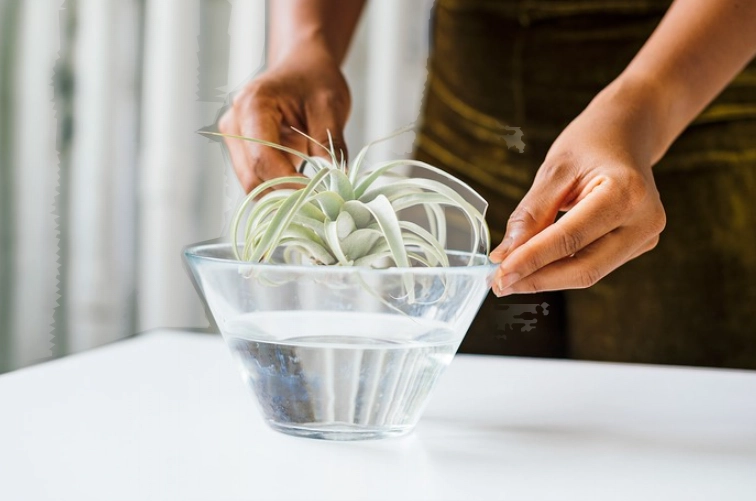
What You'll Learn in This Guide
What Are Air Plants (Tillandsias) Really?
Calling them "air plants" sets up a dangerous expectation. They're epiphytes, meaning in nature they grow on other plants (like tree branches), not in soil. They don't parasitize; they just need an anchor. Their nutrients and moisture come from the air and rain through tiny structures on their leaves called trichomes. These silvery, fuzzy scales are the key to everything. In humid environments, trichomes close up. In dry, bright environments, they open wide to catch moisture and light. This is why a fuzzy, silver Tillandsia tectorum needs vastly different care than a slick, green Tillandsia cyanea. The plant's appearance is its care manual.
Key Insight: Forget "air." Think "atmosphere." Your job is to recreate the specific atmospheric conditions (humidity, light, air movement) of its native habitat, not just hang it and hope.
The Single Biggest Airplant Care Mistake (And How to Avoid It)
Rot. It's the killer of 90% of air plants. It happens at the base, the core of the plant, and it's almost always caused by water sitting there for too long. The internet is full of pretty pictures of air plants in globes or shells. Visually stunning, practically a death sentence if you don't know the trick.
The mistake is not drying the plant upside down after watering.
You soak or mist it, then place it right-side-up in its holder. Water pools in the tight leaf junctions near the base. In still air, that water takes hours to evaporate, creating a perfect environment for fungal and bacterial rot. The plant looks fine for weeks, then one day the center pulls out easily.
The Non-Negotiable Step Everyone Forgets
After any watering, gently shake your Tillandsia. Then, place it upside down on a towel, or in a dish rack, or between the rungs of an upside-down egg carton. Let it dry completely in a spot with good air circulation. This takes 1-4 hours depending on the variety and your home's humidity. Only when it's bone-dry to the touch at the base should you return it to its display. This one habit will double your success rate overnight.
The Core Trio: Watering, Light, and Airflow Demystified
Getting these three factors in balance is the whole game. They influence each other directly.
How to Water Air Plants Correctly (It's Not One-Size-Fits-All)
There are two main methods: soaking and misting. Your choice depends on your home's humidity and the plant type.
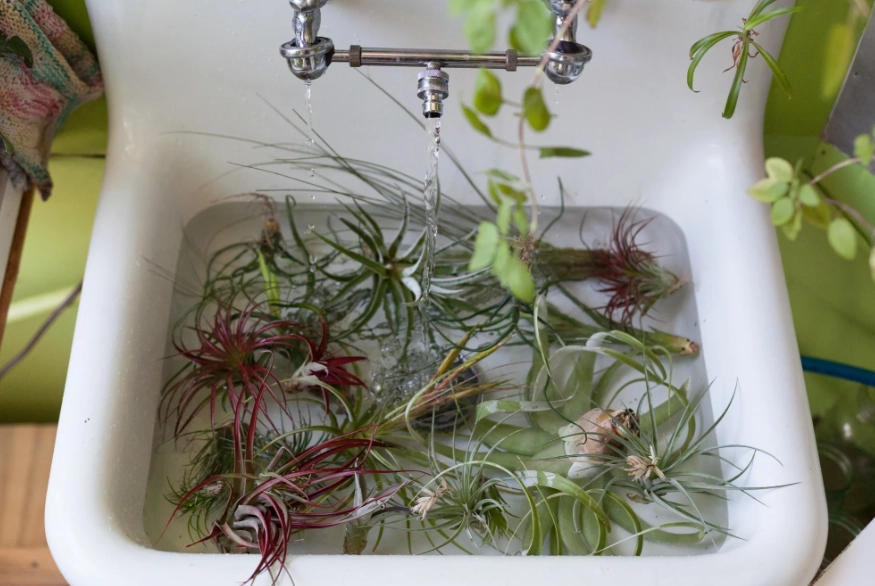
- Soaking: Best for most home environments (especially with AC or heat). Submerge the entire plant in room-temperature water for 20-60 minutes. I use rainwater or filtered tap water; hard water can clog trichomes over time. Do this once a week for green-leaved varieties (like Tillandsia ionantha) and every 10-14 days for very fuzzy, silver types (like Tillandsia xerographica).
- Misting: Only sufficient if you live in a consistently humid climate (>60% humidity) or have a dedicated terrarium. You'd need to mist heavily, almost to the point of runoff, 3-4 times a week. For most people in controlled indoor climates, misting alone leads to slow dehydration.
Signs you're under-watering: Leaves curl inward dramatically, feel crispy, brown tips start from the leaf tip moving inward.
Signs you're over-watering: Base feels soft or mushy, lower leaves fall off easily, black or brown spots appear at the base.
Light Requirements: Bright but Not Direct
"Bright, indirect light" is the mantra. An east or west-facing window is ideal. A south window needs a sheer curtain. North windows often aren't bright enough.
They can tolerate some direct morning sun, but hot afternoon sun will scorch them, leaving bleached, crispy patches. If you're using artificial light, a standard LED grow light placed 6-12 inches away for 10-12 hours a day works beautifully. I've kept a collection thriving under lights in a windowless bathroom for years.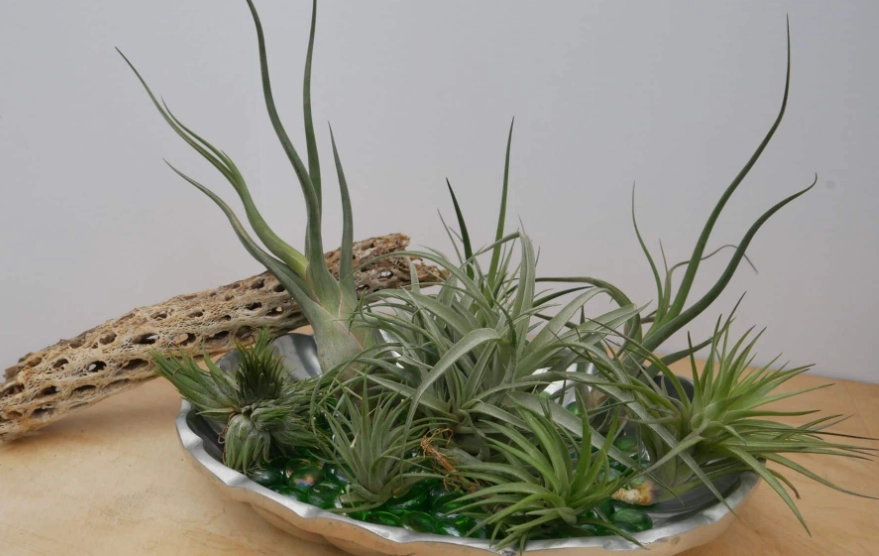
The Silent Hero: Air Circulation
This is the most overlooked factor. Stagnant air is the partner-in-crime to over-watering. Good airflow helps plants dry quickly, prevents rot, and strengthens them. A ceiling fan on low, an oscillating fan in the room, or simply being in a well-ventilated area makes a huge difference. Don't blast air directly on them, but ensure the air in the room isn't dead still.
Picking Your Plant: A Quick Guide to Popular Tillandsia Varieties
Not all air plants are created equal. Starting with a forgiving variety builds confidence. Here’s a breakdown of common ones you’ll find.
| Variety (Tillandsia) | Appearance | Care Difficulty | Watering Tip | Light Needs |
|---|---|---|---|---|
| Ionantha | Small, clumping, green turning red when blooming. | Easy (Great for beginners) | Soak weekly. Dries quickly. | Bright indirect. |
| Xerographica | Large, silvery, curly leaves, sculptural. | Easy-Medium | Soak every 10-14 days. MUST dry upside down thoroughly. | Bright indirect to some direct morning sun. |
| Caput-Medusae | Bulbous base, twisting green leaves. | Easy | Soak weekly. Shake water out of bulb base extra well. | Medium to bright indirect. |
| Brachycaulos | Wide, flat, green leaves that blush red. | Easy | Soak weekly. | Bright indirect. |
| Tectorum | Extremely fuzzy, white, almost fluffy. | Medium (Sensitive to over-watering) | Mist heavily 2-3x/week or quick dunk. Avoid long soaks. | Very bright, can handle more direct sun. |
| Cyanea (Pink Quill) | Dark green, grass-like leaves, pink quill flower. | Medium | Prefers consistent moisture. Soak 30 min weekly, mist in between if dry. | Medium indirect light. |
Why Is My Air Plant Dying? A Troubleshooting Checklist
Walk through this list if your plant looks unhappy.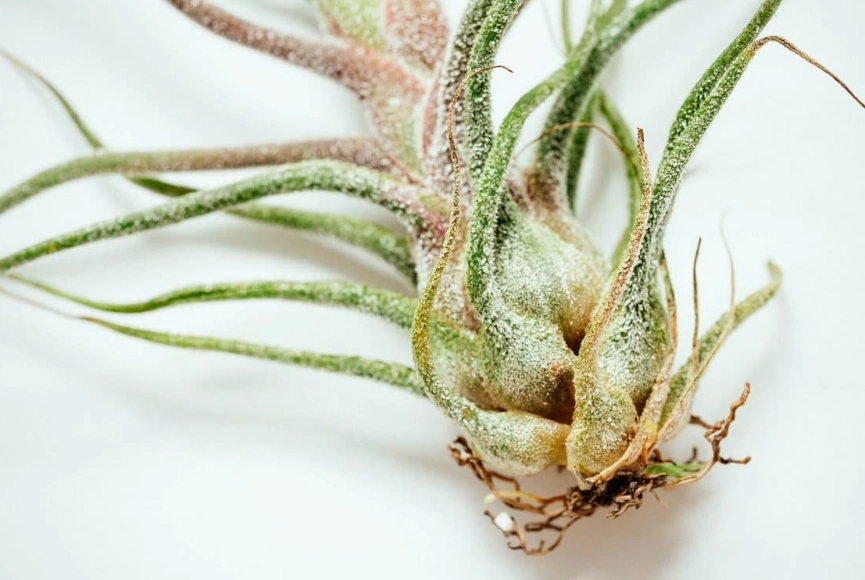
- Check the Base: Gently squeeze it. Is it firm and white/tan, or soft/brown/black? Softness means rot, often fatal. If only outer leaves are affected, you can sometimes pull them off and save the core.
- Check the Leaves: Crispy, curled tips? It's thirsty. Give it a good soak. Brown, mushy patches in the middle of a leaf? Could be sunburn or physical damage.
- Check Your Routine: Are you drying it upside down? Is it in a sealed glass globe with no air? Is it sitting in a puddle of water in a decorative dish?
- Check for Blooms: After an air plant flowers, it will eventually die. But it produces "pups" (offsets) around its base first. Your main plant's decline might be a natural, successful lifecycle if you see little babies.
Common Misdiagnosis: People see brown leaf tips and think "over-watered." More often, it's the opposite—under-watering or low humidity causing dehydration from the tips back. Assess the texture (crispy vs. mushy) and the location (tips vs. base).
Your Airplant Care Questions, Answered
My air plant is in a sealed terrarium. How do I water it without causing mold?
You've chosen hard mode. Sealed terrariums create a humid, still environment that most Tillandsias dislike. If you must, remove the plant to water it. Soak it, dry it completely upside down for several hours, and only then put it back in the terrarium. Leave the terrarium open for a few hours after to allow excess moisture to escape. Honestly, I recommend an open vessel or a frame instead.
 Do I need to fertilize my air plants? What should I use?
It's not required for survival, but it promotes growth, pup production, and stronger blooms. Use a urea-free bromeliad or orchid fertilizer at 1/4 strength. Why urea-free? Air plants absorb nutrients through their leaves, and urea requires soil microbes to break it down—something they don't have access to. Add the diluted fertilizer to your soaking water once a month during the spring and summer. Skip it in fall and winter.
How do I get my air plant to attach to wood or driftwood?
Patience and the right adhesive. Don't use soil or glue that seals moisture in (like hot glue over the roots). Use a flexible, waterproof adhesive like E6000 or a specific plant-safe glue like Oasis Floral Adhesive. Apply a small dab to the base of the plant and press it against the wood. Hold for 30 seconds. Then, you must water by misting or carefully taking the whole piece down to soak, ensuring you don't soak the glued joint repeatedly. The plant will eventually anchor itself with its roots over many months, but those roots are for grip, not absorption.
Can I keep my air plant outside?
Yes, but with strict conditions. They must be in a shaded, covered patio (think dappled light under a tree or a north-facing eave). They cannot get direct midday sun or be exposed to temperatures below 45°F (7°C). They'll love the natural humidity and airflow. Rainwater is excellent for them. Just be vigilant about pests like scale or mealybugs, which are more common outdoors.
What's the deal with blooming? My plant flowered and now looks sad.
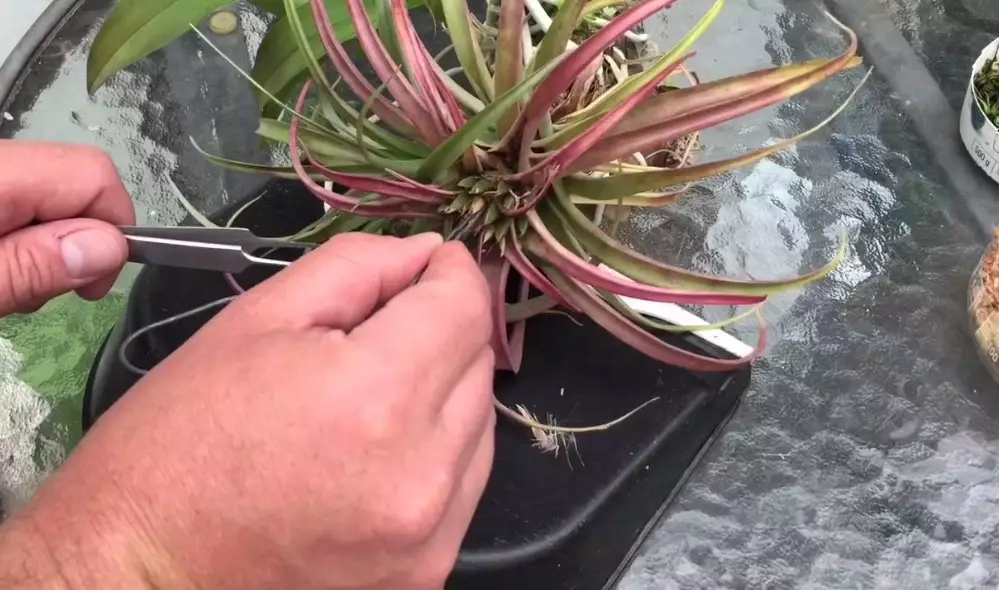
Congratulations, you did everything right! Blooming is the climax of an air plant's life cycle. After the flower fades, the plant (called the "mother") will slowly decline over the next year or so. Its energy shifts to producing 1-4 "pups" around its base. This is how it propagates. Keep caring for the mother normally. When the pups are about 1/3 to 1/2 the size of the mother, you can gently twist them off, or leave them to form a clump. The cycle continues.
 The real secret to airplant care isn't a perfect schedule. It's observation. Look at your plant. Touch it. Is it plump or papery? Silver or green? Adjust your care to what it tells you, not what a generic blog post says. Start with a hardy Ionantha, master the soak-and-upside-down-dry method, give it bright light, and you'll have a thriving, pup-making air plant that defies the "hard to keep alive" reputation. It just takes understanding their language.
Comments