Let's be honest. You want greenery in your home, but the thought of becoming a full-time plant parent feels overwhelming. You've probably heard horror stories, or worse, you've been the star of one—like the time you lovingly overwatered a cactus to a mushy death. I've been there. The good news is, easy indoor house plants exist. They're the forgiving, low-drama roommates of the plant world, and they can thrive even if your care routine is, well, inconsistent.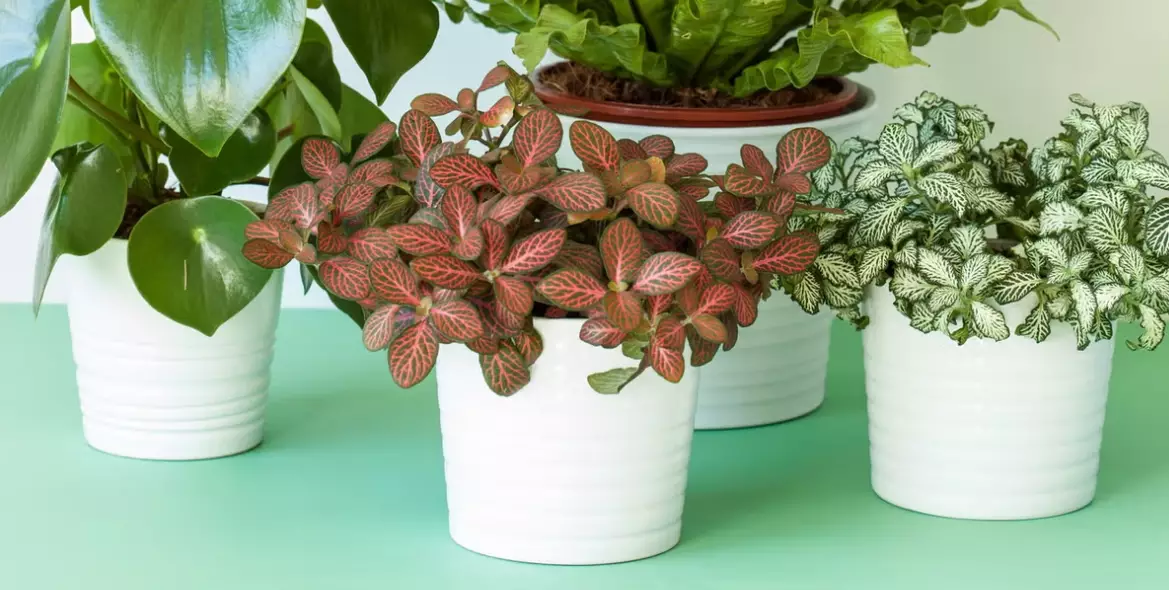
What's Inside This Guide
This guide isn't about turning you into a botanist. It's about giving you clear, actionable information to choose plants that match your lifestyle (low light apartment? frequent traveler?) and keep them alive with minimal fuss. We'll skip the fluff and get straight to the plants that have proven themselves in real homes, not just glossy magazines.
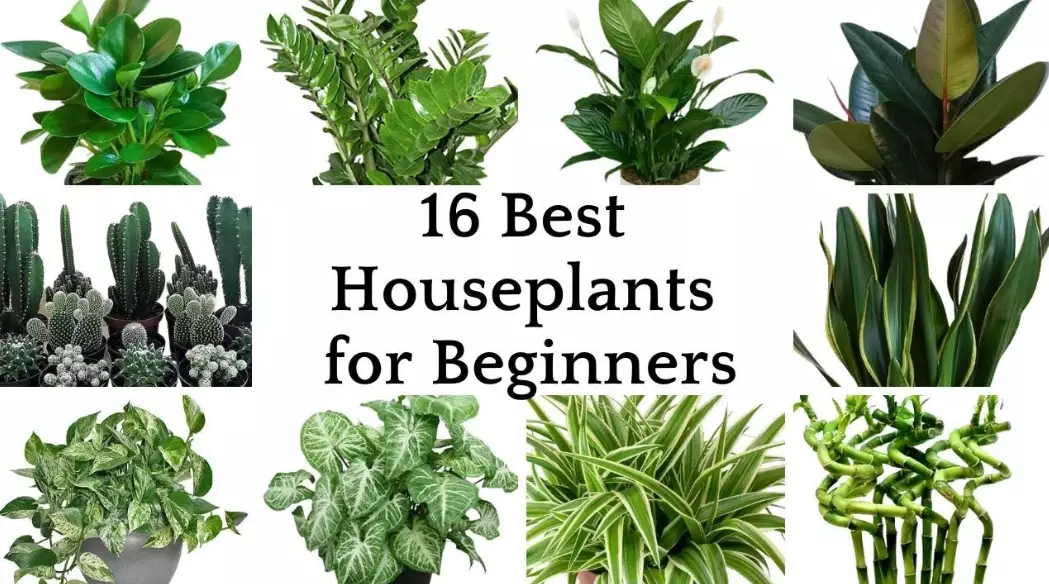
The Un-Killables: 7 Easy Indoor House Plants for Absolute Beginners
Forget vague descriptions. Here’s a breakdown of my top picks, based on a decade of helping nervous new plant owners. The table below gives you the quick scan; the details after tell you the real story.
| Plant Name | Light Needs | Watering Rule | Why It's Easy | Watch Out For |
|---|---|---|---|---|
| Snake Plant (Sansevieria) | Low to Bright Indirect | Let soil dry completely | Thrives on neglect, purifies air | Overwatering (rot) |
| ZZ Plant (Zamioculcas) | Low to Moderate | Water every 3-4 weeks | Drought-tolerant, grows slowly | Extreme cold drafts |
| Pothos (Epipremnum) | Low to Bright Indirect | Water when top inch is dry | Fast grower, shows clear thirst cues | Leggy growth in very low light |
| Spider Plant (Chlorophytum) | Moderate to Bright Indirect | Keep slightly moist | Produces "babies", non-toxic | Brown tips from fluoride/chlorine |
| Peace Lily (Spathiphyllum) | Low to Moderate | Water when it droops slightly | Dramatically tells you when thirsty | Direct sun burns leaves |
| Chinese Evergreen (Aglaonema) | Low to Moderate | Let top soil dry out | Colorful leaves, very adaptable | Cold temperatures below 60°F |
| Cast Iron Plant (Aspidistra) | Very Low Light | Infrequently, when dry | Survives dark corners, neglect | Extremely slow growth |
Going Deeper: Real-World Plant Profiles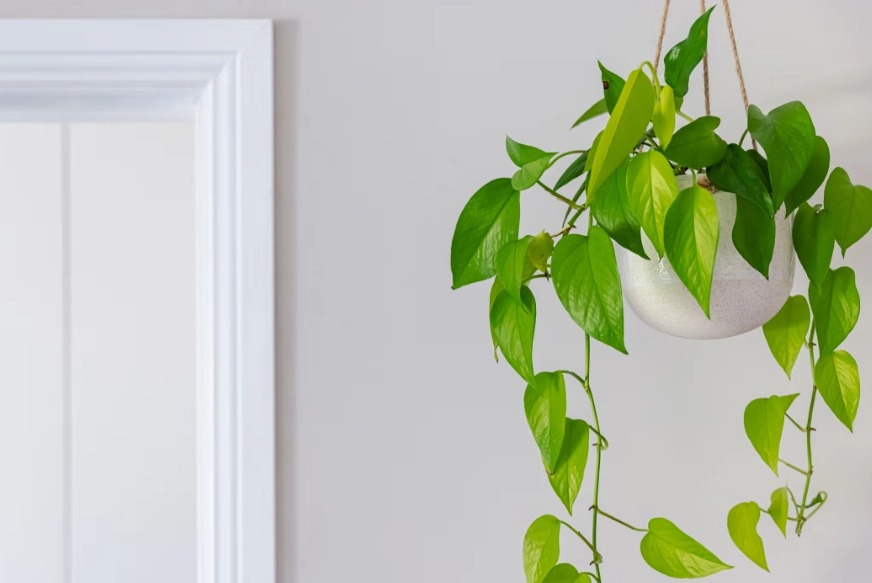
The Snake Plant is your set-it-and-forget-it champion. I have one in a bathroom with a tiny north-facing window. It gets watered maybe once a month. It's not just surviving; it's pushed out two new leaves this year. The biggest mistake? Using a pot without a drainage hole. Those "water when the soil is dry" instructions fail if water has nowhere to go.
The ZZ Plant is often called the "eternity plant" for a reason. Its potato-like rhizomes store water. I left one in an office over a 6-week holiday break with no water. It was perfectly fine. Its glossy leaves do collect dust, though. A quick wipe with a damp cloth every few months keeps it photosynthesizing efficiently.
Pothos is my recommendation for anyone who needs positive feedback. When it's thirsty, the leaves get noticeably soft and droopy. Water it, and within hours they perk right up. It's a visual teaching tool. You can let it trail or climb. If it gets too long, snip a piece, pop it in water, and you've got a new plant to give away.
Personal Take: The Peace Lily gets a mixed review from me. Yes, it's easy because it droops when thirsty. But that also means if you forget, you're constantly reviving a dramatic, wilted plant. Some people find the stress of seeing it droop counterproductive. It's easy on care, but maybe not on your conscience.
How to Avoid the #1 Killer of Easy Indoor Plants
It's not underwatering. It's overwatering. This single action causes root rot, which is often fatal and hard to reverse. The plant looks thirsty (yellowing, wilting leaves), so you water it more, accelerating the rot. It's a cruel trap.
Here's the non-consensus fix: Ditch the weekly watering schedule. Your plant doesn't know it's Tuesday. Instead, check the soil with your finger. For most plants on this list (Snake, ZZ, Pothos, Chinese Evergreen, Cast Iron), stick your finger about 2 inches into the soil. If it's dry, water thoroughly until it runs out the bottom. If it's damp, walk away.
For Peace Lilies and Spider Plants that prefer slightly more moisture, check the top inch. The weight of the pot is another great clue—a light pot needs water, a heavy one doesn't.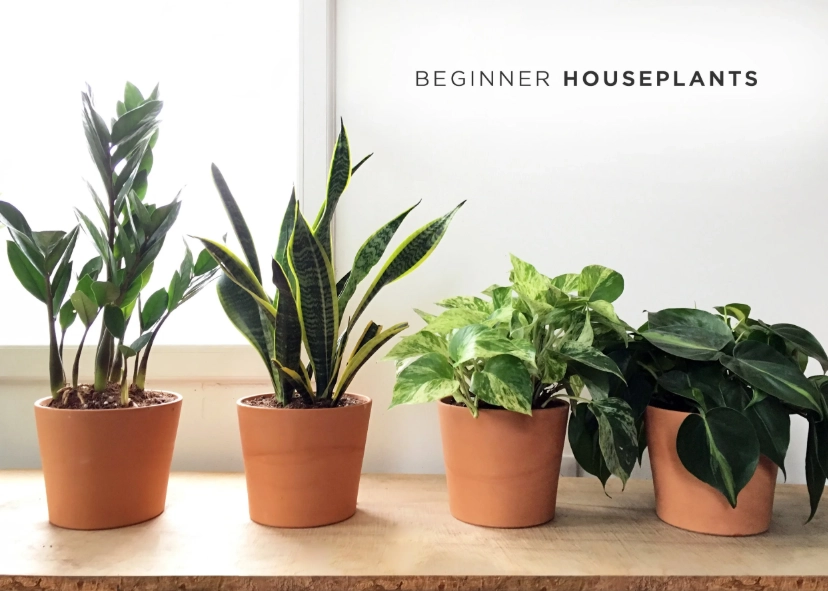
Demystifying Light and Watering: Simple Rules
What Does "Low Light" Really Mean?
"Low light" doesn't mean no light. It means no direct sunbeams hitting the leaves. It's a spot several feet away from a north-facing window, or to the side of an east/west window. A plant in true darkness (like a closet) will die. A good test: can you comfortably read a book there during the day without turning on a light? If yes, it's suitable for low-light plants.
A Watering Method That Works
When you do water, do it properly. Take the plant to the sink, or use a watering can with a long spout. Water slowly and evenly over the soil surface until you see water draining freely from the holes at the bottom. This ensures the entire root ball gets moisture. Let it drain completely before putting it back in its decorative cover or saucer. Never let the pot sit in a puddle of water.
What about fertilizer? For these easy indoor plants, it's optional for the first year. They grow slowly in our homes. The fresh potting mix they come in has enough nutrients. After a year, a half-strength dose of a balanced liquid fertilizer (like a 10-10-10) once in spring and once in summer is plenty. More is not better—it can burn roots.
Frequently Asked Questions About Easy Indoor Plants
 I travel often for work. Which plant can survive 2-3 weeks without water?
Starting with easy indoor house plants should build your confidence, not your anxiety. Pick one or two from the list above, follow the finger-in-soil rule, and give them time to adjust. They are more resilient than you think. Remember, the goal is to enjoy having them around, not to perfect a high-maintenance hobby. Happy planting!
Comments