Quick Guide
- Before You Snip: The Propagation Prep Work
- The Three Best Methods for String of Pearls Propagation
- Why Did My Propagation Fail? Troubleshooting Common Problems
- From Propagated Cutting to Full Plant: The Care Transition
- Advanced Tips & Creative Ideas
- Your String of Pearls Propagation Questions, Answered
- The Science & Support Behind the Advice
Let's be honest. The first time you saw a String of Pearls plant, you probably wanted one. Then you saw the price tag on a full, lush pot and thought, "Maybe I can just make more from one?" Good news – you absolutely can. Propagating this quirky succulent is one of the most satisfying things you can do as a plant parent. It feels like a little bit of magic.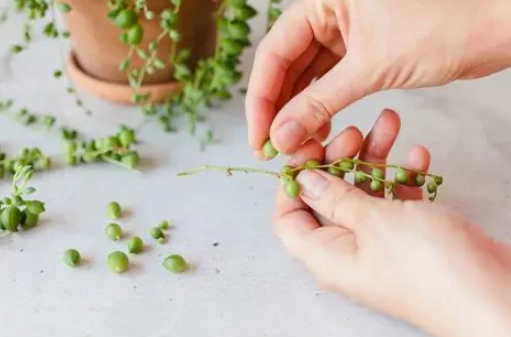
I've killed my fair share of cuttings along the way, too. Overwatered some, let others dry into crisps, you name it. But those failures taught me what actually works. This guide isn't just theory; it's the distilled wisdom from getting it wrong so you can get it right. We're going to cover everything, from the simple snip-and-stick method to the slightly more advanced plays, and troubleshoot every sad, mushy, or shriveled pearl along the way.
So, if you're ready to turn your one beloved Senecio rowleyanus (that's its fancy name) into a whole family, you're in the right place.
Before You Snip: The Propagation Prep Work
Jumping right in with scissors is tempting, but hold up. A little prep makes the difference between a thriving new plant and a disappointing experiment. Think of this as gathering your ingredients before you start cooking.
When is the Best Time to Propagate String of Pearls?
Timing isn't everything, but it's a huge chunk of it. These plants have a growth cycle, and you want to catch them on the upswing.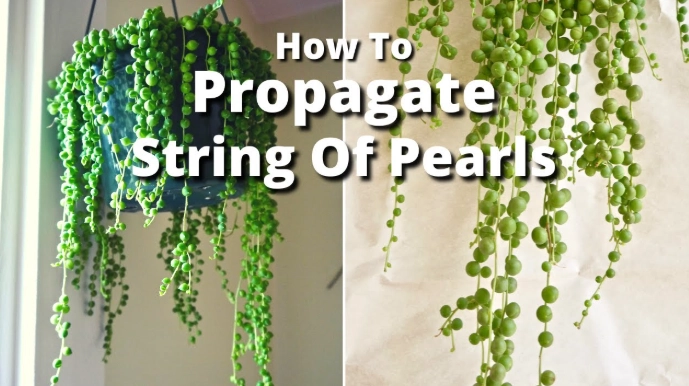
Spring and early summer are the golden hours. The increasing light and warmer temperatures tell the plant it's go-time for growing new roots and shoots. It has the energy to spare. I've tried propagating in the dead of winter under grow lights, and while it can work, progress is glacial. The cuttings just sit there, sulking.
Fall is possible if you're in a warm climate, but it's a second-choice option. Avoid winter unless you have a stellar indoor setup with consistent warmth and light. The string of pearls plant propagation success rate simply plummets when the plant is dormant.
Choosing Your Champion: Selecting the Perfect Cuttings
Not all strands are created equal for propagation purposes. You want to give your future plant the best possible start.
- Health is Non-Negotiable: Pick strands that are plump, firm, and a vibrant green. Avoid any with discoloration, shriveling, or signs of pests (check those little nooks where pearls connect!). A sick cutting will struggle to root.
- Length Matters: I recommend cuttings at least 3-4 inches long, preferably longer. You need enough stem to anchor in soil or water. Longer strands (5-6 inches) often have more stored energy.
- The Node is Key: This is the most critical part. See those little bumps or slight ridges along the stem, where the pearls attach? Those are nodes. Roots will only emerge from these nodes. When you make your cutting, ensure you have a few nodes on the piece you're going to plant.
Seriously, don't skip the node check.
I once snipped a beautiful piece but realized too late I'd cut between nodes. It stayed alive for weeks but never put out a single root. Lesson learned the hard way.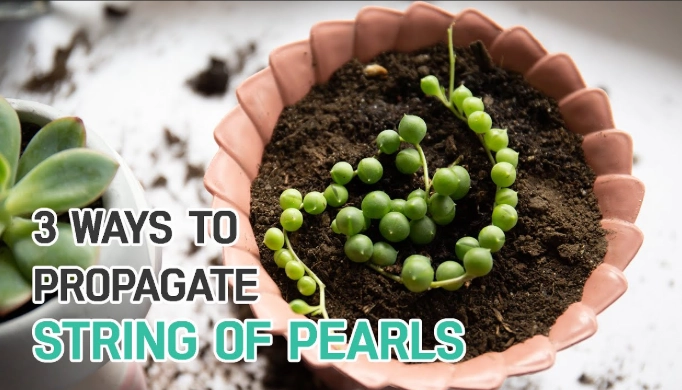
Gathering Your Propagation Toolkit
You don't need fancy gear. Here's the simple list:
- Sharp, Clean Scissors or Pruners: Clean them with rubbing alcohol. A clean cut heals faster and prevents introducing bacteria. Dull tools crush the stem.
- The Right Potting Mix: This is where many fail. Regular potting soil holds too much water. You need a fast-draining, gritty mix. A classic recipe is 50% succulent/cactus mix and 50% perlite or pumice. Some people add a handful of coarse sand. The goal is something that drains in seconds.
- Small Pots with Drainage Holes: Terracotta pots are fantastic because they wick away moisture. Plastic is fine if you're careful with water. Ensure there's a hole in the bottom – non-negotiable.
- Optional but Helpful: A chopstick or pencil (for making planting holes), a spray bottle for misting, and rooting hormone (can speed things up but isn't required).
The Three Best Methods for String of Pearls Propagation
There are a few ways to go about this. I've ranked them not just by ease, but by overall success rate and how robust the resulting plant tends to be.
| Method | Best For | Success Rate | Time to Visible Roots | Key Challenge |
|---|---|---|---|---|
| Stem Cuttings in Soil | Most reliable results; direct transition to permanent home. | High | 2-4 weeks | Resisting the urge to overwater. |
| Water Propagation | Beginners who want to watch roots grow; satisfying visual feedback. | Medium-High | 1-3 weeks | Transitioning roots to soil later without shock. |
| Leaf Propagation (from single pearls) | When you only have a few pearls to spare; a patience test. | Low-Medium | 1-2 months+ | Extremely slow; high risk of rot. |
Method 1: Stem Cuttings in Soil (The Go-To Method)
This is my personal favorite and the method I recommend most. It mimics how the plant spreads in nature and avoids the tricky water-to-soil transition.
Step-by-Step Guide:
- Take Your Cutting: Using clean shears, snip a healthy strand. Make the cut cleanly between pearls. Let the cutting callous over for 1-2 days. Just lay it on a paper towel out of direct sun. This seals the wound and prevents rot when it hits soil. Don't skip this!
- Prep Your Pot: Fill a small pot with your well-draining mix. Water it lightly so it's barely moist, not soggy.
- Planting: Use a chopstick to make a shallow trench in the soil. Coil the strand on top of the soil, gently pressing the nodes into the trench. You can lay multiple strands in one pot for a fuller look. The pearls themselves should rest on the soil surface, but the nodes need contact. Some people pin the strand down with a bent paperclip or floral pin.
- The Initial Watering: Give it a very light watering or thorough misting just around the planted nodes to settle the soil. Then, wait.
- Aftercare: Place in bright, indirect light (no harsh sun). Water only when the top inch of soil is completely dry. At first, just moisten the soil near the nodes. The key is to encourage the roots to search for water without drowning them. In a few weeks, give a gentle tug. If there's resistance, roots have formed!
Method 2: Water Propagation (The Visual Method)
This method is popular because it's exciting to see the roots develop in a glass jar. It's great for learning, but requires an extra step.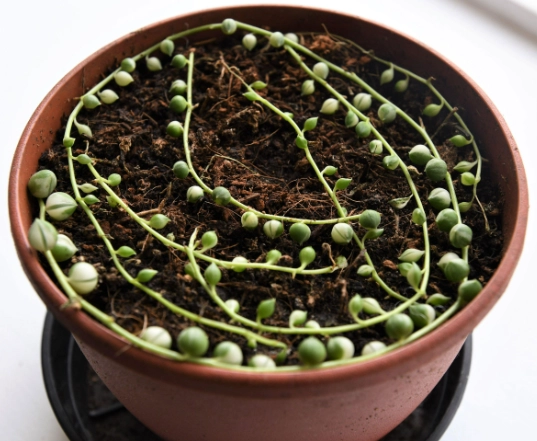
How to do it: Take your calloused cutting. Fill a small jar or glass with water. Suspend the cutting so that only the nodes are submerged. The pearls and leaves must stay completely dry above the waterline. You can use plastic wrap with a hole over the jar to hold it in place, or a narrow-necked bottle.
Place it in bright, indirect light. Change the water every 3-5 days to keep it fresh and oxygenated. In 1-3 weeks, you should see little white roots emerging from the nodes.
Method 3: Propagating from Single Pearls (The Patience Game)
Can you grow a whole new plant from just one fallen pearl? Technically, yes. Should you rely on this as your main method? Probably not. It's incredibly slow and has a higher failure rate.
If you want to try: Gently twist a healthy pearl off the stem, ensuring you get a little bit of the stem attached (a "clean pull"). Let it callous for a day. Then, lay it on top of dry succulent mix or barely bury the calloused end. Mist the soil surface very lightly every few days. With immense patience, a tiny new stem might eventually sprout from the base. It can take months. I find this method more of a fun experiment than a practical way to build your plant collection.
Stem cuttings are just more efficient.
Why Did My Propagation Fail? Troubleshooting Common Problems
This is the part most guides gloss over. Let's get real about what goes wrong.
The Cutting is Mushy and Rotting
Cause: Overwatering. This is the #1 killer, especially for soil propagation. The cutting has no roots to drink with yet, so wet soil just rots the stem.
Fix: Did you let it callous? Are you using a gritty enough mix? Water far less frequently. For soil props, the soil should feel barely damp, not wet. If it's already mushy, try to salvage any healthy nodes from the unaffected end, let them callous again, and restart.
The Pearls are Shriveling and Drying Up
Cause: Underwatering or insufficient root contact. The cutting is using its stored water and has no way to replenish.
Fix: Ensure the nodes are in good contact with the soil. Give the soil around the nodes a thorough but gentle soak, then let it dry out mostly before the next watering. A clear plastic bag loosely tented over the pot can create a humid microclimate that reduces water loss, but air it out daily to prevent mold.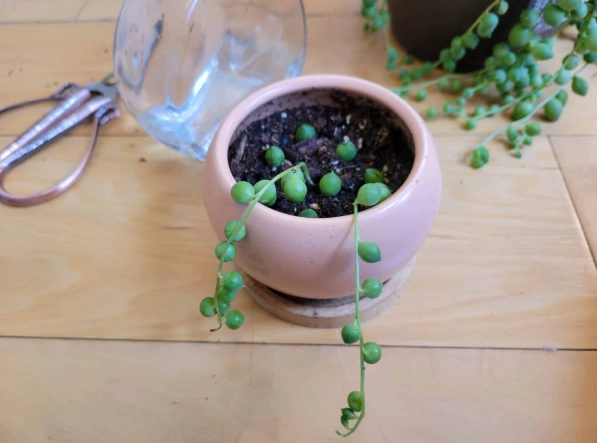
No Roots After a Month
Cause: Dormancy (wrong season), insufficient light, or soil that's too dry for too long.
Fix: Check the season. Move it to a brighter spot (but no scorching sun). Try the "tug test" gently – sometimes roots are there but small. If all else fails, you might need to take fresh cuttings and try again, ensuring you have healthy nodes.
From Propagated Cutting to Full Plant: The Care Transition
Okay, you've got roots! Now what? The care shifts slightly from the propagation phase to the establishment phase.
Light: Gradually acclimate it to the light levels you want its permanent home to have. Most String of Pearls thrive in very bright, indirect light. A few hours of gentle morning sun can be great. Harsh afternoon sun can scorch the pearls.
Watering: Now you can start watering more normally for a succulent. The "soak and dry" method is king. Water deeply until it runs out the drainage hole, then let the soil dry out almost completely before watering again. Stick your finger in the soil – if the top 1-2 inches are dry, it's time. In winter, water much less frequently.
Feeding: Hold off on fertilizer for the first 3-4 months. The new potting mix has nutrients. After that, during the growing season (spring/summer), you can feed with a diluted, balanced liquid fertilizer (half strength) once a month. Don't fertilize in fall or winter.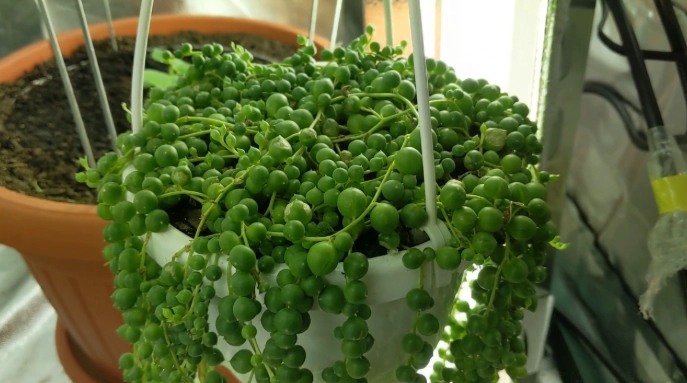
Advanced Tips & Creative Ideas
Once you've mastered the basics, you can play around.
- Creating a Fuller Pot: Instead of one long strand in a pot, coil multiple cuttings together. Plant them densely across the soil surface. As they root and grow, they'll create a lush, bushy top that then cascades over the edges.
- The "Butterfly" or "Layering" Method: Don't cut the strand off the mother plant. Take a long runner and gently pin a node section into a pot of soil sitting nearby (while it's still attached to the mother plant). Once it roots in the new pot (check after a few weeks), you can sever the connection. This gives the cutting resources from the main plant while it roots.
- Mixing Varieties: Love String of Bananas (Senecio radicans) or String of Dolphins? The propagation process is identical. You can create a mixed pot by propagating different "string" varieties together. They have the same care needs and look fantastic.
Your String of Pearls Propagation Questions, Answered
Yes, absolutely. As detailed above, it works well. Just remember the roots that grow are adapted to water and can be delicate when transitioning to soil. It's a great method for visual learners.
In ideal conditions (warm, bright, seasonally right), you can see initial roots in as little as 1-2 weeks in water, or 2-4 weeks in soil. "Established" roots that can support new growth take a bit longer. Don't panic if it's slow.
Need? No. It can potentially speed up the process and encourage more robust root growth, especially for older or woodier stems. If you have some, dipping the calloused node in a bit of powder won't hurt. If you don't, don't sweat it. These plants root readily without it.
A few pearls at the base of the cutting sometimes sacrifice themselves to provide energy for rooting. That's normal. If many are discoloring, it's a sign of stress: overwatering (mushy brown), sunburn (crispy brown patches), or sometimes underwatering (shriveling then browning). Assess your light and water.
You can try, as mentioned in Method 3. But the success rate is lower and the timeline is measured in months, not weeks. For reliable pearls plant cuttings, always try to include a piece of stem with multiple nodes.
The Science & Support Behind the Advice
This isn't just my opinion. The principles here are based on how succulents like Senecio rowleyanus have adapted to survive. Their plump pearls store water, allowing cuttings to survive the rootless period. The nodes contain meristematic tissue, which are the plant's "stem cells" capable of becoming roots or new shoots when triggered by the right conditions (like contact with a moist medium and the absence of the main plant's apical dominance).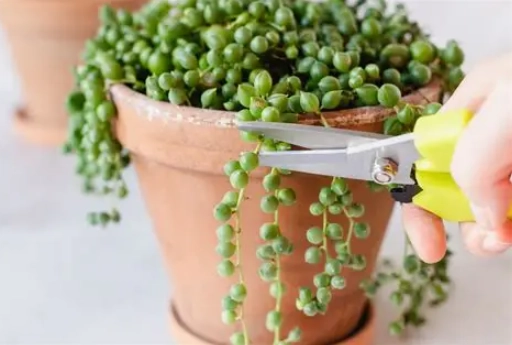
For further reading on succulent biology and best horticultural practices, resources from institutions like the Missouri Botanical Garden or the Royal Horticultural Society offer fantastic, scientifically-backed information. The University of California's Integrated Pest Management program is also an invaluable resource for diagnosing any pest issues that might affect your mother plant or cuttings.
Propagation connects you to the cycle of the plant.
There's a quiet joy in watching a few strands you carefully arranged on soil become a living, trailing entity of their own. It demystifies plants. You realize they want to grow, to multiply. You're just providing the right doorway. So grab your shears, pick a healthy strand, and give it a go. Start with the soil method, be patient with the water, and learn from any missteps. Before you know it, you'll have more String of Pearls than you know what to do with – and that's a wonderful problem to have.

Comments