So you've got a snake plant, or you're thinking about getting one. Good choice. Everyone says they're impossible to kill, and for the most part, that's true. But "hard to kill" doesn't mean "impossible to make miserable." I've seen more snake plants slowly decline from kindness—too much water, too much fussing—than from outright neglect. Over a decade of keeping these architectural beauties, I've learned their quiet language. This guide will move past the basic "water occasionally" advice and into the details that actually keep your Sansevieria (its proper name) not just alive, but vigorously growing.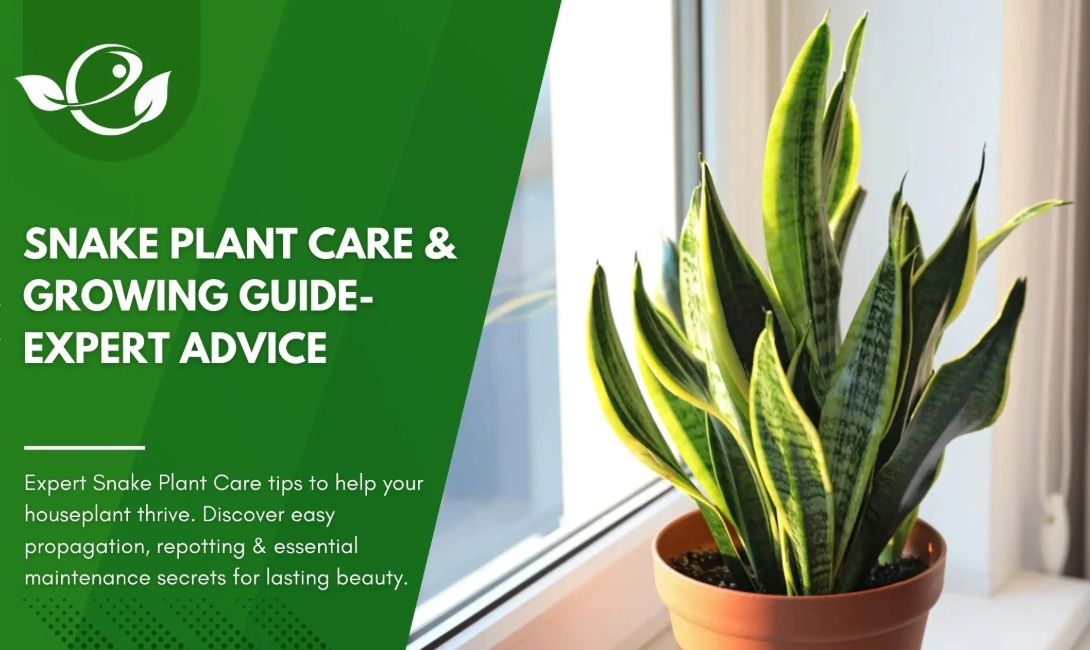
What's Inside This Guide?
Why Snake Plants Are Everywhere
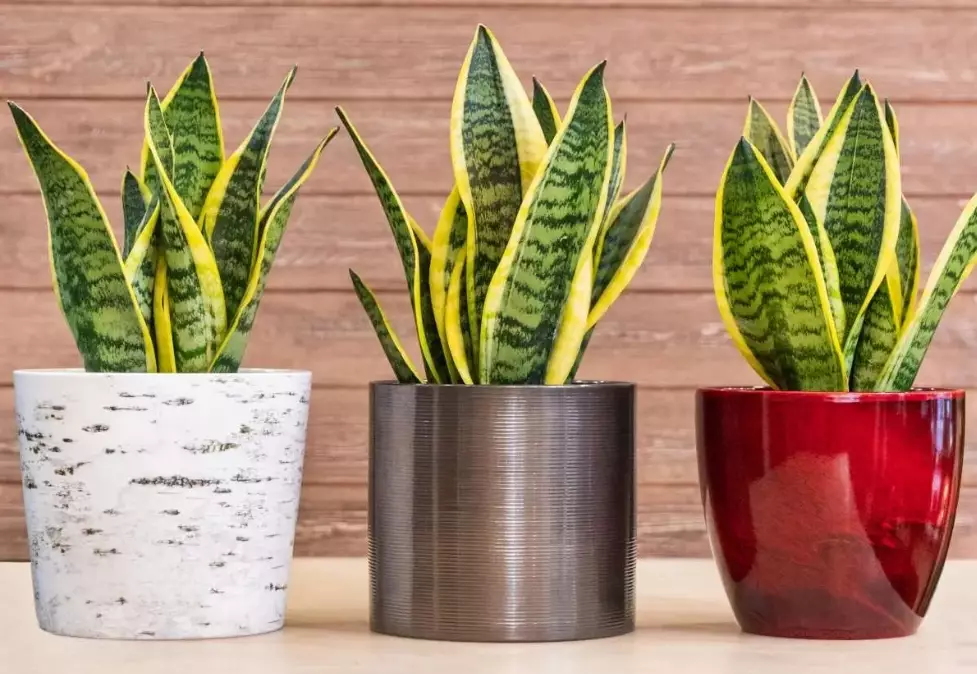
Walk into any home, office, or dentist's waiting room. Chances are you'll spot the upright, sword-like leaves of a snake plant. Its popularity isn't a fluke. Beyond its striking looks—think tall, variegated spears of green and yellow—it's a functional plant. NASA's Clean Air Study, a piece of research often cited (you can find summaries from reputable sources like the U.S. Environmental Protection Agency on indoor air quality), noted its ability to remove certain toxins like formaldehyde and benzene from the air. More practically for us, it's a CAM (Crassulacean Acid Metabolism) plant. That's a fancy term meaning it opens its pores at night to take in carbon dioxide and release oxygen. For a bedroom plant, that's a nice bonus.
The real magic is in its survival kit. Those thick leaves store water. The rhizomes (underground stems) act like little batteries, storing energy. This is why it forgives you when you forget to water for a month. It's built for drought.
Your Snake Plant Care Routine: The Big Five
Think of caring for a snake plant not as a daily chore, but as setting up the right environment and then mostly leaving it alone. Get these five elements right, and you're golden.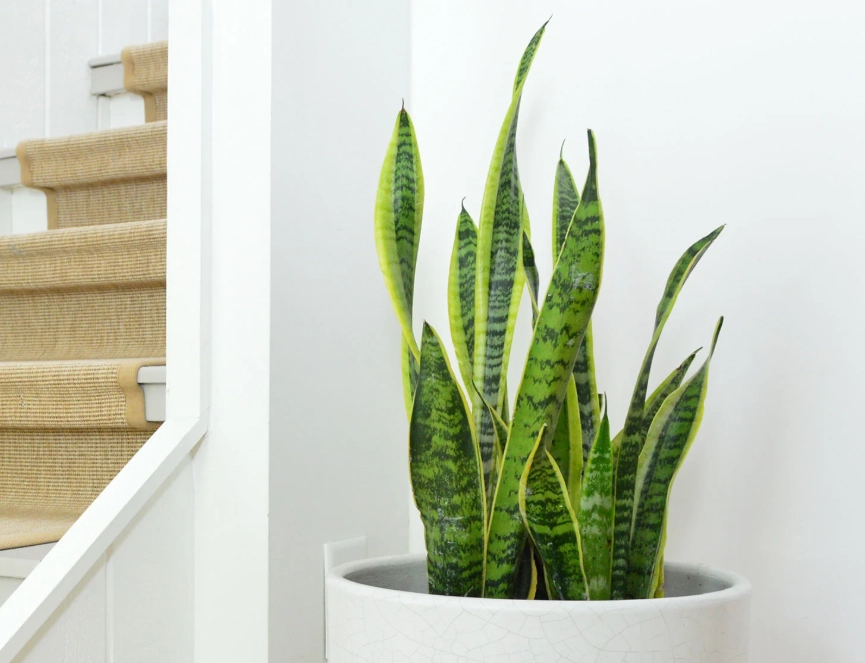
Light: The Unspoken Truth
"Low light tolerant" is the label that dooms millions of snake plants. Tolerant is not the same as happy. In a deep, dark corner, it will survive—it might even sit there unchanged for years—but it will not grow. Not an inch. The leaves may become floppy and lose their vibrant color.
For a plant that actually grows and maintains its structure, give it bright, indirect light. An east-facing window is perfect. A south or west window with a sheer curtain works great. It can handle some direct sun, but harsh afternoon rays can scorch the leaves, leaving bleached, crispy spots. The more light you give it (within reason), the faster and more compact its growth will be.
Watering: The Silent Killer
This is where almost everyone goes wrong. Overwatering is the #1 cause of snake plant death. The rhizomes and leaves are full of water. Sitting in wet soil causes them to rot, and by the time you see yellow, mushy leaves above the soil, the rot below is often extensive.
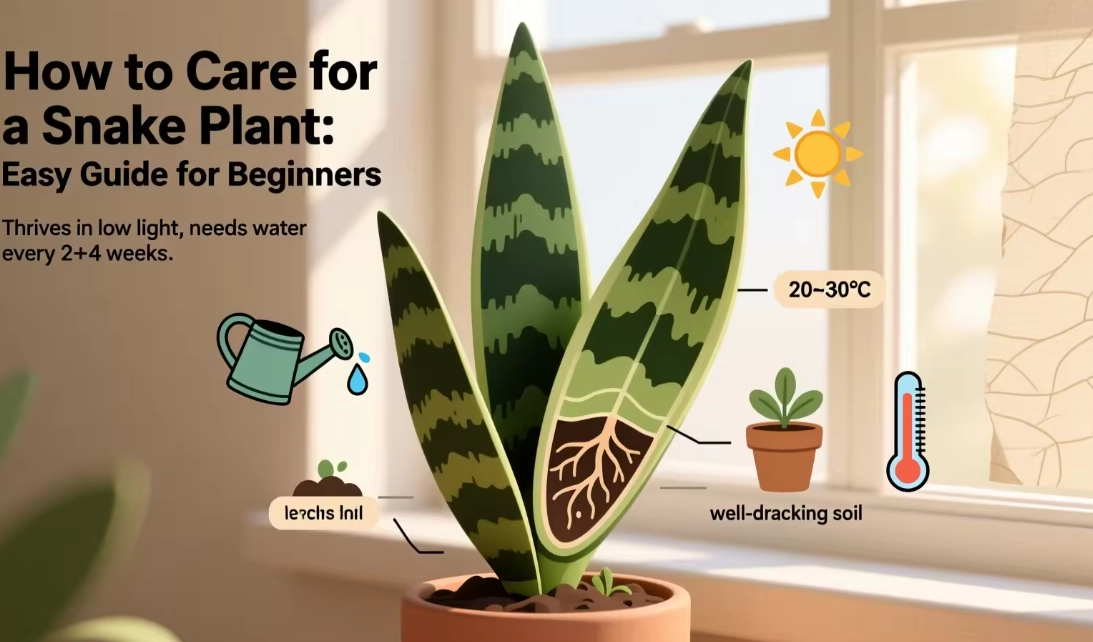
Here's the only rule you need: Water only when the soil is completely dry all the way to the bottom of the pot. Not just the top inch. Completely dry.
- How to check? Stick your finger deep into the soil. If you feel any dampness or coolness, wait. For deeper pots, use a wooden chopstick or a moisture meter.
- How often? There's no schedule. In a bright room during summer, it might be every 2-3 weeks. In a low-light spot in winter, it could be 6-8 weeks or longer. The plant will tell you.
- How to water? Drench it thoroughly until water runs freely out the drainage holes. Then, let all the excess water drain away completely. Never let it sit in a saucer of water.
Soil and Potting: Getting the Foundation Right
Snake plants need fast-draining soil. A standard potting mix holds too much moisture. I make my own blend: 2 parts regular potting soil, 1 part perlite, and 1 part coarse sand or orchid bark. This creates air pockets and lets water flow through quickly. You can also use a pre-made cactus or succulent mix.
Pot choice matters. Always use a pot with drainage holes. Terracotta pots are excellent because they're porous and help wick away moisture. When repotting, which is only needed every 3-5 years when the plant is root-bound, only go up one pot size (1-2 inches wider in diameter). A pot that's too large holds more soil, which stays wet longer, increasing rot risk.
Temperature and Humidity: The Easy Part
Snake plants enjoy the same temperatures you do—between 60°F and 85°F (15°C - 29°C). Keep them away from cold drafts (like by a leaky window in winter) and direct blasts from heating or air conditioning vents. They are not frost-hardy. As for humidity, average household humidity is fine. They don't require the misting that many tropical plants do.
Fertilizing: Less is More
Snake plants aren't heavy feeders. In fact, over-fertilizing can burn the roots and cause leaf tips to brown. If you want to encourage growth during the active season (spring and summer), use a balanced, water-soluble fertilizer (like a 10-10-10) diluted to half the recommended strength. Apply it once a month at most. Do not fertilize in fall and winter when the plant is resting.
| Care Aspect | What Your Snake Plant Wants | What To Avoid |
|---|---|---|
| Light | Bright, indirect light. Can tolerate some direct morning sun. | Deep, dark corners for long periods. Harsh afternoon sun. |
| Water | Deep watering only when soil is 100% dry. Good drainage is critical. | Watering on a schedule. Letting the pot sit in water. |
| Soil | Fast-draining mix (cactus/succulent blend or DIY with perlite/sand). | Heavy, moisture-retentive potting soil. |
| Temperature | Room temperature (60-85°F / 15-29°C). | Cold drafts below 50°F (10°C). |
| Fertilizer | Half-strength, balanced fertilizer, once a month in spring/summer. | Fertilizing in fall/winter. Full-strength doses. |
How to Propagate Snake Plants: Share the Wealth
Want more plants for free? Snake plants are famously easy to propagate. You have two main reliable methods.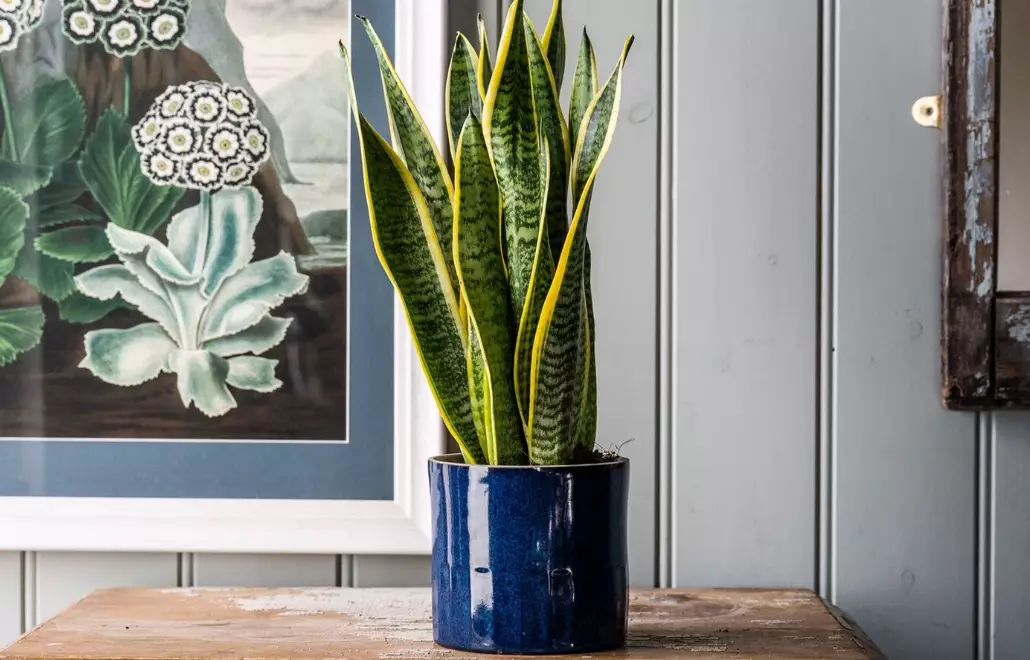
Division (The Surefire Method): This is best when you're repotting a mature plant that has produced "pups" or offshoots. Gently remove the plant from its pot and shake off the soil. You'll see the individual plants connected by thick rhizomes. Using a clean, sharp knife, cut through the rhizome to separate a pup that has its own roots. Pot it up in its own container with fresh soil. This method preserves the variegation (stripes) of the parent plant.
Leaf Cuttings in Soil or Water (The Fun Experiment): Cut a healthy leaf into 3-4 inch segments. Mark which end was the bottom (closest to the soil). Let the cut ends callous over for a day or two. Then, stick the bottom end into moist succulent soil or place it in a glass of water, ensuring only the very bottom is submerged. Change the water weekly if using that method. Roots will form in a few weeks, and eventually, a new shoot will emerge from the base. Important note: If you propagate a variegated variety (like the classic Laurentii with yellow edges) from a leaf cutting, the new plant will likely revert to all green. Only division guarantees the variegation.
Troubleshooting Common Snake Plant Problems
Even the tough ones have issues. Here’s how to read the signs.
- Soft, Mushy, Yellowing Leaves: Classic overwatering and root rot. Stop watering immediately. Remove the plant from its pot, cut away any black, mushy roots and affected leaves with a sterile tool. Repot in fresh, dry, well-draining soil. Don't water for at least a week.
- Wrinkled, Dry, Brown Leaf Tips: Usually underwatering, but more commonly, it's inconsistent watering—a long drought followed by a heavy soak that shocks the plant. It can also be from low humidity or fertilizer burn. Check your watering habits first.
- Leaves Falling Over or Drooping: Often a combination of low light (causing weak, stretched growth) and overwatering (weakening the base). Move to a brighter spot and correct your watering.
- No New Growth: The plant is likely in survival mode due to insufficient light or being root-bound. Assess its light situation first. If it's been in the same pot for many years, consider repotting in spring.
- Pests: Snake plants are pest-resistant but can occasionally get mealybugs (look like tiny white cotton balls) or spider mites (fine webbing). Wipe leaves with a damp cloth or use insecticidal soap or neem oil.
Your Snake Plant Questions, Answered
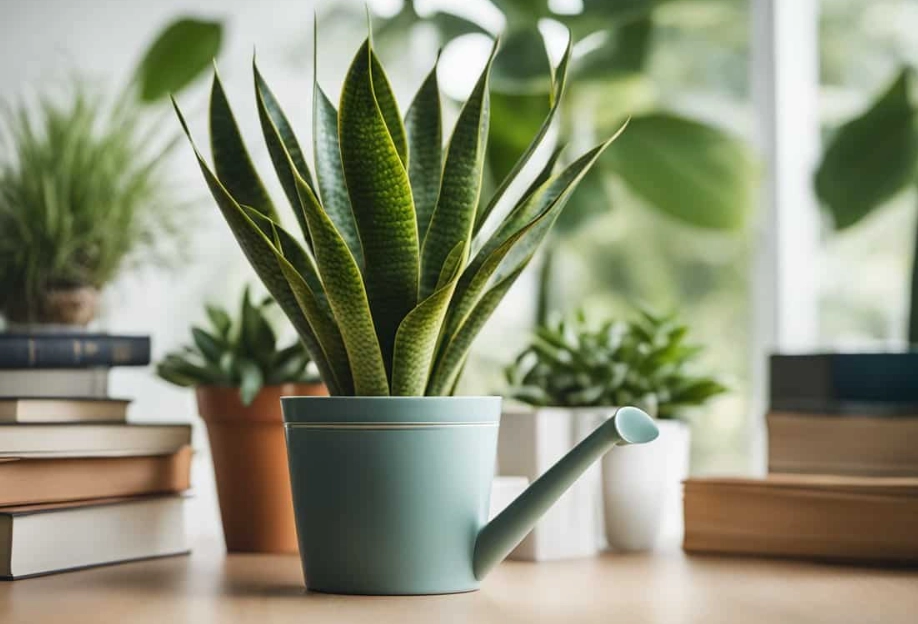 The key to snake plant care is embracing its low-maintenance nature. It thrives on benign neglect. Provide bright light, water deeply but infrequently, and give it a gritty home. Do that, and this resilient plant will be a striking, architectural part of your space for decades, asking for little but giving a lot in return.

Comments