Let's be honest. You probably bought the Peperomia Rosso because it looked stunning at the store—those deep green, textured leaves with glowing red undersides are hard to resist. It's often sold as a "watermelon peperomia" (though it's a different species from the classic Peperomia argyreia), and it promises to be an easy-care plant. For the first few weeks, it's perfect. Then, maybe the leaves start to droop, or you notice a few turning yellow and falling off. Sound familiar?
I've been there. I killed my first Rosso by treating it like a pothos. Big mistake. After a decade of growing hundreds of indoor plants, I've learned that the Rosso's "easy" label comes with a few critical, non-negotiable caveats that most care sheets gloss over. This guide isn't just a rehash of basic tips. It's the deep-dive I wish I had, covering everything from decoding its subtle distress signals to the exact soil mix I use to prevent the dreaded root rot.
What You'll Learn in This Guide
- The Right Light: More Than Just "Bright Indirect"
- Watering: The #1 Killer and How to Avoid It
- Soil & Potting: Building the Perfect Foundation
- Solving Yellow Leaves, Drooping, and Pests
- How to Multiply Your Plant for Free
- Where to Buy a Healthy Peperomia Rosso
- Your Top Peperomia Rosso Questions Answered
The Right Light: More Than Just "Bright Indirect"
Every article says "bright, indirect light." That's true, but it's vague. Here's the specific breakdown from my experience.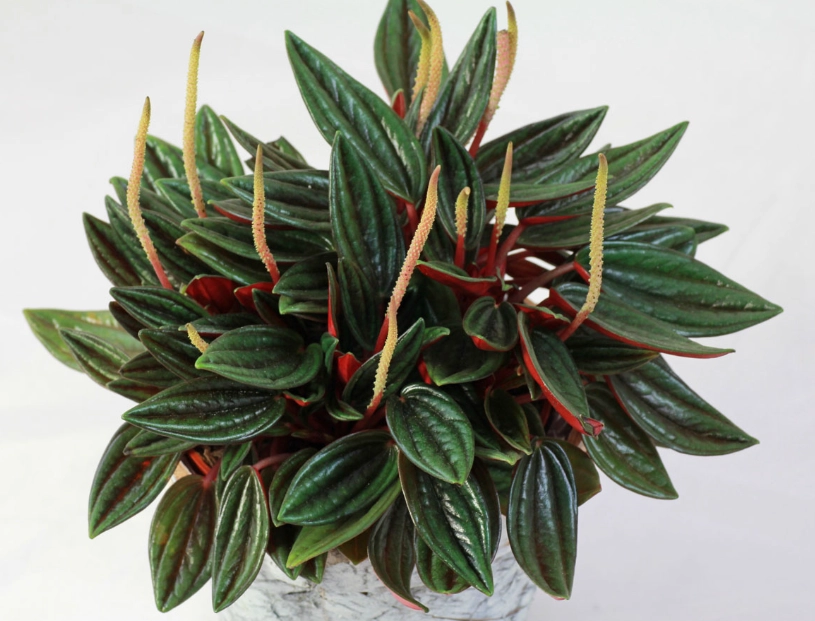
Your Rosso will be happiest about 2-3 feet away from an east-facing window. This gives it several hours of gentle morning sun, which it can tolerate and even enjoy, followed by bright light for the rest of the day. A north-facing window can work if it's completely unobstructed. A south or west window? You'll need to pull it back at least 4-5 feet or use a sheer curtain as a buffer. The intense afternoon sun will scorch those beautiful leaves, leaving pale, crispy patches.
Can it survive in low light? It will survive, but it won't thrive. Growth will slow to a crawl, the plant will become leggy as it stretches for light, and it will be far more susceptible to overwatering issues because it's using less water. If your only option is a darker corner, consider supplementing with a basic LED grow light for 6-8 hours a day.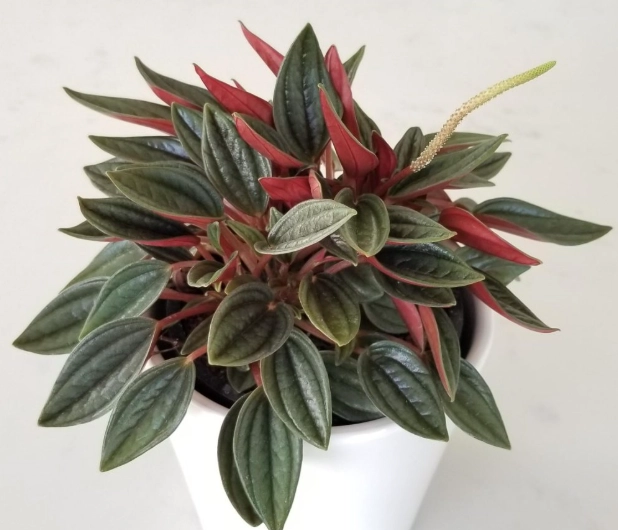
Watering: The #1 Killer and How to Avoid It
This is where most people, including past me, fail. The Peperomia Rosso has semi-succulent properties, storing water in its thick leaves and stems. Its root system is relatively fine and shallow. Drowning it is easy.
Forget the schedule. Watering every Tuesday is a recipe for disaster. Instead, use the finger test. Stick your finger into the soil up to the first knuckle (about an inch deep). If the soil feels completely dry, it's time to water. If there's any moisture or coolness at all, wait. In the winter, you might only need to water every 3-4 weeks. In a warm, bright summer, it could be every 7-10 days.
When you do water, water thoroughly. Take it to the sink and pour water slowly over the soil until it runs freely out of the drainage holes. This ensures the entire root ball gets moisture. Let it drain completely before putting it back in its decorative pot. Never let it sit in a saucer of water.
Signs You're Overwatering vs. Underwatering
It can be confusing. Here's a quick cheat sheet:
- Overwatering: Yellowing leaves that feel soft and mushy, especially lower leaves. Stems may feel soft or black at the base. Soil stays wet for a long time.
- Underwatering: Leaves that are dry, crispy at the edges, or beginning to wrinkle. The entire plant may droop dramatically. Soil is bone dry and may pull away from the edges of the pot.
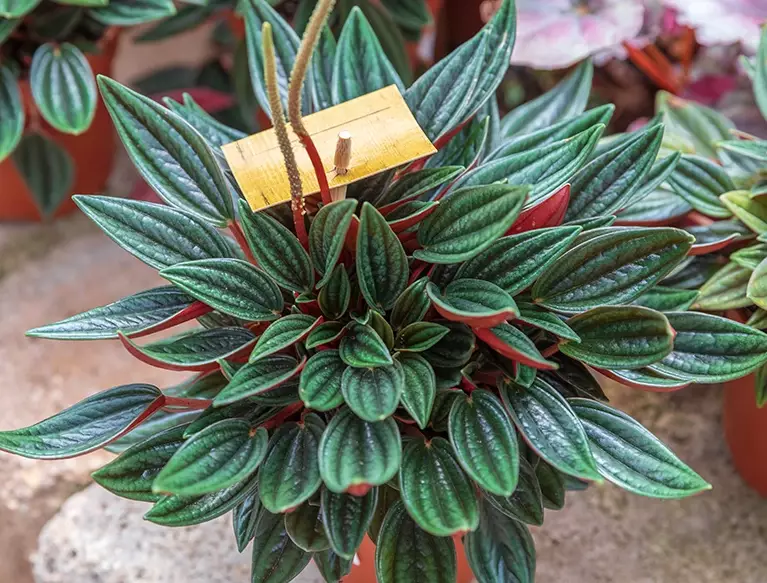
Soil & Potting: Building the Perfect Foundation
The wrong soil will hold onto water like a sponge, guaranteeing root rot. You need a mix that is airy and fast-draining.
I don't trust most pre-mixed potting soils for Peperomias. They're too dense. Here's my go-to recipe that has never failed me:
- 50% high-quality all-purpose potting mix
- 30% perlite (for aeration and drainage)
- 20% orchid bark or coconut coir chunks (for chunkiness and preventing compaction)
Mix it all up in a bucket before potting. The result should be loose and crumbly.
Pot choice is equally important. Always use a pot with drainage holes. Terracotta pots are excellent for Peperomia Rosso because they are porous and help wick away excess moisture from the soil. Plastic or glazed ceramic pots retain water longer, so you must be extra vigilant with your watering.
Repot only when necessary—when you see roots circling the bottom of the pot or growing out of the drainage holes. This is typically every 2-3 years. When you do repot, only go up one pot size (e.g., from a 4-inch to a 5-inch pot). A pot that's too large holds more wet soil around the small root system, increasing rot risk.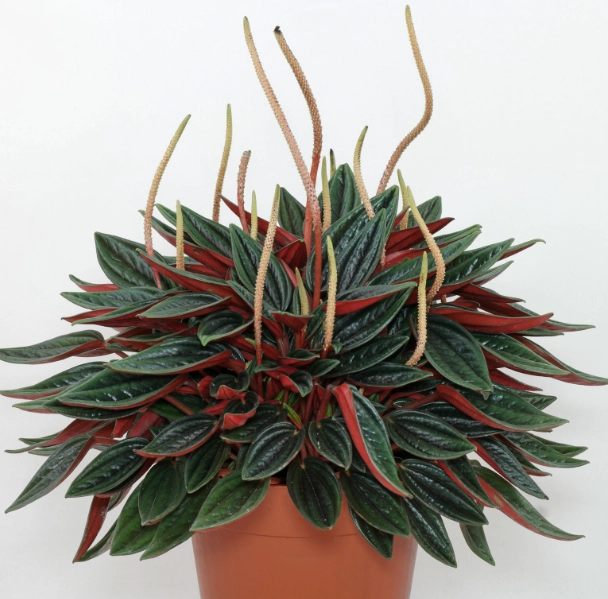
Solving Yellow Leaves, Drooping, and Pests
Let's diagnose the common issues. I've compiled the most frequent problems and their likely causes based on what I see in plant care forums and my own trials.
| Symptom | Most Likely Cause | Immediate Action |
|---|---|---|
| Lower leaves turning yellow & soft | Overwatering / Root Rot | Stop watering. Check roots. If mushy, cut them off, repot in dry mix. |
| Leaves curling inward | Underwatering or low humidity | Give it a thorough drink. Consider a humidity tray if air is very dry. |
| Brown, crispy leaf tips | Low humidity or chemical burn from tap water | Use filtered, rainwater, or distilled water. Don't mist—it's ineffective. |
| Leggy growth, small leaves | Insufficient light | Move to a brighter location gradually. |
| Sticky residue or cottony masses | Mealybugs or Scale | Isolate plant. Wipe with cotton swab dipped in rubbing alcohol. |
A note on humidity: While it appreciates average to above-average humidity (40-50%), it's not as demanding as a fern. If your home is very dry, group it with other plants or use a pebble tray filled with water. Avoid misting the leaves directly, as this can lead to fungal issues and does little to raise ambient humidity.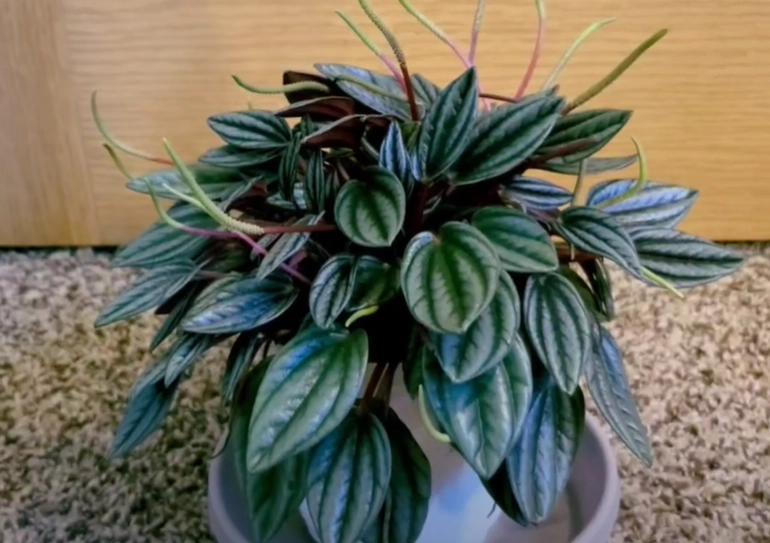
How to Multiply Your Plant for Free
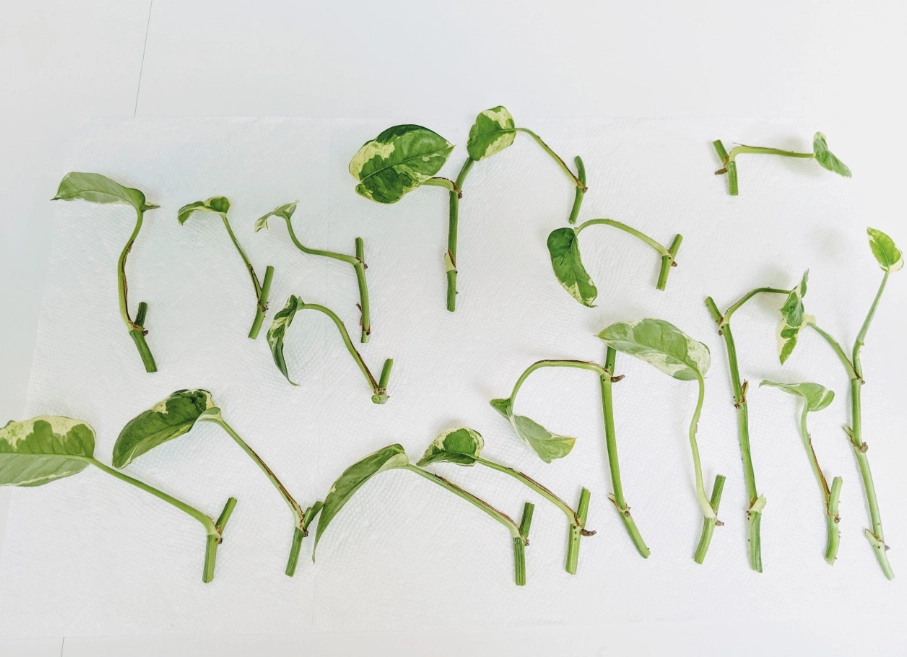
Propagating Peperomia Rosso is rewarding and easy. The most reliable method is leaf cuttings.
Here's my step-by-step, which has a near 100% success rate:
- Choose a healthy, mature leaf. Cut it off with about an inch of the stem (petiole) attached.
- Let the cut end callous over for a few hours. This prevents rot when you put it in soil or water.
- Option A (Water): Place the stem in a small jar of water, ensuring only the stem is submerged, not the leaf. Change the water weekly. Roots will appear in 2-4 weeks.
- Option B (Soil): Dip the calloused end in rooting hormone (optional but helpful) and plant it in a small pot with your well-draining mix. Water lightly and cover the pot with a clear plastic bag to create humidity. Keep the soil slightly moist.
- In both cases, place in bright, indirect light. Once roots are a couple of inches long (for water propagation) or you see new growth emerging from the base (for soil), you can pot it up into a proper container.
You can also divide a large, multi-stemmed plant at the roots during repotting. Just gently tease the root ball apart into sections, each with its own stems and leaves, and pot them separately.
Where to Buy a Healthy Peperomia Rosso
You can find them almost everywhere now, but quality varies wildly.
Local Garden Centers/Nurseries: Often the best choice. You can inspect the plant closely. Look for firm, vibrant leaves with no signs of pests (check undersides). Avoid plants sitting in soggy soil or with lots of yellowing leaves.
Big Box Stores (Home Depot, Lowe's): Hit or miss. They are often overwatered. If you buy one here, check the roots immediately when you get home and be prepared to repot if the soil is sodden.
Online Retailers (Etsy, specialized plant shops): Great for finding specific varieties. Read reviews about shipping practices. Expect to pay $15-$30 for a decent-sized plant, plus shipping.
Price-wise, a 4-inch pot typically ranges from $8 to $20 depending on the seller and your location.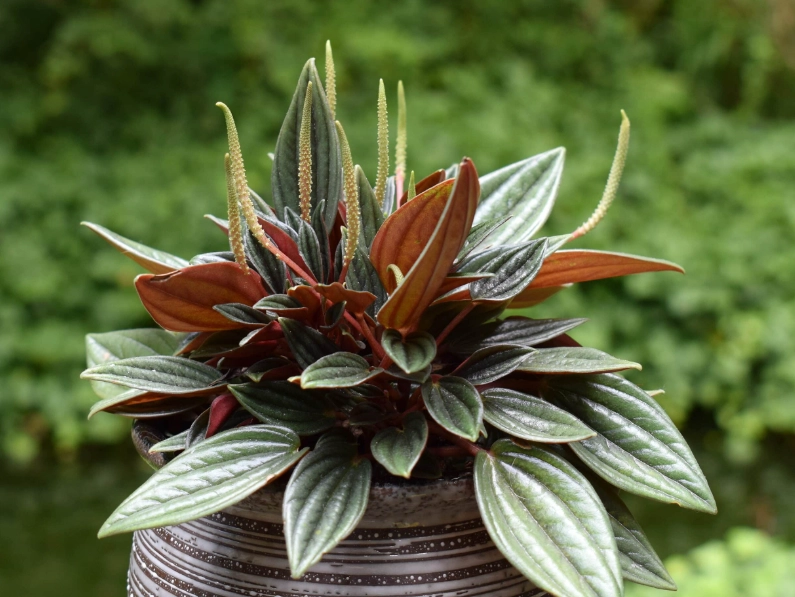
Your Top Peperomia Rosso Questions Answered
Why are the leaves on my Peperomia Rosso falling off?
Sudden leaf drop is almost always a watering issue, and it's usually overwatering. The roots are suffocating and can't support the foliage. Check the soil moisture immediately. If it's wet, let it dry out completely. If the stem base is soft, you may need to take cuttings to salvage the plant.
Can I put my Peperomia Rosso in a bathroom with no window?
No. While the humidity from showers is beneficial, the complete lack of light will cause it to decline rapidly. It needs light to photosynthesize. A bright bathroom with a window is an excellent spot, but a windowless one is a death sentence.
Is Peperomia Rosso toxic to cats or dogs?
Good news. According to the ASPCA, plants in the Peperomia genus are non-toxic to cats and dogs. It's considered a pet-safe plant, though it's still best to discourage chewing to protect the plant itself.
My plant hasn't grown at all in months. What's wrong?
Stalled growth points to either insufficient light or a need for nutrients. First, assess its light situation. If that seems okay, consider a light feeding. During the growing season (spring and summer), you can fertilize once a month with a balanced, water-soluble fertilizer diluted to half strength. Don't fertilize in fall and winter.
What's the difference between Peperomia Rosso and Watermelon Peperomia?
This causes a lot of confusion. "Watermelon Peperomia" usually refers to Peperomia argyreia, which has smooth, round leaves with silver stripes, resembling a watermelon rind. Peperomia Rosso (Peperomia caperata 'Rosso') has deeply textured, pointed leaves that are green on top and red underneath. They're often grouped together because of their similar care needs and compact size, but they are distinct plants.
The Peperomia Rosso is a gem. It asks for very little—just a bright spot, a careful hand with the watering can, and the right soil. Give it those three things, and it will reward you with years of striking, architectural beauty. It's the perfect plant for someone who wants visual impact without high maintenance.
Start by checking the soil on yours right now. Is it wet? Let it be. Is it bone dry? Give it a drink. You're already on the right track.

Comments