Let's cut to the chase. You probably got a lucky bamboo as a gift or picked one up because it looked easy. Now you're staring at it, wondering why the tips are turning brown, or if that murky water is okay. Most care sheets repeat the same basic advice. After keeping these plants for over a decade, I've seen the same mistakes kill more lucky bamboo than any disease. The biggest one? Treating it like real bamboo. It's not. It's Dracaena sanderiana, a tropical understory plant from Africa. That single fact changes everything about how you should care for it.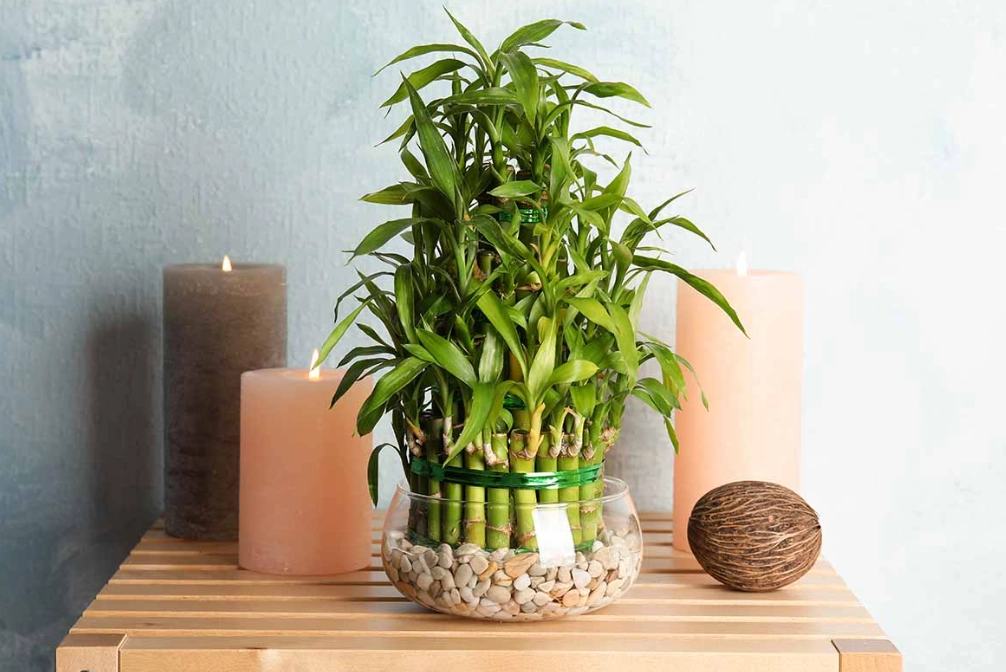
What You'll Learn in This Guide
Water and Light: The Two Pillars Everyone Gets Half-Right
Get these wrong, and nothing else matters. Let's break down the conventional wisdom and where it falls short.
Watering: It's Not Just About Keeping It Wet
The instruction "keep it in an inch of water" is a recipe for algae and rot if you don't know the rest. The water quality matters more than the quantity for lucky bamboo in water.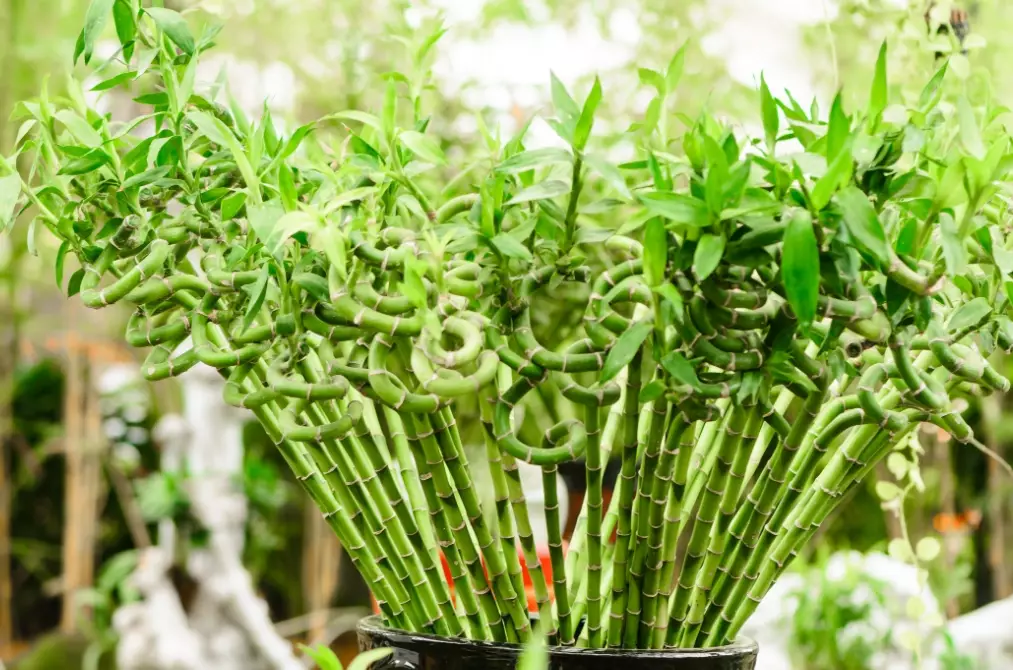
For plants in water, change the water completely every week. Don't just top it off. This prevents bacterial buildup and keeps the roots healthy. For plants in soil, water only when the top inch feels dry. Overwatering in soil leads to mushy, yellow stems—a death sentence.
Light Needs: The Low-Light Myth
"Lucky bamboo loves low light." This is the most repeated piece of bad advice. It tolerates low light but thrives in bright, indirect light. In deep shade, growth becomes leggy, pale, and the plant loses its vigor, making it susceptible to other issues.
Think of its natural habitat: dappled light under a forest canopy. An east-facing window is perfect. A north window might be too dim. A south or west window needs a sheer curtain to diffuse the harsh direct sun, which will scorch the leaves.
Beyond the Basics: Fertilizer, Repotting, and Troubleshooting
Once you've mastered water and light, these factors determine whether your plant merely survives or actively thrives.
To Feed or Not to Feed?
Plants in water have no nutrient source. They need food. But the standard advice of "a drop of liquid fertilizer" is vague and dangerous. Over-fertilization burns the roots.
Use a very dilute liquid fertilizer, formulated for hydroponics or general houseplants, at one-quarter strength. Do this only once a month during spring and summer. In fall and winter, stop feeding. For soil plants, a balanced fertilizer at half-strength every 6-8 weeks in the growing season is sufficient.
When and How to Repot
A lucky bamboo outgrowing its vase is a common sight. The roots become a tangled mass. Here's your action plan:
- Signs it's time: Roots are crowded, circling the container, or the plant becomes top-heavy and unstable.
- The move: Gently rinse the roots. Choose a new container only 1-2 inches wider. A too-big pot (for soil) or vase (for water) holds excess moisture and promotes rot.
- Soil choice: If moving to soil, use a well-draining mix. A cactus/succulent blend works well, or add perlite to regular potting soil.
Diagnosing Common Problems: A Quick-Reference Table
| Symptom | Likely Cause | Immediate Action |
|---|---|---|
| Yellowing leaves/stems | 1. Too much direct sun. 2. Chemical burn from tap water. 3. Over-fertilization. 4. Root rot (if stem is soft/yellow). |
Move to indirect light. Change to filtered water. Flush soil if overfed. Cut away mushy parts if rotten. |
| Brown, crispy leaf tips | 1. Low humidity. 2. Fluoride/chlorine in water. 3. Underwatering (soil plants). |
Increase humidity (pebble tray helps). Use purified water. Check soil moisture. |
| Stretching, pale growth | Insufficient light. | Gradually move to a brighter location with indirect light. |
| Algae in water | Light hitting the water + infrequent water changes. | Change water weekly. Use an opaque container or clean the vase thoroughly. |
Shaping, Curling, and the Feng Shui of Placement
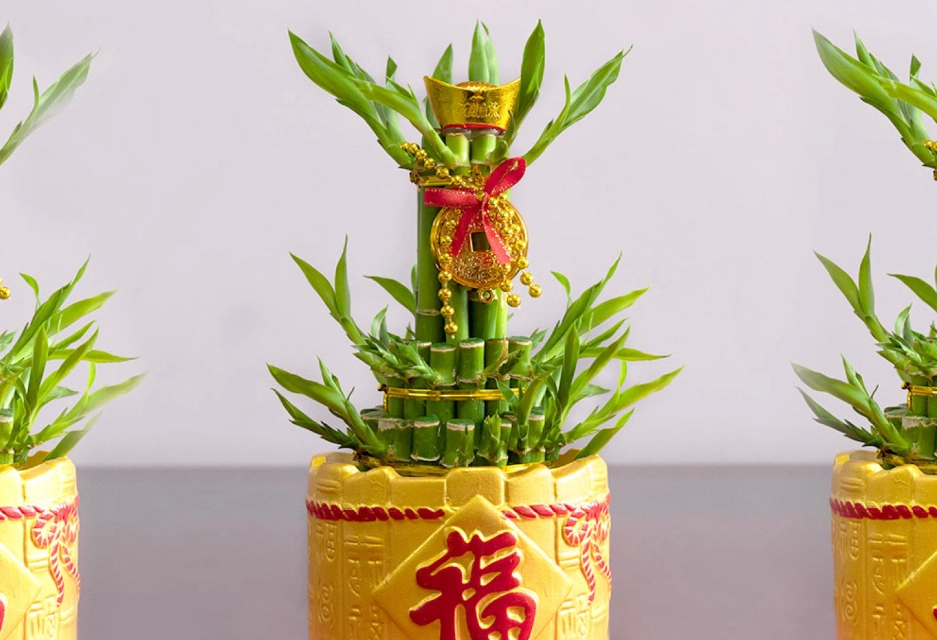
This is where lucky bamboo gets interesting. Those spirals and towers aren't natural—they're created with careful manipulation.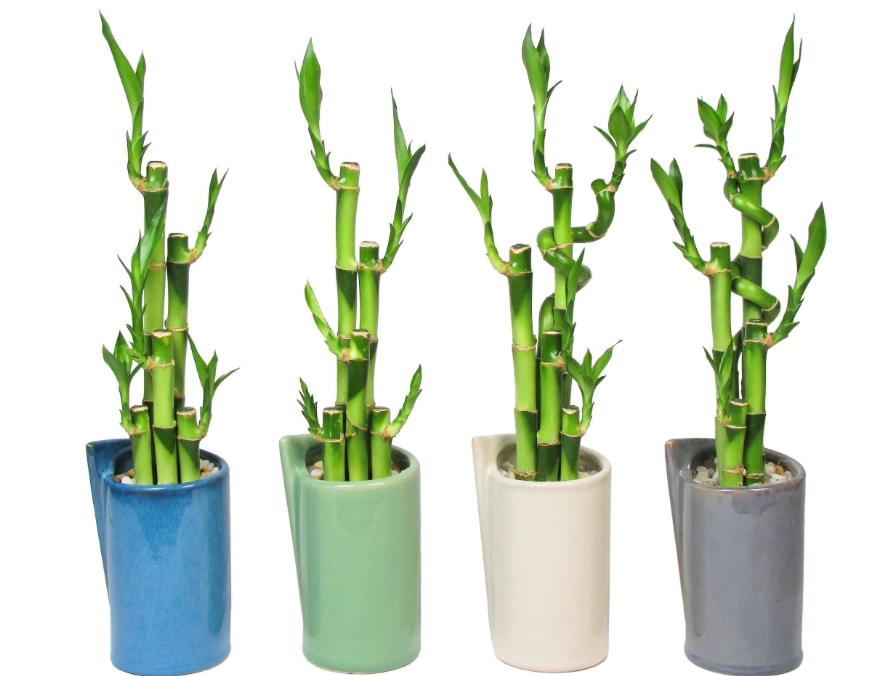
How the Spirals Are Made (And Can You Do It?)
Commercial growers control light direction. The plant grows toward the light. By slowly rotating the plant and blocking light from specific sides, they force the stalk to twist in search of light. At home, this requires immense patience. It's easier to appreciate the artistry and focus on maintaining the shape you have by rotating your plant a quarter turn each week to ensure even growth.
Feng Shui: More Than Just a Lucky Charm
The number of stalks has specific meanings. While often marketed as just "good luck," the traditional associations add a layer of intention:
- 1 Stalk: Simple life, steadfastness.
- 2 Stalks: Love and double luck (often given as a couple's gift).
- 3 Stalks: Happiness, wealth, and long life (the most common and popular).
- 5 Stalks: The five areas of life wealth (according to Feng Shui principles).
- 6 Stalks: Prosperity and wealth.
- 7 Stalks: Good health.
- 8 Stalks: Growth and abundance.
- 9 Stalks: Great luck and fortune.
- 21 Stalks: A powerful blessing for profound wealth and health.
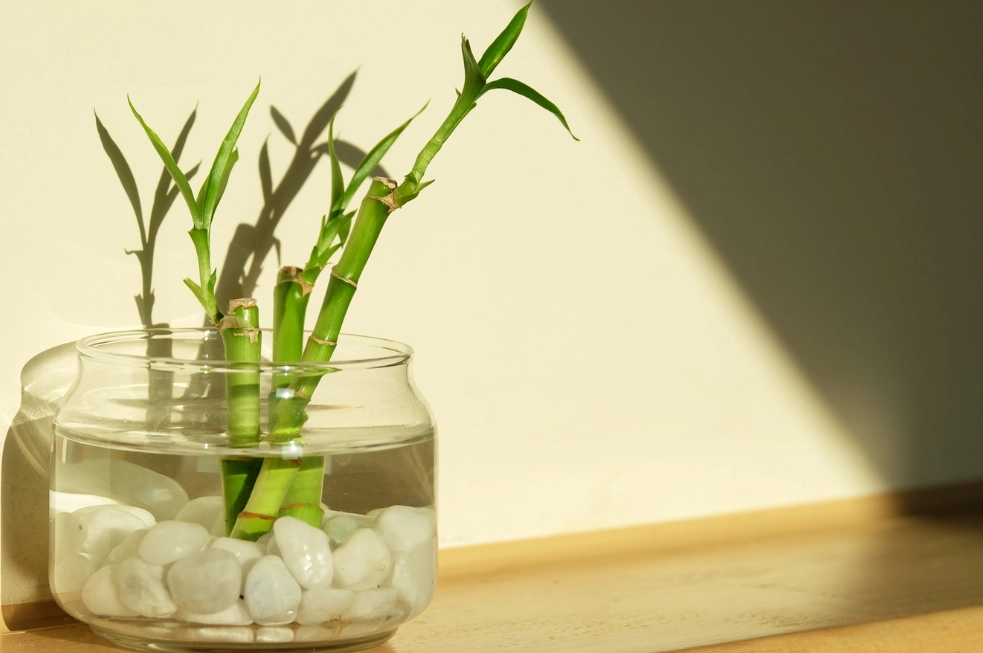
Placement matters, too. The southeast corner of a room or desk is traditionally associated with wealth and abundance in Feng Shui, making it a popular spot. But honestly? Place it where it gets the right light and where you can enjoy it. A healthy plant is the luckiest kind.
Your Top Lucky Bamboo Problems, Solved by Experience
 The leaves are dusty. How do I clean them without harming the plant?
The key to a long-lived lucky bamboo isn't mystery or luck—it's understanding its real needs as a Dracaena. Ditch the tap water, find that bright indirect spot, and don't be afraid to change the water or prune a sick stem. With these adjustments, that gift shop plant can become a resilient, green companion for years.

Comments