Quick Navigation: What You'll Learn
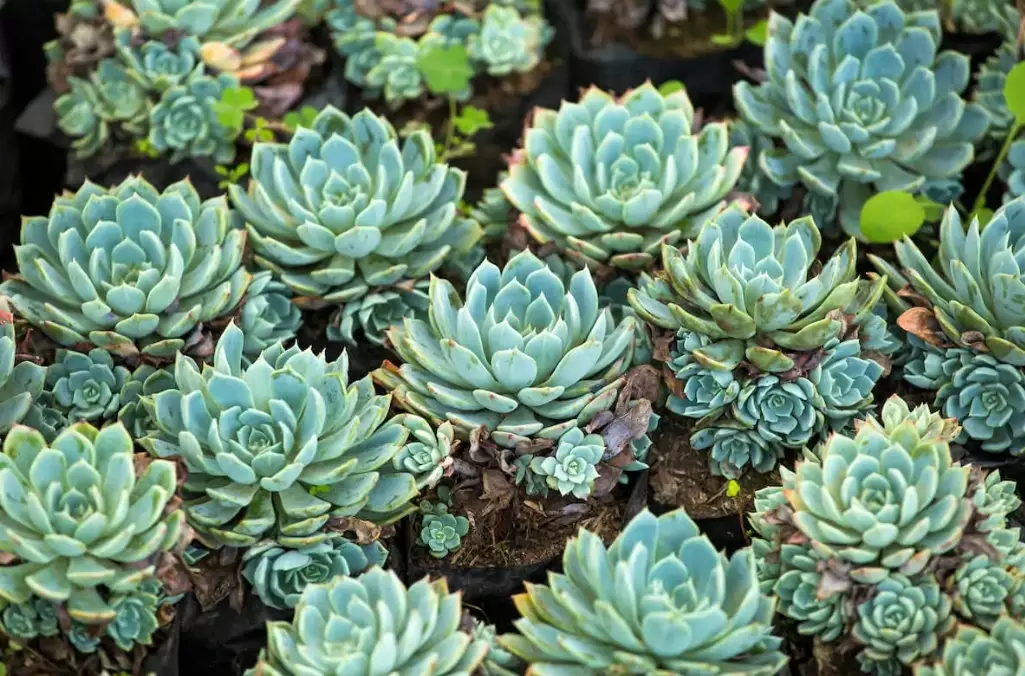
Let's cut to the chase. Most people kill their succulents by watering them too much. I've seen it happen—friends proudly show off their new echeveria, only to find it mushy and brown a month later. The truth is, learning how to water succulents isn't about following a strict schedule; it's about understanding their desert origins and mimicking those conditions. In this guide, I'll share insights from years of trial and error, including some subtle errors even experienced gardeners miss.
Why Succulent Watering is Totally Different
Succulents store water in their leaves, stems, or roots. Think of them as camels of the plant world. They evolved in arid environments where rainfall is sporadic. According to the University of California's Agriculture and Natural Resources program, these plants have adapted to survive long dry spells. That's why they hate soggy soil—it leads to root rot, a silent killer. Most houseplants need consistent moisture, but succulents thrive on neglect. If you're used to watering your ferns weekly, you'll need to unlearn that habit.
Here's a non-consensus point: many guides say "water when the soil is dry," but that's too vague. The key is to let the soil dry out completely, not just the top inch. I once had a jade plant that looked fine on the surface, but the roots were rotting because I didn't wait long enough between waterings. The soil must be bone-dry all the way through.
When to Water: Forget the Calendar
Throw away your watering schedule. Seriously. I used to water every two weeks, and it failed miserably because seasons change, and so do your plants' needs. Instead, rely on these cues.
The Finger Test Method
Stick your finger about two inches into the soil. If it feels dry, wait another day or two. If it's slightly damp, hold off. This method beats any app or reminder. I've found that in humid climates, you might need to wait longer—sometimes three weeks in winter.
Signs Your Succulent is Thirsty
Look for wrinkled leaves or a slight puckering. The leaves might feel softer than usual. But here's a trick: don't wait until they're severely shriveled. That stresses the plant. A lightly wrinkled leaf is a green light for watering.
How to Water Succulents Step-by-Step
Watering isn't just about frequency; it's about technique. Here's my go-to method that has saved countless plants.
- Use a pot with drainage holes. This is non-negotiable. If your pot doesn't have holes, repot immediately. I learned this the hard way when a beautiful ceramic pot drowned my haworthia.
- Water thoroughly. Pour water slowly at the base of the plant until it runs out of the drainage holes. This ensures the roots get enough moisture. A light sprinkle only wets the surface and encourages shallow roots.
- Let it drain completely. Never let the pot sit in a saucer of water. Empty the saucer after 15 minutes. I've seen people skip this, and it's a recipe for disaster.
- Consider bottom watering. Place the pot in a tray of water for 20-30 minutes, letting the soil soak it up from below. This encourages deep root growth and avoids wetting the leaves, which can cause rot. I prefer this for fuzzy succulents like kalanchoe tomentosa.
Water quality matters too. Tap water is fine for most, but if you have hard water, it can leave mineral deposits. I use filtered water for my rare succulents, and they seem happier. Room temperature water is best—cold water can shock the roots.
Top 3 Watering Mistakes and Fixes
Everyone makes mistakes. Here are the big ones and how to recover.
| Mistake | Why It's Bad | How to Fix It |
|---|---|---|
| Overwatering | Leads to root rot, mushy leaves, and fungal infections. The plant can't absorb oxygen. | Stop watering immediately. Remove the plant, cut off rotten roots (they're black and slimy), repot in fresh, dry succulent mix, and wait a week before watering lightly. |
| Using Regular Potting Soil | Retains too much moisture, suffocating roots. Succulents need fast-draining soil. | Repot with a mix of 50% potting soil and 50% perlite or coarse sand. I add pumice for extra drainage—it's a game-changer. |
| Watering on the Leaves | Can cause sunburn (water droplets act as magnifying glasses) or rot in crevices. | Always water at the soil level. If leaves get wet, gently dab them dry with a cloth. For rosette types like sempervivum, use a narrow-spout watering can. |
I once overwatered a string of pearls, and it turned into a soggy mess. After repotting and neglecting it for a month, it bounced back. Patience is key.
Seasonal Watering Adjustments
Succulents have growth cycles. In spring and summer, they're active and need more water—maybe every 10-14 days if the soil dries quickly. In fall and winter, they slow down. I water mine only once a month or less during cold months. Light levels affect this too; a succulent in a bright south window will dry faster than one in low light.
Here's a rough guide based on my experience in a temperate climate:
- Spring: Water when soil is dry, usually every 2 weeks.
- Summer: Similar to spring, but watch for heat waves—they might need a bit more.
- Fall: Start reducing frequency to every 3-4 weeks.
- Winter: Water sparingly, only when leaves show slight wrinkles, maybe every 4-6 weeks.
If you're unsure, err on the side of underwatering. It's easier to revive a thirsty succulent than one with root rot.
FAQ: Your Burning Questions Answered
Remember, every succulent is unique. Observe your plants, adjust based on their responses, and don't be afraid to make mistakes. I've killed a few along the way, but that's how you learn. For more authoritative info, check out resources like the Royal Horticultural Society's guides on succulent care—they offer solid basics, but personal experience fills in the gaps.

Comments