Let's be honest. A lantana left to its own devices is a mess waiting to happen. It gets leggy, woody in the center, and the flower show dwindles to a sad trickle. I've seen it too many times. The good news? Pruning is the single most effective thing you can do to transform your lantana from a scraggly survivor into a blooming powerhouse. It's not about punishment; it's about encouraging the kind of vigorous, compact growth that leads to those stunning clusters of flowers from spring until frost. Forget the vague advice. This guide will give you the why, the exact when, and the detailed how of pruning lantana, based on what actually works in the garden, not just textbook theory.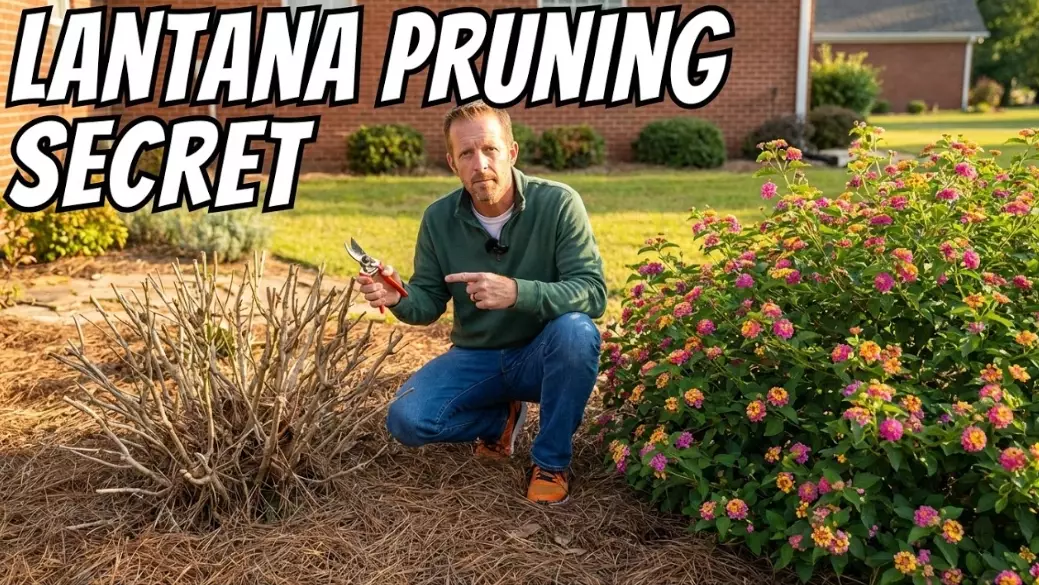
What You'll Learn in This Guide
- Why Pruning Lantana is So Important (and What Happens If You Don't)
- When is the Absolute Best Time to Prune Lantana?
- The Essential Tools You Need (and One You Should Avoid)
- How to Prune Lantana: A Step-by-Step Walkthrough
- Aftercare: What to Do Immediately After Pruning
- Common Pruning Mistakes and How to Avoid Them
- Your Pruning Questions, Answered
Why Pruning Lantana is So Important (and What Happens If You Don't)
You don't prune lantana because a gardening blog told you to. You prune it because the plant's biology demands it. Lantana flowers on new growth. Those old, long stems from last year? They're done. They might hold a few leaves at the very tip, but the energy to push out prolific blooms comes from fresh, young branches.
Skip pruning, and you get what I call the "lollipop effect." A few green leaves and flowers way out at the ends of long, bare stems, with a thick, ugly tangle of woody branches in the middle. It's not a good look. Worse, that dense center becomes a haven for pests like spider mites and blocks air circulation, inviting fungal diseases.
The Hidden Benefit Nobody Talks About
Here's something most guides miss. A proper prune isn't just about flowers. It's about rejuvenating the plant's structure. By cutting back those older stems, you force the plant to send energy lower down, to latent buds you can't even see. This creates a fuller, bushier plant from the base up, which is far more resilient and attractive than a tall, spindly one. Think of it as redirecting traffic from a single congested highway to a robust network of smaller roads.
When is the Absolute Best Time to Prune Lantana?
Timing is everything. Get this wrong, and you can set your plant back a season or even risk killing it in colder zones. The golden rule depends entirely on one thing: your last expected frost date.
For most gardeners, the primary, heavy prune happens in late winter or early spring, just as you see the first tiny green buds starting to swell on the stems. This is the plant waking up. Don't prune when it's still fully dormant in deep winter; you want it ready to grow immediately after the cut.
| Your Climate / Lantana Type | Primary Pruning Time | Light "Haircut" Pruning |
|---|---|---|
| Cold Climates (Lantana grown as an annual or brought indoors) | Early spring, after last frost. If overwintered indoors, prune before moving outside. | Not usually needed. Deadhead spent blooms. |
| Warm Climates (Lantana is a perennial evergreen) | Late winter, before spring growth surge. Often February/March. | Mid-summer to shape and encourage fall blooms. |
| For a "Hard Renovation" (Very overgrown, woody plant) | Same as primary time. Don't be afraid to cut back severely to 6-8 inches. | N/A |
What about pruning in fall? Don't. Tempting as it is to tidy up before winter, fall pruning stimulates tender new growth that will be immediately zapped by frost, stressing the plant unnecessarily. Let it go dormant naturally.
The Essential Tools You Need (and One You Should Avoid)
Using the wrong tool makes the job harder and can damage the plant. Lantana stems can be surprisingly tough once they mature.
| Tool | Best For | Pro Tip |
|---|---|---|
| Bypass Pruners (Hand Shears) | About 95% of the job. Cutting stems up to 1/2 inch thick. They make a clean cut like scissors. | Invest in a good pair. Dull or anvil-type pruners crush stems. |
| Loppers | Those thick, old woody stems at the base of an overgrown plant. | Use for leverage on tough cuts. Don't force hand pruners. |
| Gloves | Protecting your hands. Some people find lantana foliage irritating. | A must-have. Also keeps your hands clean. |
| Rubbing Alcohol or Bleach Solution | Disinfecting your blades between plants. | Critical to prevent spreading disease. Wipe blades down. |
The tool to avoid? Hedge trimmers. I hate seeing lantana sheared into a tight ball or box. It creates a dense outer shell that shades out the interior, leading to that dead, woody center we're trying to avoid. Always make individual cuts.
How to Prune Lantana: A Step-by-Step Walkthrough
Let's walk through the process for a typical, in-ground perennial lantana in spring. Imagine your plant is about 2 feet tall and wide, looking a bit ragged after winter.
- Clean Your Tools. Dip those pruner blades in your disinfectant. It takes 30 seconds and is non-negotiable.
- Clear the Dead. Start by removing any obviously dead, brown, or frozen stems. Cut these back to the base of the plant or to where you see green tissue.
- Target the Longest, Leggiest Stems. Look for the stems that grew the farthest last year. Your goal is to reduce the plant's overall size by about one-third to one-half. Make your cut just above a set of leaves or a leaf node (the bump on the stem where leaves emerge). Angle the cut slightly away from the bud.
- Open Up the Center. This is the secret step. Identify 2-3 of the oldest, thickest stems in the very middle of the plant. Cut one or two of these all the way back to within a few inches of the ground. This allows light and air into the center, encouraging new growth from the base.
- Shape and Balance. Step back. Look at the plant's overall shape. It should start to look like a rounded mound, not a flat-topped table. Trim any stray stems that stick out awkwardly to maintain a pleasing form.
My First Time Mistake: I was too timid. I just snipped the tips, maybe an inch or two. The result? The plant got even taller and leggier, flowering only at the very top. Be bold. That 6-12 inch cutback feels drastic, but the plant will thank you with explosive new growth.
Aftercare: What to Do Immediately After Pruning
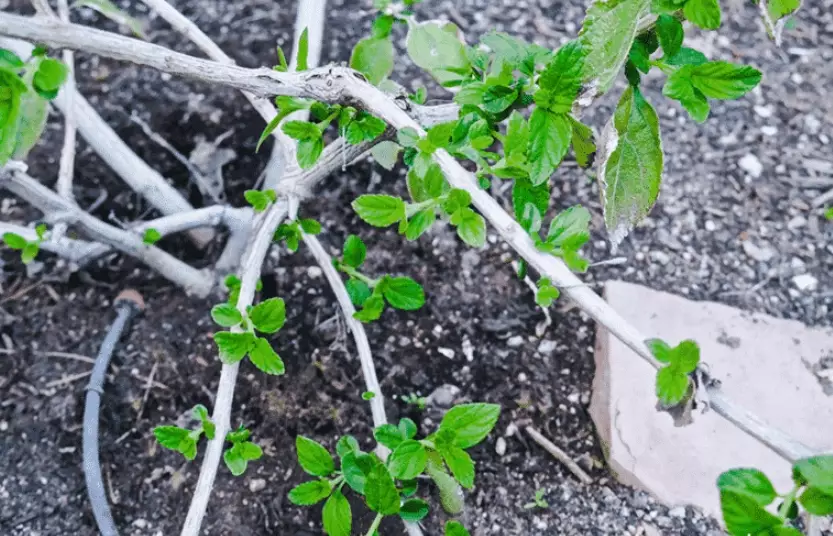
Your lantana just had major surgery. A little post-op care ensures a speedy recovery.
Water it in. Give the plant a good, deep drink. This helps ease root shock and hydrates the remaining stems.
Hold the fertilizer. Wait. Don't apply a heavy dose of fertilizer right away. The plant needs to focus on healing cuts and pushing out leaves first. In about 3-4 weeks, when you see vigorous new growth, you can apply a balanced, slow-release fertilizer or a light dose of liquid feed.
Monitor for pests. Fresh new growth is tasty to aphids. Keep an eye out and blast them off with water if they appear.
Common Pruning Mistakes and How to Avoid Them
I've made most of these, so you don't have to.
- Mistake 1: Pruning at the Wrong Time. Fall pruning is the big one. Stick to late winter/spring for the main event.
- Mistake 2: "Haircut" Pruning Only. Just snipping the very tips encourages weak, spindly growth from just below the cut. You need to cut deeper into older wood to stimulate strong branches.
- Mistake 3: Not Sterilizing Tools. It seems minor until you spread blight or fungus from one plant to your entire garden.
- Mistake 4: Leaving Cuts in the Middle of Nowhere. Always cut back to a leaf node or a branch junction. A stub left hanging will die back and can become an entry point for disease.
Your Pruning Questions, Answered
My lantana looks woody and has stopped flowering. Can I still prune it?
Absolutely, and you should. This is a classic candidate for a hard renovation prune. In early spring, don't be afraid to cut the entire plant back to 6-8 inches from the ground. It looks brutal, but lantana is incredibly resilient. It will shock you by sending up vigorous new shoots from the base. Water and fertilize it well afterward to support this comeback.
I pruned my lantana, but now it looks sparse. Did I kill it?
Probably not. Patience is key. It can take 2-4 weeks for new growth to become visibly lush. Ensure it's getting enough sun (lantana needs 6+ hours of direct light) and adequate water. If you see any green buds swelling, you're in good shape. If, after a month in warm weather, there's zero new growth and the stems are brittle and brown, then you might have a problem.
 Can I prune lantana in summer to control its size?
Yes, but with a light touch. If a stem is getting way too long, you can tip-prune it back by a few inches to a leaf node. This can actually encourage branching and more flowers on that stem. Avoid major structural pruning in the heat of summer, as it stresses the plant.
How do I prune a lantana standard (tree form)?
The principle is the same, just focused on the "head" of the tree. In spring, prune the ball of foliage back by about one-third, shaping it into a rounded form. Remove any suckers growing from the base of the trunk or the rootstock immediately. Throughout the season, pinch or lightly trim the tips of new growth in the canopy to keep it dense and encourage blooming.
Pruning lantana isn't a mysterious art. It's a straightforward, rewarding practice. A sharp pair of pruners and the courage to make decisive cuts are all you need. That scraggly plant in the corner? Give it this treatment. In a few weeks, you'll have a fuller, greener, and ultimately more floriferous plant that rewards you all season long. Now go find those shears.
Comments