Quick Navigation
Let's be honest, the first time I tried to move a bamboo clump, it was a disaster. I just grabbed a shovel, hacked at what I thought was the edge, and ended up with a sad-looking root ball and a bunch of broken canes. The plant sulked for a year before giving up entirely. It was a tough lesson, but it taught me that knowing how to replant bamboo properly isn't just helpful—it's absolutely crucial if you want the plant to survive the move. Bamboo, for all its reputation as a tough, fast-growing plant, can be surprisingly sensitive when its roots are disturbed.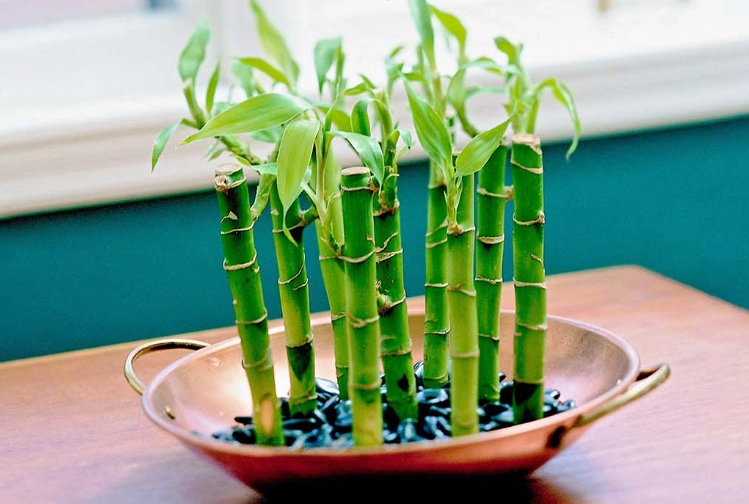
Maybe you're moving house and can't bear to leave your beloved bamboo behind. Perhaps it's outgrown its spot and is now threatening your foundation or your neighbor's patience. Or maybe you just want to share a piece of your garden with a friend. Whatever your reason, the process of transplanting bamboo is a mix of heavy lifting, careful planning, and a bit of plant psychology. This guide is everything I wish I'd known back then, boiled down from years of trial, error, and finally, success.
The Golden Rule: Timing is Everything
If you get the timing wrong, you're fighting an uphill battle from the start. Bamboo is most actively growing its roots and rhizomes (those underground stems) during specific seasons, and that's when it's best equipped to handle the stress of being moved.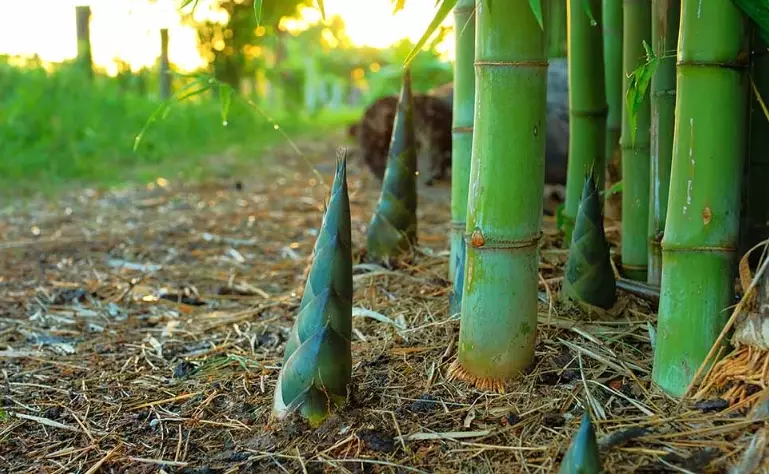
For most climates, the absolute best window is early spring. Think about when you see those new shoots (culms) just starting to poke through the soil. That's your cue. The plant is full of energy, the soil is warming up, and you have a whole growing season ahead for it to establish itself. The second-best option is early fall. The heat of summer has passed, but the soil is still warm enough to encourage root growth before winter dormancy sets in.
I made the summer mistake once. Never again. The leaves curled up, turned brown, and the whole clump looked dead within a week. It did eventually recover, but it lost over half its size.
Preparing for the Big Move: Tools and Mindset
You can't just wing this. Having the right tools and a clear plan turns a back-breaking chore into a manageable project. Here's what you'll need on hand:
- A sharp, strong spade: A digging shovel with a flat edge is better than a rounded one. You'll be cutting through tough roots.
- A digging bar or pry bar: This is your secret weapon for leveraging out the root mass and breaking through compacted soil or small rocks. Trust me, it's worth its weight in gold.
- Pruning saw or loppers: For cutting back the top growth. This is a critical step many people skip.
- Heavy-duty tarp or burlap: To wrap the root ball and keep it moist during the move.
- A hose and water source: You'll be watering the plant deeply before and after the move.
- Wheelbarrow or garden cart: Some bamboo divisions can be surprisingly heavy.
Now, about that mindset. The goal of how to replant bamboo isn't just to move dirt and roots. It's to minimize transplant shock. This means reducing water loss from the leaves (by pruning) and damaging as few of the fine, hair-like feeder roots as possible. Think surgeon, not lumberjack.
The Step-by-Step Process of Bamboo Replanting
Okay, the day has come. The weather is mild, you've got your tools, and you've already identified the perfect new spot (sunny, with well-draining soil). Let's break it down.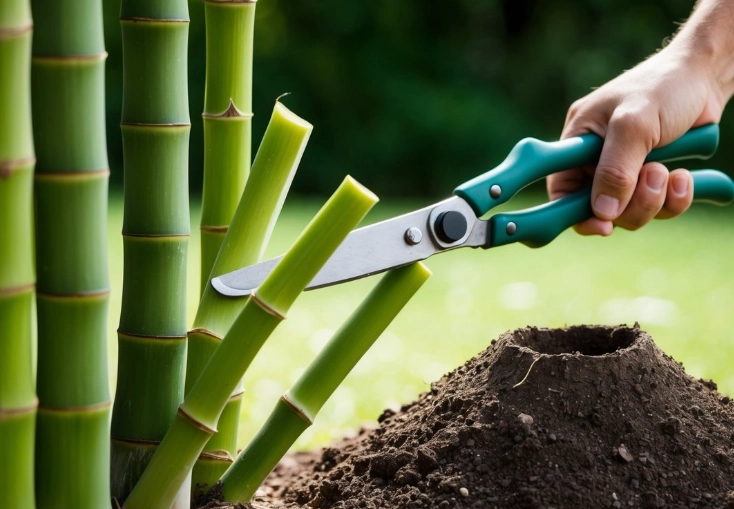
Step 1: The Pre-Dig Prep (Don't Skip This!)
First, water the bamboo deeply a day or two before the move. You want the root ball to be moist and cohesive, not dry and crumbly. Next, prune the canopy. This is non-negotiable. You've just removed a significant portion of its root system. The remaining roots can't support all the leaves it had before. Cut the canes back by about one-third to one-half. It feels brutal, but it redirects the plant's energy to root regeneration instead of trying to sustain all that foliage.
Step 2: Excavating the Root Ball
This is the heavy part. Start digging a trench around the bamboo clump. How far out? For a mature clump, aim for at least 12-18 inches from the outermost canes. You need to get a good chunk of the rhizome system. Dig down about 12-18 inches as well. Bamboo roots are relatively shallow but wide-spreading.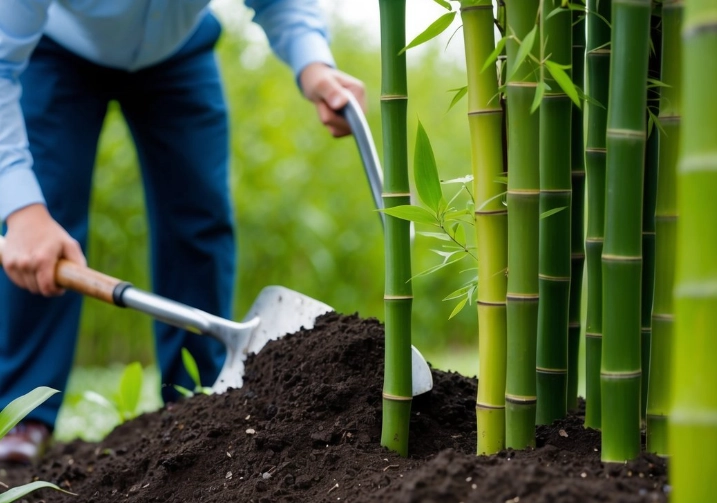
As you dig, you'll encounter a dense network of roots and rhizomes. Use your spade to slice through them cleanly. The digging bar becomes essential here to loosen the root ball from the earth below. Once it's loose, carefully work your spade underneath it and start to lift. You might need a helper for a large clump.
Step 3: To Divide or Not to Divide?
Often, the reason for learning how to transplant bamboo is to create new plants. This is where division comes in. Once your root ball is out, you can see the structure.
- For Clumping Bamboo: Look for natural divisions where the rhizomes form distinct "necks." You can often pull or gently pry these apart with your hands or a garden fork. Each division should have several healthy canes and a solid mass of roots.
- For Running Bamboo: You'll see long, horizontal rhizomes with buds (nodes). You can cut these rhizomes into sections, making sure each section has at least 2-3 nodes and some roots. A section about a foot long is a good start.
Immediately wrap any divisions you're not planting right away in damp burlap or newspaper to prevent the roots from drying out.
Step 4: The New Home
The new planting hole should be about twice as wide as the root ball you've dug up, but only as deep as the root ball itself. You don't want to plant it too deep—this can cause rot. Bamboo likes its "neck" at or slightly above soil level.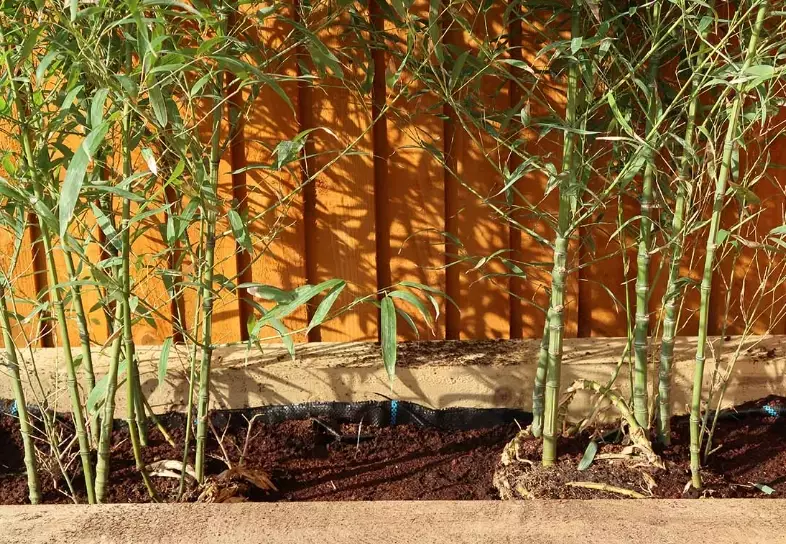
Amend the soil you took out of the hole with some well-rotted compost. Maybe 1 part compost to 2 parts native soil. This improves drainage and provides a gentle nutrient boost. Don't go overboard with fertilizer at planting time; it can burn tender new roots.
Place your bamboo division or whole clump in the center of the hole. Backfill with your amended soil, firming it gently as you go to eliminate large air pockets. Create a small "berm" or basin of soil around the planting area to help hold water.
Step 5: The First Drink and Mulch
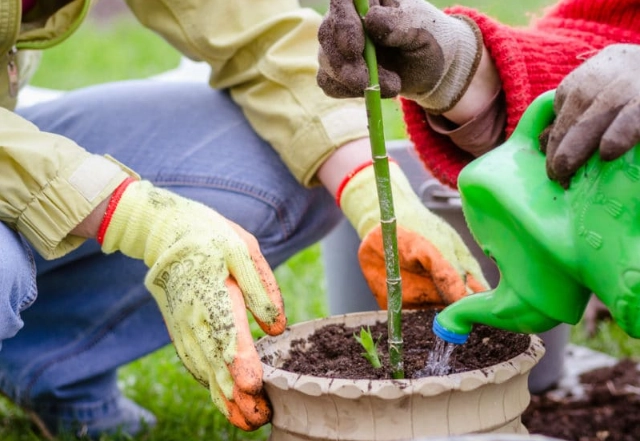
Water it in thoroughly. I mean, really soak it. This helps settle the soil around the roots. Then, apply a 2-3 inch layer of mulch (wood chips, straw, shredded bark) around the base, keeping it a few inches away from the canes themselves. Mulch is a lifesaver—it conserves moisture, regulates soil temperature, and suppresses weeds.
Critical Aftercare: The First Year is Key
Planting it is only half the battle. How you care for it in the next few months determines its ultimate success. Your newly transplanted bamboo is in recovery mode.
Watering: This is the most important thing. The soil should be kept consistently moist, but not soggy, for the entire first growing season. Depending on your weather, this might mean deep watering 2-3 times a week. Stick your finger in the soil; if the top inch is dry, it's time to water. A soaker hose is fantastic for this.
Feeding: Hold off on strong fertilizers for the first 2-3 months. After that, you can apply a balanced, slow-release fertilizer in late spring or early summer. Organic options like compost tea or a light top-dressing of compost are gentler and work well.
Patience: Don't expect a huge show of new growth in the first year. The plant is investing its energy below ground. You might only get a few, possibly shorter, new shoots. That's normal. The real growth spurt will come in the second and third years after transplanting.
I learned this the hard way. I kept fussing over a transplant that wasn't putting up big new canes, thinking I'd failed. But the next spring, it exploded with growth. It was just busy building a strong foundation first.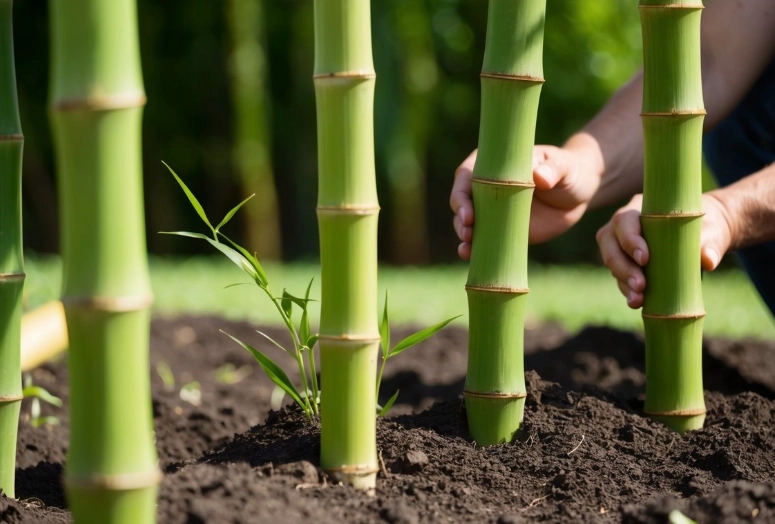
Clumper vs. Runner: A Crucial Distinction
Your approach to how to replant bamboo changes dramatically depending on which type you have. Getting this wrong is a common mistake.
| Characteristic | Clumping Bamboo (e.g., Bambusa, Fargesia) | Running Bamboo (e.g., Phyllostachys, Pleioblastus) |
|---|---|---|
| Growth Habit | Grows in a tight, expanding cluster from a central base. Rhizomes are short and upward-curving (pachymorph). | Spreads via long, horizontal underground rhizomes (leptomorph) that can travel many feet from the main plant. |
| Transplant/Division Ease | Generally easier. The root mass is more compact and defined. Divisions are clear. | Can be more challenging to fully contain/remove. Rhizomes can be long and brittle when digging. |
| Primary Replanting Concern | Getting a large enough root ball to support the canes. Less worry about containment. | CONTAINMENT. Must plan for rhizome barriers or very strategic placement. |
| Post-Transplant Spread | Will slowly expand the clump from the new location. | Will aggressively send out new rhizomes from the transplanted section. Vigilance required. |
If you're unsure what you have, a quick search of the genus name (often on the plant tag) or a look at the American Bamboo Society's website can help. The American Bamboo Society is an excellent resource for identifying species and understanding their growth habits.
Troubleshooting Common Problems After Replanting
Even with perfect technique, sometimes bamboo gets stressed. Here's what to look for:
- Yellowing or Browning Leaves: Some leaf loss is normal. Widespread yellowing usually means too much water (poor drainage) or sometimes not enough. Check your soil moisture first.
- No New Shoots in Spring: Be patient until mid-to-late spring. If nothing appears by early summer, the transplant may have failed, often due to root damage, planting too deep, or severe drought after planting.
- Wilting: Almost always a sign of underwatering or root damage preventing water uptake. Increase watering frequency and ensure the root zone is truly getting soaked.
Frequently Asked Questions About Bamboo Replanting
Wrapping It Up: Your Path to Success
Learning how to replant bamboo might seem daunting with all these steps, but if you break it down, it's completely manageable. The core principles are simple: do it at the right time (spring or fall), prune the top to match the reduced root system, get a generous root ball, prepare a good new home, and then be religious about watering for the first year.
It's a satisfying project. There's something deeply rewarding about successfully moving a living piece of your garden and watching it thrive in a new spot. You're not just moving a plant; you're managing its life cycle. For more detailed, science-backed information on soil preparation and plant physiology related to transplanting, universities often have fantastic extension resources. The University of Maryland Extension, for example, has great general guides on woody plant transplantation that apply perfectly to bamboo.
So, take a deep breath, sharpen your spade, and go give your bamboo a new lease on life. Just maybe pick a cooler day to do it, okay?
Comments