You got an aloe vera plant because everyone said it was easy. Now it's sitting on your windowsill, looking a bit sad. Maybe the leaves are turning brown, getting soft, or just not growing. The truth is, aloe vera is tough, but it has specific needs that most casual advice glosses over. Getting it wrong doesn't just stunt growth—it kills the plant. After growing dozens of these succulents, I've seen the same mistakes repeated. This guide cuts through the vague tips and gives you the exact, actionable steps to not just keep your aloe alive, but to make it thrive and produce that valuable gel you actually want.
What's Inside?
The Non-Negotiable Core Care Needs
Let's start with the foundation. Forget the "set it and forget it" myth. Aloe vera care revolves around mimicking its native, arid habitat.
Light: The Biggest Make-or-Break Factor
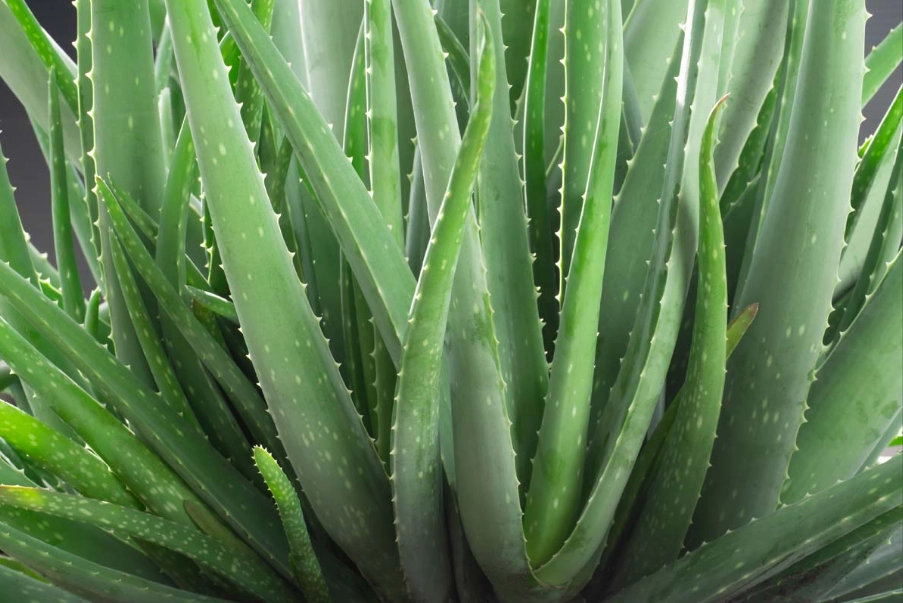
Here's a non-consensus view: Aloe vera doesn't just tolerate bright light; it craves it. The common advice of "bright, indirect light" is often insufficient. For robust growth and tight, upright leaves, it needs several hours of direct sunlight. A south or west-facing window is ideal. I've kept aloes in east-facing windows, and while they survived, growth was noticeably slower and the plants stretched out more.
If your only option is lower light, you'll need to water much less frequently. A leggy, pale plant is a plant begging for more sun.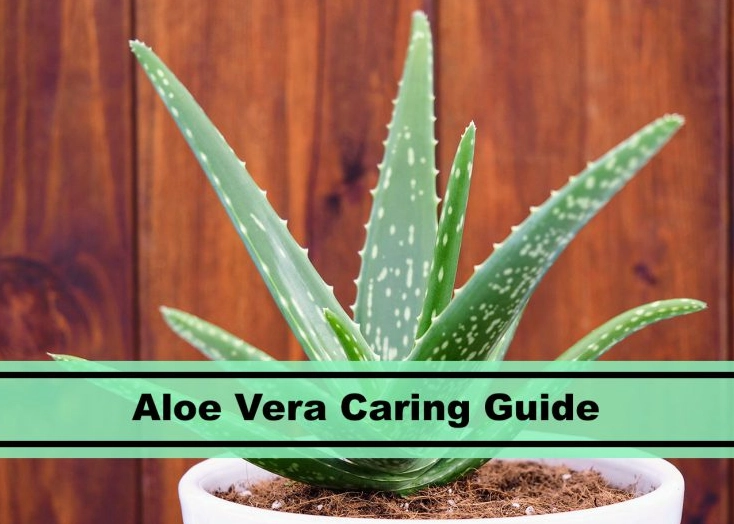
Watering: The Art of Neglect
Overwatering is the #1 killer. Period. Your goal is to simulate a desert downpour followed by a long drought.
Forget the schedule. Don't water every Tuesday. Instead, use the "soak and dry" method:
- Wait until the soil is completely dry all the way through the pot. Stick your finger in the soil up to the second knuckle. If you feel any moisture, wait.
- When dry, take the plant to the sink and water it thoroughly. Pour water until it runs freely out of the drainage holes. This ensures the entire root ball gets hydrated.
- Let all excess water drain away. Never let the pot sit in a saucer of water.
In summer, this might be every 2-3 weeks. In winter, when growth slows, it could be once a month or even longer. The plant's leaves are its water reservoirs—plump leaves mean it's well-hydrated.
Soil & Pot: Creating the Right Environment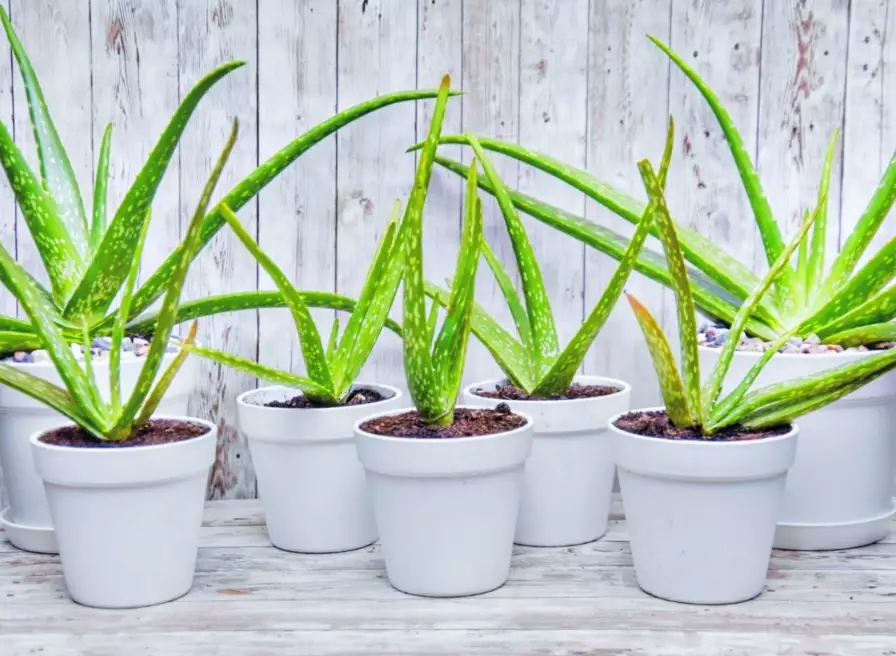
Standard potting soil holds too much moisture and will suffocate the roots. You need a fast-draining mix.
Simple DIY Mix: Combine 2 parts regular potting soil with 1 part perlite and 1 part coarse sand. This creates the gritty, airy structure aloe roots love. You can also use a pre-mixed cactus and succulent soil, but I often add extra perlite to those as well.
The pot is equally important. Always use a pot with drainage holes. Terracotta pots are excellent for aloe vera because they are porous, allowing the soil to dry out faster and reducing the risk of root rot. Plastic pots retain moisture longer, so you must be even more vigilant with watering.
| Care Element | What It Needs | What to Avoid |
|---|---|---|
| Light | Bright, direct sunlight (4-6 hrs/day). South/West window. | Dark corners, consistent deep shade. |
| Water | Soak deeply only when soil is 100% dry. Let drain completely. | Frequent small sips, watering on a schedule, soggy soil. |
| Soil | Fast-draining, gritty mix (cactus/succulent blend). | Dense, moisture-retentive potting soil. |
| Pot | Container with drainage holes, preferably terracotta. | Pots without holes, decorative cache pots without drainage. |
| Temperature | Room temperature (55-80°F / 13-27°C). | Sustained temperatures below 50°F (10°C), cold drafts. |
Diagnosing & Fixing Common Aloe Problems
Your plant is talking to you. Here’s how to translate.
Soft, Mushy, Brown Leaves: This is almost always overwatering and the onset of root rot. The roots are drowning and rotting. Action: Stop watering immediately. Remove the plant from its pot and inspect the roots. Healthy roots are firm and white/tan. Rotten roots are brown, black, and slimy. Cut away all rotten parts with a sterile knife. Let the plant and its roots air dry for a day or two, then repot in fresh, dry succulent mix. Don't water for at least a week after repotting.
Thin, Curled, Reddish Leaves: Your aloe is thirsty. The leaves are using up their internal water stores. Action: Give it a thorough soak. The leaves should plump up again within a few days.
Brown, Crispy Leaf Tips: Usually a sign of sunburn from too sudden an increase in light, or occasionally from chemical burn if you used a strong fertilizer. Action: Move to a spot with slightly less intense direct sun for a while. The crispy parts won't heal, but you can trim them off with clean scissors for aesthetics.
Leggy, Stretched Growth (Etiolation): The plant is stretching desperately to find more light. It becomes tall, weak, and pale. Action: Gradually move it to a brighter location. You can't fix the stretched part, but new growth will be compact if the light is adequate. Eventually, you can behead and propagate the top (see below).
Propagation & Repotting: When and How
A happy aloe will produce "pups" or offsets—baby plants that cluster around the mother. This is how you get free plants.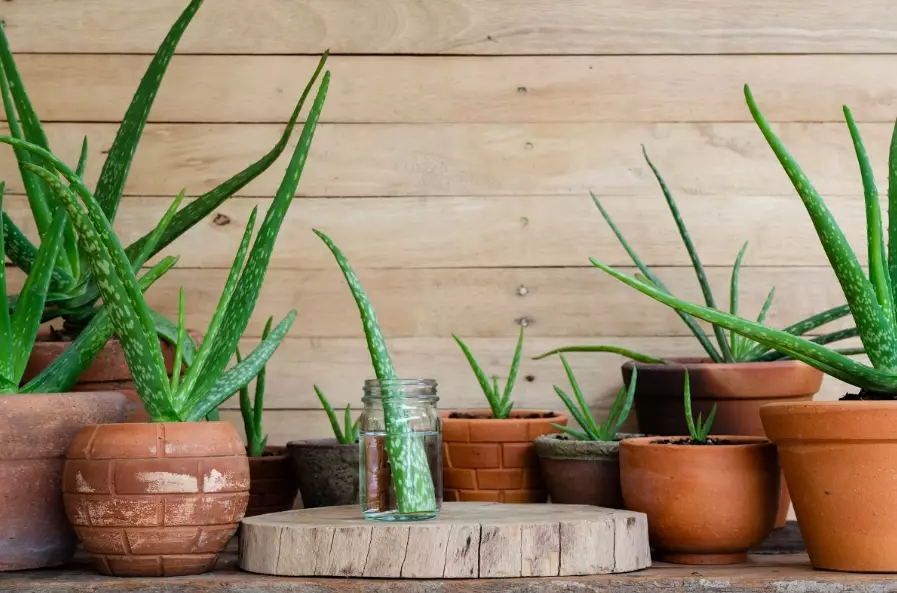
How to Separate and Pot Aloe Pups
Wait until the pup is about one-quarter to one-third the size of the parent plant and has a few sets of its own leaves. Gently remove the entire plant from its pot. You'll see the pup connected to the mother by a stem or root. Using a clean, sharp knife, cut the connecting stem as close to the mother as possible, trying to keep some roots attached to the pup. Let the cut end of the pup callous over (dry out and form a scab) for 24-48 hours. This prevents rot when planted. Then, pot it up in a small pot with dry succulent mix. Wait about a week before giving it its first light watering.
Repotting the Mother Plant
Repot every 2-3 years, or when the plant becomes top-heavy or root-bound. Choose a pot only 1-2 inches wider in diameter than the old one. A pot that's too large holds excess soil that stays wet for too long. When repotting, be careful not to bury the stem deeper than it was before. Burying the stem invites rot. I made this mistake early on, losing a beautiful plant to stem rot because I thought a deeper planting looked more stable.
How to Safely Harvest and Use Aloe Vera Gel
This is the rewarding part. Always choose a thick, mature outer leaf. Avoid taking from the small, central growth points.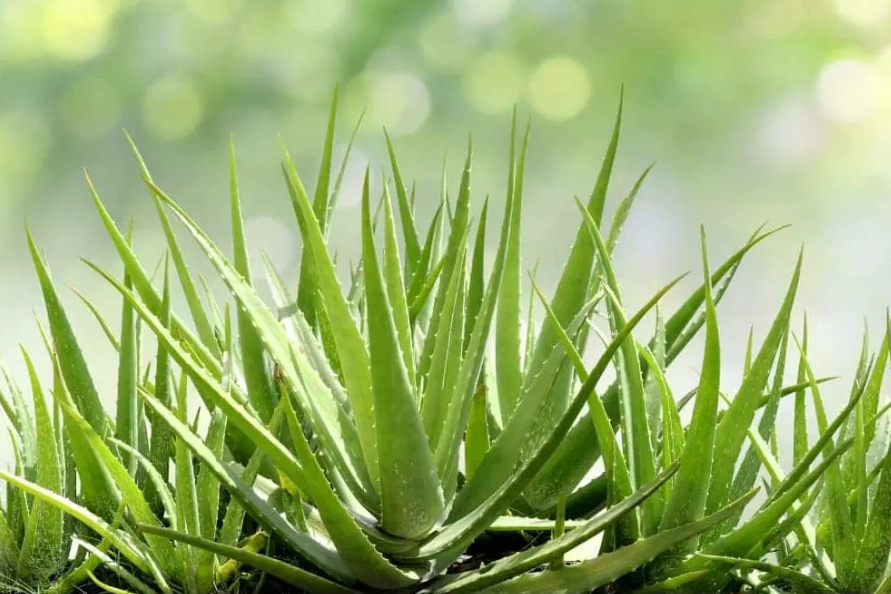
- Using a clean knife, cut the leaf as close to the base as possible.
- Place the leaf upright in a cup or glass for 10-15 minutes. This allows the yellow latex (aloin) to drain out. Aloin is a bitter, laxative compound that can cause skin irritation for some people.
- Lay the leaf flat and slice off the serrated edges.
- Slice the top layer of the leaf open and use a spoon to scoop out the clear gel inside.
- Use the gel immediately or store it in an airtight container in the refrigerator for up to a week. For longer storage, freeze it in ice cube trays.
The gel is wonderfully soothing for minor burns, sunburns, and skin irritations. I keep a cube tray in the freezer specifically for summer bug bites and gardening mishaps. Do a patch test on your skin first to ensure you don't have a sensitivity.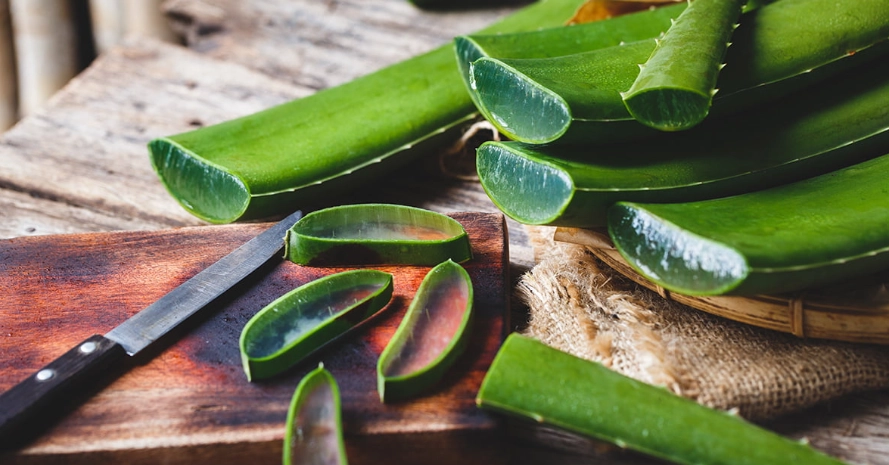
Your Aloe Vera Questions, Answered
 Should I fertilize my aloe vera plant? Everyone says not to.
Comments