You brought home a dracaena because everyone said it was easy. A "bulletproof" houseplant. Now the tips are turning brown, a leaf or two is yellowing, and you're worried you've got another plant casualty on your hands. Sound familiar? Here's the truth: dracaenas are resilient, but they communicate their needs in subtle ways most beginner guides miss. I've killed my share by following oversimplified advice. The real secret isn't just neglect; it's understanding what "easy care" actually means for this diverse plant family.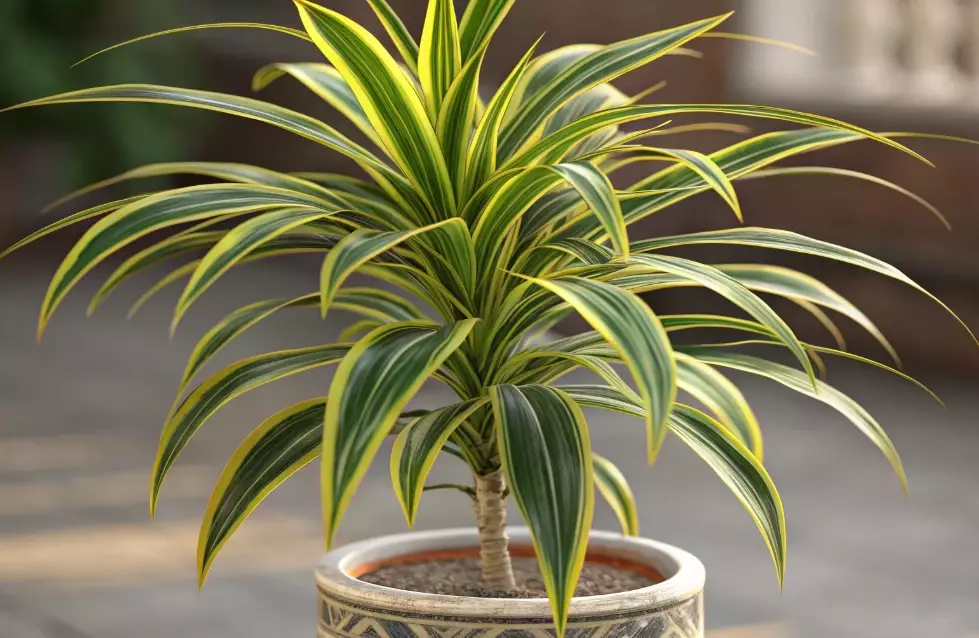
What You'll Learn in This Guide
Know Your Dracaena: It's Not One Plant
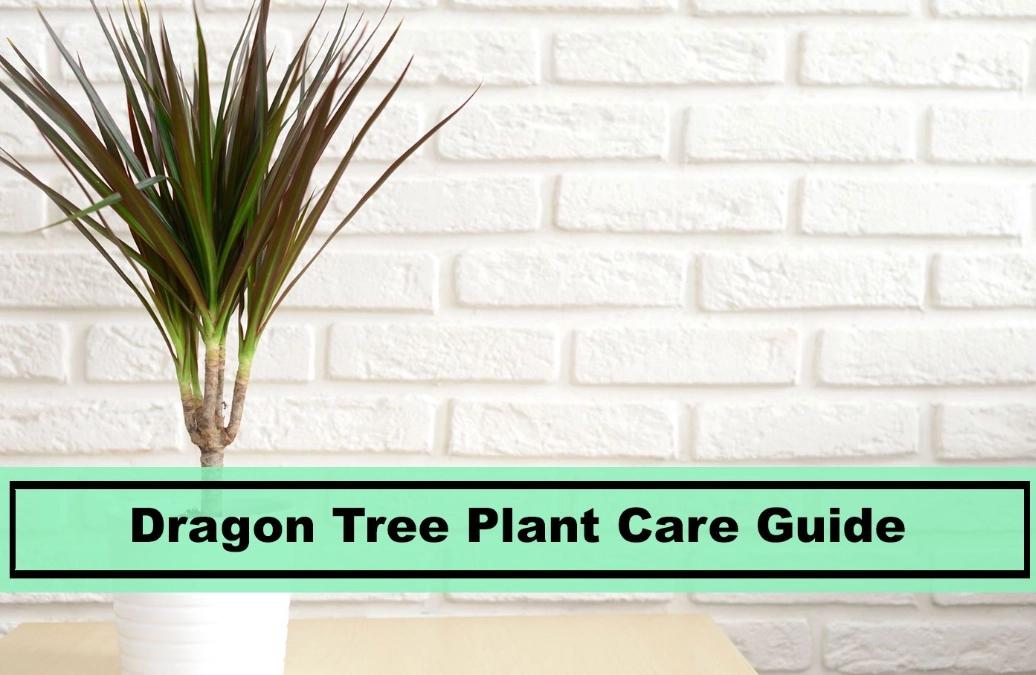
Calling a plant a "dracaena" is like calling a dog a "dog." The care nuances change with the breed. The tall, spiky Dracaena marginata (Madagascar Dragon Tree) has different light tolerance than the broad, striped leaves of a Dracaena fragrans (Corn Plant). A Dracaena compacta is denser and slower-growing. If you don't know which one you have, you're guessing on its needs. Look for the label, or match it to photos online. This is step zero.
My first dracaena was a marginata. I treated it like a succulent because of its thin leaves. Wrong move. While it's drought-tolerant, it still wanted more humidity than my cactus shelf provided.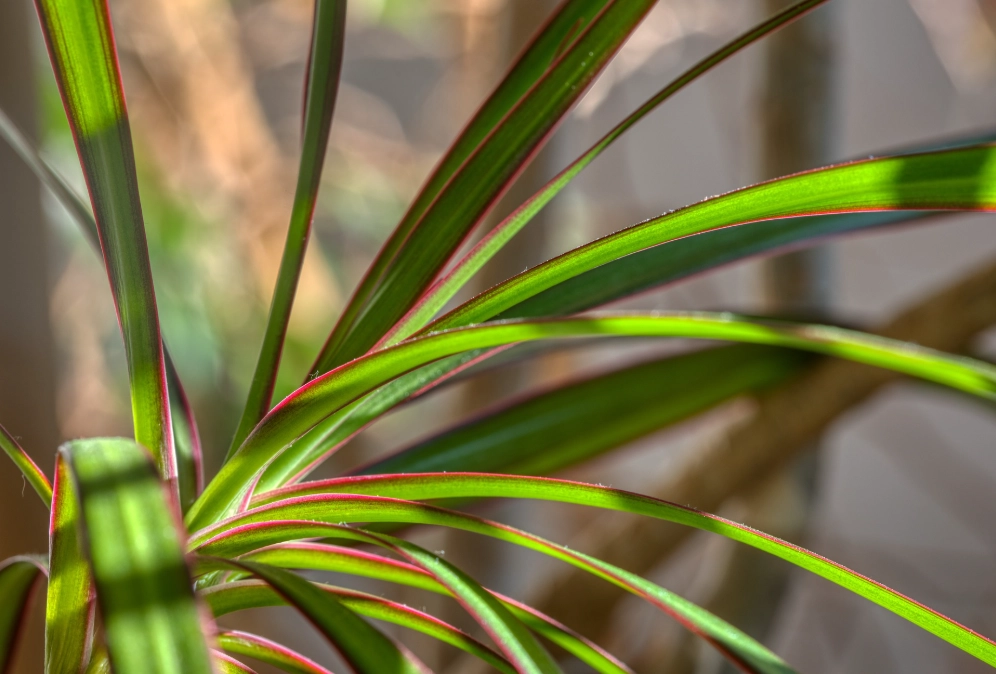
Setting Up the Perfect Environment
Get the location right, and half your care battles disappear.
How Much Light Does a Dracaena Really Need?
"Low light" is the biggest misconception. They tolerate low light but thrive in bright, indirect light. A spot near an east or north-facing window is ideal. A few feet back from a south or west window works too. Direct afternoon sun will scorch the leaves, leaving bleached, dry patches. If the new growth is slow and the leaves are spaced far apart on the stem, it's begging for more light.
The Temperature and Humidity Sweet Spot
Dracaenas enjoy the same temperatures you do: between 65°F and 80°F (18°C - 27°C). The killer is drafts. Keep them away from heating vents, air conditioning blasts, and leaky windows. As for humidity, average home humidity (around 40%) is usually fine, but brown leaf tips are a classic cry for more. Grouping plants together or using a pebble tray can help. I find misting to be a temporary fix that can promote fungal issues if overdone.
The Art (Not Science) of Watering Your Dracaena
Overwatering is the number one killer, but underwatering causes its own drama. Forget a strict schedule.
Here's my method: Stick your finger into the soil, down to about the second knuckle. If it feels dry, water thoroughly. If it's still damp, wait. For most home environments, this means watering every 1-2 weeks in summer and every 3-4 weeks in winter. The pot must have drainage holes. Water until it runs out the bottom, then let the pot drain completely. Never let it sit in a saucer of water.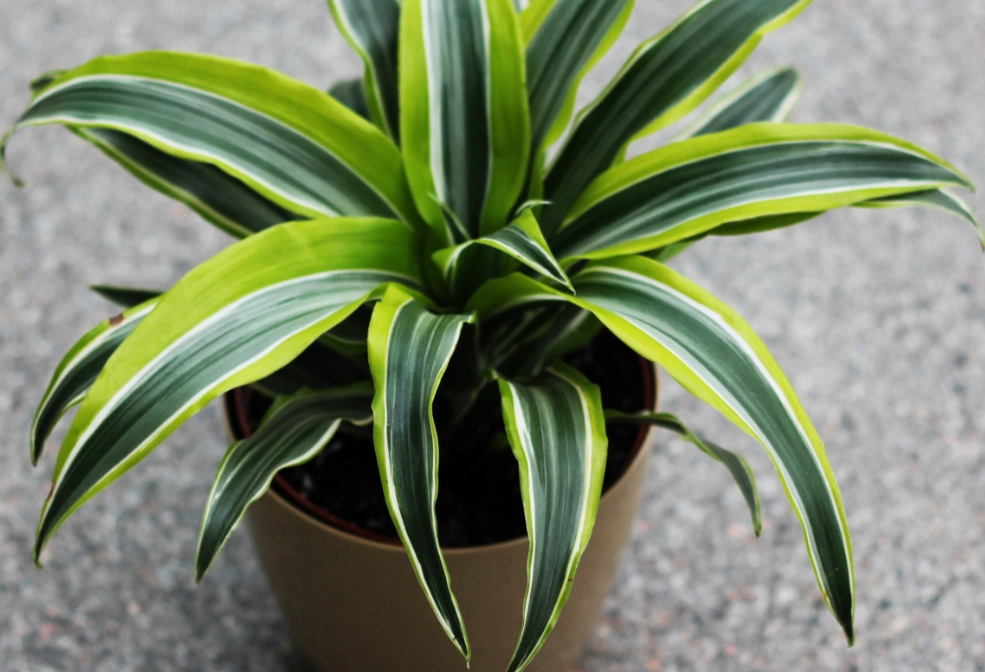
The Water Quality Issue Nobody Talks About
Dracaenas are sensitive to fluoride and salts found in tap water. This is a prime cause of those mysterious brown leaf tips, even when your watering is perfect. If your tap water is fluoridated, use filtered water, distilled water, or collected rainwater. I switched to leaving tap water out overnight for 24 hours before watering, which helps some, but filtration is better.
| Symptom | Likely Cause | Quick Fix |
|---|---|---|
| Yellowing lower leaves, soft stems | Overwatering / Root Rot | Stop watering. Check roots. Repot if mushy. |
| Brown, crispy leaf tips | Low humidity / Fluoride in water | Use filtered water. Increase ambient humidity. |
| Pale, bleached leaves or dry spots | Too much direct sun | Move to a spot with bright, indirect light. |
| Leaf drop, wilting | Underwatering / Cold draft | Check soil moisture. Move away from drafts. |
Soil and Food: The Support System
Dracaenas need well-draining soil that holds some moisture but doesn't stay soggy. A standard potting mix with added perlite or orchid bark works great. I use two parts regular potting mix to one part perlite.
Fertilize sparingly. These aren't heavy feeders. A balanced, water-soluble houseplant fertilizer (like a 10-10-10) diluted to half strength, applied once a month during the growing season (spring and summer), is plenty. Do not fertilize in fall and winter. Over-fertilization leads to salt buildup in the soil, which burns the roots and mimics overwatering symptoms.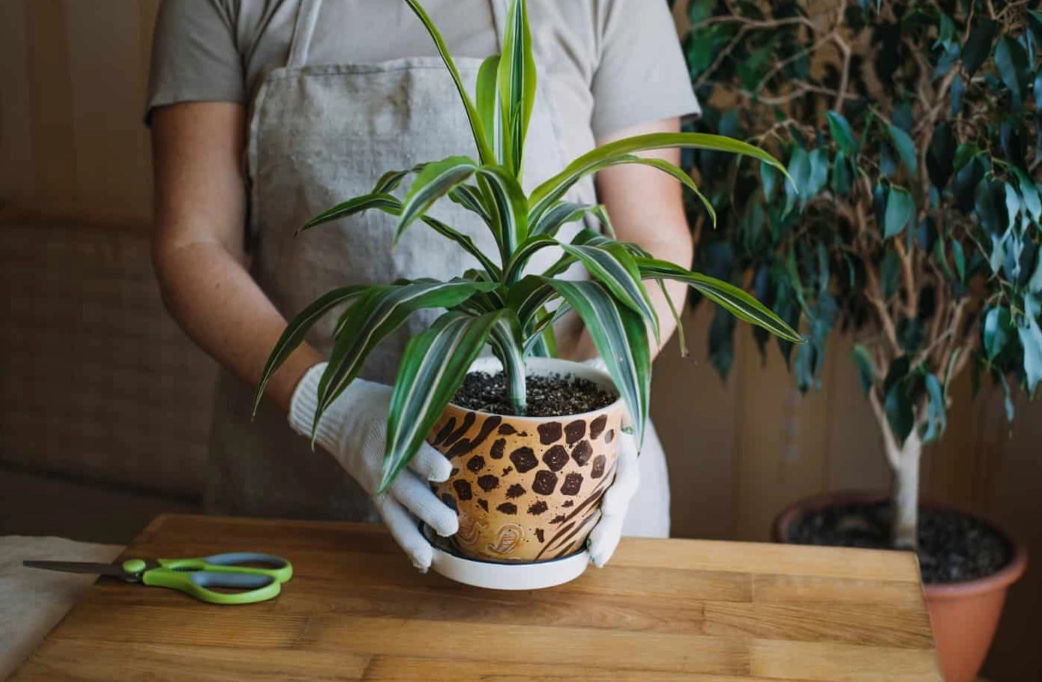
Shaping and Sharing: Pruning & Propagating
Your dracaena gets leggy? Don't panic. Pruning encourages bushier growth. Use clean, sharp shears to cut the stem to your desired height. New shoots will emerge from just below the cut.
The cool part? You can propagate the piece you cut off.
- Stem Cutting: Let the cut end callous over for a day. Then, place it in a jar of water or directly into moist soil. Roots should appear in a few weeks.
- Air Layering: For a more advanced method on a tall, bare stem, you can encourage roots to grow while the stem is still attached to the plant.
I've had more success with water propagation. It's satisfying to see the roots grow.
Reading the Leaves: A Troubleshooting Guide
Pests are rare but possible. Look out for:
Spider mites: Fine webbing, stippled leaves. Wipe leaves with a damp cloth, increase humidity, or use insecticidal soap.
Mealybugs: White, cottony masses. Dab with a cotton swab dipped in rubbing alcohol.
Most issues are cultural. Refer to the table above. The plant is talking to you.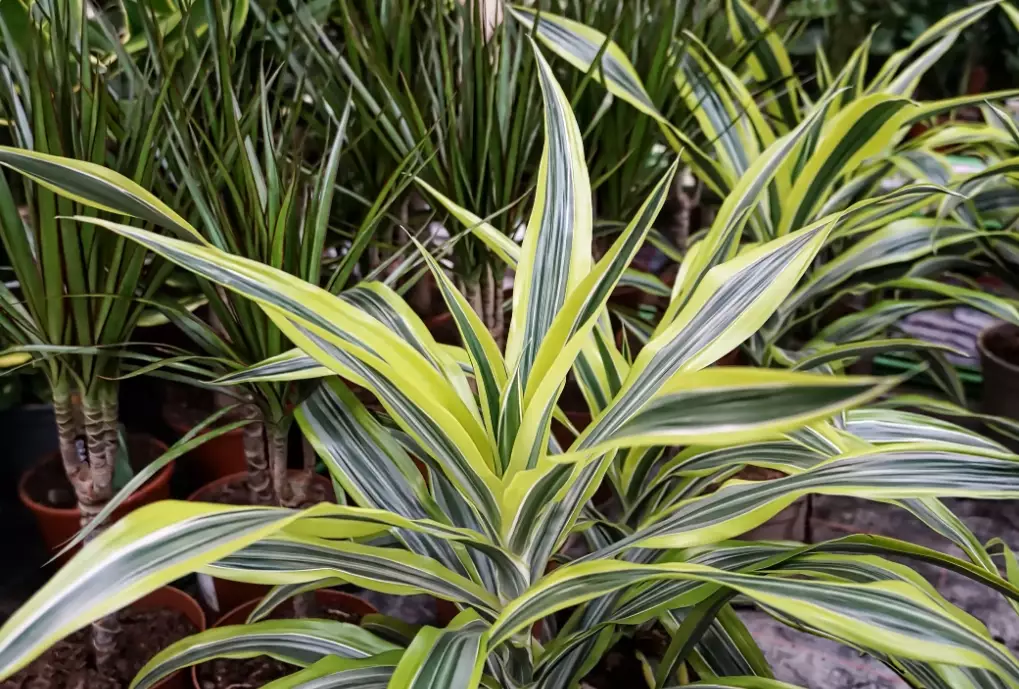
Your Dracaena Questions, Answered
 My dracaena lost most of its lower leaves, and now it's just a tall, bare cane with a tuft on top. Can I save it?

Comments