Quick Guide
- What Exactly Is a Large Jade Tree?
- How to Pick the Perfect Large Jade Plant
- The Non-Negotiables: Caring for Your Large Jade Tree
- Troubleshooting: What's Wrong With My Jade?
- Shaping and Pruning: Making It a "Tree"
- Fertilizing, Temperature, and Other Tidbits
- Frequently Asked Questions (The Stuff You Really Want to Know)
Let's talk about the large jade tree. You've probably seen it—those thick, woody stems holding up plump, glossy green leaves that look almost fake in their perfection. Maybe you've admired one in a friend's sunny living room or a fancy hotel lobby and thought, "I want one of those." But then the doubts creep in. Isn't it just a succulent? Will it really get that big? And the big one: how on earth do I keep it alive?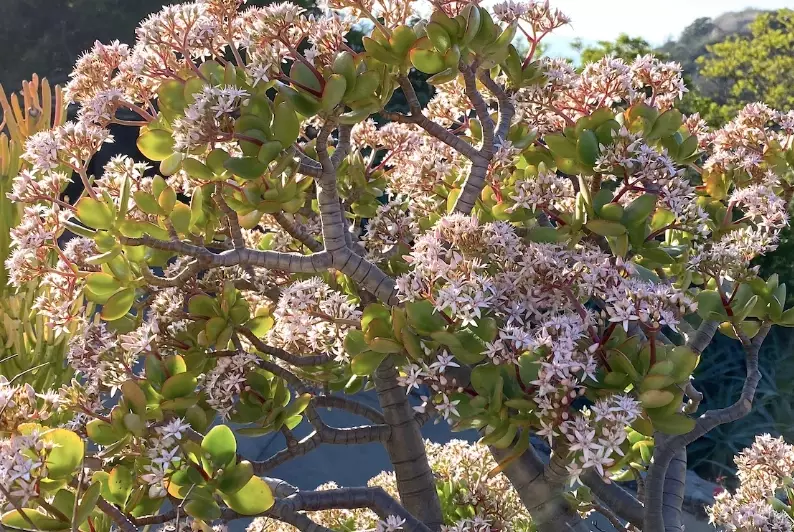
I get it. I've been there. I've also killed my fair share of plants, jade plants included, before figuring things out. The truth is, a mature large jade tree (Crassula ovata, if we're being formal) is one of the most rewarding and forgiving houseplants you can own. It's not just a plant; it's a piece of living sculpture that can stick with you for decades. This guide is everything I wish I'd known when I started. We're going to move past the basic "water it sometimes" advice and dig into what it really takes to not just keep a large jade plant alive, but to help it thrive and become a true centerpiece.
What Exactly Is a Large Jade Tree?
First, let's clear something up. When we say "large jade tree," we're not talking about a seedling in a 2-inch pot. We're talking about a plant that has transitioned from a succulent bush into a tree-like form. This means a thick, sturdy trunk (or several), a defined structure, and a significant presence. Typically, we're looking at plants that are at least 18 inches tall, but true specimen plants can be 3 feet, 4 feet, or even taller, often in containers 10 inches in diameter or more.
It's a succulent native to South Africa, which tells you a lot about what it likes: lots of sun and not a lot of fuss. Those thick leaves are water reservoirs. The tree-like growth is a sign of age and stability. Owning a large jade plant is like having a slow-motion pet. You watch it change gradually over seasons and years, which is oddly satisfying in our fast-paced world.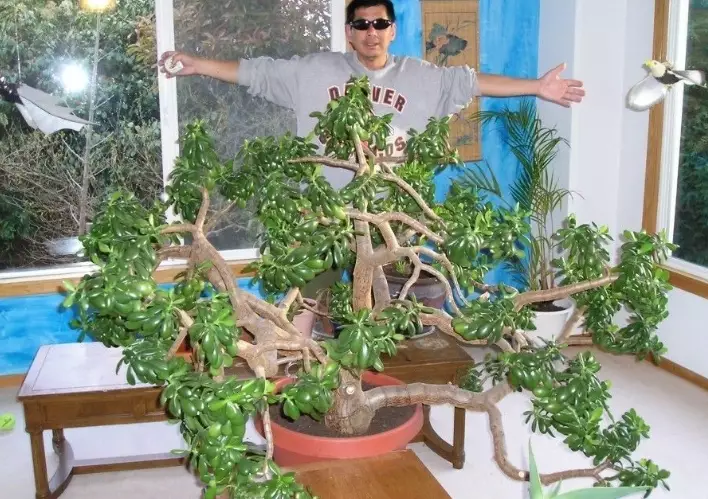
How to Pick the Perfect Large Jade Plant
This might be the most important step. A healthy start makes everything easier. You can find them at garden centers, specialty nurseries, and of course, online. But you can't just pick the tallest one.
Here’s what your inspection checklist should look like:
- Leaves: They should be a vibrant jade green (sometimes with red edges if it gets enough sun). Watch out for yellowing leaves, black spots, or lots of dropped leaves at the base. A few old leaves shedding is normal; a carpet of them is a red flag.
- Stems and Trunk: This is crucial for a large jade tree. The trunk should be firm, not squishy. Check the base where it meets the soil—this is where rot often starts. Look for a sturdy, balanced shape. A plant that's already leaning heavily might have weak roots or have been grown in poor light.
- Roots (if possible): Gently tip the pot (ask the nursery staff first!). The roots should be light in color and look healthy, not dark, mushy, or smelling foul. The plant shouldn't be bursting out of its pot or be so rootbound that it's a solid mass.
- Pests: Get up close. Look under the leaves and in the nooks of the stems for tiny bugs like mealybugs (they look like little bits of white fluff) or scale (small, brown, bumpy discs). A large jade plant is a pest magnet if it's been stressed.
I made the mistake once of falling for a huge, cheap jade at a big-box store. It was rootbound beyond belief. When I finally repotted it, the roots were a tangled, suffocated mess, and the plant never really recovered. It's better to pay a bit more for a healthy plant from a reputable grower.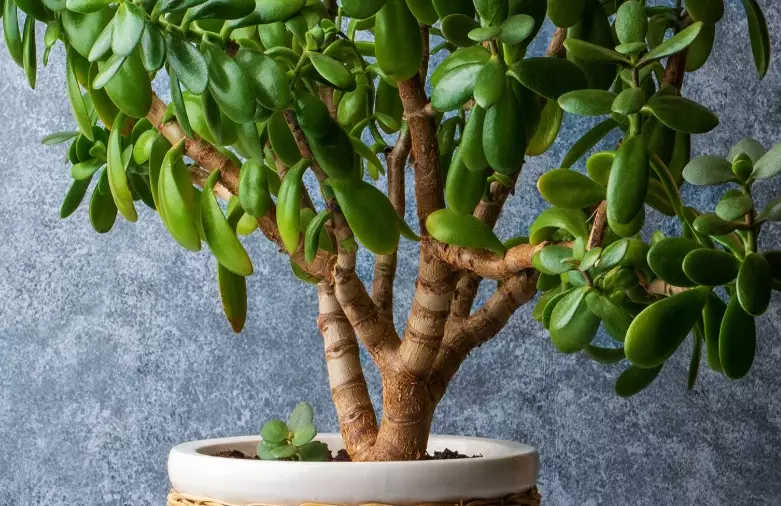
Where to Buy: A Quick Comparison
| Source | Pros | Cons | Best For |
|---|---|---|---|
| Local Garden Center/Nursery | You can inspect the plant in person. Often healthier, acclimated to local conditions. Get expert advice. | Can be more expensive. Selection might be limited. | First-time buyers, finding a truly healthy specimen. |
| Online Specialty Retailers | Huge variety (variegated, 'Gollum', 'Hobbit' types). Can find very large, mature specimens. | Shipping stress for the plant. Can't inspect before buying. Expensive shipping for large plants. | Finding specific, rare cultivars or very large statement plants. |
| Big-Box Stores (Home Depot, Lowe's) | Inexpensive. Convenient. | Often overwatered, poor soil, pest-prone. Care labels are generic and often wrong. | If you're experienced and know how to rehab a plant. Risky for beginners. |
| Local Plant Groups/Swap | Very inexpensive or free. Can get cuttings from proven, healthy plants. | You'll start with a smaller plant or cutting. Takes time to grow large. | The patient gardener who enjoys the journey from small to large. |
The Non-Negotiables: Caring for Your Large Jade Tree
Okay, you've brought your new green friend home. Now what? Forget the complicated schedules. Jade plant care boils down to a few simple, critical factors. Get these right, and you're 90% of the way there.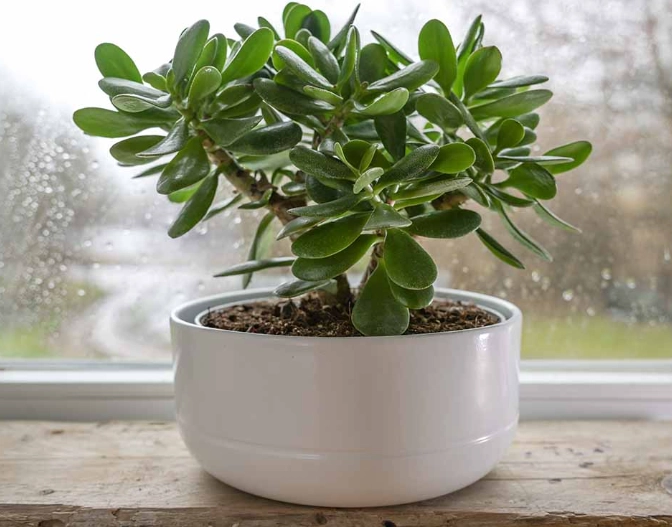
Light: The Make-or-Break Factor
This is the biggest thing people get wrong. A large jade tree needs bright, direct light. Not indirect. Not medium. Bright. A south-facing or west-facing window is ideal. East can work, but north is usually a recipe for a stretched-out, weak plant.
Signs it's not getting enough light:
- New growth is spaced out and leggy (the plant is "reaching").
- The leaves are a flat, dark green without any reddish tinge on the edges.
- The plant grows very slowly or not at all.
- It becomes top-heavy and unstable.
If you don't have a super sunny spot, don't despair. You can use a grow light. I've had to do this in a darker apartment, and it made a world of difference. Just get a decent full-spectrum LED and have it on for about 12-14 hours a day.
Watering: The Art of Neglect
Overwatering is the #1 killer of jade plants, especially large ones in big pots. You must, must, must let the soil dry out completely between waterings. I mean completely.
Here's my foolproof method:
- Stick your finger in the soil—go down at least 2 inches, or better yet, to the second knuckle. If it feels even slightly damp, wait.
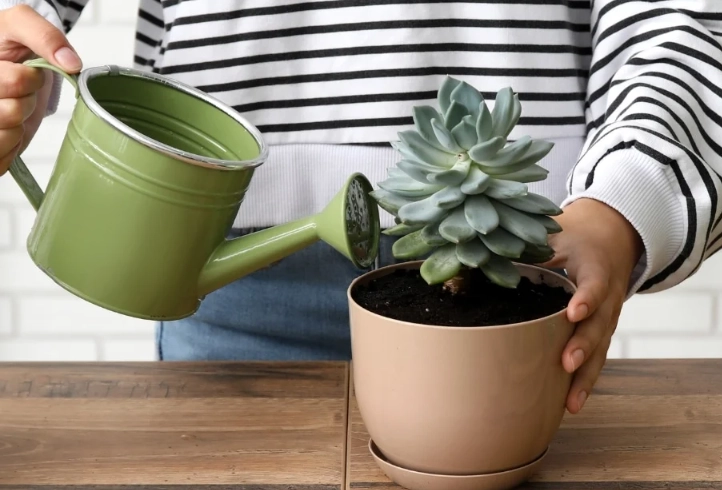
- When it's bone dry, water thoroughly. Take it to the sink or outside and pour water until it runs freely out of the drainage holes. This ensures the entire root ball gets moisture.
- Let it drain completely. Never let it sit in a saucer of water. Empty the saucer after 15-20 minutes.
How often? In the summer, with lots of sun and heat, my large jade might need water every 10-14 days. In the winter, when it's cool and light is low, it can go 4-6 weeks, sometimes longer. The leaves are your best gauge. A well-hydrated jade has firm, plump leaves. If they start to get a little soft or slightly wrinkled, it's telling you it's ready for a drink.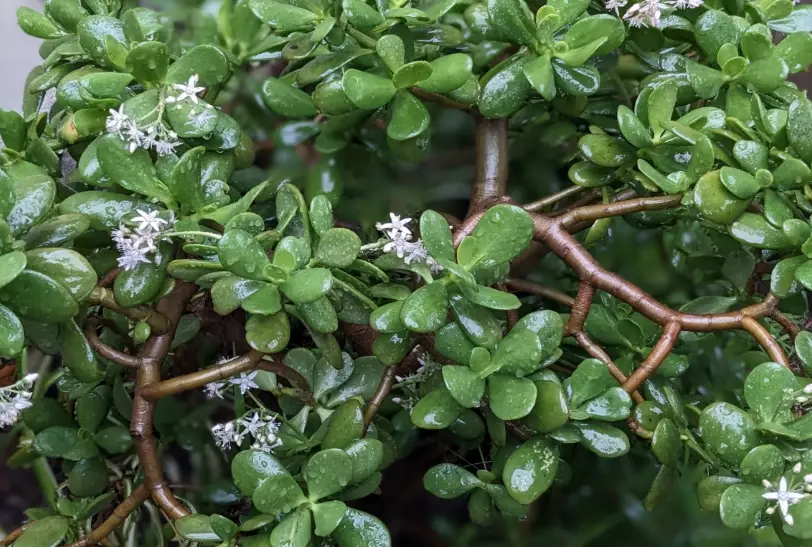
Soil and Potting: Giving Roots Room to Breathe
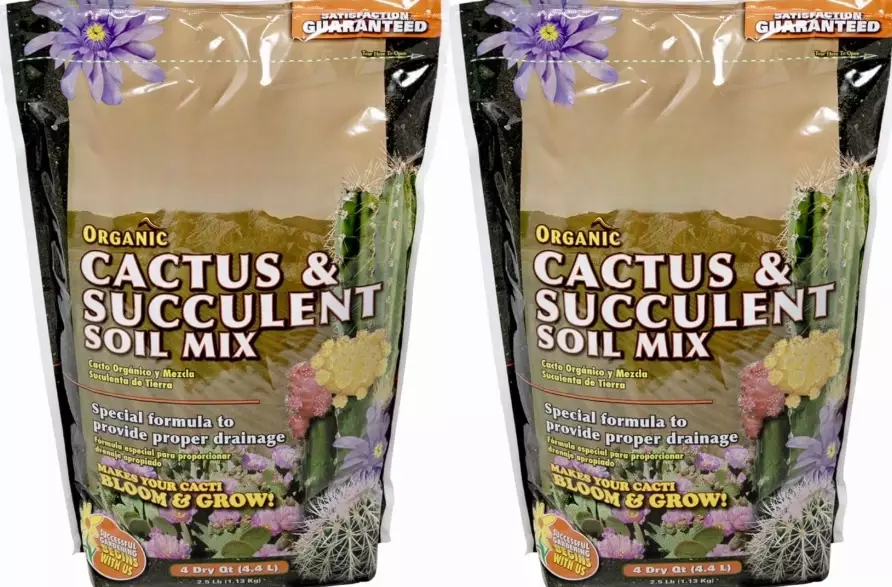
A large jade plant needs fast-draining soil. Regular potting soil holds too much moisture and will suffocate the roots. You need a cactus/succulent mix. Even then, I like to mix it up to make it even grittier.
My personal mix (it works wonders):
- 50% good-quality cactus/succulent potting mix
- 25% perlite (for aeration)
- 25% coarse sand or poultry grit (for drainage and weight)
The pot is just as important. Drainage holes are non-negotiable. Terracotta pots are fantastic for jades because they're porous and help wick away extra moisture, reducing the risk of rot. For a really large jade tree, a heavy pot (like ceramic or concrete) is good to prevent it from tipping over, but you have to be extra careful with watering.
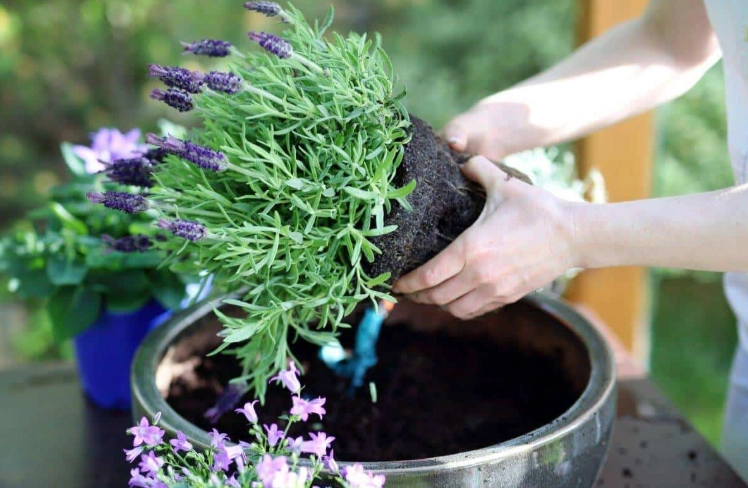
Repotting? Don't do it too often. Jades like to be slightly rootbound. Every 3-4 years is usually plenty for a mature plant. When you do repot, only go up one pot size (about 2 inches larger in diameter).
Troubleshooting: What's Wrong With My Jade?
Even with the best care, things can go sideways. Here's a quick decoder for common problems with a large jade tree.
Dropping Leaves
This causes panic, but it's common. If leaves are plump and green when they drop: It's probably overwatering. Let the soil dry out completely. If leaves are shriveled and dry when they drop: It could be underwatering (less common) or, more likely, a sudden change—a draft, being moved, a big temperature swing. Jades hate change. Give it stable conditions.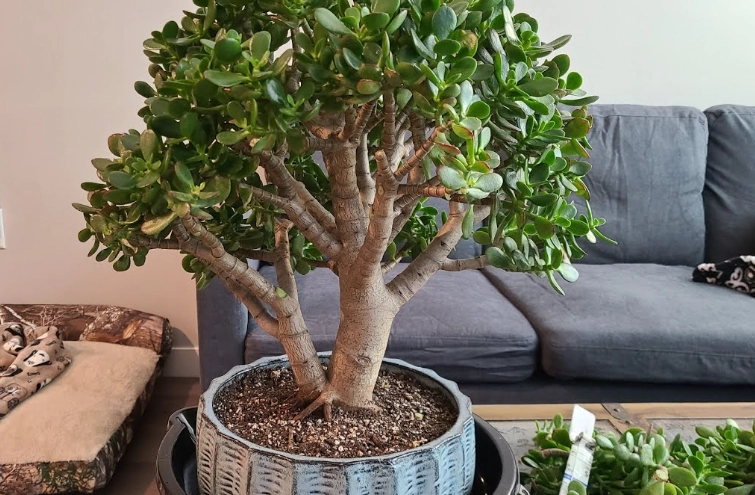
Soft, Mushy Stems or Leaves
This is bad news: root rot. It's from chronic overwatering. You might smell a foul odor from the soil. You have to act fast. Take the plant out of the pot. Cut away any black, mushy roots and stems with a sterile knife. Let the healthy parts dry and callous over for a few days, then repot in fresh, dry succulent mix. Don't water for at least a week. This is a race against time.
Leggy, Stretched Growth
Not enough light. It's that simple. The plant is stretching to find the sun. You can prune it back (see below) and move it to a much brighter location. New growth should be more compact.
Mealybugs
Those little white cottony bugs. They love jades. For a light infestation, dip a cotton swab in rubbing alcohol and dab each bug. For a larger problem on a big jade plant, you might need to use an insecticidal soap or a systemic insecticide. Isolate the plant immediately to keep them from spreading.
Shaping and Pruning: Making It a "Tree"
This is the fun part. A jade doesn't automatically grow into a nice tree shape; you have to guide it. Pruning encourages branching, creates a thicker trunk, and maintains the shape you want.
When to prune: Spring or early summer is best, when the plant is actively growing and can heal quickly.
How to do it: Use clean, sharp pruning shears or scissors. Look for a leaf node (the little bump on the stem where leaves grow). Cut just above a node. Two new branches will usually sprout from that point. You can remove lower branches to emphasize the trunk. Don't be scared! Jades are tough. I once pruned back a third of my plant, and it came back bushier and better than ever.
What about the cuttings? Don't throw them away! Let the cut end dry for a few days, then stick it in some succulent soil. Boom—you've just propagated a new plant. It's incredibly easy.
Fertilizing, Temperature, and Other Tidbits
Fertilizer: Less is more. Feed your large jade tree with a balanced, water-soluble fertilizer (like a 10-10-10) diluted to half-strength. Do this only during the growing season (spring and summer), about once a month. Don't fertilize in fall and winter. Over-fertilizing leads to weak, soft growth.
Temperature: They like the same temperatures you do—between 65°F and 75°F (18°C - 24°C) is ideal. They can tolerate down to about 50°F (10°C) but will go dormant. Protect them from frost at all costs. A single freeze can kill a mature plant.
Flowering: Did you know jades can flower? Mature, happy plants produce clusters of tiny, star-shaped white or pink flowers in the winter. The trigger is a combination of age, bright light, cool nights (around 55°F/13°C), and dry conditions in the fall. It's a special treat when it happens.
Frequently Asked Questions (The Stuff You Really Want to Know)
Bringing home a large jade tree isn't just buying a plant; it's starting a long-term relationship. There will be good seasons and slow seasons. You might overwater it once and have to fix your mistake. You'll definitely spend time turning it so it grows evenly. But the payoff is immense. You get a stunning, architectural plant that purifies your air, teaches you patience, and becomes a living heirloom. It's not the flashiest plant, but it has a quiet, sturdy confidence that I just love.
Start with a healthy plant, give it tons of light, water it only when it's bone dry, and don't fuss over it too much. Do that, and your large jade tree will be a source of green pride for years to come.
Comments