Think you need a sprawling garden or a sunny hillside in Provence to grow lavender? Think again. Growing lavender in containers is entirely possible, and honestly, for many of us, it's the smarter choice. I've been growing lavender in pots on my patio and balcony for over a decade, and I've learned the hard way what works and what leads to a sad, soggy, grey mess. The secret isn't just throwing a plant in a pot; it's about mimicking the harsh, dry, rocky Mediterranean conditions lavender loves. This guide cuts through the fluff and gives you the actionable, specific steps to keep your potted lavender not just alive, but thriving and bursting with fragrance.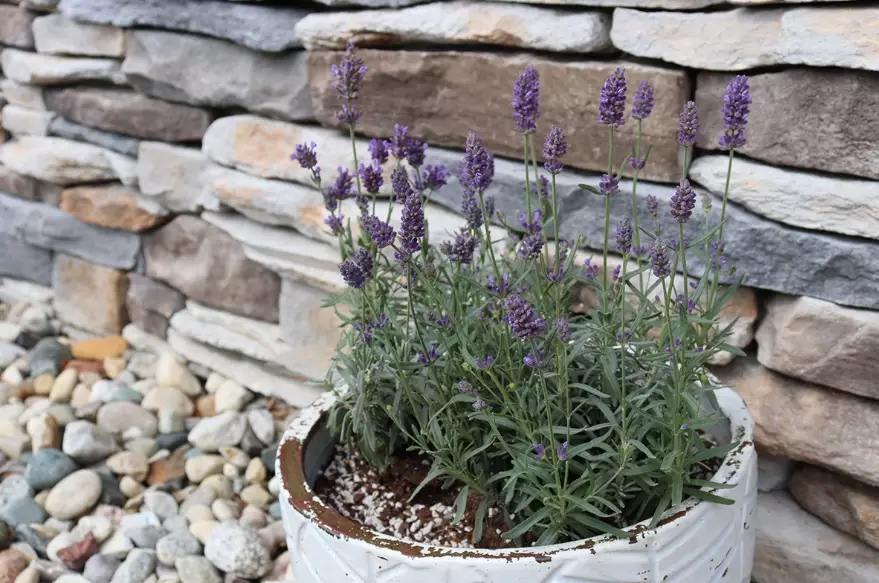
What's Inside This Guide?
- Why Grow Lavender in Containers?
- Choosing the Right Pot: It's All About Drainage
- The Soil Mix Secret Most Beginners Miss
- Picking Your Lavender: Top Varieties for Pots
- Step-by-Step Planting & Initial Care
- Watering Rules: The #1 Killer of Potted Lavender
- Sunlight, Feeding, and The Art of Pruning
- Overwintering Potted Lavender (Crucial for Cold Climates)
- Troubleshooting: Why Is My Potted Lavender Dying?
- Your Burning Questions Answered
Why Grow Lavender in Containers?
Let's be real. Not everyone has perfect garden soil. Mine is heavy clay – a death sentence for lavender's roots which demand sharp drainage. Containers give you complete control. You can create the perfect gritty, lean soil mix. You can move the pot to chase the sun or shelter it from relentless rain. It's perfect for patios, balconies, small courtyards, or even by your front door. Plus, elevating the fragrant blooms brings them closer to nose level. The main drawback? Containers dry out faster and offer less insulation to roots in winter, but we'll solve both those issues.
Choosing the Right Pot: It's All About Drainage
This is non-negotiable. More lavender plants die from "wet feet" than anything else.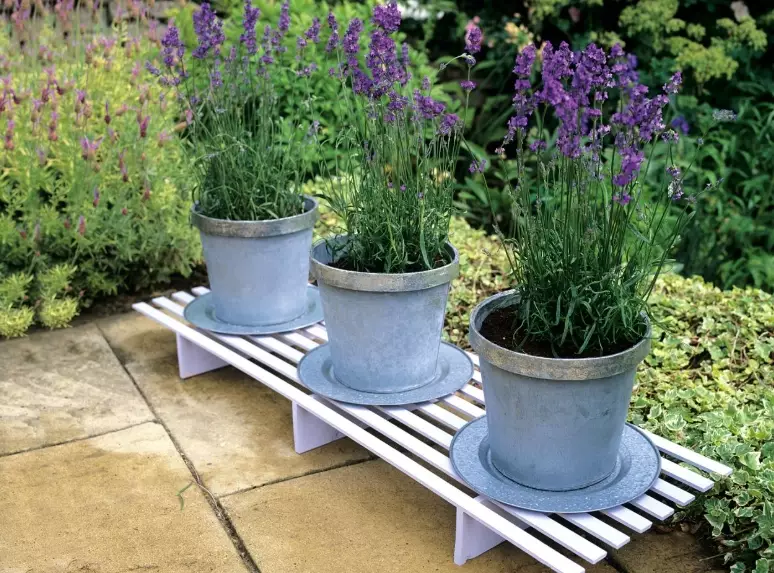
Material Matters:
- Terracotta or Clay: My personal favorite. They're porous, allowing soil to breathe and dry out more evenly, which lavender loves. They're heavier, which is good for stability but harder to move. The classic look pairs perfectly with lavender.
- Glazed Ceramic: Beautiful but less breathable. You must ensure they have excellent drainage holes. They retain moisture longer, so you need to be even more careful with watering.
- Plastic or Resin: Lightweight and cheap. They retain moisture the most. If you use these, you need an exceptionally gritty soil mix and to water much less frequently. I find they often lead to overwatering.
- Wood: Good breathability, but will eventually rot. Line with landscape fabric to prolong life.
The One Rule: Multiple drainage holes. One small hole in the center isn't enough. If your beautiful pot only has one, drill more. I use a masonry bit for ceramic. It's worth the effort.
The Soil Mix Secret Most Beginners Miss
Do not, under any circumstances, use regular potting soil or garden soil. It holds too much moisture and nutrients. Lavender thrives on neglect in fast-draining, nutrient-poor conditions.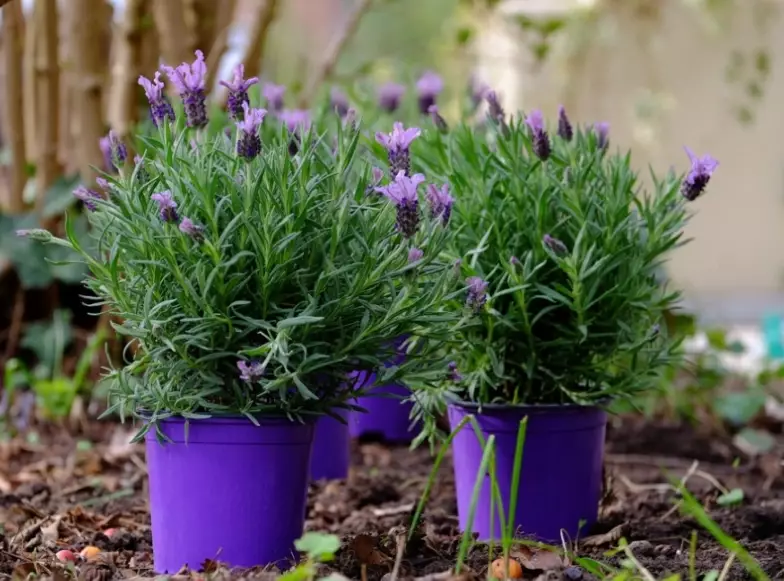
Here's my go-to recipe, perfected after many failed experiments:
- 60% Premium Potting Mix: Use a lightweight, peat-free or peat-based mix as your base. Look for one labeled for cacti or succulents as a good start.
- 30% Coarse Horticultural Grit or Perlite: This is the key. Grit (like chicken grit or pumice) creates permanent air pockets and improves drainage dramatically. Perlite works but can float to the top over time.
- 10% Coarse Sand or Fine Gravel: Builder's sand is okay, but horticultural sand is better. Avoid fine, beach-like sand as it can compact.
- A handful of Lime: Most lavender prefers slightly alkaline soil. A sprinkle of garden lime mixed in can help counteract acidic potting mixes.
Mix this thoroughly before planting. When you water it, the water should rush through immediately, not pool on the surface.
Picking Your Lavender: Top Varieties for Pots
Not all lavenders are created equal for container life. You want compact, bushy varieties that won't outgrow their space too fast.
| Variety | Type | Key Features for Containers | Hardiness Zone |
|---|---|---|---|
| 'Hidcote' | English Lavender (Lavandula angustifolia) | Compact, deep purple flowers, intense fragrance, very cold-hardy. A classic and reliable choice. | 5-9 |
| 'Munstead' | English Lavender (Lavandula angustifolia) | Slightly taller than 'Hidcote', lovely violet-blue flowers. Tough and adaptable. | 5-9 |
| 'Phenomenal' | Lavandin (Hybrid) | Exceptional tolerance to heat, humidity, and cold. Large, silvery foliage. Great if your climate is challenging. | 5-9 |
| 'Sweet' Lavender | English Lavender (L. angustifolia) | Prized for its sweet scent, used in culinary dishes. Compact growth habit. | 5-9 |
| Spanish Lavender (L. stoechas) | Spanish/Tender Type | Showy "rabbit ear" blooms, loves heat. Not as cold-hardy. Perfect for hot, dry patios. | 7-10 |
For most people starting out, you can't go wrong with 'Hidcote' or 'Munstead'. They're forgiving and proven.
Step-by-Step Planting & Initial Care
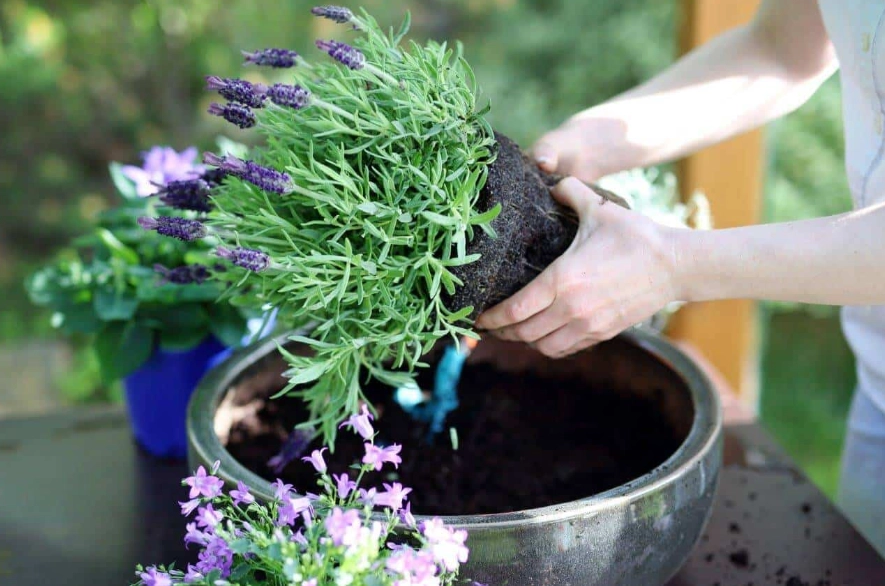
- Prep the Pot: Cover the drainage holes with a piece of broken pottery or a coffee filter to keep soil in while letting water out. Add a 1-2 inch layer of your gritty mix to the bottom.
- Prep the Plant: Gently tease out the roots if they're tightly wound (pot-bound). Don't be afraid to loosen them up; it encourages them to grow into the new soil.
- Planting Depth: Place the plant so the top of the root ball is level with the soil surface. Do not bury the crown (where stems meet roots) deeper than it was in its nursery pot. This invites rot.
- Fill & Firm: Fill around the sides with your soil mix, firming gently to remove large air pockets. Leave about an inch of space between the soil and the rim of the pot for watering.
- The First Water: Water thoroughly until it runs freely out the bottom. This settles the soil. Then, place the pot in its final sunny spot.
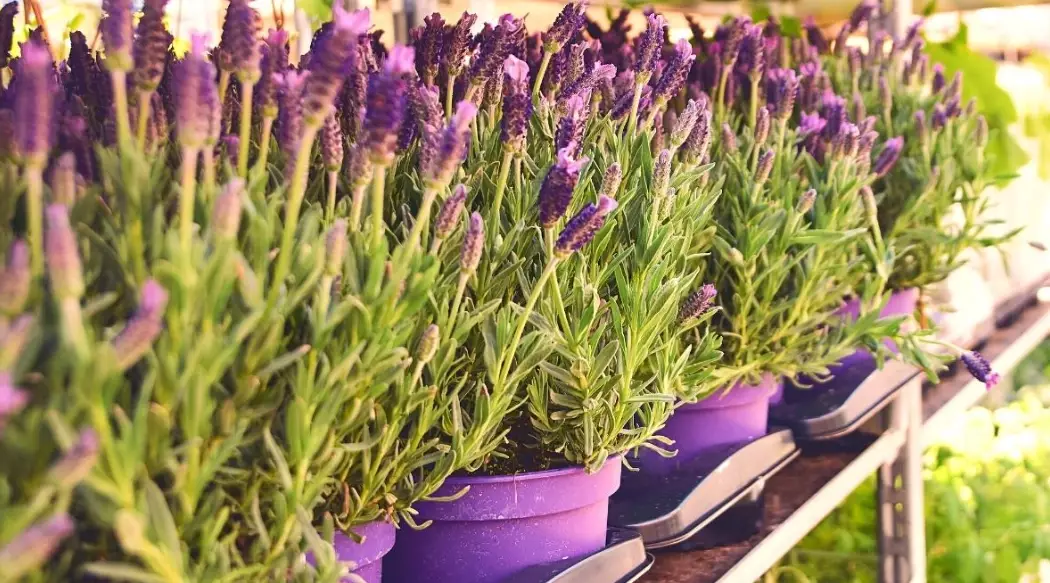
Watering Rules: The #1 Killer of Potted Lavender
This is where most people fail. Lavender is drought-tolerant. In a pot, you water deeply but infrequently.
How Often Should You Water Potted Lavender?
There's no weekly schedule. It depends on heat, wind, and pot size. The finger test is your best friend. Stick your finger into the soil up to the second knuckle. If it feels dry, water thoroughly. If it feels cool or moist, wait.
In hot summer, a mature plant in a terracotta pot might need water every 3-4 days. In spring and fall, it could be every 10-14 days. In winter, it might go a month or more without needing water. Always err on the side of underwatering.
Sunlight, Feeding, and The Art of Pruning
Sunlight: Lavender needs a minimum of 6-8 hours of direct, blistering sun per day. More is better. Less leads to leggy growth, fewer flowers, and a weaker plant.
Feeding (or Lack Thereof): Lavender is not a heavy feeder. In fact, too much fertilizer, especially nitrogen, promotes soft, leafy growth that's prone to disease and reduces fragrance. I feed mine once a year, in early spring, with a light sprinkle of slow-release, balanced organic fertilizer or a handful of compost scratched into the top of the soil. That's it.
Pruning: The Key to a Long-Lived, Bushy Plant
If you don't prune, lavender gets woody, leggy, and splits open in the center. It's ugly and shortens its life.
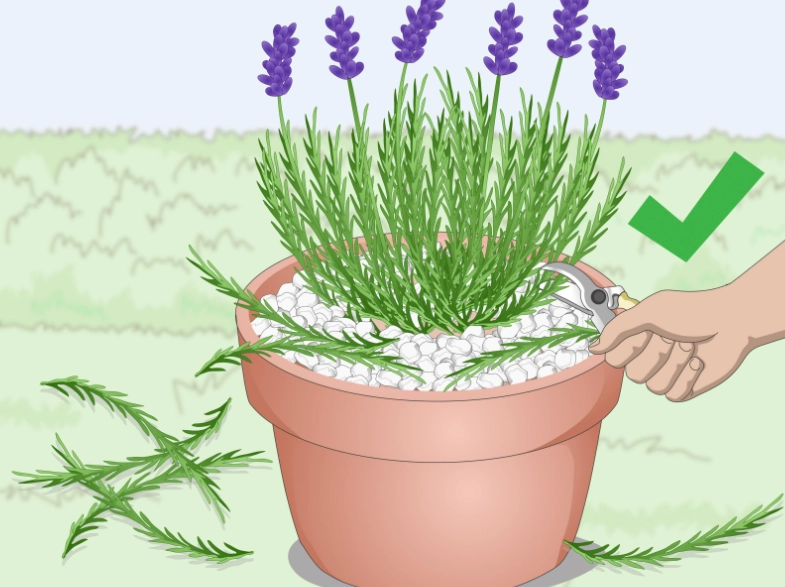
- Annual Hard Prune (Late Summer/Early Fall, after flowering): This is the big one. Using clean, sharp shears, cut back the entire plant by about one-third. Never cut into the old, bare wood where there are no green leaves, as it may not regrow. Aim to leave some green foliage on every stem you cut.
- Light Shape-Up (Spring): As new growth emerges, you can give it a light trim to shape it and encourage bushiness.
Pruning feels scary the first time, but it's a necessity. A well-pruned lavender plant can live happily in a container for 5-7 years or more.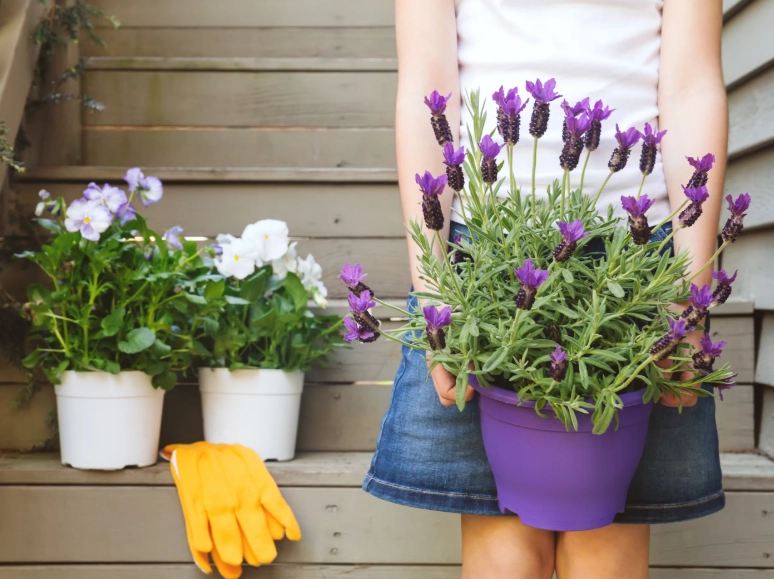
Overwintering Potted Lavender (Crucial for Cold Climates)
This is the other big challenge. Roots in a pot are much more exposed to freezing temperatures than roots in the ground.
For English lavenders (zones 5-9):
- Stop Fertilizing by late summer.
- Reduce Watering significantly in fall and winter. The plant is dormant.
- Provide Insulation: In zones 5-7, move the pot to a sheltered spot against a south-facing wall. You can wrap the pot in bubble wrap, burlap, or place it inside a larger pot filled with straw or leaves. The goal is to protect the roots, not necessarily the foliage.
- Avoid Heated Garages: Lavender needs a cold dormancy period. A cold garage, shed, or unheated greenhouse is better than a warm one.
For tender types (Spanish, French), bring them indoors to a bright, cool (50-60°F) spot for the winter, watering very sparingly.
Troubleshooting: Why Is My Potted Lavender Dying?
- Yellowing Leaves, Wilting: Classic overwatering. Check soil moisture. You may need to repot into a grittier mix if the soil is staying soggy.
- Brown, Crispy Leaves/Stems: Could be underwatering (check soil), but more likely it's winter damage from wet, cold conditions (crown rot). Improve drainage and winter protection.
- Leggy, Floppy Growth with Few Flowers: Not enough sun. Move it. Could also be too much fertilizer.
- Woody, Sparse Center: Lack of pruning. Start a careful pruning regimen, but don't cut back into completely bare wood all at once.
Your Burning Questions Answered
Can I grow lavender indoors in a container year-round?
My lavender in a pot flowered once and now looks sad. What happened?
 What are the best companion plants to put in a pot with lavender?
How do I harvest and use my potted lavender?
Comments