Quick Navigation
- Before You Snip or Split: The Golden Rules
- Your Propagation Toolkit: Choosing the Right Method
- Head-to-Head: Which Propagation Method Wins?
- The Aftercare: Don’t Kill Your Success
- Real Talk: Troubleshooting Your Propagation
- Digging Deeper: Your Questions Answered
- A Note on Names and Science
- Wrapping It Up: Your Path to More Snake Plants
Let’s be honest. You’ve got that one snake plant – sorry, Mother-in-Law’s Tongue, Sansevieria trifasciata if we’re being fancy – that’s just sitting there, being indestructible and looking sharp. And you’ve thought, "Hey, I could use one of these in the bathroom. Or the office. Or maybe I could give one as a gift." That’s the magic moment. The propagation itch. It’s a fantastic feeling, turning one plant into many. But if you’ve ever Googled "mother in law tongue plant propagation," you’ve probably seen a hundred different methods, some confusing, some downright contradictory.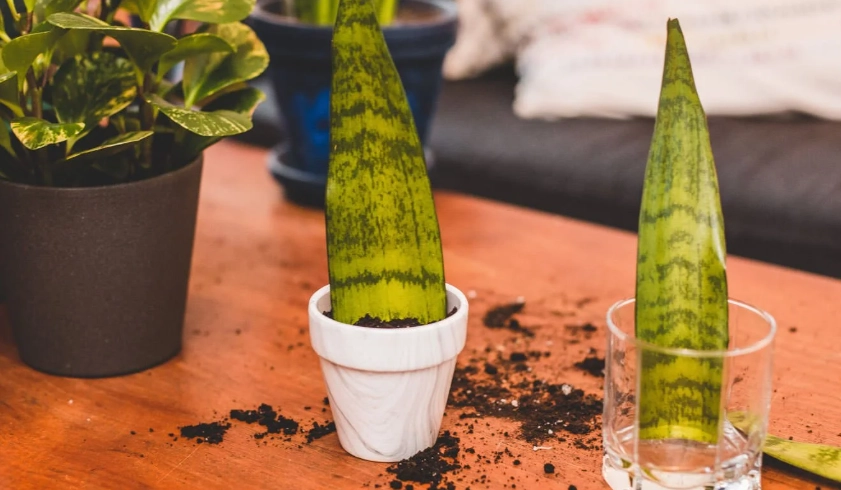
I’ve been there. I’ve cut leaves that just sat in soil for months doing nothing. I’ve overwatered a freshly divided plant into a mushy mess. It happens. But after years of trial and error (and a lot of patience), I’ve figured out what actually works, what doesn’t, and how to make the whole process as stress-free as possible for both you and the plant.
Quick Truth Bomb: Snake plants are slow. Everything about them is slow – growth, showing signs of distress, and yes, propagation. If you’re looking for instant gratification, this isn’t the plant for you. But if you want a deeply satisfying, almost foolproof project, you’re in the right place.
Before You Snip or Split: The Golden Rules
You can’t just go at your plant with scissors willy-nilly. Well, you can, but you might regret it. A little prep goes a long way.
First, timing. Spring and early summer are your best friends. The plant is naturally coming out of its winter dormancy and is primed to put out new growth (roots and pups). Trying to propagate a snake plant in the middle of a dark, cold winter is like asking someone to run a marathon while they’re sleeping. Possible? Maybe. Pleasant? No.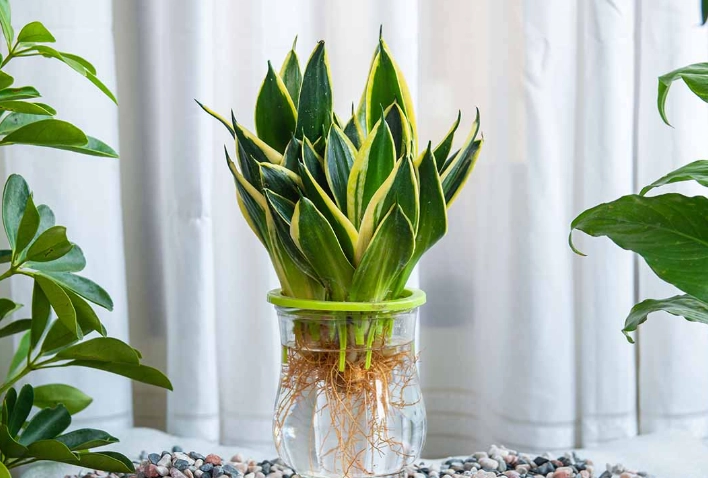
Second, your tools. A clean, sharp knife or a pair of pruning shears is non-negotiable. I just wipe mine down with some rubbing alcohol. It prevents transferring any nasties from one plant to another. Think of it like basic plant surgery hygiene.
Finally, choose a healthy parent plant. Don’t try to propagate from a sickly, struggling snake plant. It has enough on its plate. Pick one with firm, upright leaves and no signs of rot or major pest damage. A healthy start is everything.
Your Propagation Toolkit: Choosing the Right Method
Here’s the core of your mother in law tongue plant propagation journey. There are a few main roads you can take, and each has its own scenery and end result. It’s not one-size-fits-all.
Method 1: Division (The Surefire, Fast-Track Method)
This is my absolute favorite method, and the one I recommend to anyone who wants a guaranteed success that’s also relatively quick. This isn’t cutting leaves; this is separating a plant that’s already made babies for you.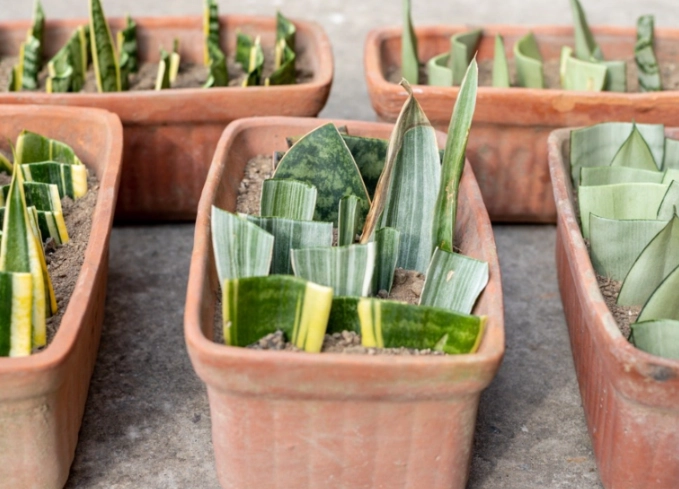
What you get: A perfect genetic clone of the mother plant, variegation and all. If your original snake plant has beautiful yellow edges, the new one will too.
Here’s how it works in practice. Over time, a healthy snake plant will send out underground stems called rhizomes. From these rhizomes, new shoots (called pups or offsets) will pop up right next to the mother plant. Your job is simply to gently separate them.
- Unpot the Plant: Gently tip the pot and coax the entire root ball out. You might need to tap the sides or run a knife around the edge if it’s root-bound.
- Locate the Pups: Brush away some soil to see where the pups are connected to the main plant. You’ll see they’re linked by a thick, pale rhizome.
- Separate: This is where your clean knife comes in. Gently cut through the rhizome, ensuring the pup has some roots of its own attached. Sometimes you can just gently wiggle and pull them apart with your hands if the connection is loose. Don’t worry about hurting it; these plants are tough.
- Pot Up: Plant your new baby in its own pot with fresh, well-draining cactus or succulent mix. Water it lightly to settle the soil, then… wait. Place it in bright, indirect light.
I divided a huge ‘Laurentii’ last spring, and within a couple of months, the pups were putting out new growth like nothing happened. It feels like magic, but it’s just good plant sense.
Method 2: Leaf Cuttings in Soil or Water (The Patient Gardener’s Project)
This is the classic method you see everywhere. You cut a leaf, stick it in soil or water, and wait for roots. It works, but there are some massive caveats you need to know.
First, you need to understand the genetics. If you take a leaf cutting from a variegated snake plant (like the classic ‘Laurentii’ with yellow stripes), the new plant that grows from that cutting will likely revert to the plain green form. The variegation is often a genetic trait that’s only stable through division or rhizome propagation. I learned this the hard way years ago, waiting months for a pup from a yellow-edged leaf, only to get a solid green one. It was still lovely, but not what I expected.
Steps for Leaf Cuttings:
- Select & Cut: Choose a healthy, mature leaf. Using your clean tool, cut it into sections about 2-3 inches long. This is crucial: note which end was closer to the soil. You must plant the bottom end (the end that was pointing down on the plant) into the soil/water. The end that was pointing up will not root. I mark mine with a tiny dab of permanent marker.
- The Callus: This is the most skipped, most important step. Let the cut ends dry out and form a callus for at least 1-3 days. If you stick a freshly cut, wet end into soil, it’s a fast track to rot.
- Rooting Medium: You have two main choices here.
- In Water: Stick the callused bottom end into a jar of water, ensuring only the very bottom is submerged. Change the water weekly to keep it fresh. You’ll see roots in a few weeks, and eventually, a tiny pup (rhizome and shoot) will form at the base. Wait until the pup has some size before potting in soil.
- In Soil: Insert the callused end about an inch into a pot of moist, well-draining mix. Do not keep the soil soggy. Water only when the soil is completely dry. This method skips the water-to-soil transition but requires more faith, as you can’t see the roots growing.
The Waiting Game: Whether in water or soil, this method is slow. We’re talking months before you see a significant pup. Don’t tug on it to check for roots. Just provide bright light and forget about it (mostly).
Method 3: The “Just Leave It” Method (Rhizome Cuttings)
This is a lesser-known but highly effective hybrid method. If you’re dividing a plant and you cut a piece of rhizome that doesn’t have a leaf attached, don’t throw it away! That rhizome chunk has all the potential to sprout a new plant.
Just lay the rhizome piece horizontally on top of moist soil, partially bury it, and keep it in a warm spot. Mist the soil lightly when it dries out. Given time, it will often send up a new shoot. It feels like you’re growing a plant from a potato, and it’s weirdly satisfying.
Head-to-Head: Which Propagation Method Wins?
Let’s break this down clearly. Different goals call for different tactics.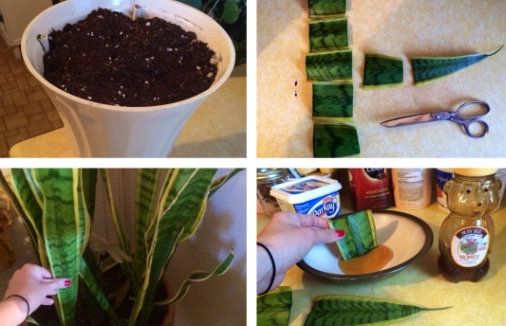
| Method | Best For | Speed | Success Rate | Keeps Variegation? | Skill Level |
|---|---|---|---|---|---|
| Division | Getting mature plants fast, preserving exact traits | Fast (Established plant immediately) | Very High | YES | Beginner |
| Leaf Cuttings (Soil/Water) | Making many plants from one leaf, experimental fun | Very Slow (3-6+ months) | Medium-High | NO* | Intermediate |
| Rhizome Propagation | Using every part of the plant, advanced projects | Slow | Medium | YES | Intermediate |
*Leaf cuttings from variegated types usually revert to green.
The Aftercare: Don’t Kill Your Success
You’ve done the hard part. Now, the biggest killer of newly propagated snake plants is… kindness. Specifically, overwatering.
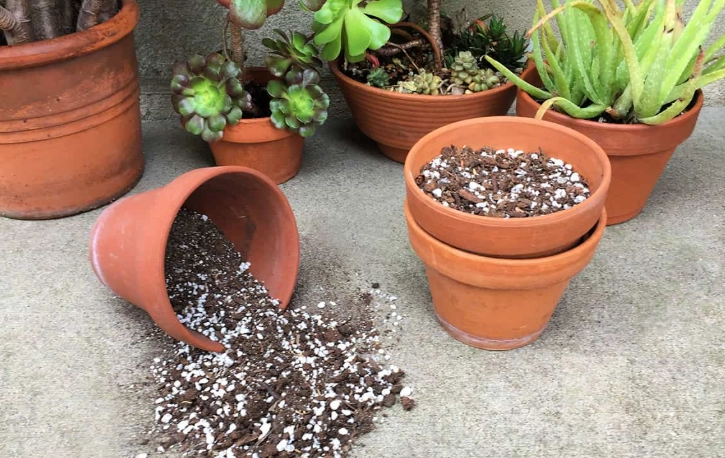
Your new pup or cutting has a tiny root system. It cannot handle wet soil. Treat it like a mature snake plant, but be even more stingy with water. Use a pot with a drainage hole – non-negotiable. Use a gritty, fast-draining mix (cactus/succulent soil is perfect).
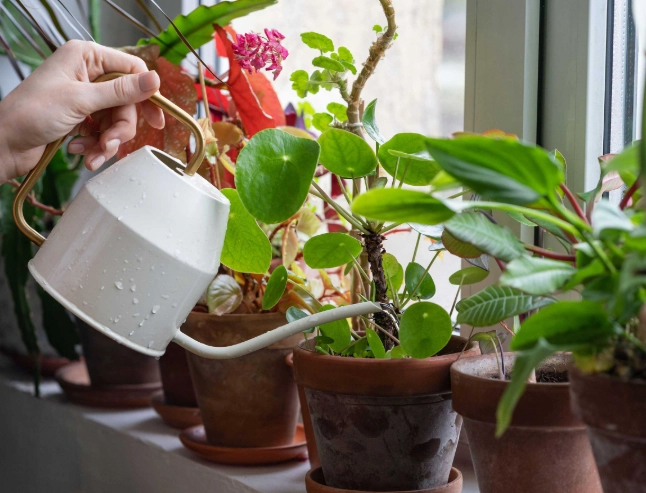
Water only when the soil is completely dry all the way through. For a small pup in a small pot, that might be every 2-3 weeks, maybe longer. When in doubt, wait another week. A thirsty snake plant will look slightly wrinkled or less firm. A drowned one turns to yellow, mushy goo. Guess which one is easier to fix? (Hint: you can water a thirsty plant).
Place them in bright, indirect light. No scorching afternoon sun for these babies. A north or east-facing window is ideal, or a few feet back from a south/west window.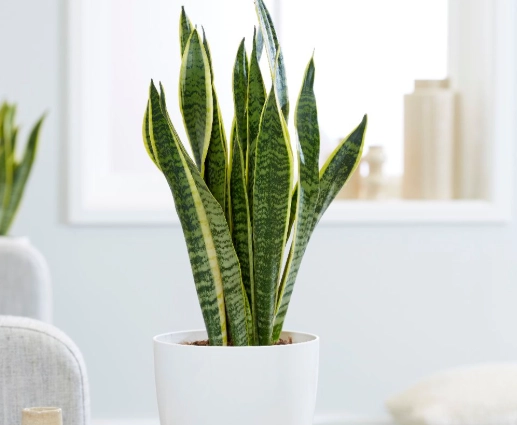
Real Talk: Troubleshooting Your Propagation
Things don’t always go perfectly. Here’s a quick decoder for common issues.
- Cutting is Rotting/Mushy: You planted before the end callused, or the soil is too wet. Unfortunately, that piece is a goner. Cut above the rot, let it callus again, and try with drier conditions.
- No Roots or Pups After Months: This is normal, especially for leaf cuttings. Check if it’s still firm and green. If yes, just keep waiting. Ensure it’s getting enough warmth and light.
- Pup is Growing, But the Original Leaf is Dying: This is also normal! The original leaf cutting sacrifices its energy to create the new pup. Once the pup is established, you can eventually cut away the old leaf.
- New Growth is Spindly or Floppy: Not enough light. Move it to a brighter spot (gradually).
Digging Deeper: Your Questions Answered
A Note on Names and Science
We’ve been calling it Mother-in-Law’s Tongue or Snake Plant. Botanically, it’s Sansevieria trifasciata. Recently, taxonomists reclassified it into the Dracaena genus (Dracaena trifasciata). You’ll see both names used. For propagation purposes, it’s all the same plant. The Royal Horticultural Society’s website is a great resource for checking such botanical name changes if you’re curious about the science behind your houseplants.
Another fantastic, reliable resource for detailed plant care that goes beyond the basics is the University of Florida’s IFAS Extension. They have peer-reviewed publications on foliage plants that provide a solid, science-backed foundation for what we’re doing here.
Wrapping It Up: Your Path to More Snake Plants
Look, at its heart, mother in law tongue plant propagation is about patience and a bit of boldness. Don’t be afraid to take your plant out of its pot and look at its roots. Don’t be afraid to make a clean cut. The plant can handle it.
Start with division if you can. It’s the most rewarding and teaches you about the plant’s structure. Then, maybe experiment with a leaf cutting in water just to watch the roots grow – it’s a great project with kids or if you need a visual payoff.
Remember the golden rules: clean tools, let cuts callus, use well-draining soil, and water like you’ve forgotten you own a watering can. Do that, and you’ll be drowning in snake plants before you know it. Well, not drowning. You’ll be perfectly, appropriately hydrated in snake plants.
Now go check your plant. Is it crowded? Does it have a pup peeking out? Maybe it’s time.


Comments