Star jasmine, that powerhouse of fragrance and greenery, seems simple on the surface. You plant it, it grows, right? That's what I thought when I first stuck one in a shady corner of my patio, expecting a wall of sweet-smelling white flowers. Two years later, I had a lush, green vine... that barely bloomed. The issue wasn't neglect, but a subtle misunderstanding of what this plant really wants. After a decade of growing it in different climates and situations, I've learned its quiet language. This guide is about moving beyond the basic "full sun, well-drained soil" advice and into the specifics that make the difference between a surviving plant and a spectacular one.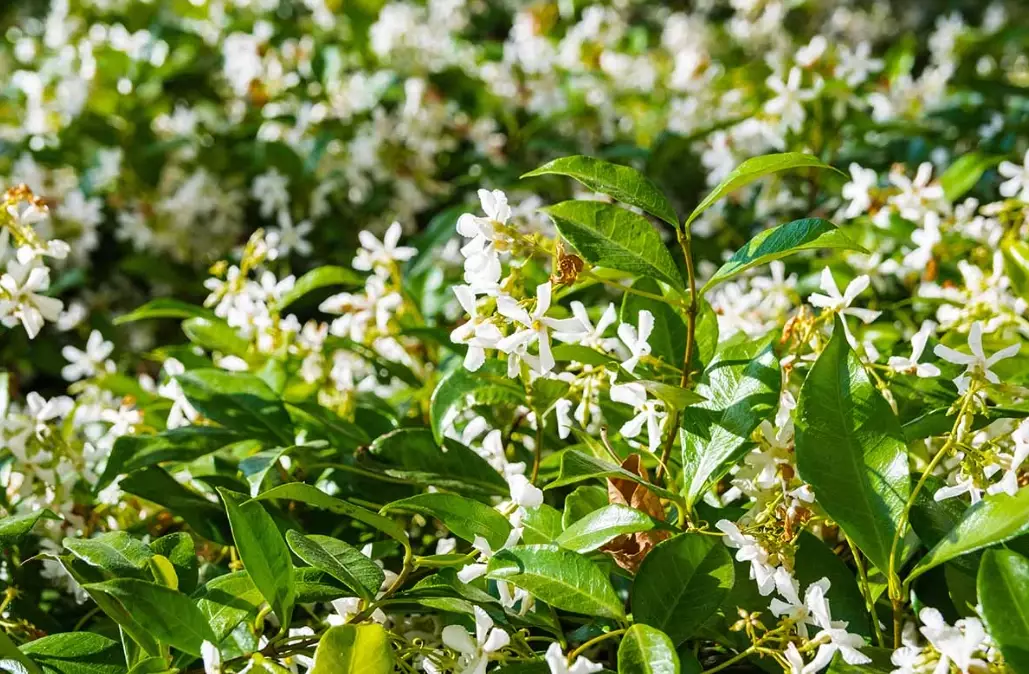
What You'll Find in This Guide
What Exactly Is Star Jasmine?
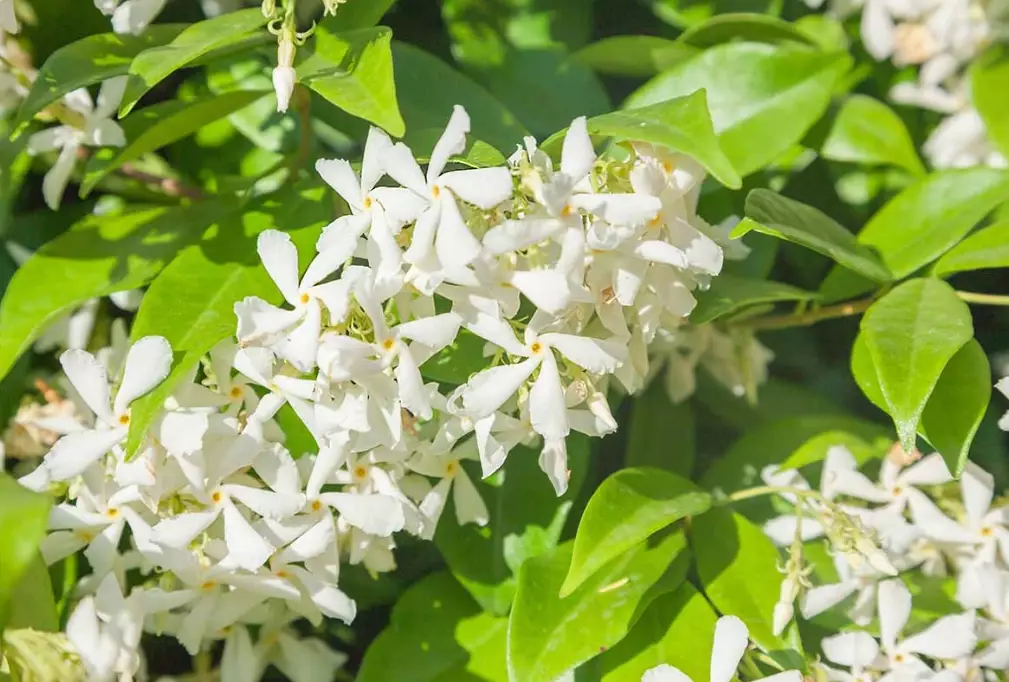
Let's clear something up first. Star jasmine isn't a true jasmine. Its botanical name is Trachelospermum jasminoides. It gets the common name from the jasmine-like scent of its pinwheel-shaped flowers. This distinction matters because true jasmines (genus Jasminum) often have different cold tolerance and growth habits. Star jasmine is a tough, evergreen woody vine native to East Asia. It's hardy in USDA zones 8-10, but with protection, it can survive in zone 7. In colder areas, it's a fantastic container plant.
Why is it so popular? It's a triple threat: stunning glossy green foliage year-round, intensely fragrant white flowers in late spring to summer, and incredible versatility. It can climb trellises and fences, sprawl as a ground cover, or be trained into a neat shrub. The stems exude a milky sap when cut, which is a key identifier.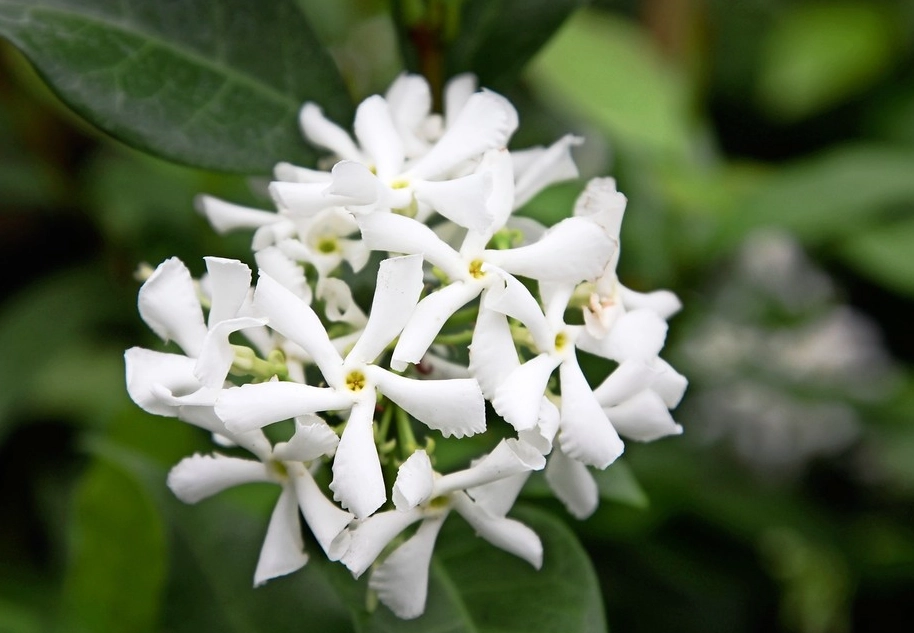
The Right Way to Plant Star Jasmine
Getting the start right eliminates half the future problems. The most common mistake is underestimating its need for sun if you want flowers.
Choosing the Perfect Location
For maximum blooms, non-negotiable full sun. That means at least 6 hours of direct sunlight. I've seen it thrive in reflected heat against a south-facing wall. It will grow in partial shade, but flowering will be sparse. Think of it this way: shade gives you a green carpet, sun gives you a fragrant, flowering curtain.
Consider its future size. A single plant can spread 15-20 feet wide and climb 12-18 feet high. Give it space or a structure it can fill.
Soil Prep Is Everything
Star jasmine is adaptable but despises wet feet. The ideal soil is rich, moist, and extremely well-draining. If you have heavy clay, you must amend it.
Here's my planting day routine for average garden soil:
- Dig a hole twice as wide as the root ball, but no deeper.
- Mix the excavated soil with a 2-3 inch layer of compost and a handful of bone meal for root development.
- If drainage is questionable, add a few shovels of perlite or coarse sand to the mix.
Place the plant so the top of the root ball is level with or slightly above the soil surface. Backfill, water deeply to settle, and apply a 2-3 inch layer of mulch (shredded bark works well) to conserve moisture and keep roots cool. Keep the mulch a few inches away from the main stem.
Ongoing Care: Water, Food, and Support
Once established, star jasmine is surprisingly drought-tolerant. The key word is established, which takes about one full growing season.
Watering: The first year is critical. Water deeply 1-2 times per week, allowing the top inch of soil to dry out between waterings. A soaker hose is ideal. After establishment, it may only need supplemental water during extended dry periods. Potted plants need more frequent watering—check when the top 2 inches of soil are dry.
Fertilizing: Less is more. I feed mine once in early spring as new growth appears and again in mid-summer with a balanced, slow-release fertilizer (like a 10-10-10). An organic alternative is a top-dressing of compost in spring. Over-fertilizing, especially with high-nitrogen formulas, promotes excessive leafy growth at the expense of flowers.
Providing Support: It's a twining vine. It needs something thin to wrap around—wire, lattice, trellis, or even a chain-link fence. The stems won't cling to flat walls like ivy. You'll need to attach a support system. For ground cover, simply let it sprawl and it will root where nodes touch moist soil.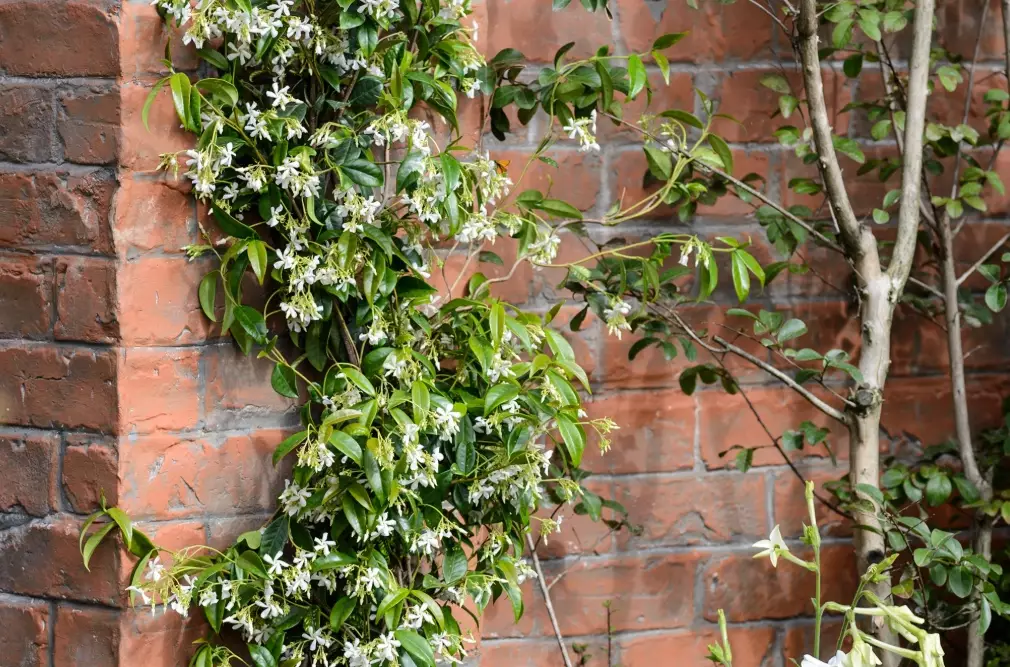
Pruning Mastery for Shape and Flowers
This is where most people get timid or prune at the wrong time. Pruning is essential for controlling size, encouraging bushiness, and promoting blooms.
When to Prune: The best time is right after the main flowering flush ends, usually in late summer or early fall. This gives the plant time to set new buds for next year before winter. You can do light shaping in early spring, but avoid heavy spring pruning or you'll cut off the flower buds.
How to Prune:
For a fuller plant: Pinch or cut back the tips of new growth during the growing season.
To control size or renovate an overgrown beast: Don't be afraid to cut stems back by one-third to one-half. Make cuts just above a leaf node or a side branch.
Always use clean, sharp pruners. That milky sap can be sticky but washes off.
| Pruning Goal | Best Time | Method |
|---|---|---|
| Encourage Blooming | After flowering (Late Summer) | Trim back flowered stems by a few inches. |
| Control Size/Shape | After flowering or Early Spring | Cut back long, unruly stems to a bud or side shoot. |
| Renovate Overgrown Vine | Late Winter (before spring growth) | Hard prune, cutting back by up to half. |
| Promote Bushiness | Spring & Summer | Regularly pinch soft tips of new growth. |
How to Propagate Your Own Plants
It's easy and satisfying. The simplest method is layering—bend a low-growing stem to the ground, nick the underside slightly, bury that section with soil (hold it down with a rock), and keep it moist. It should root in a few months. Then sever it from the mother plant and dig it up.
You can also take semi-hardwood cuttings in summer. Take a 4-6 inch cutting, remove the lower leaves, dip the end in rooting hormone, and plant it in a pot with a moist, well-draining mix (like perlite and peat). Cover with a plastic bag to maintain humidity. Rooting takes 4-8 weeks.
Troubleshooting Common Problems
Star jasmine is generally pest-resistant, but problems usually point to environmental stress.
Yellow Leaves: The diagnostic chart in your head. Lower, older leaves yellowing? Could be natural aging or a nitrogen deficiency. Widespread yellowing? Classic overwatering or poor drainage. Yellow leaves with green veins? Could be iron chlorosis, often in alkaline soils—treat with chelated iron.
No Flowers: The big one. Run down this list: 1) Not enough sun. 2) Too much nitrogen fertilizer. 3) Pruning at the wrong time (removing buds). 4) The plant is too young—it needs energy to establish first. 5) A late frost zapped the buds.
Pests: Scale insects or mealybugs can appear as small, immobile bumps or white cottony masses on stems. Treat with horticultural oil or insecticidal soap. Aphids might visit new growth—a strong spray of water usually dislodges them.
Leaf Drop: Sudden leaf drop is almost always a reaction to stress—severe overwatering, a hard freeze, or extreme drought.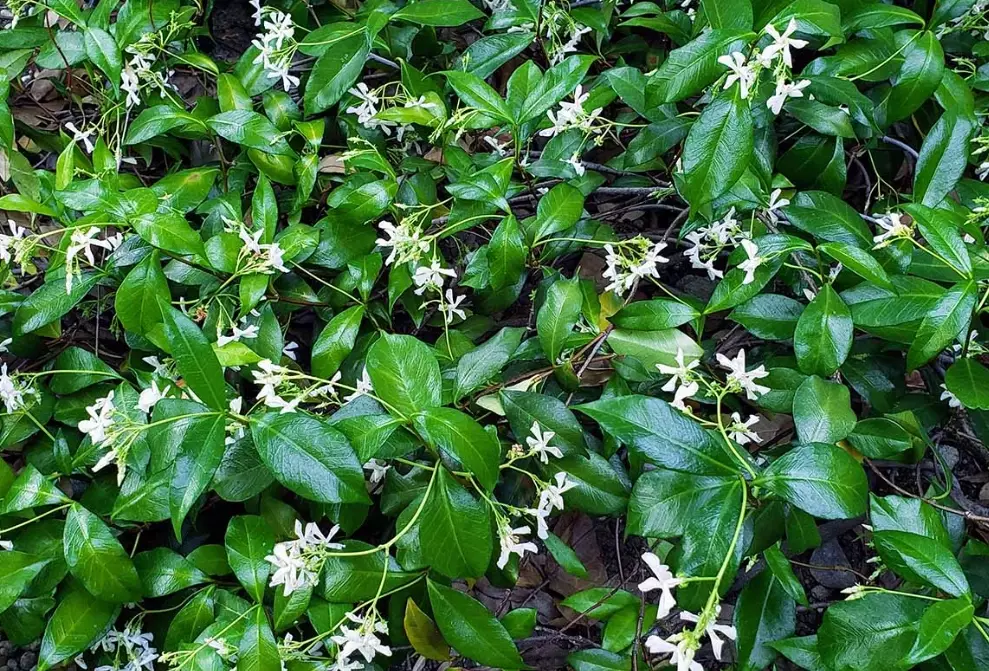
Your Star Jasmine Questions Answered
My star jasmine grows like crazy but doesn't flower. What am I doing wrong?
How fast does star jasmine grow, and how do I stop it from taking over my fence?
 Can I grow star jasmine in a container on a balcony?
The leaves on my plant have turned reddish or bronze over winter. Is it dying?
Is star jasmine toxic to pets?
Comments