Let's cut to the chase. Your snake plant is dying, or at least not thriving, and you suspect it's the soil. You're probably right. More snake plants are killed by kindness—specifically, by being planted in soil that stays wet for too long—than by neglect. I've killed my share before figuring it out. The right potting mix isn't just a detail; it's the foundation of your plant's health. This guide will walk you through exactly what makes the perfect snake plant soil, how to make it yourself for pennies, and how to avoid the common pitfalls that trip up even experienced plant parents.
What You'll Learn
Why Snake Plants Need Special Soil (It's Not a Cactus)
Most people think "tough plant, any soil will do." That's mistake number one. Snake plants (Sansevieria) are succulents, but they're not desert cacti. In their native habitats in West Africa, they often grow in rocky, well-draining soil that's surprisingly rich in organic matter from decaying vegetation. Their thick, rhizomatous roots are designed to store water, but they absolutely despise sitting in moisture.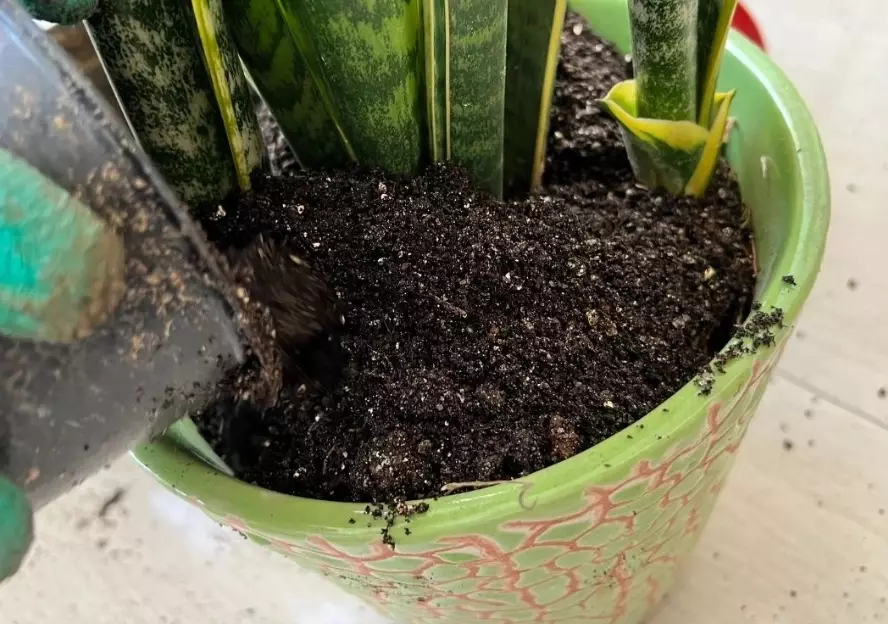
Here's the core problem: standard all-purpose potting mix is formulated to retain moisture for leafy tropical plants. For a snake plant, that's like wearing a wet wool sweater 24/7. It leads to compacted soil, suffocated roots, and the inevitable—root rot. The first sign is often yellowing leaves from the base up, or leaves that feel mushy. By the time you see it above the soil, the damage below can be severe.
Building the Perfect DIY Snake Plant Soil Mix
Making your own mix is cheaper, more effective, and lets you control every ingredient. You're aiming for a blend that is fast-draining, aerated, and slightly nutrient-rich. Think of it as creating a loose, chunky environment where water flows through quickly, but tiny organic particles stick around to feed the plant.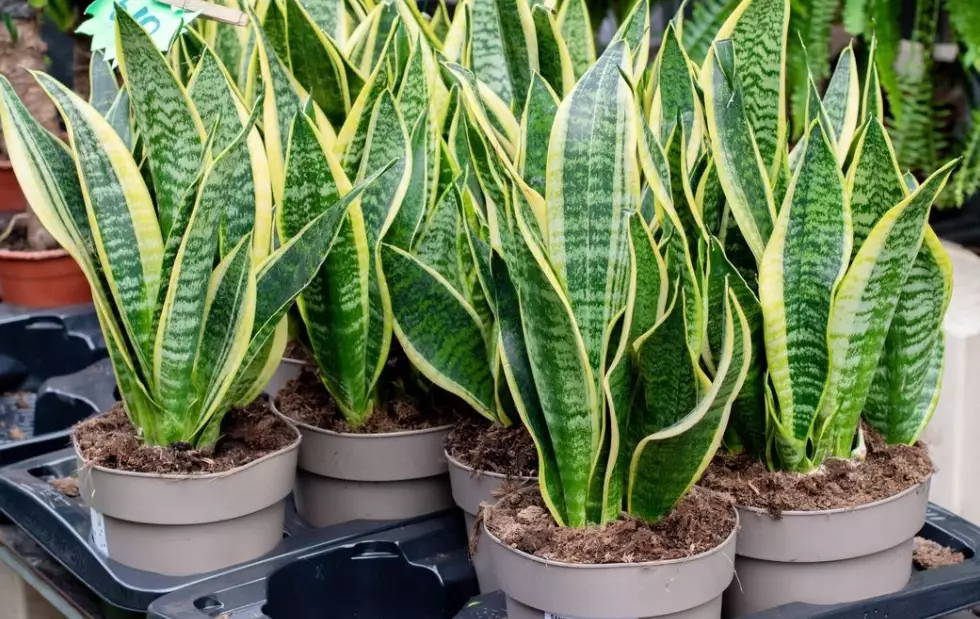
Essential Ingredients and Their Roles
Let's break down what each component does. You can find these at any garden center or online.
| Ingredient | Primary Function | What to Look For / Notes |
|---|---|---|
| All-Purpose Potting Soil | Base medium, provides structure & minimal nutrients. | Use a reputable brand (like Miracle-Gro). Avoid "moisture control" varieties. This is your organic component. |
| Perlite | Aeration & drainage. Creates air pockets. | The white, lightweight volcanic rock. Non-negotiable for preventing compaction. |
| Coarse Sand (Horticultural/Gritty) | Drainage & weight. Improves texture. | Do NOT use fine play sand or beach sand. It compacts. Look for "builder's sand" or specifically horticultural sand. |
| Orchid Bark (Pine/Fir) | Aeration, mimics natural habitat, prevents compaction. | Small to medium chunks. Adds a chunky, long-lasting element that improves drainage over time. |
Some people swear by adding a handful of worm castings for a gentle nutrient boost or a bit of horticultural charcoal to keep the soil "sweet" and absorb impurities. They're not essential, but they're great extras if you have them.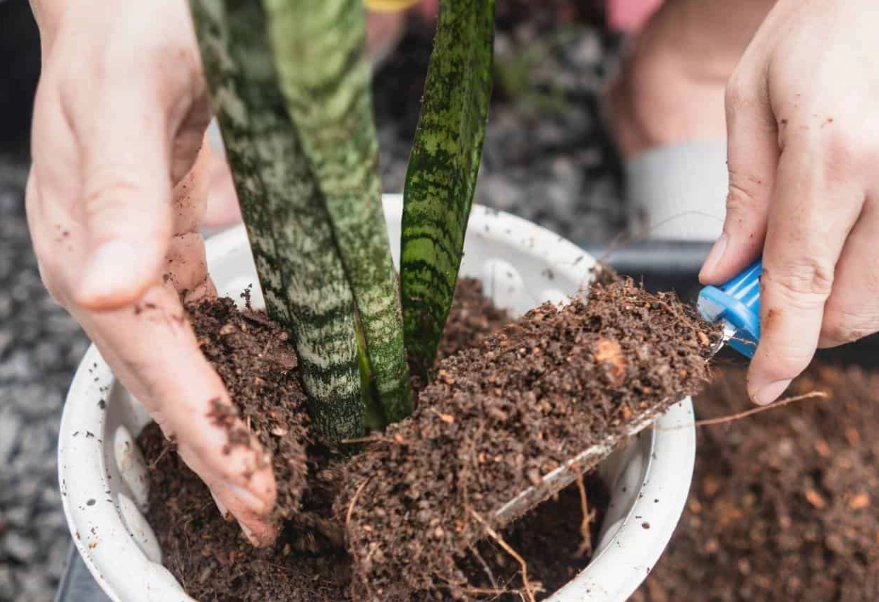
The Gold Standard Recipe & Mixing Instructions
After years of trial and error, this is the ratio I've had the most consistent success with. It's forgiving yet effective.
The 3-2-1-1 Mix:
- 3 parts All-Purpose Potting Soil
- 2 parts Perlite
- 1 part Coarse Horticultural Sand
- 1 part Orchid Bark (small chunks)
A "part" can be anything—a cup, a trowel, a bucket. Consistency is key. Mix all ingredients thoroughly in a large tub or on a tarp until they are uniformly distributed. You should see a loose, heterogeneous blend with lots of white perlite and bark pieces. When you squeeze a handful lightly, it should crumble apart easily, not hold a muddy shape.
Let's be honest, most bagged "cactus mix" is pretty terrible—often just peat and sand. This DIY mix outperforms them all because you control the quality. The orchid bark is the secret weapon most commercial mixes skip.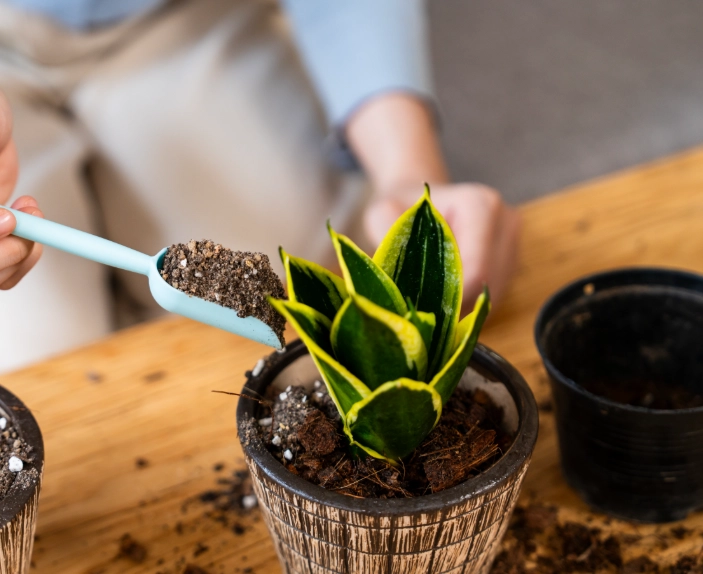
Buying Guide: If You Must Buy Commercial Soil
Not everyone wants to mix soil. That's fine. But you must choose wisely. Look for bags labeled for Cacti & Succulents or Bonsai. Even then, you'll likely need to amend it.
Here's my take on a few common options:
- Espoma Organic Cactus Mix: A decent starting point. It contains peat, perlite, sand, and limestone. I still add an extra handful of perlite to each pot for good measure.
- Miracle-Gro Cactus, Palm & Citrus Potting Mix: Widely available. It's serviceable but can be a bit moisture-retentive straight out of the bag. Mixing it 50/50 with extra perlite makes it much safer.
- Bonsai Jack's Gritty Mix: This is a premium, soil-less mix (pine bark, calcined clay, granite). It's fantastic for drainage but has zero water retention. It's great for expert growers who water frequently, but beginners can underwater and stress the plant. It's also expensive.
The rule of thumb: if you buy a commercial cactus mix, assume it needs help. Have a bag of perlite on hand to mix in at a 1:1 ratio (one part soil, one part perlite).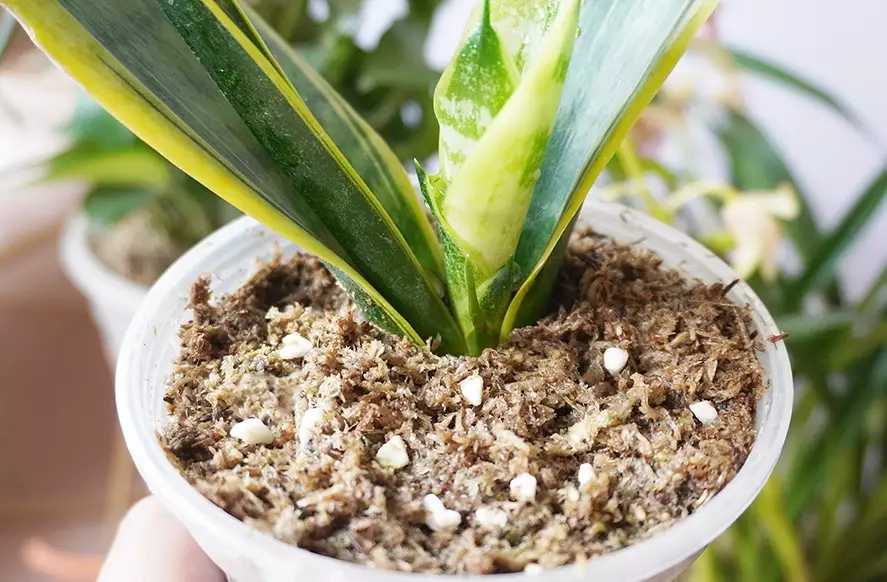
How to Repot Your Snake Plant: A Stress-Free Guide
You have the perfect soil. Now, don't ruin it with a bad repotting job. The best time is in the spring or early summer when the plant is actively growing.
Step 1: The Right Pot. Choose a pot with drainage holes. Always. Terracotta is ideal because it's porous and helps wick away moisture. The new pot should only be 1-2 inches larger in diameter than the old one. A pot that's too big holds excess soil that stays wet, inviting rot.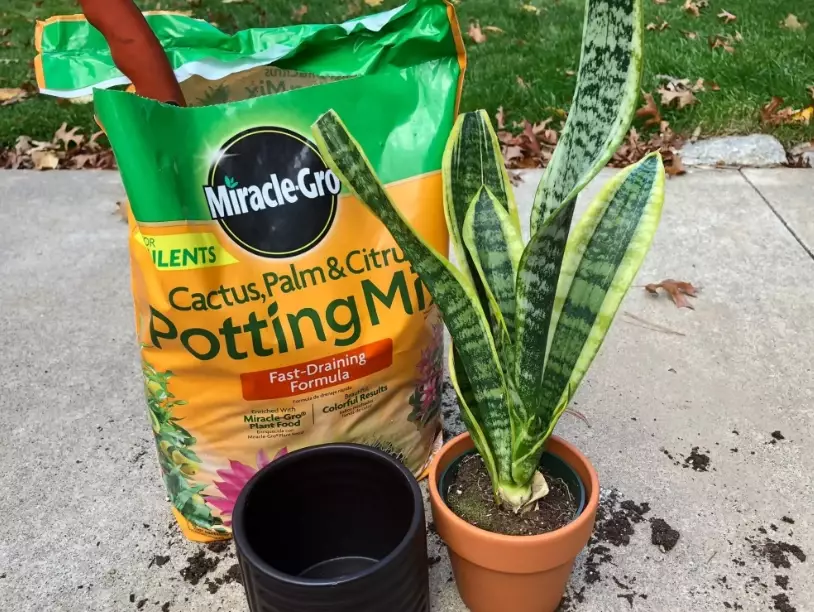
Step 2: Gently Remove the Plant. Tip the pot sideways and coax the plant out. Don't yank it by the leaves. If it's root-bound, you may need to squeeze the plastic pot or run a knife around the edge.
Step 3: Root Inspection & Surgery. This is critical. Gently massage the root ball to loosen old soil. Inspect the roots. Healthy roots are firm and orange-ish. Rotten roots are brown/black, mushy, and often smell bad. Use clean, sharp scissors to cut away any rotten roots. Don't be shy.
Step 4: Planting. Add a layer of your fresh potting mix to the bottom of the new pot. Place the plant in, ensuring the soil line on the plant matches the new pot's rim. Fill in around the sides with more mix, tapping the pot to settle it. Don't pack it down tightly.
Step 5: The Critical Watering Pause. Here's a non-consensus tip: Do NOT water immediately after repotting. If you've cut any roots, they need a few days to callous over. Watering wet soil onto fresh wounds is asking for rot. Wait 4-7 days, then give it a thorough watering, allowing all excess to drain away.
Place the repotted plant in bright, indirect light and resume your normal care routine (which for snake plants, means infrequent watering).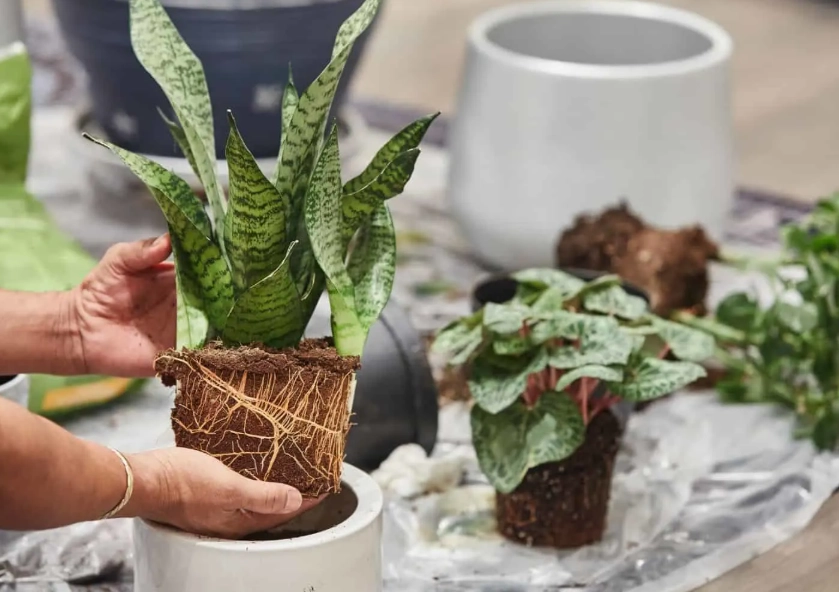
Your Top Snake Plant Soil Questions Answered
Getting the soil right for your snake plant removes the biggest obstacle to its success. It shifts your care from a constant battle against overwatering to a simple, low-maintenance routine. With a gritty, well-draining mix in a pot with holes, you can water thoroughly without fear, and your Sansevieria will reward you with steady, resilient growth for years. Start with the soil, and everything else gets easier.
Comments