Let's get one thing straight right away: the zebra cactus isn't actually a cactus. It's a succulent, Haworthiopsis attenuata. But that common misnomer is how most people find it, and honestly, it's a fantastic plant. Those white, raised tubercles forming horizontal stripes against dark green leaves are stunning. More importantly, it's sold as an "easy" beginner plant. I've killed my share of "easy" plants, and I've seen the same confused look on other growers' faces when their zebra plant starts looking sad. The truth is, its ease is conditional. Get a few subtle things wrong, and it languishes. Get them right, and it thrives for decades, producing offsets and even delicate flower spikes. This guide cuts through the generic advice. I'm not just repeating what you've read elsewhere; I'm telling you what actually works, based on years of killing and reviving these striped beauties.
What's Inside This Guide?
- What Exactly Is a Zebra Cactus?
- Creating the Ideal Growing Conditions
- How to Water Your Zebra Cactus Correctly
- The Right Soil and When to Repot
- Light Requirements: The Biggest Misconception
- How to Propagate and Multiply Your Plant
- Common Problems and How to Fix Them
- Your Zebra Cactus Questions Answered
What Exactly Is a Zebra Cactus?
Botanically, it's Haworthiopsis attenuata, part of the Asphodelaceae family (same as aloes). It's native to the Eastern Cape of South Africa, growing in rocky, well-drained areas often under the partial shade of shrubs. This origin story is the key to its care. It's built for sporadic water and bright, filtered light, not the relentless desert sun of a true cactus or the dark corner of an office.
You'll see a few varieties. The classic has pointed, tapering leaves. There's also a "super white" form with denser white bands, and H. attenuata f. clariperla which has smoother, glossier leaves. They all want the same basic treatment. A mature rosette stays relatively compact, usually under 6 inches tall and wide, making it perfect for shelves, desks, and terrariums (with caution).
Creating the Ideal Growing Conditions
Think of replicating a South African rocky outcrop, not a Sahara dune or a rainforest floor. Getting the environment right solves 80% of potential problems.
| Factor | Ideal Condition | Why It Matters | Signs It's Wrong |
|---|---|---|---|
| Temperature | 65°F to 80°F (18°C to 27°C) | Mimics its native habitat. It can tolerate brief dips to 50°F (10°C) but hates frost. | Stops growing, leaves may discolor or get mushy if too cold. |
| Humidity | Average room humidity (40-50%) | Adaptable to typical homes. High humidity combined with cool soil invites rot. | Rarely an issue indoors, but be extra careful with watering in humid climates. |
| Airflow | Good circulation | Prevents pests like mealybugs and helps soil dry evenly. | Stagnant air can lead to mold on soil surface or pest infestations. |
| Seasonal Rhythm | Growth in spring/fall, slow in summer, dormant in winter | It expects a cooler, drier rest period. Watering should follow this cycle. | Watering the same amount year-round is a classic mistake. |
My plant sits about two feet back from a large east-facing window. It gets several hours of gentle morning sun, then bright indirect light the rest of the day. In winter, I move it to a south-facing sill for weaker sun. This seasonal shuffle keeps the stripes vivid without scorching.
How to Water Your Zebra Cactus Correctly
This is the make-or-break skill. The mantra "soak and dry" is correct but dangerously vague. Here's the nuanced version.
First, check the soil. Don't water on a schedule. Stick your finger an inch into the pot. Is it completely dry? Wait another 3-4 days. I'm serious. These plants store water in their leaves. Underwatering causes slow, wrinkly shrinkage. Overwatering causes fast, mushy, black death. One is easily fixed; the other often isn't.
Second, water thoroughly. When you do water, take the pot to the sink. Pour water evenly over the soil until it runs freely out the drainage hole. This ensures the entire root ball gets moisture. Let it drain completely before putting it back in its decorative cover or saucer. Never let it sit in water.
The seasonal shift is critical. In spring and fall (active growth), you might water every 2-3 weeks. In hot summer, growth slows, so stretch it to 3-4 weeks. In winter (dormancy), water only once a month, or even every 6-8 weeks, just enough to prevent severe shriveling. A plant in a cool room in winter needs almost no water.
The Right Soil and When to Repot
The goal is fast drainage. The standard bagged "cactus & succulent mix" from the store is usually too organic and peat-heavy. It holds moisture for too long. You need to amend it.
My go-to recipe: 50% bagged cactus mix, 25% perlite, and 25% poultry grit or coarse sand. The perlite and grit create air pockets and prevent compaction. The pot matters just as much. Always use a pot with a drainage hole. Terracotta is ideal because it's porous and helps wick away moisture.
Repot every 2-3 years, or when you see a crowd of offsets or roots poking out the bottom. Spring is the best time. Gently remove old soil, check the roots (trim any dead, stringy ones), and place it in a new pot only one size larger. A pot that's too big holds excess wet soil around the small root ball, inviting rot.
Light Requirements: The Biggest Misconception
"Low light succulent" is a label that does more harm than good. Yes, it tolerates lower light better than an Echeveria. But "tolerates" isn't the same as "thrives in."
Ideal light: Bright, indirect light. An east-facing window is perfect. A west-facing window with some sheer curtain filtration works. A south-facing window is great in winter, but may need slight shading in summer to prevent the leaves from turning a reddish-brown (a sign of stress, not always fatal but not ideal for growth).
What happens in low light? The plant etiolates. It stretches out, the leaves become longer, paler, and more spaced out, reaching for light. The distinctive compact rosette form is lost. The white stripes may fade. Growth is weak.
If your only option is a north window or a spot far from a window, consider supplementing with a grow light. A simple LED bulb in a desk lamp for 6-8 hours a day can make a world of difference.
How to Propagate and Multiply Your Plant
One of the joys of Haworthiopsis attenuata is how readily it produces offsets, or "pups." You'll see small rosettes emerging from the base or on short stolons.
Method 1: Division (Easiest)
During repotting, you can gently separate offsets that have formed their own roots. Use a clean, sharp knife if necessary. Let the cut surface callus over for a day or two, then pot the pup in its own small container with dry succulent mix. Don't water for about a week to avoid rot at the cut.
Method 2: Leaf Cuttings (Slower but Possible)
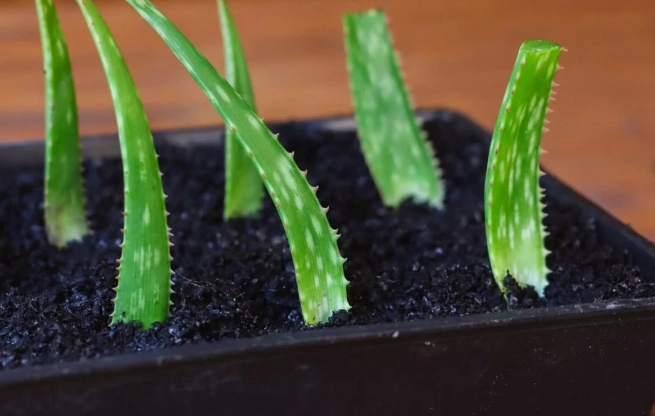
Gently twist a healthy, plump leaf from the stem, ensuring you get the whole base. Let it callus for several days until the end is dry and sealed. Then, place it on top of dry succulent mix. Do not bury it. Mist the soil surface very lightly every few weeks. Roots and a tiny plantlet may form in a few months. Patience is key here.
I find division in spring almost foolproof. The leaf propagation is for when you want to experiment or if an offset breaks off accidentally.
Common Problems and How to Fix Them
Let's diagnose the visual cues. Your plant is talking to you.
Brown, Mushy Leaves at the Base
Almost certainly overwatering and root rot. Stop watering. Unpot, remove all black/mushy parts with sterile tools. Let the plant dry out for a few days, then repot in fresh, dry, gritty mix. Wait at least a week before a very light watering.
Leaves Turning Red or Purple
This is usually a stress response to intense sunlight (like a sunburn) or, sometimes, cold temperatures. It's not immediately harmful but indicates the light is too strong. Move it to a spot with less direct sun.
Leaves Shriveling and Curling Inward
Classic underwatering. The plant is using its stored water. Give it a thorough soak. It should plump back up within a day or two. If it doesn't, the roots might be dead from previous overwatering and can't take up water—time to check the roots.
White, Cottony Masses in Leaf Crevices
Mealybugs. Isolate the plant. Dab each bug with a cotton swab dipped in rubbing alcohol (70%). Check weekly for recurrences. Improve air circulation.
Leggy, Pale, Stretched Growth
Etiolation. Not enough light. Gradually move it to a brighter location. You can't fix the stretched part, but new growth will be compact. You can eventually behead the compact top and re-root it if the look bothers you.
Your Zebra Cactus Questions Answered
Why is my zebra cactus turning brown or mushy at the soil line?
This is the most common crisis. It's almost always stem rot from overwatering, especially if the soil stays damp and the pot lacks drainage. The base is the first to go. Immediate action is required: unpot, cut away all soft, brown tissue until you see only healthy, firm green or white material. Let it callus for 2-3 days, then replant in fresh, bone-dry gritty mix. Don't water for at least 10 days. Cross your fingers. Prevention is always better—use a grittier mix and water less often.
Can a zebra cactus really survive in a bathroom with no window?
Survive? Maybe for a few months. Thrive? Absolutely not. The humidity from showers won't hurt it, but the complete lack of light will cause severe etiolation—it will become a pale, stretched mess. It needs a light source to photosynthesize. If your bathroom has a window, it could be a great spot. If not, consider it a temporary guest and rotate it with other plants from a brighter location every few weeks, or use a grow light.
How do I get my zebra plant to produce more offsets (pups)?
Health and maturity are the main drivers. Ensure it's getting enough light (bright indirect) and follow the soak-and-dry watering method during the growing season. A slightly snug pot can also encourage pupping, as the plant feels it's reaching its space limit and focuses energy on reproduction. A light feeding with a diluted, balanced fertilizer (like 10-10-10) once in early spring and once in early fall can support this energy expenditure. Don't over-fertilize; it's not a heavy feeder.
Is the white fuzz on the leaves normal or a pest?
Look closely. If the fuzz is part of the raised, striped tubercles and follows the horizontal pattern on the leaf, it's completely normal—it's just the plant's texture. If the fuzz is fluffy, cotton-like, and appears randomly in the leaf axils (where the leaf meets the stem) or on the underside, it's mealybugs. Normal fuzz is integrated; pest fuzz looks like a foreign blob. Mealybugs also leave a sticky residue sometimes.
My zebra cactus flower stalk dried up. What do I do with it?
Congratulations on getting it to flower! It means you've provided good care. Once the small, white, tubular flowers on the tall, thin stalk have all dried, you can simply snip the stalk off at its base using clean scissors or pruners. This keeps the plant looking tidy and allows it to redirect energy back to leaf and root growth. Don't expect the main rosette to die after flowering; that's a misconception that applies to some Sempervivum (hens and chicks), not Haworthiopsis.
The zebra cactus is a resilient, rewarding companion. It asks for little: a bright spot, infrequent but thorough drinks, and a gritty bed to call home. Pay attention to its seasonal rhythms and the signals its leaves send. Forget the label "cactus" and remember its true nature as a shade-tolerant South African succulent. Do that, and you'll have a striking, striped rosette that multiplies and thrives for years to come, with minimal fuss. That's the real secret to its supposed "easy" care.
Comments