Aloe vera is sold as the ultimate beginner plant, the one you can't kill. I bought my first one with that exact belief. A few months later, I was staring at a mushy, brown-stemmed mess. That experience taught me the hard truth: aloe vera is resilient, but it has non-negotiable needs. Getting them wrong leads to the slow, soggy demise I witnessed. Real aloe vera care isn't about neglect; it's about understanding a few critical desert-born habits. When you do, you're rewarded with a plant that not only survives but multiplies, provides gel for burns, and cleans your indoor air. This guide cuts through the vague advice and gives you the specific, actionable steps I've learned over years of keeping these succulents happy.
What You'll Learn
- How to Water Your Aloe Vera Correctly (The Biggest Mistake)
- How Much Light Does an Aloe Vera Plant Need?
- The Best Soil and Pot for Healthy Aloe Roots
- Ideal Temperature, Humidity, and Fertilizing
- How to Propagate Aloe Vera Pups Successfully
- Troubleshooting Common Aloe Vera Problems
- Your Aloe Vera Questions Answered
How to Water Your Aloe Vera Correctly (The Biggest Mistake)
Overwatering is the assassin of 90% of aloe vera plants. In their native habitat, they endure long droughts followed by heavy, brief rains. Your job is to mimic that cycle, not keep the soil perpetually damp.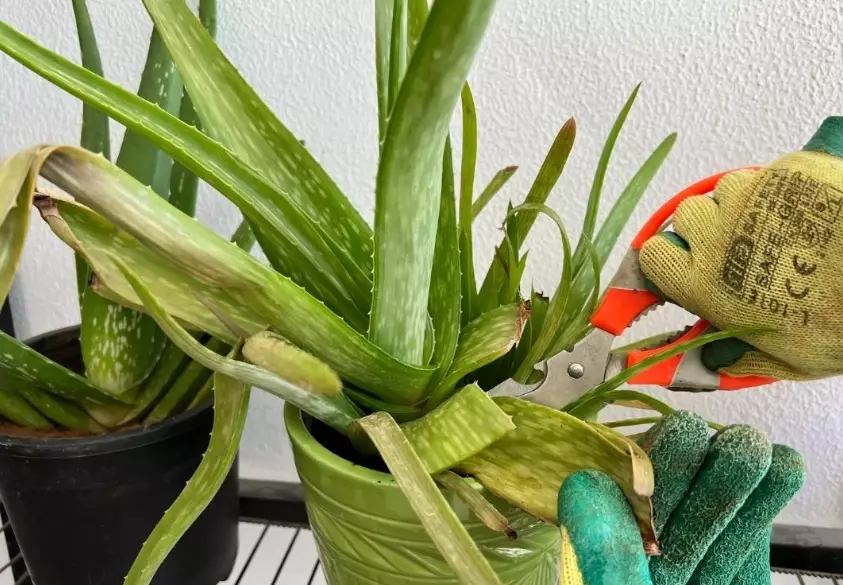
Here's the method that never fails me: Soak and Dry.
Don't water on a schedule. Instead, check the soil. Stick your finger about two inches deep into the pot. If it feels completely dry, it's time. If there's any coolness or moisture, wait. When it's dry, take your plant to the sink and water it thoroughly until water runs freely out of the drainage holes. This ensures the entire root ball gets hydrated. Let it drain completely before putting it back in its saucer. Never let it sit in standing water.
Frequency changes with the seasons. In the bright, warm growing season (spring and summer), you might water every 2-3 weeks. In the low-light dormancy of winter, it could stretch to every 4-6 weeks. The plant's location, pot material (terra cotta dries faster than plastic), and indoor climate all play a role.
Signs you're overwatering: leaves turn soft, mushy, and translucent, starting at the base. The plant may feel unstable. Signs of underwatering: leaves become thin, curled inward, and develop dry, brown tips. Underwatering is much easier to fix than overwatering.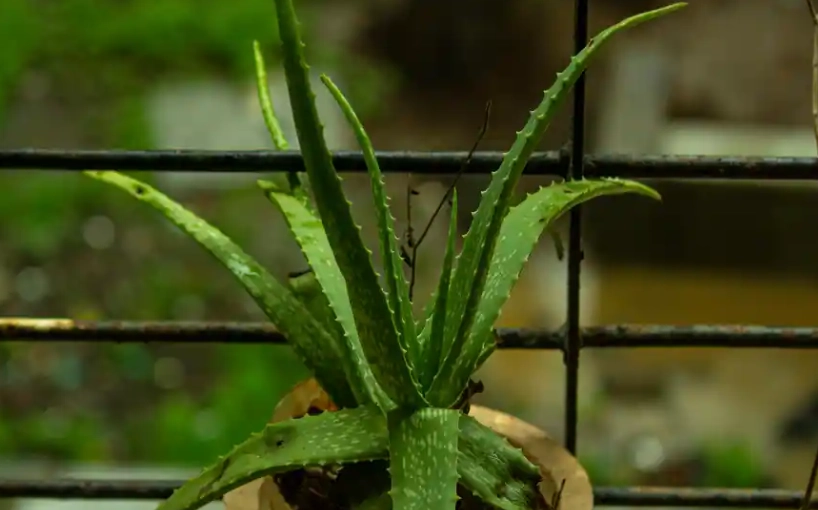
How Much Light Does an Aloe Vera Plant Need?
Aloe vera loves bright, indirect light. Think of the dappled light under a desert shrub. An east-facing window is often perfect, offering several hours of gentle morning sun. A south or west-facing window can work, but you might need to diffuse the harsh afternoon sun with a sheer curtain, especially in summer, to prevent sunburn.
Sunburn on aloe looks like bleached, pale, or reddish-brown patches on the leaves. It's permanent scarring. If you see this, move the plant back from the light source immediately.
What about low light? It's a slow death sentence. The plant will start to etiolate—it stretches out, becoming leggy and pale as it desperately reaches for light. The leaves lose their plumpness and the plant weakens. If you only have a north-facing window, consider supplementing with a grow light for 6-8 hours a day.
The Best Soil and Pot for Healthy Aloe Roots
This is where most store-bought plants are set up to fail. They often come planted in dense, moisture-retentive potting soil that stays wet for weeks. Aloe roots need to breathe and dry out quickly.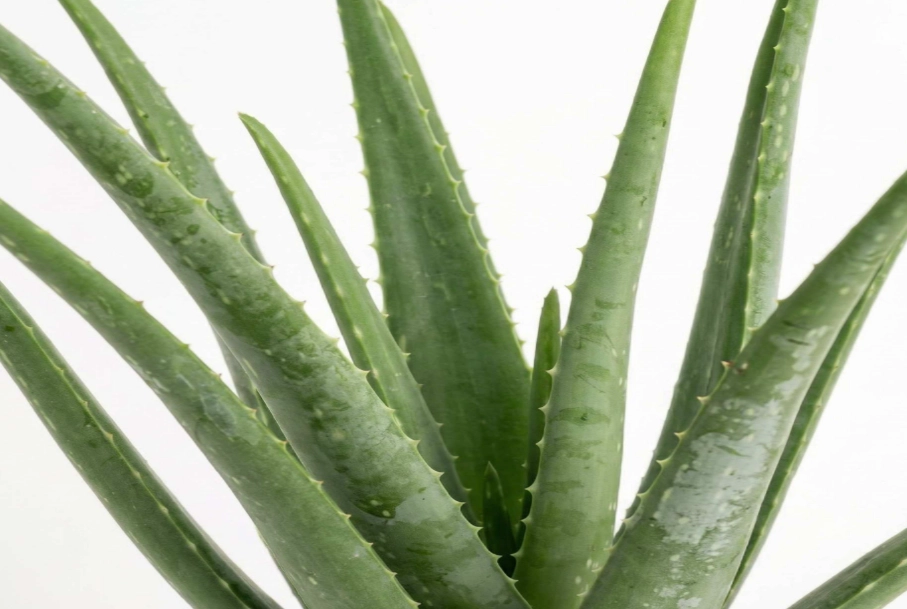
The ideal soil mix is fast-draining and gritty. You can buy a pre-mixed cactus and succulent soil, but I always amend it. My go-to recipe is: 2 parts cactus potting mix, 1 part perlite, and 1 part coarse sand or poultry grit. This creates an airy, well-draining environment that roots adore.
The pot is equally critical. Drainage holes are non-negotiable. Terra cotta pots are excellent for aloe because they are porous, allowing the soil to dry from the sides as well as the top. Plastic pots retain moisture longer, so you must be extra vigilant with watering.
When should you repot? Every 2-3 years, or when you see roots growing out of the drainage holes, or when the plant has produced a crowd of "pups" (baby plants). Spring is the best time. Only go up one pot size (1-2 inches wider in diameter). A pot that's too large holds excess soil that stays wet and promotes root rot.
Simple Repotting Steps
Water the plant a few days before repotting so the roots are slightly hydrated. Gently remove it from the old pot, shaking off old soil. Inspect the roots—trim any that are black, mushy, or dead with clean scissors. Place a layer of fresh mix in the new pot, set the plant in, and fill around it. Don't water for about a week to let any disturbed roots callous over and prevent rot.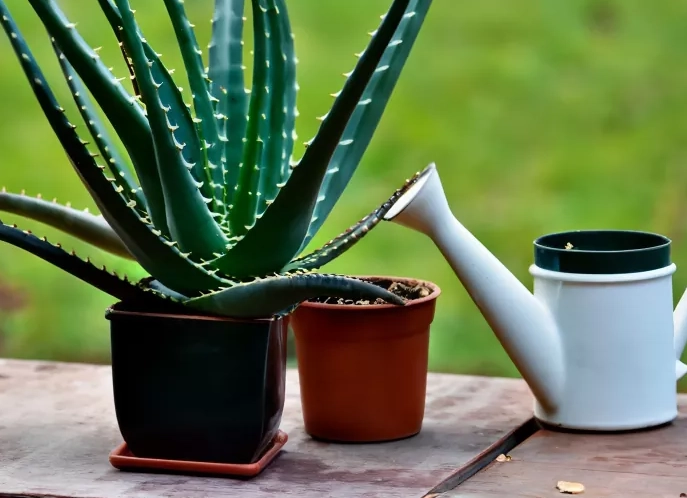
Ideal Temperature, Humidity, and Fertilizing
Aloe vera thrives in average household temperatures between 55°F and 80°F (13°C - 27°C). It can tolerate brief dips down to about 40°F (4°C) but is not frost-hardy. Keep it away from cold drafts in winter and blasts of hot air from heaters or air conditioners.
Humidity is rarely an issue. Average home humidity is fine. In fact, high humidity in a poorly ventilated area can encourage fungal issues.
Fertilizing is simple and minimal. These are not heavy feeders. During the active growing season (spring and summer), feed once a month with a balanced, water-soluble fertilizer diluted to half-strength (look for a 10-10-10 or similar formula). Do not fertilize in fall and winter when the plant is resting. Over-fertilizing causes weak, floppy growth and can harm the roots.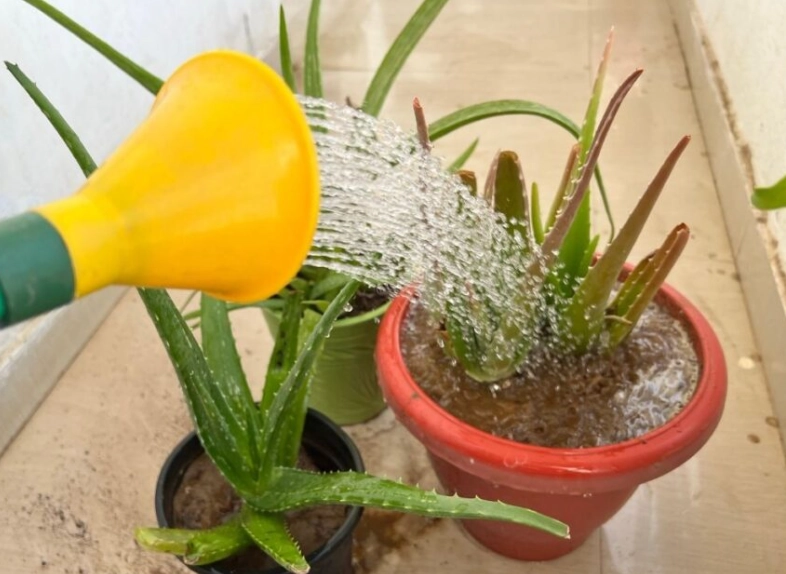
How to Propagate Aloe Vera Pups Successfully
One of the great joys of aloe vera care is propagation. A healthy plant will produce offsets, called "pups," around its base. Here's how to separate them without harming the mother plant.
Wait until the pup is a decent size, about one-fifth the size of the mother plant, with a few leaves of its own. Gently remove the entire plant from its pot. You'll see the pup connected to the mother by a stem or roots. Using a clean, sharp knife, cut the connecting stem as close to the mother as possible. Try to keep some roots attached to the pup. If it has no roots, that's okay—it can still grow them.
Let the pup sit in a dry, shady spot for 2-3 days to allow the cut end to callous over. This step is crucial to prevent rot when you plant it. Then, plant it in a small pot with your well-draining succulent mix. Water very lightly after a week, then treat it like a mature plant, being slightly more cautious with water until it establishes new roots.
Troubleshooting Common Aloe Vera Problems
Even with good care, issues can pop up. Here’s a quick reference table for diagnosis and action.
| Symptom | Likely Cause | Immediate Action |
|---|---|---|
| Soft, mushy, brown leaves at base | Overwatering / Root Rot | Stop watering. Remove plant, trim rotten roots/leaves. Repot in dry, fresh mix. Don't water for 1-2 weeks. |
| Thin, curled, brown-tipped leaves | Underwatering | Give a thorough soak. Adjust your checking schedule. |
| Pale, reddish-brown patches on leaves | Sunburn | Move to a location with bright, indirect light immediately. |
| Leggy, stretched growth, pale color | Insufficient Light | Gradually move to a brighter spot or add a grow light. |
| Brown spots or dry patches | Fungal Issue (from water on leaves) | Water at the soil level, not over the leaves. Improve air circulation. |
| Small brown bumps on leaves (wipe off) | Scale Insects | Wipe with rubbing alcohol on a cotton swab. Isolate plant. |
Your Aloe Vera Questions Answered
Looking back at my first mushy aloe, I realize I treated it like any other houseplant. That was the mistake. Aloe vera isn't just another green thing on the shelf; it's a desert survivor with a specific script. Follow that script—bright light, brutal neglect between deep drinks, and gritty soil—and it becomes one of the most rewarding plants you can own. It asks for little and gives back in growth, offspring, and practical use. Start by checking your plant's soil right now. Is it truly dry? Your aloe is waiting for its next desert rain.
Comments