Let's be honest, you probably got a Golden Pothos (or as some call it, Devil's Ivy) because someone told you it was impossible to kill. And you know what? They were mostly right. But "impossible to kill" isn't the same as "thriving." I've seen plenty of sad, leggy pothos with more yellow than green, clinging to life in a dark corner. That's not what we want. We want the cascading jungle vine you see on Instagram, the one that makes your room look like a peaceful oasis.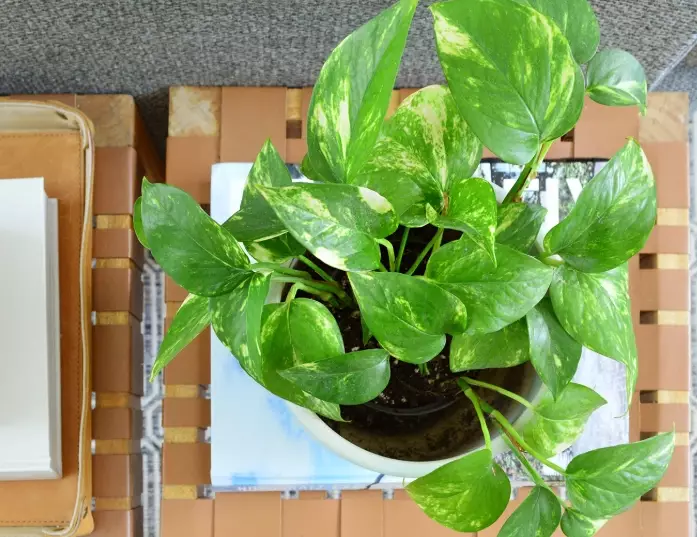
I've been growing these things for years, in different apartments with different light situations, and I've made every mistake in the book so you don't have to. This guide isn't a sterile list of botanical facts. It's the real, down-to-earth advice you need to turn your Golden Pothos from a survivor into a showstopper. Good golden pothos care is less about following strict rules and more about understanding what the plant is telling you.
Quick Guide Highlights
Getting to Know Your Golden Pothos
Before we dive into the care for golden pothos, it helps to know what you're working with. Scientifically, it's Epipremnum aureum. The "aureum" part hints at the gold (aurum) in its leaves. In the wild, these are aggressive climbers, using aerial roots to scale trees in the dappled light of tropical forests. That tells us a lot: they like bright, indirect light, something to climb, and they're built for endurance.
They're also famous for their air-purifying qualities. A classic NASA Clean Air Study identified Epipremnum aureum as effective at removing common household toxins like formaldehyde and benzene. Now, don't expect one plant to fully detox your home, but it's a nice bonus on top of the greenery.
The USDA lists it as hardy in zones 10-12, but for virtually all of us, it's a 100% indoor houseplant. Just something to keep in mind if you're thinking of moving it outside for the summer.
The Core Pillars of Golden Pothos Care
This is the heart of it. Nail these four things, and you're 95% of the way there.
Light: The Golden (Get It?) Rule
Here's the biggest misconception: "low light plant." It's more accurate to call it a "low light tolerant plant." It won't die in your dim bathroom, but it also won't put out much new growth, and those beautiful golden variegation will fade to a solid, dull green. The plant is conserving energy.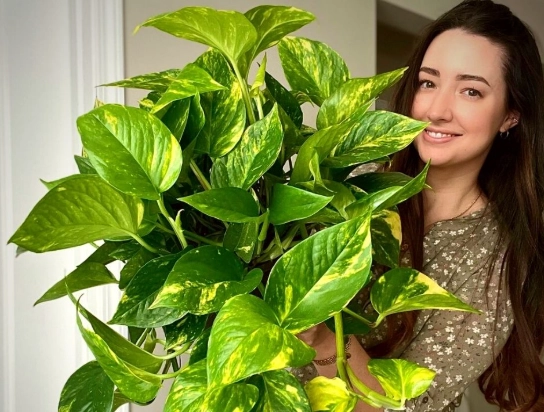
For the best growth and color, bright, indirect light is king. Think near an east-facing window, or a few feet back from a south or west window (behind a sheer curtain is perfect). The leaves will be larger, the vines will grow faster, and the marbling will be spectacular.
I have one in a north-facing room that gets only ambient light. It's alive, but it's been the same size for two years. Another one gets bright indirect light from a south window, and I have to trim it every other month. The difference is night and day.
Watering: The Art of Neglect
Overwatering is the #1 killer of houseplants, and Pothos is no exception. They have semi-succulent qualities and prefer to dry out a bit between drinks. The goal is to mimic the tropical rainfall followed by a dry period they'd experience in nature.
Forget the schedule. Don't water every Tuesday. Instead, check the soil. The best method is the finger test. Stick your finger about 2 inches into the potting mix. If it feels dry, it's time to water. If it still feels damp, wait. It's that simple.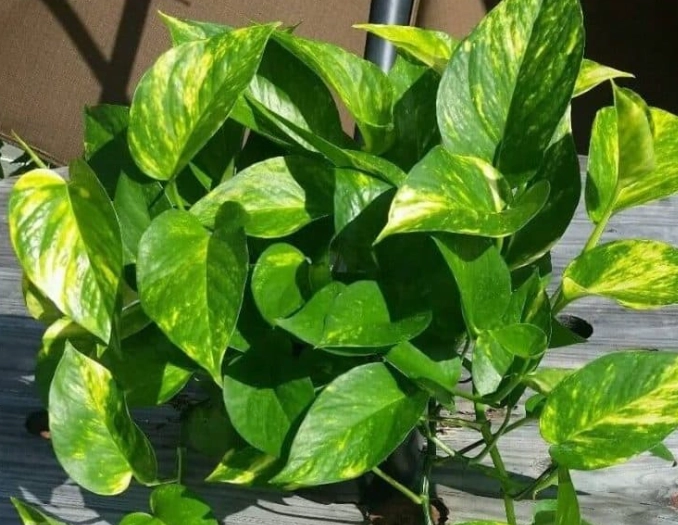
When you do water, do it thoroughly. Take it to the sink and pour water until it runs freely out of the drainage holes. This ensures the entire root ball gets hydrated. Let it drain completely before putting it back in its decorative pot. Never let it sit in a saucer of water—that's a direct ticket to root rot city.
Soil and Potting: Giving the Roots Room to Breathe
Golden Pothos needs a well-draining potting mix. A standard, all-purpose indoor potting mix is fine, but I like to add a handful of perlite or orchid bark to mine to increase aeration. They hate dense, soggy soil that suffocates roots.
As for pots, drainage holes are non-negotiable. Terracotta pots are fantastic for beginners because they're porous and help wick away excess moisture, reducing the risk of overwatering. Plastic or ceramic pots are fine too, just be a little more careful with your watering.
You only need to repot every 1-2 years, or when you see roots circling the bottom of the pot or poking out of the drainage holes. When you do, only go up one pot size (about 1-2 inches wider in diameter). A pot that's too large holds too much wet soil for the roots to use, which again, leads to rot.
Food: A Light Snack, Not a Feast
During the main growing season (spring and summer), you can feed your pothos to encourage growth. A balanced, water-soluble houseplant fertilizer (look for something with an equal NPK ratio like 10-10-10) diluted to half-strength once a month is perfect.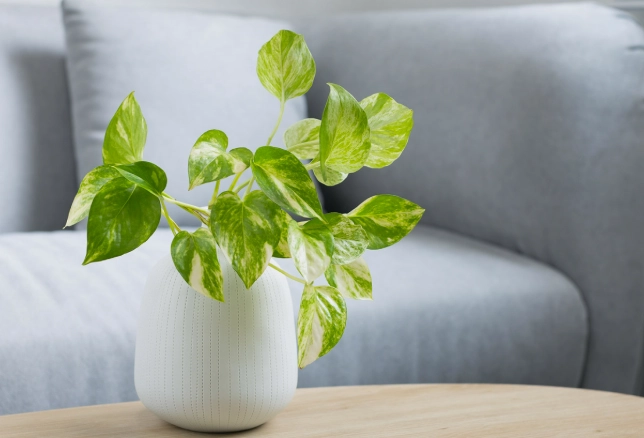
But here's my personal take: I often forget to fertilize mine for months. And they're fine. They grow slower, but they're healthy. Fertilizer is a boost, not a necessity. In fall and winter, stop fertilizing altogether. The plant is resting.
Advanced Golden Pothos Care & Troubleshooting
Once you've got the basics down, these next steps will elevate your plant game.
Pruning and Shaping: Be the Barber
Don't be afraid to cut your pothos! Pruning is essential for a full, bushy plant. If you just let the vines grow, you'll end up with long, stringy stems with leaves only at the ends. To encourage branching, simply snip a vine just above a leaf node (the little bump on the stem where a leaf grows). New growth will sprout from that point.
You can also take those cuttings you just made and propagate them to make the mother plant fuller or start new ones. Which brings us to...
Propagation: Making Free Plants
This is the most fun part of golden pothos plant care. It's incredibly easy. Take a cutting with at least 3-4 leaves and a few nodes. You can root it in two main ways:
- In Water: Place the cutting in a jar of water, ensuring at least one node is submerged. Put it in a bright spot and change the water weekly. You'll see roots in 1-2 weeks. Wait until they're a couple of inches long before potting in soil.
- In Soil: You can plant the cutting directly into moist potting mix. Keep the soil slightly moist (not wet) for the first few weeks until you feel resistance when giving the cutting a gentle tug, indicating roots have formed.
I prefer water propagation because it's foolproof and you get to watch the roots grow. It's satisfying.
Common Problems and Their Fixes
Here’s a quick-reference table for diagnosing what your pothos is trying to tell you.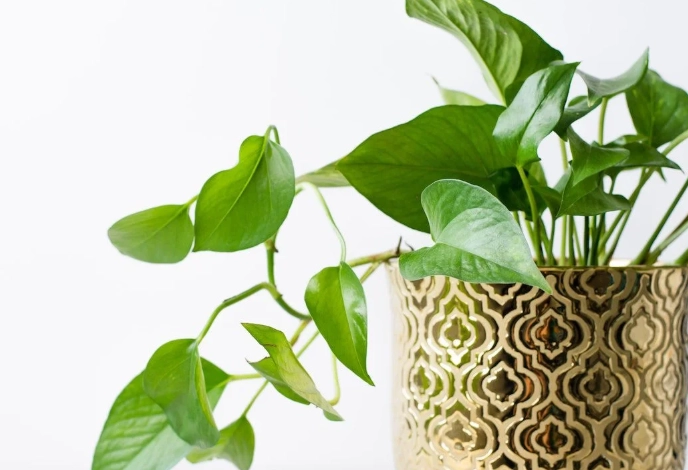
| Symptom | Likely Cause | How to Fix It |
|---|---|---|
| Yellowing Leaves | Most often overwatering. Can also be natural aging (older leaves die off). | Check soil moisture. Let dry out more between waterings. Ensure pot has drainage. |
| Brown, Crispy Leaf Tips/Edges | Low humidity, or a buildup of salts/minerals from tap water or fertilizer. | Increase humidity (group plants, use a pebble tray). Use filtered or distilled water, or flush soil occasionally. |
| Brown, Soft Spots on Leaves | Usually a fungal or bacterial issue from leaves staying wet (splashing water) or poor air circulation. | Water at the soil level, not on leaves. Improve air flow. Remove affected leaves. |
| Leggy Growth, Small Leaves, Loss of Variegation | Not enough light. | Move to a brighter location with indirect light. |
| Wilting or Drooping | Usually underwatering. Can be overwatering if roots are rotten. | Feel the soil. If dry, water thoroughly. If wet, check for root rot. |
| Pests (Mealybugs, Spider Mites) | Can happen, especially in dry conditions or with new plants. | Isolate plant. Wipe leaves with soapy water or use insecticidal soap/neem oil. |
Your Golden Pothos Care Questions, Answered
Beyond the Basics: Creative Display Ideas
Part of the joy of a healthy pothos is showing it off. Here are a few ways to display your thriving vine:
- The Classic Hanger: Let the vines trail down from a macramé hanger or a shelf. It's timeless.
- The Climber: Train it up a moss pole, trellis, or even a wall with clear command hooks. This mimics its natural growth habit and can produce enormous leaves.
- The Mixer: Plant it in a large, wide pot with an upright plant (like a Snake Plant or ZZ Plant) for a textured "thriller and spiller" effect.
- The Propagator's Wall: Line up several jars of water-propagating cuttings on a sunny windowsill. It's a living, growing art installation.
I have one trained up a bamboo tripod, and the leaves near the top are almost as big as my hand—much larger than the leaves on the trailing parts. It's a cool experiment.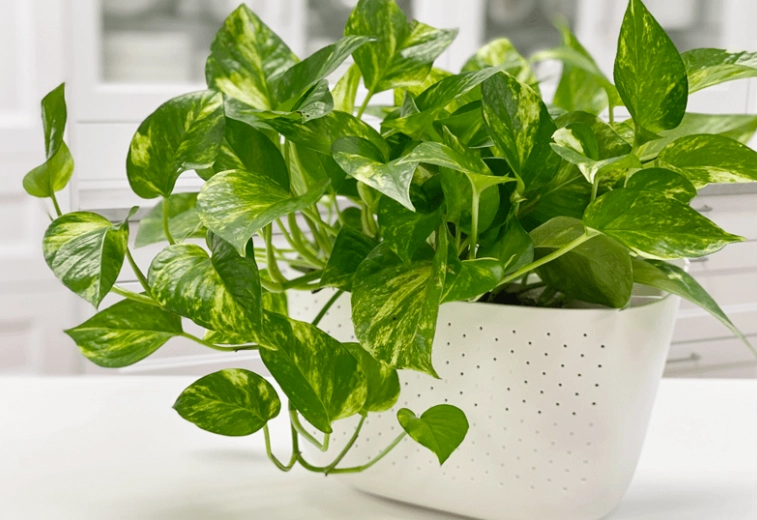
Wrapping It Up: The Simple Truth
At the end of the day, golden pothos care boils down to a few simple principles: bright indirect light for the best looks, letting the soil dry out between waterings, and not overcomplicating things. They are communicators. A droop says "water me." Yellow leaves often whisper "you're loving me too much with that watering can." Leggy growth shouts "I need more light!"
For the most detailed botanical background, you can always refer to resources like the USDA Plants Database for Epipremnum aureum or university extension guides, which provide the scientific backbone for the practical advice you've read here.
Now go check your plant's soil with your finger. That's step one. You've got this.

Comments