In This Guide
- Getting to Know Your Foxtail Fern (The Real Story)
- The Perfect Home: Light, Soil, and Planting
- The Daily (and Not-So-Daily) Care Routine
- Keeping It Looking Its Best: Pruning and Repotting
- Common Problems and How to Solve Them
- Foxtail Fern FAQs: Answering Your Burning Questions
- The Final Word on Foxtail Ferns
Let's get one thing straight right off the bat – the foxtail fern is a big, beautiful liar. Well, not intentionally, but its common name is probably the most successful case of mistaken identity in the plant world. That lush, fluffy plume you adore? It's not a fern at all. I remember the first time I learned this, it felt like finding out your favorite childhood superhero had a completely different day job. It changes how you care for it, and honestly, makes the whole plant even more interesting.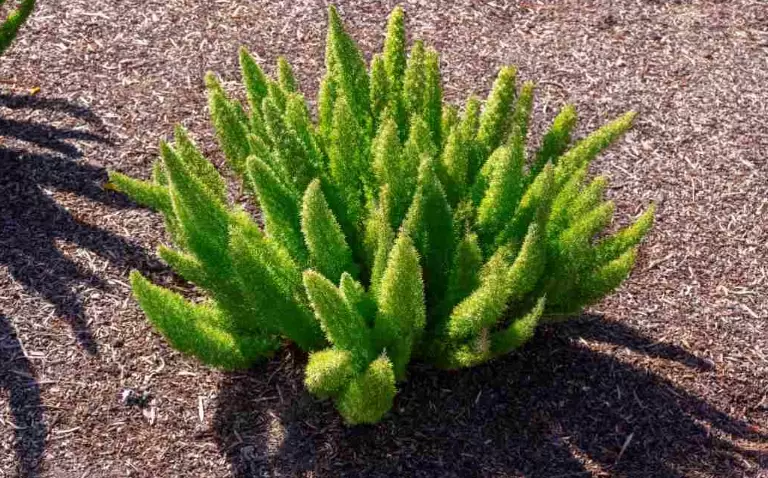
What you're actually bringing home is Asparagus densiflorus 'Meyersii', a member of the asparagus family. Yeah, the same family as your dinner. This little fact is the master key to understanding everything about foxtail fern care. It explains its water needs, its light preferences, and why it can be both incredibly forgiving and oddly fussy at the same time. If you've ever killed one by treating it like a Boston fern, you're not alone. I've been there, watering it lovingly into a soggy grave. But once you know what it really is, keeping it happy becomes almost easy.
This guide is for anyone who's been charmed by those bottlebrush-like fronds and wants to see them thrive, not just survive. We're going to dig into the real dirt on foxtail ferns – from finding the perfect spot in your house or garden to fixing problems before they start.
Getting to Know Your Foxtail Fern (The Real Story)
So why does everyone call it a fern if it isn't one? Simple answer: it looks the part. Those soft, needle-like leaves (called cladodes) are arranged densely around upright stems, creating that classic, fluffy "foxtail" or "spear" shape that can arch over gracefully as it matures. It's a textural dream in the garden, offering something different from broad leaves or flowers.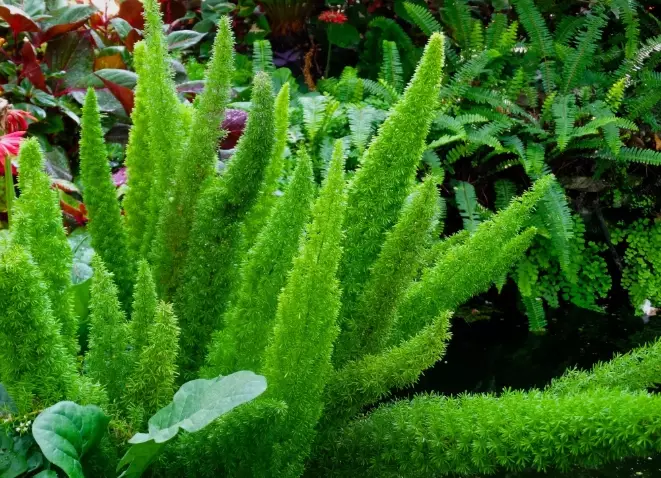
It's a perennial evergreen in warm climates (think USDA zones 9-11), which means in places like Florida or Southern California, it's a year-round structural plant. For the rest of us, it makes a fantastic container specimen that can summer outdoors and winter inside. It's native to South Africa, which gives you big clues about what it likes: bright light, good drainage, and not being constantly wet.
Here's a quick rundown of what makes it tick:
- Growth Habit: It grows from tuberous roots, which are basically little underground storage tanks. This is its secret weapon against drought and part of why it's considered low-maintenance. The stems emerge from a central crown and can reach 2 feet tall and wide, sometimes more in ideal conditions.
- The "Flowers" and Berries: In summer, mature foxtail ferns may produce tiny, white or pinkish, bell-shaped flowers. They're fragrant, which is a nice bonus. If pollinated, these develop into showy, bright red berries. A word of caution – those berries are toxic if ingested. They're pretty, but keep them away from kids and curious pets.
- Longevity: A well-cared-for foxtail fern is a long-term companion. It's not a disposable annual. With proper care, it can be with you for many years, slowly expanding and becoming more impressive.
The Perfect Home: Light, Soil, and Planting
This is where knowing it's an Asparagus pays off. You can't just stick it in a dark corner and hope for the best.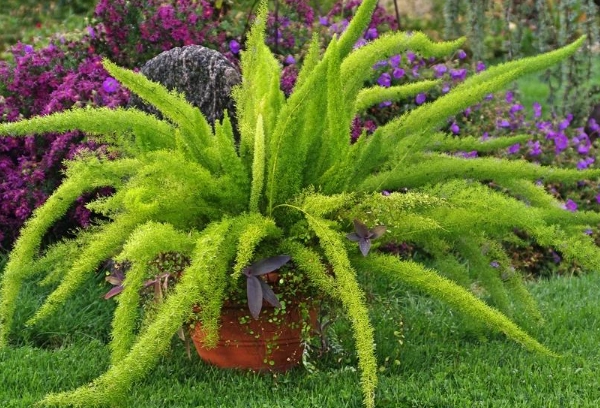
Light Requirements: How Much Sun is Just Right?
Foxtail ferns love bright, indirect light. Think of the dappled light under a tree canopy. An east-facing window where it gets the gentle morning sun is ideal indoors. A south or west window can work too, but you might need to pull it back a few feet or use a sheer curtain to filter the intense afternoon rays, which can scorch the delicate "leaves."
Outdoors, partial shade is the sweet spot. Morning sun with afternoon shade, or bright, all-day filtered light. In cooler climates, it can tolerate more direct sun. In hot, desert-like areas, it definitely needs protection from the harsh midday sun.
Signs it's not getting enough light? The stems become leggy, stretching out awkwardly for any light source, and the overall plant looks sparse and pale green, not a robust emerald. Not enough light is a slow death sentence, but too much direct sun is a quick burn.
Soil and Drainage: The Non-Negotiable
This is the most critical part. Those tuberous roots hate sitting in wet soil. It's the fastest way to trigger root rot. The soil needs to be well-draining, almost gritty.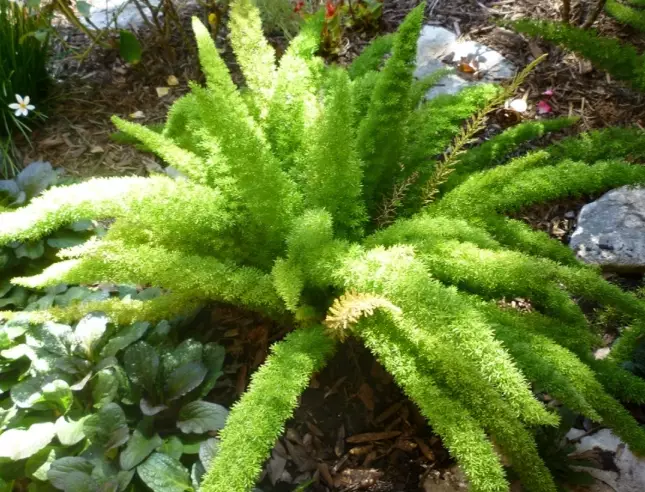
For garden planting, if your soil is heavy clay, you must improve it. Dig a hole twice as wide as the root ball and mix the native soil with a generous amount of compost and some perlite or coarse sand to elevate the planting area and improve drainage. Raised beds are an excellent option for foxtail ferns in less-than-ideal ground.
To Pot or to Plot?
Containers offer maximum control, which is why I generally prefer them for foxtail ferns. You can move them with the seasons, control the soil mix perfectly, and manage water precisely. Choose a pot with excellent drainage holes—never a pot without them. A slightly snug pot is better than an overly large one, as too much soil stays wet longer and can encourage rot.
Planting in the ground is great if you live in a suitable climate. It allows the plant to spread its roots and achieve its full, bushy potential. Just be mindful of its spreading habit; it can be moderately aggressive in perfect conditions.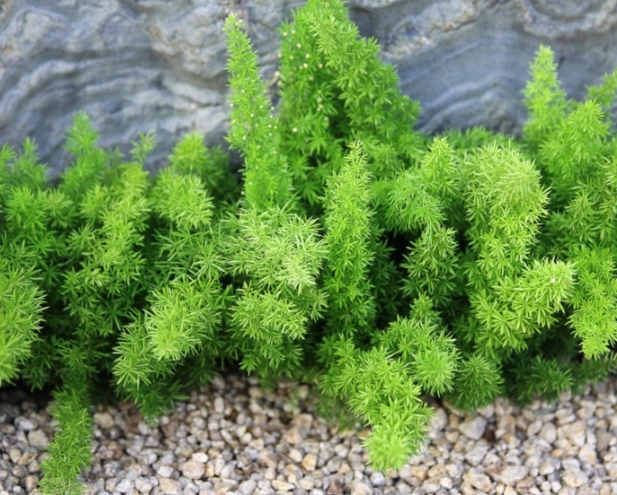
The Daily (and Not-So-Daily) Care Routine
Caring for a foxtail fern isn't about a strict schedule. It's about observing and responding. Here’s a breakdown of what it needs.
| Care Aspect | What to Do | What to Avoid | Signs of Trouble |
|---|---|---|---|
| Watering | Water deeply when the top 1-2 inches of soil feel dry. Let water run out the bottom. In winter, reduce frequency significantly. | Keeping the soil constantly moist. Watering on a fixed schedule regardless of conditions. | Yellowing, mushy stems (overwatering). Dry, crispy brown needles dropping (underwatering). |
| Feeding | Feed monthly during active growth (spring/summer) with a balanced, water-soluble fertilizer diluted to half strength. | Over-fertilizing, especially in fall/winter. Using high-nitrogen fertilizers that promote weak growth. | Salt buildup on soil surface, brown leaf tips, lack of new growth. |
| Humidity | Appreciates moderate humidity. Mist occasionally, use a pebble tray, or group with other plants. | Placing right next to dry heat vents or in extremely arid rooms without compensation. | Brown, crispy needle tips, especially in winter. |
| Temperature | Prefers average room temps (65-75°F). Can tolerate down to about 50°F. | Exposure to frost or freezing temperatures. Sudden cold drafts. | Blackened, mushy foliage (cold damage). Rapid leaf drop. |
Watering: The Art of Neglect (Almost)
The watering needs of foxtail ferns are where most people trip up. It's drought-tolerant thanks to those tubers, but it's not a cactus. Think of it as preferring a good drink followed by a period where the soil approaches dryness. The "soak and dry" method is perfect. Stick your finger in the soil. If it's dry an inch or two down, it's time to water. Pour water evenly over the soil until it freely drains from the bottom, then let it be.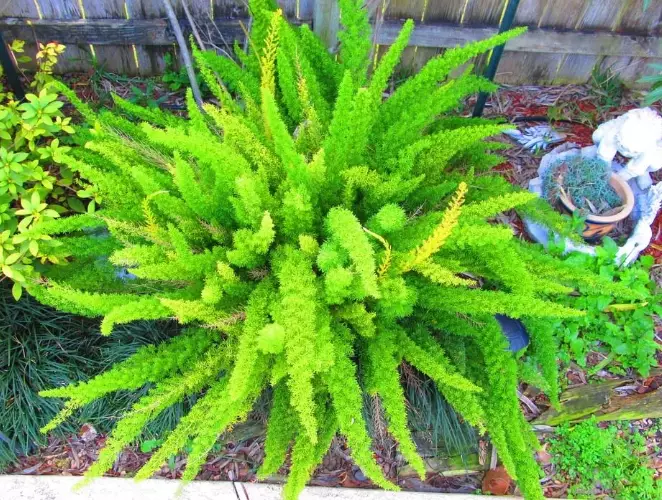
In winter, when growth slows or stops, you might only need to water every few weeks. The plant is semi-dormant and uses very little water. Overwatering in winter is public enemy number one.
To Feed or Not to Feed?
Fertilizer isn't strictly necessary if you repot with fresh soil every couple of years, but it does encourage lusher growth. A balanced fertilizer (like a 10-10-10) works well. I'm a fan of fish emulsion or seaweed-based fertilizers because they're gentle and add micronutrients. Just remember the golden rule: dilute it. Half the recommended strength is plenty for foxtail ferns. Too much fertilizer leads to weak, floppy growth and can burn the roots.
Keeping It Looking Its Best: Pruning and Repotting
Foxtail ferns are naturally tidy, but they benefit from a little grooming.
Pruning – It's Mostly Grooming
You don't need to heavily prune a foxtail fern. The main goals are to remove any dead, yellow, or damaged stems at the base to keep the plant healthy and looking fresh. You can also trim back any awkwardly long or arching stems to maintain a more compact shape. Use clean, sharp scissors or pruners. The best time to do this is in early spring, just before the new growth erupts.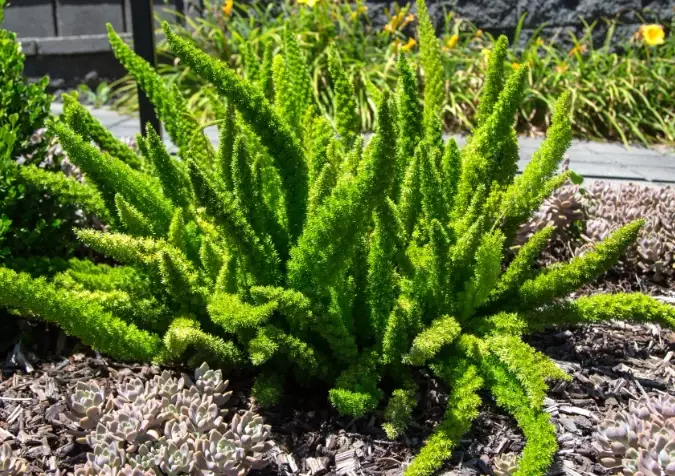
Sometimes, an older plant center can get a bit woody and bare. If this happens, you can be more aggressive and cut the entire plant back to about an inch or two above the soil line in spring. It sounds drastic, but it will usually respond by sending up a flush of new, vigorous growth from the roots.
Repotting – Don't Rush It
Foxtail ferns don't mind being slightly root-bound. In fact, they often perform better when their roots are cozy. Repot only when you see roots growing out of the drainage holes, or when the plant has clearly stopped growing and dries out impossibly fast. This is typically every 2-3 years.
When you do repot, only go up one pot size (e.g., from a 6-inch to an 8-inch pot). Gently loosen the root ball and place it in the new pot with fresh, well-draining mix. Spring is the ideal time for this operation.
Common Problems and How to Solve Them
Even the easy-going foxtail fern has its issues. Here are the big ones.
- Yellowing Stems/Needles: This is the most common cry for help. Usually, it's overwatering. Check the soil. Is it soggy? Let it dry out thoroughly. Could also be a lack of light or, less commonly, a need for fertilizer if the plant has been in the same soil for years.
- Brown, Crispy Tips: Low humidity or underwatering. Increase humidity with a pebble tray or occasional misting, and check your watering frequency.
- Dropping Needles: A sudden change in environment (moving it, drastic temperature swing), drought stress, or a cold draft. The plant is shedding to conserve resources.
- Pests: They're relatively pest-resistant, but can occasionally attract mealybugs (look like tiny cotton balls), scale (bumpy brown spots), or spider mites (fine webbing, stippled leaves). Isolate the plant, wipe pests off with alcohol-dipped cotton swabs, or treat with insecticidal soap or neem oil. Good airflow helps prevent spider mites.
- No New Growth: It could be dormant (winter), need more light, need fertilizer, or be severely root-bound. Assess the season and conditions.
Foxtail Fern FAQs: Answering Your Burning Questions
Let's tackle some of the specific questions people type into Google about these plants.
Is foxtail fern toxic to cats and dogs?
Yes. According to the ASPCA, plants in the Asparagus genus (including A. densiflorus) are toxic to cats and dogs. The berries are the biggest concern, but ingestion of any part of the plant can cause vomiting, diarrhea, and abdominal pain. If you have curious pets, it's best to place your foxtail fern out of reach or opt for a truly pet-safe plant instead.
Can foxtail ferns take full sun?
It depends heavily on your climate. In cool, coastal areas with mild sun, it might handle a few hours of direct sun. In hot, inland, or desert climates, full sun will almost certainly scorch and bleach the plant. Bright, indirect light or morning sun is almost always the safer bet. When in doubt, err on the side of less direct sun.
Why is my foxtail fern turning yellow?
We covered this, but it's the #1 question, so it bears repeating. Nine times out of ten, it's overwatering. Let the soil dry out more between waterings. The other culprit is often poor drainage—the water isn't escaping the pot. The third possibility is a nutrient deficiency if it's been years since feeding or repotting.
How fast do foxtail ferns grow?
They have a moderate growth rate. You'll notice new spears pushing up in spring and summer, and the plant will gradually fill in over a single season. It won't double in size overnight, but given a few years in a good spot, it can become a substantial, bushy specimen.
Can I grow foxtail fern indoors year-round?
Absolutely. In fact, for most people outside zones 9-11, that's the only option for keeping it alive through winter. Just provide the brightest light you can (east or south window), watch your watering, and provide some humidity. It makes a fantastic, architectural houseplant.
Are foxtail ferns invasive?
In the right climate (warm, humid), Asparagus densiflorus and its relatives can naturalize and spread aggressively via its tuberous roots and seeds. It's listed as an invasive species in some places, like Florida, Hawaii, and New Zealand. Always check with your local invasive species council or extension service before planting it in the ground. In a container, its spread is easily controlled.
The Final Word on Foxtail Ferns
Foxtail ferns are deceptive in the best way. They look delicate and fancy but have the heart of a survivor. The key is respecting their true nature as drought-tolerant, sun-loving asparagus relatives, not moisture-loving ferns. Give them bright, indirect light, fantastic drainage, and water only when needed, and they will reward you with years of unique, textural beauty.
They're not completely foolproof—that yellowing from overwatering is a rite of passage for many plant parents. But once you get the rhythm down, they become one of those reliable, statement plants that always draws a compliment. Whether as a sleek indoor accent, a potted patio thriller, or a lush groundcover in a frost-free garden, the foxtail fern earns its popularity. Just don't call it a fern to its face.


Comments