In This Guide
- Why Sunlight Isn't Just Optional for Aloe Vera
- How Much Sun Do Aloe Vera Plants Actually Need?
- A Practical Guide to Aloe Vera Sunlight by Location
- Reading Your Aloe's Leaves: The Ultimate Diagnosis Tool
- Common Questions (And Real Answers) About Aloe and Sun
- Advanced Tips for the Aloe Enthusiast
- The Bottom Line: Your Action Plan
You brought home that cute little aloe vera plant from the store. It looked so healthy and plump. You found a nice spot for it on a shelf, maybe in your kitchen or living room. Weeks go by, and you notice something's off. The leaves aren't as firm. The color seems a bit faded. It's just... not thriving. And the big question pops into your head: do aloe vera plants need sun? Maybe you've heard conflicting advice. "They're succulents, they love full sun!" says one friend. "Mine is doing great in my bathroom with no window!" says another. It's confusing.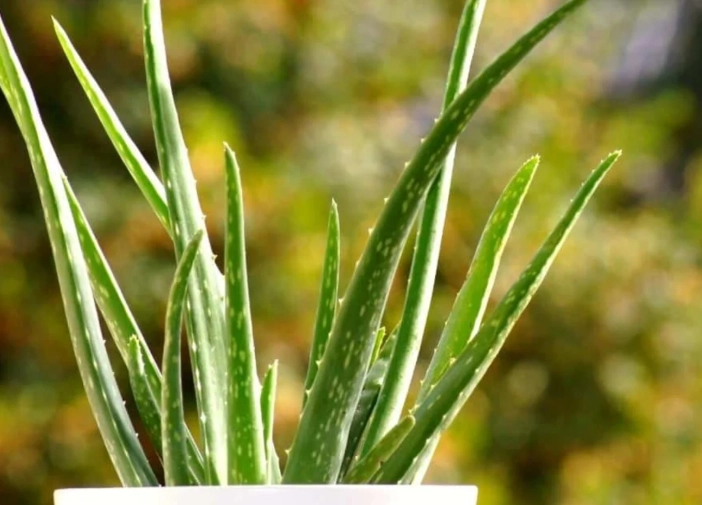
I've been there. I killed my first aloe vera by assuming it was like a cactus and could handle the blazing afternoon sun on my west-facing patio. Turns out, I was wrong in a very crispy, brown way. Through trial and error (and rescuing many plants since), I've learned the real, nuanced answer. So, let's cut through the noise.
The short, direct answer is YES. Aloe vera plants absolutely need sunlight to survive and thrive. They are photosynthetic plants, not decorative rocks. But—and this is a huge but—the type, amount, and intensity of that sun is where most people, including my past self, get it completely wrong. It's not a simple "more is better" situation.
Think of it like this: aloe vera needs a steady, reliable source of bright light to run its internal engine. Without it, the engine sputters and eventually stops. But give it jet fuel (intense, direct midday sun) when it only needs premium gasoline (bright, indirect light), and you'll have problems too. This guide will walk you through everything, from the basic science to the practical, hands-on tips you can use today to get your aloe's light situation just right.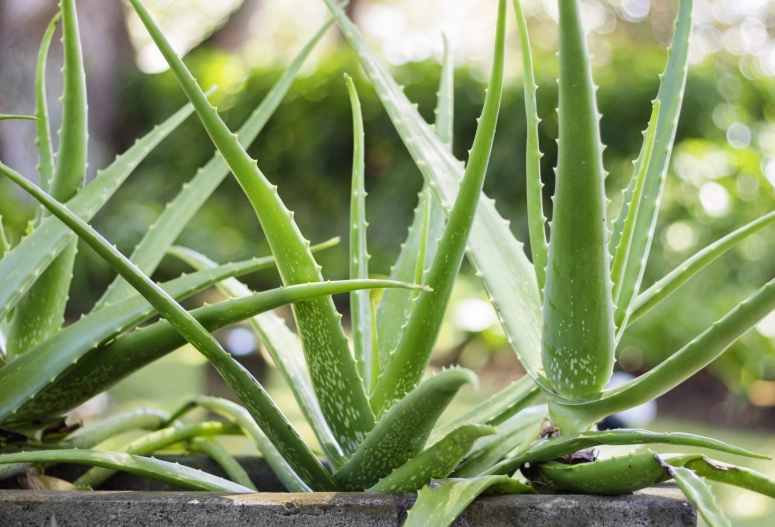
Why Sunlight Isn't Just Optional for Aloe Vera
Let's get a bit science-y, but I promise to keep it simple. Aloe vera leaves are packed with a clear gel that we love for burns. That gel is mostly water. The green outer part of the leaf contains chlorophyll. You remember chlorophyll from school, right? It's the pigment that captures light energy.
Here's the process: Through tiny pores called stomata, the plant takes in carbon dioxide from the air. Using the sunlight captured by chlorophyll, it converts that CO2 and water from its roots (or stored in its leaves) into sugars—its food. This is photosynthesis. No sun, no food factory. The plant starts consuming its own stored resources, becoming weak, leggy, and pale. It's literally starving.
So when you ask, "do aloe vera plants need sun," you're really asking, "Does my aloe plant need to eat?" And the answer is a resounding yes. Sunlight is its primary source of energy.
I made the mistake of treating a variegated aloe like a low-light ZZ plant once. I put it in a dim corner for "decor." Within two months, it lost all its beautiful white stripes, turned a sad, uniform dark green, and the new growth was so stretched out it flopped over. It was a clear, slow-motion cry for light. I had to chop it up and propagate it, starting over in a brighter spot.
How Much Sun Do Aloe Vera Plants Actually Need?
This is the million-dollar question. The generic advice of "bright, indirect light" is a good start, but it's vague. Let's break it down into actionable numbers and scenarios.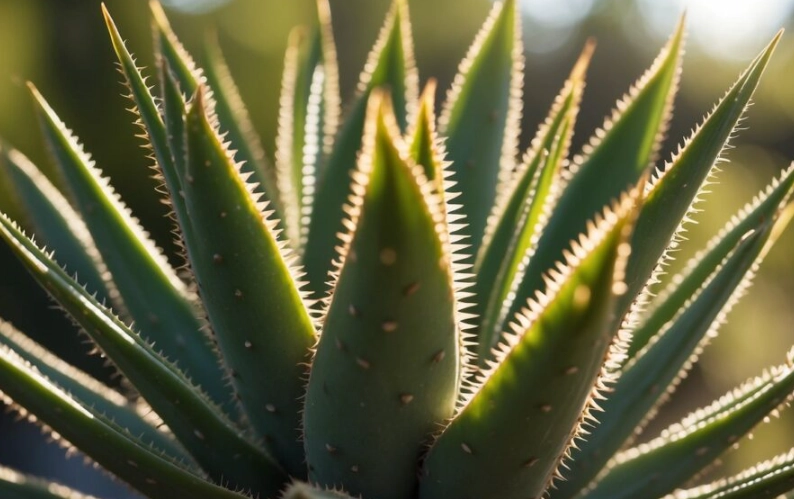
Most gardening experts and research from institutions like the University of Florida IFAS Extension agree that aloe vera thrives with about 6 to 8 hours of bright light per day. But the keyword is bright, not necessarily direct.
The Goldilocks Zone: Not Too Little, Not Too Much
Finding the sweet spot is key. Here’s what happens at the extremes:
Too Little Sun (The Shady Life): This is a slow decline. The plant doesn't die overnight. Instead, it exhibits "etiolation" – a fancy word for stretching. The stem elongates, the leaves become farther apart, and the whole plant gets leggy and weak, reaching pathetically for any light source. The rich green color fades to a pale, yellowish-green. Growth slows to a crawl or stops completely. It becomes susceptible to overwatering because it's not using water efficiently in the absence of light-driven processes.
Too Much Sun (The Sunburn Scenario): This can happen fast, especially if you move a plant from indoors to full, outdoor sun without acclimating it. The leaves, which are adapted to softer light, can't handle the intense UV radiation. They develop brown, crispy, sunburned patches or tips. The entire plant might turn a stressed, reddish-brown or purplish color (a sign of anthocyanin pigments developing as a sunscreen). In severe cases, the leaves can become bleached, thin, and withered. My patio casualty looked like it had been in a tanning bed for 48 hours straight.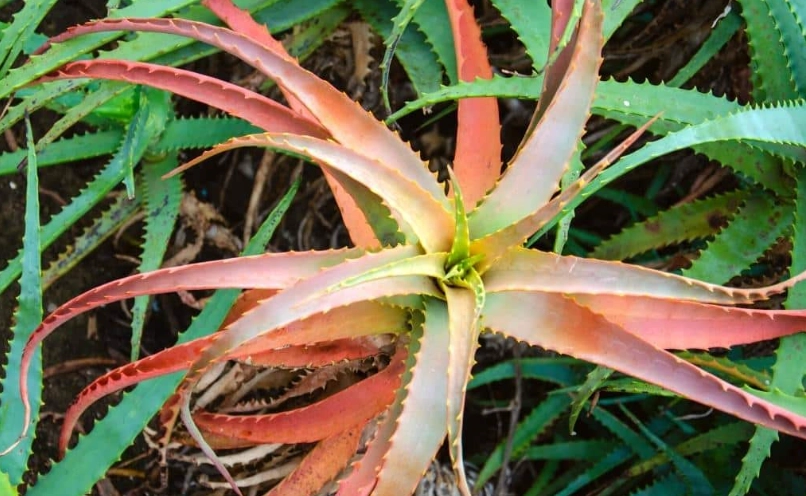
Pro Tip: The ideal light for aloe vera is often described as similar to the light under a tree canopy—dappled sunlight. Or, think of a spot near a sunny window where the sun's rays don't directly hit the leaves for more than an hour or two, but the area is bathed in bright ambient light all day.
A Practical Guide to Aloe Vera Sunlight by Location
Your home or garden setup is unique. Here’s how to assess and adjust.
Indoor Aloe Vera: The Window Game
This is where most aloes live. Window direction is everything.
- South-Facing Window (Northern Hemisphere): The holy grail for light. It gets the most intense and prolonged sun. This is often too much direct sun, especially in summer. Place your aloe a few feet back from the window or use a sheer curtain to diffuse the light. A south window is perfect for providing those 6-8 hours of bright, mostly indirect light.
- East-Facing Window: My personal favorite. It provides gentle, direct morning sun for a few hours, followed by bright indirect light for the rest of the day. It's very hard to burn a plant with morning sun. This is often the perfect, low-stress answer to do aloe vera plants need sun indoors.
- West-Facing Window: Provides strong, hot afternoon sun. This can be harsh. Similar to a south window, you may need to pull the plant back or filter the light. Monitor for signs of browning.
- North-Facing Window: Usually provides consistent but low light levels. This is typically not enough sun for aloe vera to thrive long-term. The plant will likely become etiolated. You'll need to supplement with a grow light.
What if you don't have a good window? Grow lights are a fantastic, modern solution. A simple LED grow light placed 6-12 inches above the plant for 12-14 hours a day can work wonders. Look for full-spectrum lights labeled for succulents.
Outdoor Aloe Vera: Climate is King
If you're lucky enough to live in a warm climate (USDA zones 9-11), you can grow aloe outdoors year-round. In cooler climates, they make great summer patio plants.
The key outdoors is acclimation. Never take an indoor aloe and plop it into full afternoon sun. Start it in full shade for a week, then move to dappled shade for a week, then finally to its permanent spot. A spot with morning sun and afternoon shade is ideal in hot climates. In cooler, coastal climates, they can often handle more direct sun.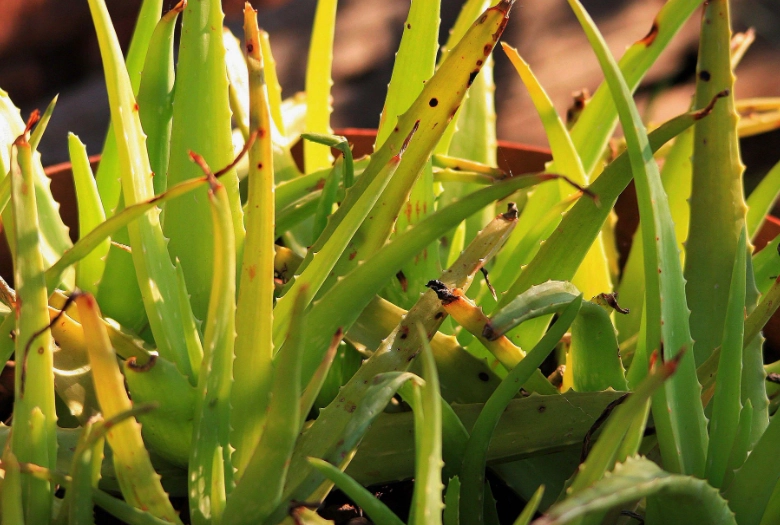
Watch Out For: Rain. Aloe vera hates having wet feet for long. If you keep it outdoors, ensure the pot has excellent drainage and it's not sitting in a saucer full of water after a storm. A covered patio or eaves can be perfect.
Reading Your Aloe's Leaves: The Ultimate Diagnosis Tool
Your plant is talking to you through its leaves. Forget complex rules; learn to read the signs.
| What You See | Likely Light Issue | What to Do |
|---|---|---|
| Leaves are flat, wide, and a vibrant blue-green color. Plant is compact and growing steadily. | Perfect Light! You've nailed it. | Keep doing what you're doing. |
| Leaves are stretching out, long and thin. Space between leaves is increasing. Color is pale green/yellow. | Not Enough Sun. The plant is etiolating. | Gradually move to a brighter location. Consider a grow light. |
| Leaves are turning brown, especially at the tips or on the sides facing the window. Feel dry and crispy. | Too Much Direct Sun. Sunburn. | Move to a spot with less intense, direct light (e.g., behind a sheer curtain, further from window). |
| Leaves are turning a reddish, purplish, or bronze color (not just at tips). | Light Stress. Often from very high light levels. Not always bad if plant is otherwise healthy. | Monitor. If combined with crispy patches, it's too much. If plant is firm, it may just be "tanning." |
| Lower leaves are becoming soft, mushy, and translucent (not crispy brown). | Overwatering, often exacerbated by low light. The plant can't use the water. | Stop watering immediately. Check roots for rot. Increase light exposure to help it dry out and use water. |
See? It's not so mysterious. Your aloe is giving you constant feedback. The question "do aloe vera plants need sun" is best answered by looking at your specific plant, not a textbook.
Common Questions (And Real Answers) About Aloe and Sun
Can aloe vera survive in low light or no sunlight at all?
Survive? For a while, maybe. It's a tough plant. But it will not thrive. It will exist in a state of slow decline, becoming etiolated and weak. It certainly won't produce offsets (pups) or grow meaningfully. For a healthy, happy aloe that might even flower one day, adequate light is non-negotiable.
My aloe is in a sunny window but still seems unhappy. Why?
A few possibilities. First, is the sun through the glass? Modern double-paned windows can filter out a significant amount of the useful light spectrum. Second, are you overwatering? In a hot window, soil dries faster, but the plant might still be getting more water than it can process. Third, check for drafts. A hot, sunny spot right next to a leaky window in winter can create extreme temperature swings that stress the plant.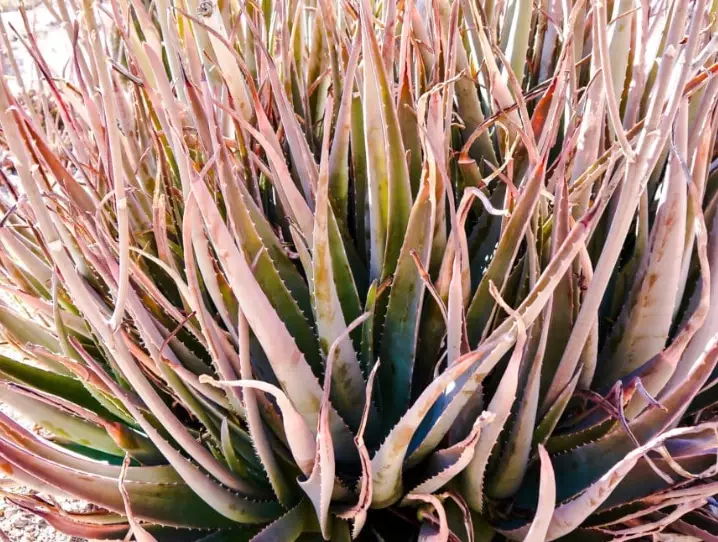
Is artificial light enough for aloe vera plants?
Yes, absolutely. But not just any old desk lamp. You need a light specifically designed for plant growth (a grow light) that provides the full spectrum of light, including blue and red wavelengths crucial for photosynthesis. A standard LED or fluorescent bulb won't cut it for the long term. Many indoor gardeners, myself included, use grow lights to keep succulents perfect on shelves away from windows.
Do aloe vera plants need direct sun or is indirect okay?
This is the core of the confusion. They prefer bright indirect light for the majority of the day. A couple of hours of gentle direct sun (like morning sun) is beneficial and often ideal. Harsh, midday direct sun, especially through glass, is often too intense and leads to scorching. So aim for bright indirect, with a dash of direct if possible.
You get the idea. The needs are specific but not complicated.
Advanced Tips for the Aloe Enthusiast
Once you've mastered the basics, here are some finer points to optimize your aloe's light intake and health.
Rotate Your Plant: Aloe will naturally grow towards the light source. Give the pot a quarter turn every time you water. This promotes even growth and prevents a lopsided, leaning plant.
Seasonal Adjustments: The sun's angle and intensity change with the seasons. A spot that's perfect in winter (when the sun is lower and weaker) might become a scorching hotspot in summer. Be prepared to move your plant a few feet back from the window in summer, or pull it closer in winter. The Royal Horticultural Society notes that while aloes enjoy warmth, protection from the fiercest summer sun is advisable.
Light and Water are a Team: This is critical. Your watering schedule should be directly tied to light levels. A plant in bright, warm light will dry its soil much faster and use more water. Water thoroughly, then let the soil dry out completely before watering again. A plant in lower light needs water far less frequently. Overwatering in low light is the most common killer of aloe vera.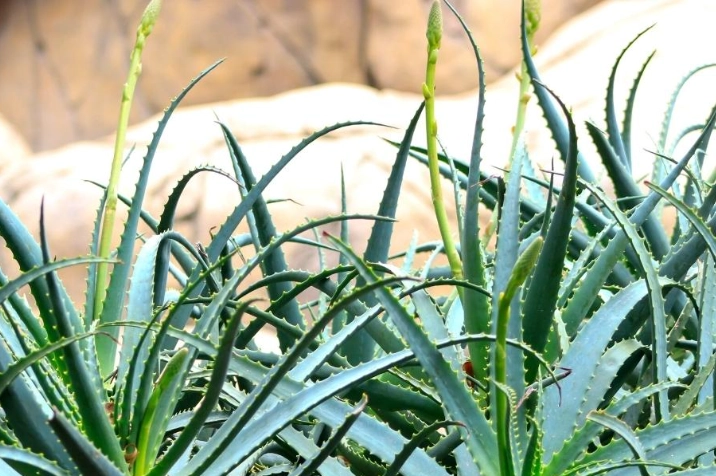
Cleaning the Leaves: Dust on the leaves acts like a sunscreen, blocking precious light. Every few months, gently wipe the leaves with a damp, soft cloth. You'll be amazed at how much greener and more efficient the plant looks afterward.
I use a simple light meter app on my phone (they're not lab-accurate, but they're great for relative comparisons) to scout spots in my house. It showed me that my "bright" living room corner was actually in the "low light" range for plants, which explained why nothing thrived there. It's a handy, cheap tool.
The Bottom Line: Your Action Plan
So, after all this, what's the final verdict on whether do aloe vera plants need sun?
Yes. Unequivocally yes. But it's about providing the right kind of sun.
- Find a Bright Spot: Aim for a location that gets several hours of bright light, ideally with some gentle morning or late afternoon sun. An east-facing windowsill is a prime candidate.
- Watch for Signs: Your plant will tell you if it's happy. Vibrant color, compact growth, and firm leaves are your goals. Stretching means move it closer to light. Browning means pull it back.
- Acclimate for Changes: Never shock your plant with a sudden, drastic light change. Move it gradually over a week or two.
- Pair Light with Proper Care: Adjust your watering to match the light and season. Use well-draining soil. A happy aloe in good light will reward you with pups, giving you more plants to share or fill your space.
Forget the myth of the indestructible plant that grows in a dark closet. That's a different plant. Aloe vera is a sun-loving succulent that asks for a simple, bright spot to call home. Give it that, and it will be a resilient, beautiful, and useful companion for years to come. It might even surprise you with a tall, beautiful flower spike—a true sign you've provided everything it needs, sunlight included.
Now go check on your aloe. What's it trying to tell you?

Comments