You've noticed your aloe vera looking a bit cramped, maybe tipping over, or the soil just won't hold water anymore. It's time for a new pot. Transplanting aloe vera sounds simple, but get a few details wrong, and you can set your plant back months or even cause root rot. I've killed my fair share of succulents by being too hasty, so let's walk through this together, slowly. The goal isn't just survival—it's helping your aloe thrive and produce those plump, gel-filled leaves we all love.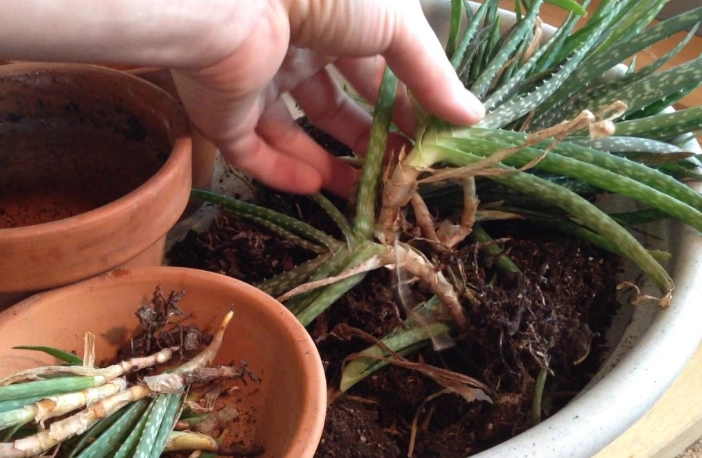
Your Quick Guide to a Perfect Aloe Move
When Is It Absolutely Time to Transplant?
Aloes like being snug, but not strangled. Here are the undeniable signs your plant is begging for a new home.
The plant is top-heavy and constantly tipping over. This is the most obvious one. If your aloe looks like it's trying to walk away from its pot, it's time.
Roots are growing out of the drainage holes. A few exploratory roots are fine, but a dense mat poking through means the root system has nowhere left to go.
Pups (baby aloes) are overcrowding the main plant. A healthy aloe produces offsets. If there are more than a couple and they're all fighting for space, it's transplant time. You can separate them or move the whole family to a bigger pot.
The soil dries out incredibly fast or repels water. Old, degraded soil becomes hydrophobic. When you water, it just runs down the sides of the root ball without soaking in. No amount of watering fixes this—you need new soil.
The plant hasn't grown in over a year. Stunted growth is a classic sign of being root-bound.
Gathering Your Supplies: Don't Skimp on the Pot
Getting the right materials makes all the difference. Here’s what you need, and why.
The Pot: Material and Size Are Key
Material: Terra cotta or unglazed ceramic pots are my top choice for aloe. They're porous, which allows the soil to dry out more evenly and prevents the dreaded "wet feet." Plastic pots are okay if you're a very disciplined waterer, but they retain moisture much longer. I've lost more aloes in plastic pots than I care to admit.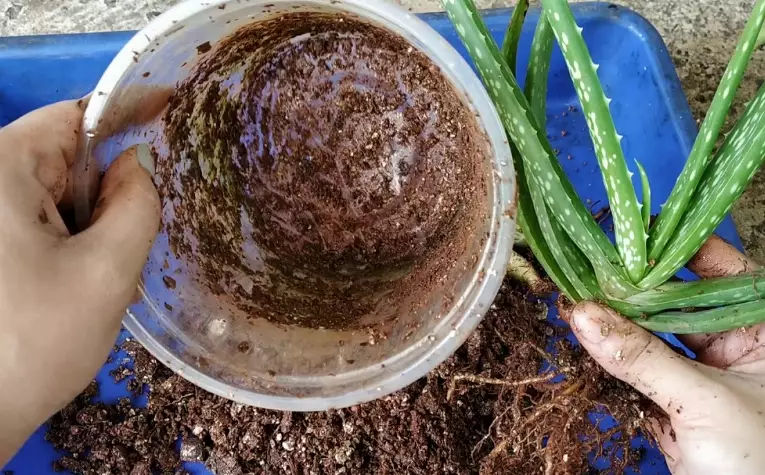
Size: This is where most beginners go wrong. Do not over-pot. Aloe roots prefer a cozy space. Choose a pot that is only 1-2 inches wider in diameter than the current one. A pot that's too large holds excess soil that stays wet, leading to root rot. Depth is also important—a pot that's too deep creates a waterlogged zone at the bottom.
Drainage Hole: Non-negotiable. If your favorite decorative pot doesn't have one, use it as a cache pot. Plant the aloe in a plain plastic nursery pot with holes, and then place that inside the decorative one.
The Soil: This Isn't Regular Dirt
Aloe vera needs fast-draining, gritty soil. Standard potting mix holds too much water. You have two good options:
Option 1: Buy a pre-mixed cactus and succulent soil. It's convenient and works well. Look for a reputable brand.
Option 2: Make your own mix (my preference for control). A simple, effective recipe is:
- 2 parts regular potting soil
- 1 part coarse sand (horticultural sand, not beach sand)
- 1 part perlite or pumice
This creates an airy, well-draining environment that mimics the aloe's natural habitat.
Other Essentials
Gloves: Aloe sap can be a skin irritant for some people.
Newspaper or a tarp: For easy cleanup.
A blunt tool: Like a chopstick or a small trowel, for loosening roots.
Watering can.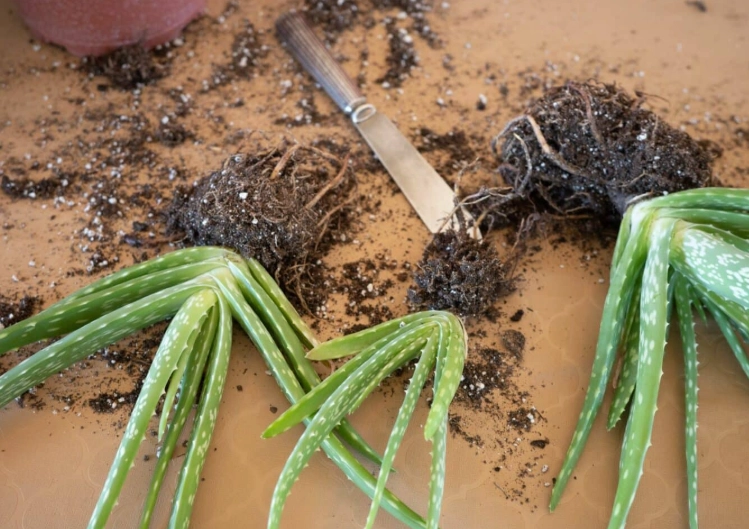
The Step-by-Step Transplanting Process
Let's get our hands dirty. Plan for this to take about 20-30 minutes without rushing.
Step 1: The Dry Run. Do not water your aloe for at least a week before transplanting. You want the soil bone dry. Transplanting wet roots is messy and makes them more prone to tearing and rot.
Step 2: Prepare the New Pot. Place a piece of broken pottery, a mesh screen, or a coffee filter over the drainage hole to prevent soil washout. Add a 1-2 inch layer of your fresh potting mix to the bottom.
Step 3: Gently Remove the Aloe. Tip the current pot on its side. Support the base of the plant with your hand and gently squeeze the pot or tap its sides to loosen the root ball. Ease the plant out. Never pull it by the leaves—you'll snap them.
If it's really stuck, you can run a knife around the inside edge of the pot. For plastic pots, sometimes carefully cutting the pot away is the safest option for the plant.
Step 4: Inspect and Loosen the Roots. This is a critical health check. Shake off the old soil gently. Look for roots that are mushy, black, or smell bad—these are rotten and need to be cut away with clean scissors.
If the roots are wound tightly in a circle (root-bound), use your fingers or a blunt tool to gently tease apart the outer roots. You don't need to comb them all out perfectly, just break the tight circular pattern so they'll grow outward into the new soil.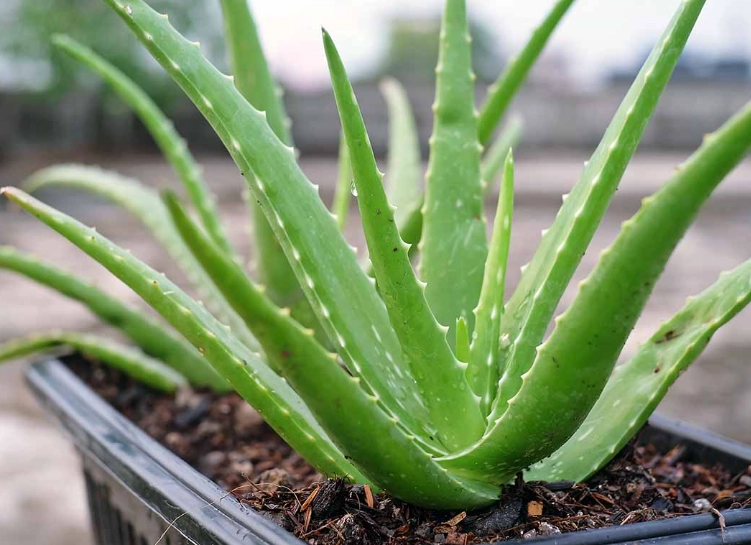
Step 5: Position and Fill. Place the aloe in the center of the new pot. The base of the plant (where the leaves meet the roots) should sit about half an inch to an inch below the pot's rim. Hold it steady and start filling in around the sides with your fresh soil mix.
Gently tap the pot on the table to settle the soil. Avoid packing it down tightly—you want it to remain airy. Add soil until it reaches the base of the plant.
Step 6: The First Watering (The Controversial Step). Here's my non-consensus take: Wait. If your plant was healthy and you did minimal root disturbance, wait 4-5 days before watering. This gives any tiny root abrasions time to heal, preventing rot. If you had to do significant root surgery (cutting rot), wait a full week. Place the repotted plant in bright, indirect light during this waiting period.
After the wait, give it a thorough, deep watering until water runs freely from the drainage hole. This encourages roots to grow downward.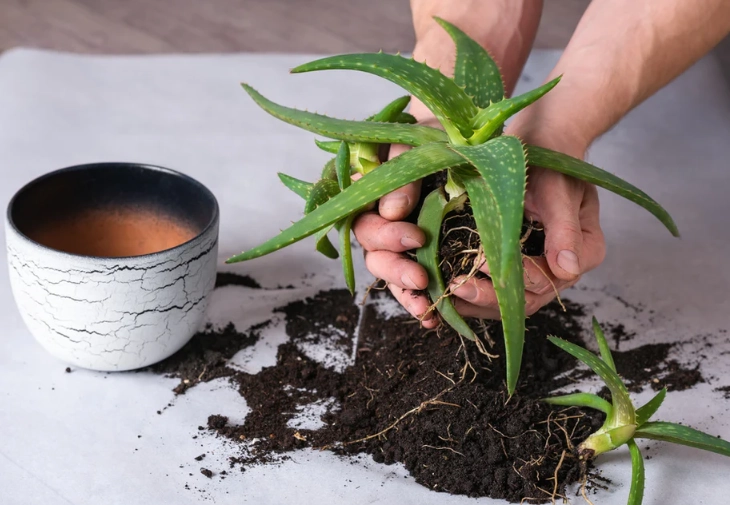
The Critical Post-Transplant Care (Most People Mess This Up)
Your job isn't over. The next few weeks are crucial.
Light: Keep your freshly transplanted aloe in bright, indirect light for 1-2 weeks. No direct, scorching sun immediately. It's in a mild state of shock and needs to recover. After that, you can gradually return it to its usual sunny spot.
Watering: This is the hardest part to get right. After that first deep watering, go back to the classic succulent routine: soak and dry. Water deeply only when the soil is completely dry all the way through. Stick your finger in the soil—if it's damp, wait. In typical indoor conditions, this might mean watering every 2-4 weeks, not weekly.
Hold the Fertilizer. Do not fertilize a newly transplanted aloe for at least 3-4 months. The fresh soil has nutrients. Fertilizing too soon can burn tender new roots.
What to Expect: It's normal for the outermost, older leaves to maybe soften or brown a bit as the plant redirects energy to root growth. Don't panic and overwater. New growth from the center is your sign of success.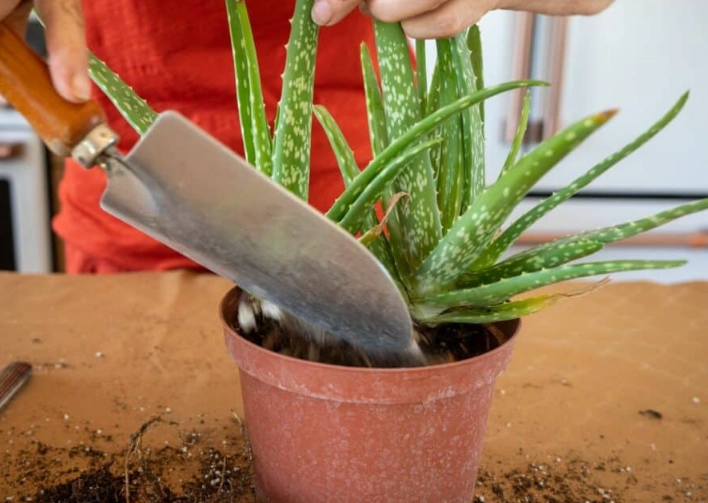
Troubleshooting: What to Do If Things Go Wrong
| Symptom | Likely Cause | Immediate Action |
|---|---|---|
| Leaves turning mushy, brown, or translucent | Overwatering / Root Rot | Stop watering immediately. Unpot, check for rot, cut it away, let callus, and repot in dry soil. |
| Leaves turning thin, wrinkled, and curling inward | Underwatering | Give the plant a thorough soak. If water runs straight through, the soil may be hydrophobic—consider repotting. |
| Plant is wobbly and unstable in the new pot | Soil not settled or roots not established | Add a little more soil for support. You can use a small stake (like a chopstick) and soft tie to prop it up temporarily until roots anchor it. |
| No new growth for months | Transplant shock, low light, or dormant season | Ensure it's getting enough light. Be patient if it's fall/winter. If in spring/summer, check that the pot isn't drastically too large. |


Comments