Guide Highlights
- Forget "Green Thumbs"—It's All About the Right Match
- The Hall of Fame: Tried-and-True Good Indoor House Plants
- Choosing by Your Specific Situation
- Beyond the Pot: The 5-Point Care Checklist
- Quick Comparison: Top Good Indoor House Plants at a Glance
- Answering Your Real Questions (The Q&A)
- Final Thoughts: Start Small, Learn, and Enjoy
Let's be honest. We've all been there. You see a gorgeous, lush plant in a magazine or at a friend's place, buy it in a fit of optimism, and three months later you're left with a sad, crispy stick in a pot of dust. I've killed my share of plants, believe me. A fern that turned to straw, a succulent that melted into mush from over-love (read: overwatering). It's discouraging.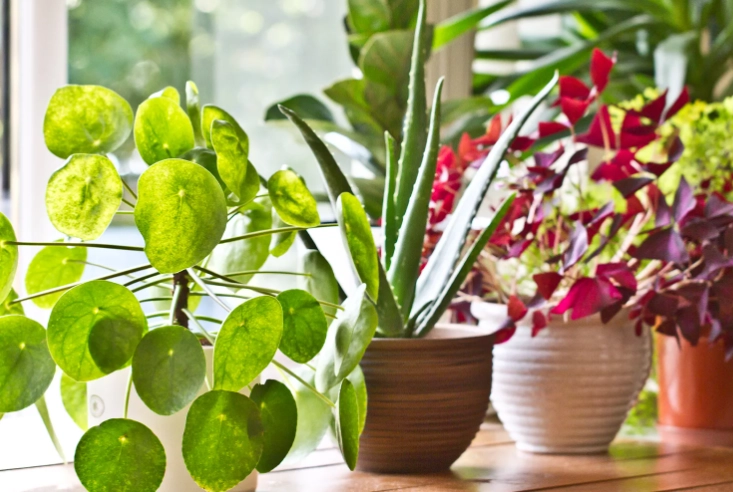
But here's the thing: finding good indoor house plants isn't about having a magic green thumb. It's about matching the right plant to your actual life—your light, your schedule, your tendency to fuss or forget. The goal isn't a botanical conservatory; it's a few living things that make your space feel better without becoming a source of guilt.
This guide is for that. We're skipping the overly technical jargon and the impossibly perfect Instagram setups. We're talking about real, resilient, good indoor plants that can handle a bit of neglect, look beautiful, and actually improve your air and mood. Whether you're in a dark apartment or a sunny loft, whether you're a chronic over-waterer or a serial forgetter, there's a plant out there for you.
Forget "Green Thumbs"—It's All About the Right Match
Before we dive into lists of names, let's figure out what you're really working with. Picking good indoor house plants blindly is the fastest way to the compost bin. You need to be a detective in your own home first.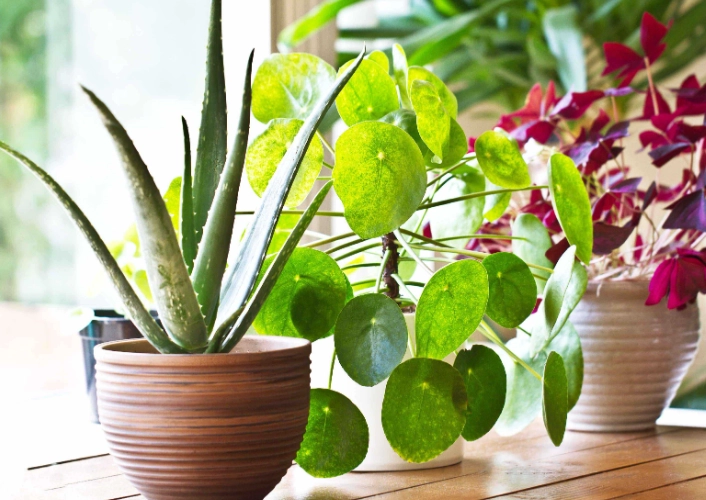
The Light Detective Game
Light is food for plants. Get this wrong, and nothing else matters. Don't just guess "it's pretty bright." Do this:
- South-facing window: This is the VIP lounge. Full, direct sun for most of the day. Great for cacti, succulents, and sun-worshippers. But it can be too intense for some.
- East-facing window: The gentle morning sun spot. Bright but indirect light for the rest of the day. This is prime real estate for many of the best good indoor house plants—enough energy without the scorch.
- West-facing window: The afternoon blast. Similar to east but with stronger, hotter afternoon sun. You might need to filter it with a sheer curtain.
- North-facing window or room interior: The low-light zone. No direct sun, just ambient light. Your choices are more limited, but there are champions for these spaces.
My first apartment had one north-facing window. I learned about low-light plants the hard way after a sun-loving herb garden met a swift demise. It was a salad tragedy.
Your Watering Personality (Be Honest)
Are you a helicopter plant parent, constantly checking the soil? Or do you realize it's been three weeks since you last thought about your green friends? There's no judgment here, only categorization.
- The Forgetter: You need plants that thrive on neglect. Think thick leaves, succulent stems, plants that store water. They'll forgive your busy life.
- The Enthusiastic Over-waterer: You love too much. Your plants drown in affection. You need plants that like consistently moist soil or excellent drainage to handle your zeal.
- The Consistent Caretaker: You don't mind a schedule. You can check soil moisture weekly. The world of good indoor plants opens up widely for you.
Once you've got a handle on your light and your watering tendencies, choosing becomes so much easier. It's not about finding the "best" plant in the world; it's about finding the best plant for *your* world.
The Hall of Fame: Tried-and-True Good Indoor House Plants
These plants have earned their reputation. They're popular for a reason: they're tough, adaptable, and generally good-natured. Consider this your starter shortlist.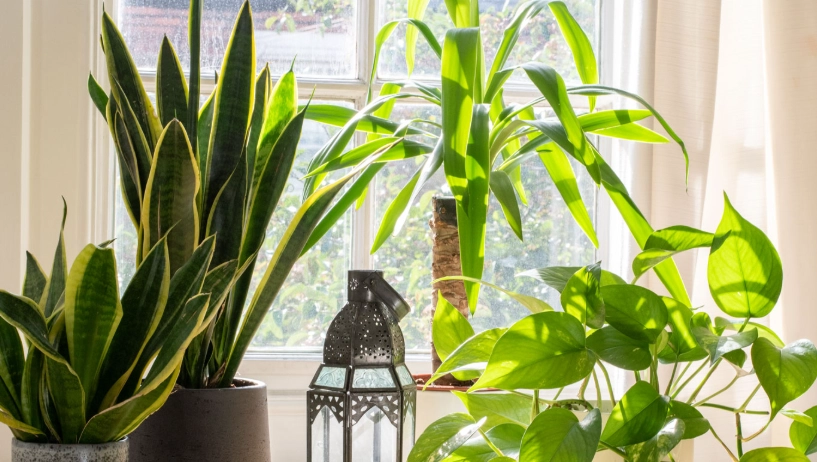
The Unkillables (Almost)
If plant death haunts you, start here. These are the forgiving friends.
Snake Plant (Sansevieria / Dracaena trifasciata): The undisputed champion of neglect. It practically thrives on being ignored. Vertical, architectural leaves in green or variegated patterns. It tolerates low light (though grows slower) and drought like a champ. The only way to kill it is with constant soggy soil. An excellent air purifier, too. NASA's Clean Air Study famously listed it for removing toxins like formaldehyde and benzene.
ZZ Plant (Zamioculcas zamiifolia): Another legend. Glossy, dark green leaves that look almost fake because they're so perfect. It stores water in its potato-like rhizomes, so it can go weeks without a drink. It's fine in low light, though again, brighter light encourages faster growth. Seriously, it's hard to go wrong.
Pothos (Epipremnum aureum): The classic trailing vine. Heart-shaped leaves, often variegated with white or yellow. It grows fast, trails beautifully from a shelf, and tells you what it needs. Leaves go limp when thirsty, then perk up a few hours after watering. Tolerates low light but variegation is better in medium light. You can chop and propagate it in water endlessly—it's the plant that keeps on giving.
See a pattern?
Thick leaves, water-storing abilities, and a relaxed attitude. That's the core of a beginner-friendly, good indoor house plant.
The Beautiful & Breezy
These offer more visual variety but are still very manageable.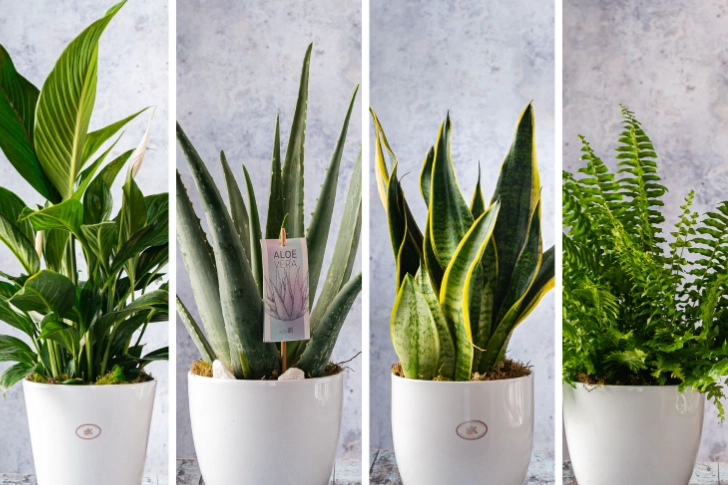
Spider Plant (Chlorophytum comosum): Lush, grassy leaves that arch gracefully. It produces little "pups" or "spiderettes" on long stems—free plants! It's non-toxic, great for hanging baskets, and prefers to dry out a bit between waterings. Brown tips? Usually from fluoride in tap water or under-watering. Just snip them off.
Peace Lily (Spathiphyllum): Don't let the elegant white flowers fool you—this plant is tough. It's one of the best good indoor house plants for lower light conditions and will dramatically droop when thirsty, making it impossible to ignore its needs (a great feature for beginners!). Water it and it stands back up in hours. It prefers consistently moist soil. Keep it away from direct sun, which scorches its leaves.
Chinese Money Plant (Pilea peperomioides): The trendy one with the cute, round, pancake-like leaves on upright stems. It's easy to care for, liking bright, indirect light and watering when the top inch of soil is dry. It happily produces little baby plants at its base that you can separate and share. A social media star for good reason.
Choosing by Your Specific Situation
Generic lists are fine, but let's get specific. What problem are you trying to solve?
Good Indoor House Plants for Low Light
North-facing room? Office with no windows? You have options.
- Snake Plant and ZZ Plant (our champions from above) are top contenders.
- Cast Iron Plant (Aspidistra elatior): The name says it all. Incredibly tolerant of low light, irregular watering, and temperature fluctuations. It grows slowly and has deep green, strappy leaves.
- Heartleaf Philodendron: A vining plant similar to Pothos but with slightly darker, solid green leaves. It's incredibly adaptable and will trail happily in low to medium light.
- Dracaena varieties (like ‘Janet Craig’ or ‘Warneckii’): These tall, tree-like plants with striped leaves do well in filtered light away from direct sun.
A crucial note: "Low light" does not mean "no light." All plants need some ambient light to photosynthesize. A completely dark corner will kill even the most tolerant plant. If you have zero natural light, you'll need to invest in a grow light.
Good Indoor House Plants for Sunny Windows
If you've got that bright south or west exposure, lean into it! Many flowering plants need this kind of energy.
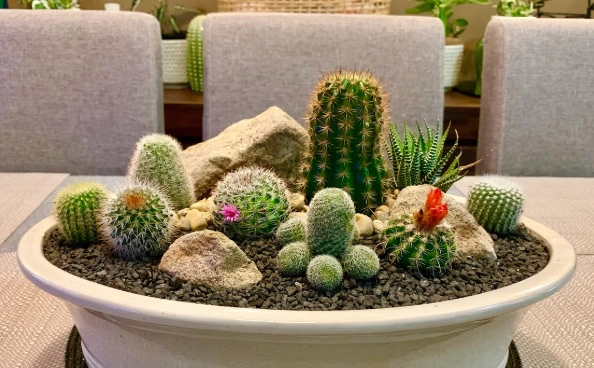
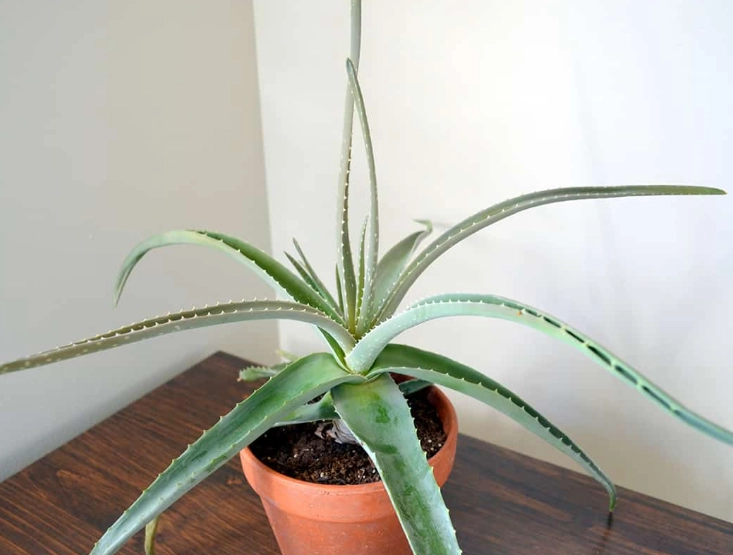
- Succulents & Cacti: The obvious choice. Jade Plant, Aloe Vera, Echeveria, Haworthia. They need the sun and infrequent, deep watering. Let the soil dry out completely.
- Bird of Paradise (Strelitzia reginae): For a big, bold, tropical statement. Large, banana-like leaves love bright, direct light. It can grow quite tall indoors.
- Fiddle Leaf Fig (Ficus lyrata): The finicky diva of the plant world, but give it a consistent spot with very bright, indirect light (direct hot sun can scorch it) and it can thrive. It dislikes being moved and is sensitive to overwatering. A challenge, but a beautiful one for a sunny spot.
- Herbs (Basil, Rosemary, Thyme): Want useful good indoor house plants? A sunny kitchen window is perfect for a small herb garden. They need lots of light and regular watering.
Safe Good Indoor House Plants for Pets & Kids
This is non-negotiable if you have curious cats, dogs, or toddlers. The ASPCA maintains a comprehensive list of toxic and non-toxic plants—always double-check there.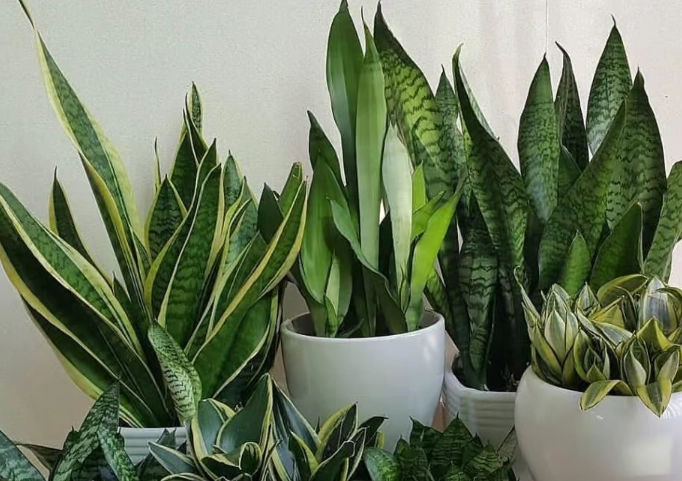
Some great non-toxic options include:
- Spider Plant
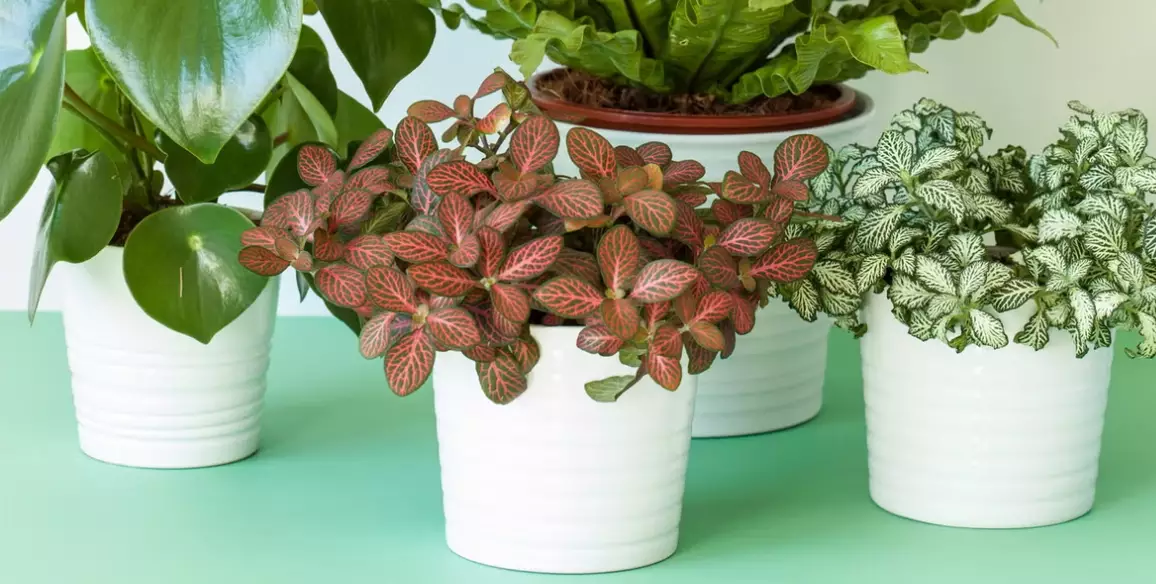
- Boston Fern
- Parlor Palm
- Polka Dot Plant (Hypoestes phyllostachya)
- Certain Peperomia varieties (like the Watermelon Peperomia)
- Air Plants (Tillandsia) – they aren't even in soil!
Important: "Non-toxic" generally means not seriously poisonous, but ingestion can still cause mild stomach upset. It's best to keep all plants out of reach if possible.
Beyond the Pot: The 5-Point Care Checklist
You've picked your plant. Now what? Good indoor house plants need a bit more than just occasional water. Let's break down the essentials without overcomplicating it.
1. Watering: The Biggest Pitfall
Rule #1: Ditch the schedule. Watering every Saturday is a recipe for disaster. Instead, check the soil.
- Finger Test: Stick your finger about 2 inches into the soil. Is it dry? Water. Is it damp? Wait.
- For succulents & cacti: Let the soil dry out completely, then soak it thoroughly. Wait for it to dry out completely again. This cycle mimics desert rains.
- Water thoroughly: When you do water, give it a good drink until water runs freely out the drainage holes. This encourages roots to grow deep. Then, empty the saucer after 15 minutes—no plant likes wet feet.
2. Light: Revisiting the Foundation
Place your plant according to its needs (see above). Rotate the pot a quarter turn every time you water to promote even growth and prevent it from leaning toward the light.
3. Soil & Pot: The Support System
Not all dirt is created equal. Most good indoor house plants come in a decent potting mix, but when you repot:
- Use a well-draining potting mix, not garden soil. For succulents, use a specific cactus/succulent mix.
- Drainage holes are non-negotiable. No holes = root rot waiting to happen. If you love a decorative pot without holes, use it as a cache pot: keep the plant in its plastic nursery pot with holes, and place that inside the decorative one. Take it out to water.
4. Humidity: The Secret for Some
Many popular good indoor house plants are tropical and appreciate humidity, especially in dry, winter-heated homes.
- Group plants together to create a microclimate.
- Use a pebble tray: fill a tray with pebbles and water, set the pot on top (not in the water).
- Mist lightly, but know it's a temporary boost. A humidifier is the gold standard.
- Some plants, like the aforementioned Snake and ZZ plants, don't care much about humidity at all.
5. Feeding: The Occasional Treat
Fertilizer is like vitamins, not food. During the main growing season (spring and summer), you can use a balanced, water-soluble fertilizer diluted to half strength about once a month. In fall and winter, most plants rest—stop fertilizing.
Pro Tip from My Mistakes: When you bring a new plant home, don't immediately repot it or fertilize it. Let it acclimate to its new environment for a few weeks. Stress it with one change at a time.
Quick Comparison: Top Good Indoor House Plants at a Glance
This table might help you visualize and compare some top contenders side-by-side.
| Plant Name | Light Needs | Water Needs | Key Feature / Vibe | Good for... |
|---|---|---|---|---|
| Snake Plant | Low to Bright Indirect | Low (Let dry out) | Architectural, vertical spikes. Ultra-tough. | Forgetful waterers, low light, modern spaces. |
| ZZ Plant | Low to Medium Indirect | Very Low | Glossy, dark green leaves. Almost indestructible. | Very low light, busy people, offices. |
| Pothos | Low to Bright Indirect | Medium (Let top soil dry) | Fast-growing, trailing vine. Very communicative. | Beginners, shelves/hanging pots, easy propagation. |
| Spider Plant | Medium to Bright Indirect | Medium (Let dry a bit) | Grassy, arching leaves. Produces "babies." | Pet owners, hanging baskets, easy care. |
| Peace Lily | Low to Medium Indirect | Medium to High (Keep moist) | Dark green leaves, white flowers. Dramatic droop when thirsty. | Lower light, those who want a flowering plant. |
| Heartleaf Philodendron | Low to Bright Indirect | Medium (Let top soil dry) | Classic vining plant, heart-shaped leaves. Adaptable. | Similar to Pothos, great for low-light trails. |
Answering Your Real Questions (The Q&A)
How often should I really water my indoor plants?
I'll say it again: there is no universal schedule. It depends on the plant, pot size, soil, light, temperature, and season. A plant in a hot, sunny window in summer might need water weekly. The same plant in a cool, low-light spot in winter might need it monthly. The finger test is your best friend. Learn what "dry" feels like for each plant.
Why are the leaves turning yellow?
The classic distress signal. It usually means one of two things:
- Overwatering: The most common cause. Roots are suffocating. Let the plant dry out more between waterings. Check for root rot.
- Underwatering: Less common, but possible. The plant is sacrificing old leaves to conserve water. The leaves are usually dry and crispy, not soft and mushy.
- Other possibilities: Nutrient deficiency, natural aging (lower, older leaves yellowing slowly), or a sudden draft.
What about bugs? How do I deal with them organically?
It happens to everyone. The usual suspects are fungus gnats (from damp soil), mealybugs (little white cottony blobs), or spider mites (tiny webbing).
- Isolate the affected plant immediately.
- For many pests, a gentle spray with a mixture of water, a few drops of mild dish soap, and a teaspoon of neem oil can work wonders. Wipe leaves with this solution.
- For fungus gnats, let the soil dry out more between waterings. You can put a layer of sand or gravel on top of the soil to break their lifecycle.
- The Missouri Botanical Garden has a great resource on managing common plant pests with detailed, practical advice.
Should I mist my plants?
It's a topic of debate. Misting raises humidity for about 10 minutes. It's fine for giving leaves a clean, and some plants like it, but it won't solve low-humidity problems. For ferns or calatheas that crave humidity, a pebble tray or humidifier is a far more effective solution. For snake plants or ZZ plants? Don't bother.
My plant isn't growing. What's wrong?
First, check the season. Most good indoor house plants slow down or stop growing in fall and winter. That's normal. If it's spring/summer and there's no growth, it's likely a lack of light or nutrients. Move it to a brighter spot (gradually to avoid shock) and consider a light feeding.
I had a Pothos that just sat there for months. Moved it from a dark bookshelf to a spot near an east window (not even in it), and within weeks it sent out a new vine a foot long. Light is everything.
Final Thoughts: Start Small, Learn, and Enjoy
The journey to finding your perfect good indoor house plants is a process. Don't go to the nursery and buy ten plants at once. Start with one or two from the "unkillable" list. Learn their rhythms. Watch how they react to light and water in your specific home.
Success with your first plant builds confidence. Then you can try something a little more challenging. Remember, even expert gardeners lose plants sometimes. It's part of the learning curve.
The goal is to bring a bit of calm, life, and beauty into your space. The best good indoor house plants are the ones that make you happy without adding stress. So pick a tough, forgiving friend, give it a spot with the right light, water it when it's dry, and enjoy watching it live and grow alongside you. You've got this.
Comments