Jump to What Matters
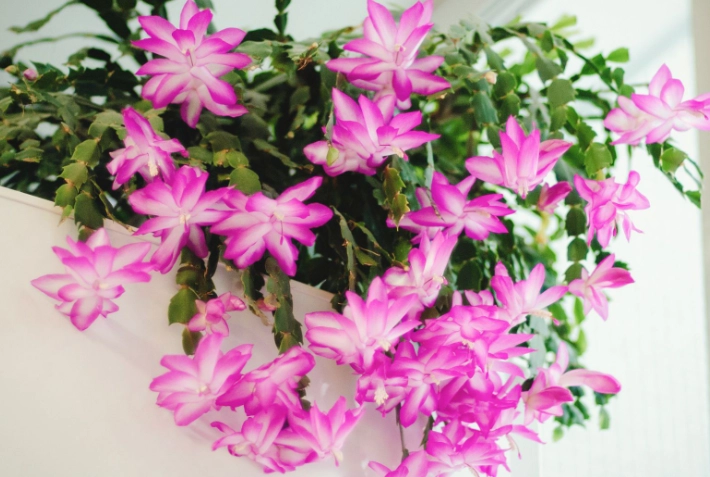
Let's cut to the chase: Christmas cactus typically bloom from late November through December, right around the holidays. But here's the kicker—mine didn't flower for two years until I figured out the light trick. If your plant is sitting there looking green but stubborn, you're not alone. This guide dives into the when, why, and how of Christmas cactus blooming, based on my own mishaps and wins.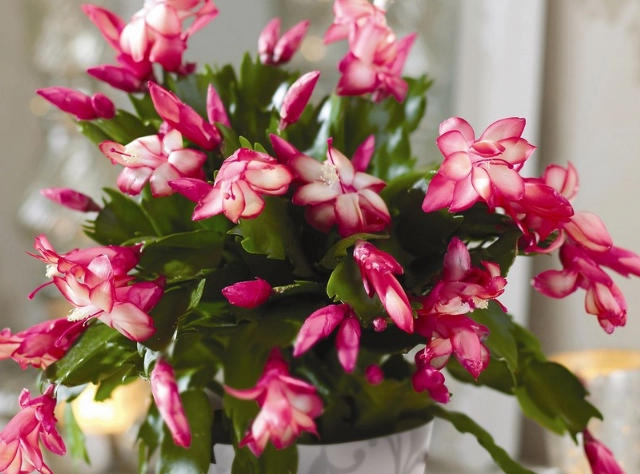
The Bloom Cycle Demystified
Christmas cactus, or Schlumbergera, isn't a true cactus—it's a tropical succulent from Brazil. That means its blooming habits are tied to day length and temperature, not just random luck. In the wild, they flower during the Southern Hemisphere's spring, but as houseplants, they've adapted to Northern Hemisphere winters.
Natural Blooming Season: What to Expect
Most Christmas cactus start budding in early fall, with flowers opening around Thanksgiving and lasting through Christmas. Some varieties, like the Thanksgiving cactus, might bloom a bit earlier. I've seen mine peak in mid-December, but it varies. If you buy one from a nursery in October, it's often forced to bloom early for sales, so don't panic if it skips a year after that.
Key point: Blooming is triggered by shorter days and cooler nights. Think of it as the plant's internal clock saying, "Hey, winter's coming, time to show off."
Factors That Make or Break Blooming
Light is the big one. Christmas cactus need 12-14 hours of darkness daily for about 6 weeks to set buds. Temperature matters too—cool nights around 50-55°F (10-13°C) help. Water and fertilizer play supporting roles, but get light wrong, and nothing happens. I learned this the hard way when I kept mine near a bright window year-round; it grew leaves but no flowers.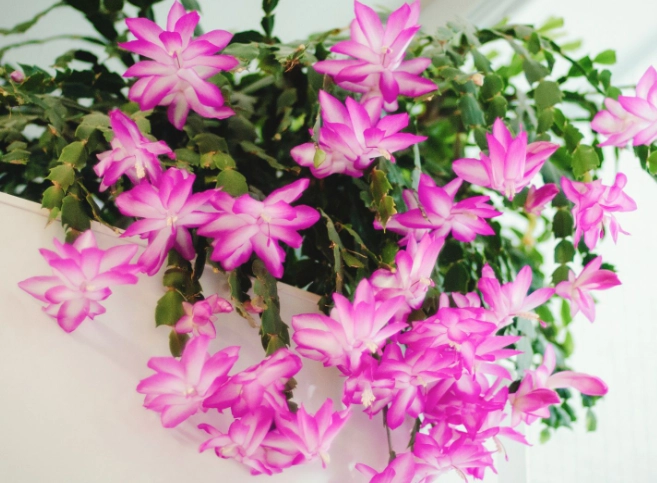
How to Get Those Flowers Popping
Here's my step-by-step approach, refined after killing a few plants early on. It's not rocket science, but attention to detail counts.
Light and Temperature: The Dynamic Duo
From mid-September, place your Christmas cactus in a spot with indirect light during the day and total darkness at night. I use a closet or cover it with a box for 14 hours. Nights should be cool—around 55°F. If your home is too warm, try a cooler room like a basement. This mimics its natural habitat and kicks off budding.
Watering and Feeding: Less Is More
During the bud-setting period, reduce watering slightly. Let the top inch of soil dry out between waterings. Overwatering is a common mistake—it leads to root rot, which I've dealt with. Use a balanced fertilizer monthly in spring and summer, but stop in fall to avoid promoting leaf growth over flowers.
Here's a quick checklist I follow:
- September: Start dark treatment, reduce watering.
- October: Maintain cool nights, watch for buds.
- November: Resume normal light once buds form, water moderately.
- December: Enjoy the blooms, avoid moving the plant.
Fixing Bloom Disasters
If your Christmas cactus isn't blooming, don't just toss it. Most issues are fixable. I've compiled common problems based on forums and my own experience.
| Problem | Likely Cause | Quick Fix |
|---|---|---|
| No buds forming | Insufficient darkness or warm nights | Ensure 12-14 hours of darkness, move to a cooler spot at night. |
| Buds dropping off | Sudden changes in light or temperature | Keep the plant stable once buds appear; avoid moving it around. |
| Plant looks healthy but no flowers | Too much nitrogen fertilizer | Switch to a phosphorus-rich fertilizer in late summer. |
| Leaves turning red or purple | Too much direct sun or cold stress | Move to indirect light; protect from drafts. |
One subtle error I see: people confuse Christmas cactus with Easter cactus. Easter cactus has rounded segments and blooms in spring. If yours flowers in March, you might have the wrong plant—check the leaf shape. Resources like the Royal Horticultural Society note these differences.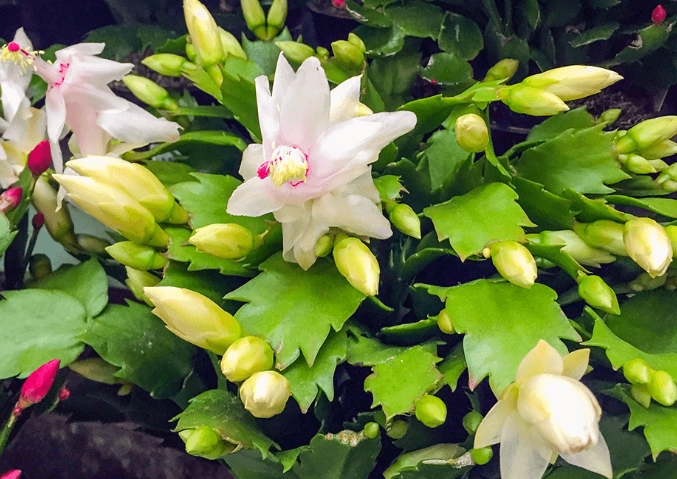
Your Burning Questions Answered
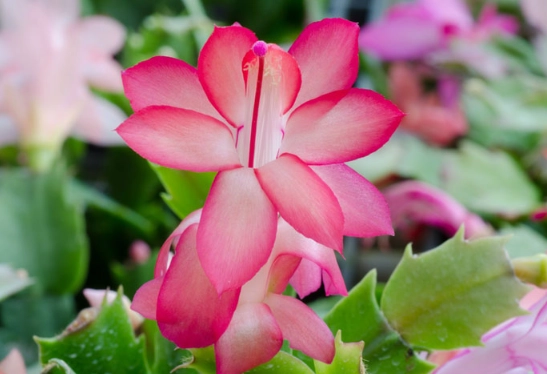
Wrapping up, Christmas cactus blooming boils down to mimicking its natural cues. Get the light and temperature right, and you'll likely see flowers when you want them. It's a rewarding plant—when mine finally bloomed after those two years, it felt like a holiday miracle. Share your stories in the comments; I'd love to hear what worked for you.


Comments