In This Guide
- What Are Aphids and Why Are They Such a Problem?
- Step One: Identification and Damage Assessment
- Immediate Action: How to Get Rid of Aphids on Plants Right Now
- The Long-Term, Sustainable Solution: Working with Nature
- Comparing Your Options: A Quick-Reference Table
- Special Situations and FAQs
- Wrapping It Up: A Sustainable Mindset
You walk out to check on your prized roses, your lush vegetable seedlings, or that houseplant you've been nursing for months. And there they are. Tiny, pear-shaped bugs clustered on the new growth, sucking the life out of your plants. Your heart sinks a little. Aphids.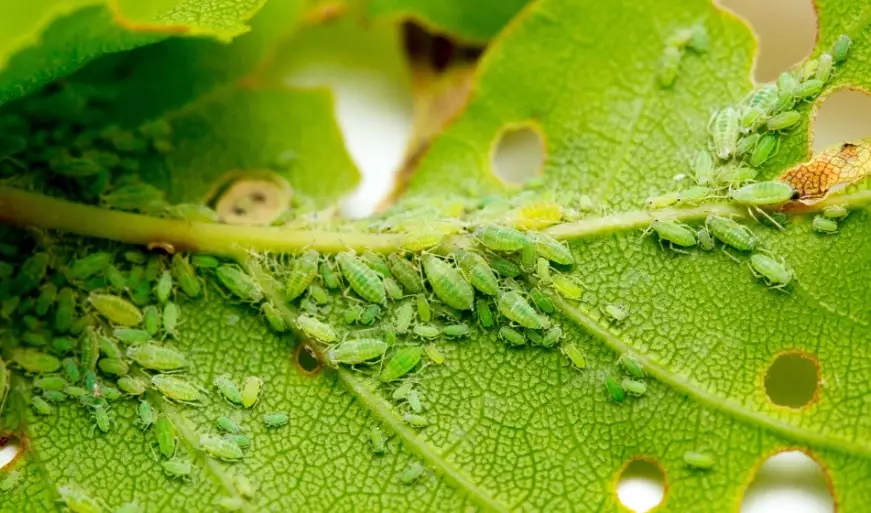
I've been there. I once spent an entire afternoon staring at a black, moving mass on the underside of my milkweed leaves, feeling utterly defeated. But here's the good news: learning how to get rid of aphids on plants is one of the most satisfying skills a gardener can master. It's a winnable battle, and you don't need to declare chemical warfare on your garden to do it.
This guide isn't just a list of quick fixes. We're going to dig deep. We'll talk about why aphids show up in the first place (hint: it's often our fault), how to evict them right now, and, more importantly, how to change your garden so they don't want to come back. We'll cover everything from a gentle blast of water to inviting in their worst nightmares. Let's get started.
What Are Aphids and Why Are They Such a Problem?
First, know your enemy. Aphids are tiny, soft-bodied insects, usually green or black, but they can also be yellow, pink, brown, or even white. They're like the vampires of the insect world. They have specialized mouthparts called stylets that they use to pierce plant stems and leaves and suck out the sap, which is the plant's lifeblood, full of sugars and nutrients.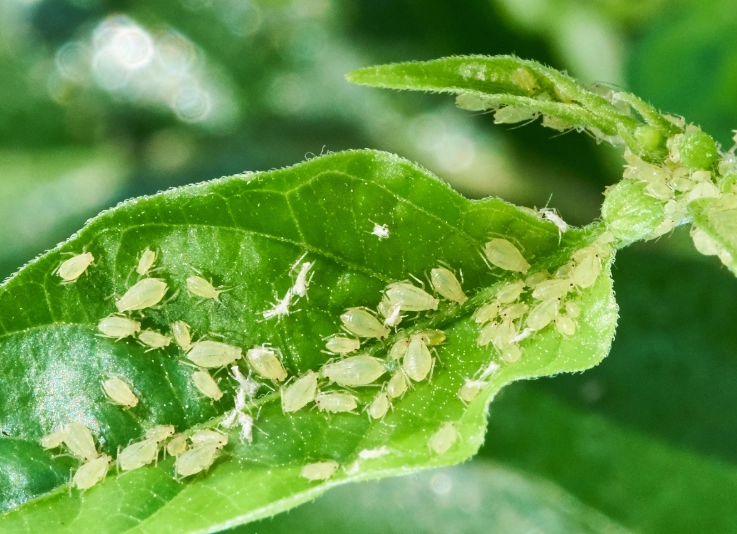
Why are they a big deal? A few aphids might not seem like much. But they reproduce at a ridiculous rate. Females can give birth to live young (who are already pregnant!) without needing a mate. You can go from a couple of bugs to a full-blown infestation in a week. The damage isn't just from sucking sap.
They excrete a sticky, sugary waste called honeydew. This stuff coats leaves, attracts ants (who will actually "farm" aphids for it), and encourages the growth of a black, sooty mold that blocks sunlight. As if that wasn't enough, aphids are notorious for spreading plant viruses from one sick plant to another as they feed. It's a whole mess.
Step One: Identification and Damage Assessment
Before you start any treatment, take a good look. Make sure you're dealing with aphids and not something else like scale or spider mites. Get up close. Use a magnifying glass if you have one. Look for the classic pear shape, the two little "tailpipes" (called cornicles) on their rear end, and their slow, clumpy movement.
Check the severity. Are there just a few on one shoot? Or are entire stems covered? This will determine your first line of attack. The goal of learning how to get rid of aphids on plants starts with smart, targeted action, not panic spraying.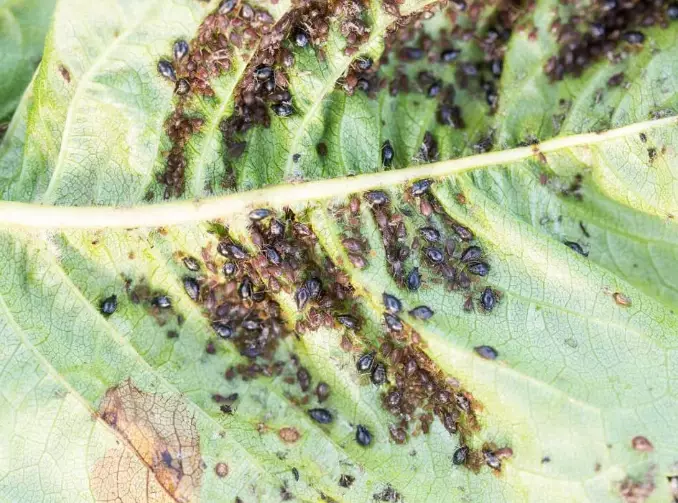
What Damage Do Aphids Cause?
You'll usually see these signs first:
- Curled or Distorted Leaves: New leaves might come in twisted and weird. The aphids' saliva has a growth-disrupting effect.
- Stunted Growth: The plant just seems to stop putting out new, healthy shoots. It's being drained.
- Yellowing Leaves: Classic sign of nutrient loss.
- The Sticky Mess: Honeydew everywhere. This is often what people notice first.
- Ant Highways: If you see a steady trail of ants marching up and down your plant, they're probably going to or from an aphid colony.
Immediate Action: How to Get Rid of Aphids on Plants Right Now
Okay, you've confirmed it's aphids. Here's your playbook for immediate, physical eviction. These methods are great for light to moderate infestations and are always my first go-to.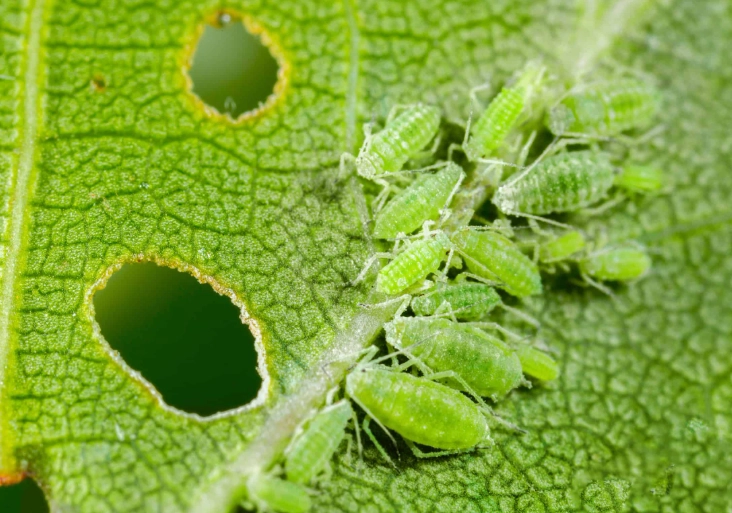
The Power of Water
Never underestimate a strong jet of water. Take your plant outside (if it's in a pot) or use your hose sprayer on a sharp setting. Blast those bugs off, paying special attention to the leaf undersides. You're not trying to shred the leaves, just knock the aphids off. They are weak, clumsy fliers and often can't make it back to the plant. Do this every other day for a week. It's shockingly effective and costs nothing.
Hands-On Removal (For the Brave)
For small infestations, put on a pair of gardening gloves and simply squash them or pinch off the affected tip and throw it in the trash (not the compost). It's gross but incredibly direct. I do this with my milkweed every spring. It's cathartic.
DIY Sprays That Actually Work
If water and squishing aren't enough, it's time to mix up a spray. The key here is contact. These sprays work by coating the aphids and disrupting their outer layer or smothering them. You have to hit them directly.
Here are my top three homemade recipes, ranked by simplicity and effectiveness in my own garden:
1. The Simple Soap Spray (The Classic)
Mix 1-2 teaspoons of a mild, pure liquid soap (like Castile soap) per quart of warm water. The soap breaks down the aphids' waxy protective coating, causing them to dehydrate. Don't use harsh detergents or dish soaps with degreasers or moisturizers—they can damage your plants. Test on a single leaf first, wait 24 hours, then spray the rest. Rinse the plant with clean water a few hours later.
2. The Neem Oil Solution (The Disruptor)
Neem oil is a bit more complex. It acts as both a contact insecticide and a systemic repellent when absorbed by the plant. Mix according to the bottle instructions (usually 1-2 tsp neem oil and 1/2 tsp mild soap per quart of water). Shake it like crazy to emulsify. Spray thoroughly, covering all leaf surfaces. It has a strong smell, but it works on a broader range of pests and can prevent future feeding.
3. The Garlic or Chili Pepper Spray (The Repellent)
Blend a few cloves of garlic or a couple of hot peppers with water, let it steep overnight, strain, and add a teaspoon of soap to help it stick. This creates a spicy, stinky barrier that aphids hate. Reapply after rain. Fair warning: your garden will smell like an Italian kitchen for a day.
Honestly, I find the soap spray is the easiest and fastest for a sudden outbreak. The neem oil is better for a persistent problem or if you see other pests like whiteflies. The garlic spray is fun but more of a deterrent.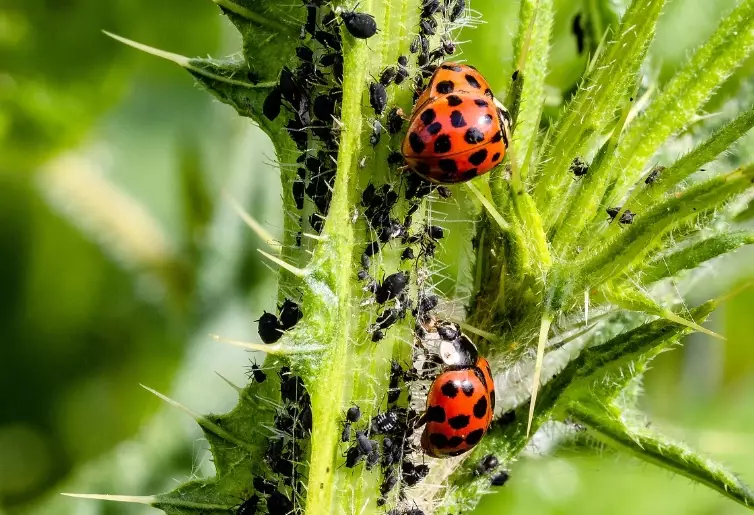
The Long-Term, Sustainable Solution: Working with Nature
Killing aphids today is one thing. Keeping them away for good is the real goal. This is where you stop fighting nature and start partnering with it. The best way to learn how to get rid of aphids on plants is to understand why they came in the first place and fix that.
Recruit an Army: Welcome Beneficial Insects
This is my favorite strategy. You can buy these insects online, but it's better to make your garden a place they want to live. Plant the flowers they need for nectar and pollen, and they'll stick around to hunt aphids.
- Ladybugs & Ladybug Larvae: The aphid-eating champions. The larvae look like tiny black and orange alligators and eat even more than the adults! Plant dill, fennel, yarrow, and marigolds to attract them.
- Lacewings: Their larvae are called "aphid lions" for a reason. They're voracious. They love cosmos, dill, and angelica.
- Hoverflies: The adults look like small bees but don't sting. Their maggot-like larvae consume dozens of aphids daily. They are drawn to flat, open flowers like alyssum, calendula, and statice.
- Parasitic Wasps (Tiny & Harmless to Humans): These microscopic wasps lay eggs inside aphids. The aphid turns into a bloated, golden-brown "mummy." If you see these, celebrate! Your natural controls are working. They like small-flowered plants like parsley and Queen Anne's lace.
I stopped spraying pesticides entirely a few years ago, and the increase in hoverflies and ladybugs in my garden has been incredible. They do most of the work for me now.
Companion Planting: The Art of Confusion
Aphids often find their host plants by smell. You can confuse and repel them by interplanting strong-smelling herbs and flowers.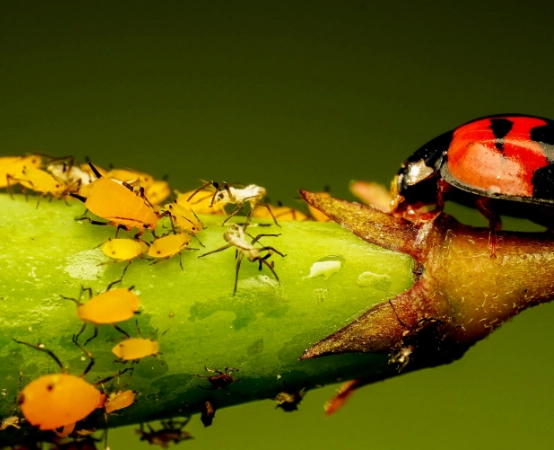
Garden Hygiene and Plant Health
A stressed plant is an aphid magnet. They can sense it. Just like mosquitoes are drawn to some people more than others, aphids target weak plants.
- Don't Over-Fertilize: Especially with high-nitrogen fertilizers. This causes a burst of soft, succulent growth that aphids adore. Use balanced, slow-release organic fertilizers.
- Water Properly: Under-watered plants are stressed. Over-watered plants have weak roots. Both are targets.
- Weed: Weeds can be alternate hosts for aphids and viruses.
- Remove Infested Material: In fall, clean up plant debris where aphid eggs might overwinter.
It sounds simple, but a healthy, vigorously growing plant is your best defense. It's the foundation of any strategy on how to get rid of aphids on plants permanently.
Comparing Your Options: A Quick-Reference Table
It can get confusing with all these methods. Here’s a breakdown to help you choose the right tool for the job, whether you need a quick fix or a long-term partner.
| Method | How It Works | Best For | Pros | Cons / Cautions |
|---|---|---|---|---|
| Water Blast | Physically knocks aphids off plant | Light infestations, sturdy plants | Instant, free, no chemicals | Needs repeating; can damage very delicate plants |
| Insecticidal Soap Spray | Breaks down insect's outer coating | Moderate infestations, contact kill | Effective, inexpensive, low toxicity | Must contact bug; can harm some plants (test first) |
| Neem Oil Spray | Smothers & disrupts hormones | Persistent problems, broad prevention | Repels & kills; works on other pests | Strong smell; can harm beneficials if sprayed directly; needs emulsifier |
| Attract Beneficial Insects | Predators eat the aphids | Long-term, garden-wide control | Sustainable, self-regulating, beautiful | Takes time to establish; requires diverse planting |
| Companion Planting | Repels or confuses aphids | Prevention, integrated strategy | Works passively, enhances biodiversity | Not a standalone solution for active infestation |
Special Situations and FAQs
How to Get Rid of Aphids on Indoor Plants?
This is a different ballgame. You don't have wind, rain, or beneficial insects in your living room. Isolation is key! Move the infested plant away from others immediately. Your best bet is the soap spray or neem oil. Take the plant to a sink or shower, spray it down thoroughly, let it sit, then rinse. Wipe leaves with a damp cloth. Repeat every 5-7 days for at least two weeks. Check all your other plants carefully. Aphids can spread indoors quickly.
What About Ants?
Ants are aphid farmers. They protect aphids from predators and move them to new plants to "milk" them for honeydew. If you have ants, you'll have a much harder time controlling aphids. Break the alliance. Use a sticky barrier like Tanglefoot on tree trunks, or sprinkle diatomaceous earth (food grade) around the base of the plant. Controlling the ants often causes the aphid colony to collapse quickly.
Are Chemical Pesticides Ever Okay?
This is a personal choice, but I avoid them. Broad-spectrum insecticides (like malathion or carbaryl) kill everything—aphids, ladybugs, bees, butterflies. They create a vacuum that pests often repopulate faster than their predators. They can also lead to pesticide-resistant "super aphids." If you feel you must use a chemical, look for a specific, targeted systemic product used as a last resort, and follow the label to the letter. But in my experience, the natural methods are just as effective if you're consistent and patient.
Why Do My Aphids Keep Coming Back?
If you're constantly battling aphids, look at the bigger picture. Is the plant in the wrong place (too much shade, poor soil)? Are you over-fertilizing? Is your garden a monoculture? Aphids are a symptom. Address the plant's health and the garden's ecosystem, and the problem will diminish. Sometimes, a plant is just chronically susceptible. In that case, consider replacing it with a more resistant variety. Life's too short to fight the same battle every year.
Wrapping It Up: A Sustainable Mindset
Learning how to get rid of aphids on plants isn't about finding a single magic bullet. It's about building a resilient garden. Start with the gentlest method—a hose. Escalate to soap if needed. But always, always work on the long game: growing healthy plants and inviting in the insects that will do the policing for you.
I remember the first year I saw a ladybug larva on my aphid-infested fennel. I watched it methodically clean off the stem. I didn't have to do a thing. That's the goal. To shift from being a constant warrior to being a smart manager of a little ecosystem in your backyard or on your windowsill.
For more in-depth reading on integrated pest management principles, which is the philosophy behind all this, the University of California Statewide Integrated Pest Management Program has an incredible, science-backed resource library. It's my go-to for double-checking information. The Royal Horticultural Society (RHS) also provides excellent, practical advice for gardeners facing common pests like aphids.
Don't get discouraged. Every gardener deals with aphids. See them not just as a pest, but as a signpost pointing you toward a healthier, more balanced way of gardening. Now go check those leaf undersides.
Comments